

Cultured vegetables heal your gut-brain connection by delivering diverse probiotics that produce mood-regulating neurotransmitters like serotonin and GABA directly in your digestive system. These beneficial bacteria create short-chain fatty acids that reduce inflammation, strengthen your blood-brain barrier, and enhance cognitive function. As they compete with harmful microbes, they restore microbial balance that’s essential for emotional stability and mental clarity. The fermentation process amplifies these benefits while improving nutrient absorption, and you’ll discover exactly how to maximize their healing potential.
Understanding the Microbiota-Gut-Brain Axis
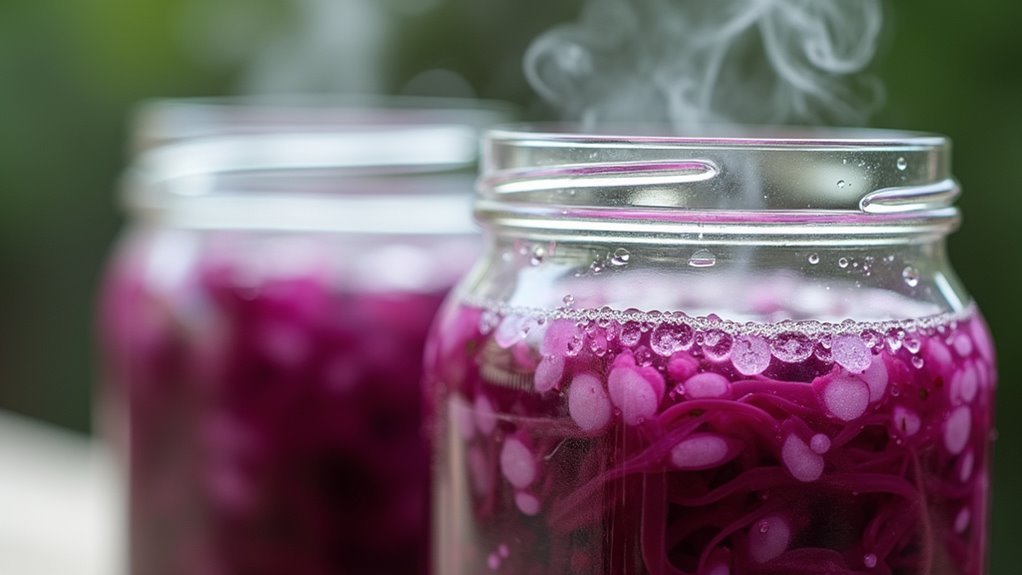
While you might think of your gut and brain as separate systems, they’re actually in constant communication through a sophisticated network called the microbiota-gut-brain axis.
This complex pathway connects your digestive system to your brain, allowing gut bacteria to directly influence your mood, anxiety levels, and cognitive function.
Your gut microbes work as tiny chemical factories, producing essential neurotransmitters like serotonin and GABA that regulate your emotional well-being.
When your gut health suffers from bacterial imbalance, or dysbiosis, you’re more likely to experience depression and anxiety.
That’s where fermented foods become significant—they introduce beneficial probiotics that restore bacterial diversity and strengthen this critical gut-brain connection, supporting both your digestive and mental health simultaneously.
How Cultured Vegetables Support Your Gut Microbiome
Your gut thrives on bacterial diversity, and cultured vegetables deliver exactly that through their rich probiotic content.
When you consume fermented foods like kimchi and naturally pickled vegetables, you’re introducing beneficial microorganisms that actively compete with harmful bacteria for space in your digestive system.
This fermentation process doesn’t just preserve vegetables—it transforms them into powerful allies that help restore and maintain your microbiome’s delicate balance.
Probiotic Diversity Powers Health
The microscopic ecosystem in your gut thrives on diversity, and cultured vegetables deliver exactly what it needs. Your gut microbiota flourishes when you introduce multiple strains of beneficial bacteria through fermented foods like kimchi and sauerkraut.
This probiotic diversity strengthens your gut-brain connection by creating a robust microbial foundation.
Here’s how varied probiotics power your health:
- Enhanced neurotransmitter production – Different bacterial strains produce serotonin and GABA
- Improved cognitive performance – Diverse microbes optimize brain communication pathways
- Reduced anxiety and depression symptoms – Multiple probiotic strains work synergistically
- Better mood regulation – Varied bacteria enhance the microbiota-gut-brain axis
- Increased bioactive compounds – Fermentation creates unique health-promoting molecules
You’ll maximize these benefits by consuming different types of cultured vegetables regularly, ensuring your gut receives the bacterial variety it craves.
Microbiome Balance Through Fermentation
When fermentation transforms ordinary vegetables into probiotic powerhouses, it creates the ideal environment for your gut microbiome to thrive. This ancient preservation method doesn’t just extend shelf life—it fundamentally changes your vegetables’ nutritional profile, making vitamins and minerals more bioavailable while cultivating beneficial bacteria colonies.
Your gut microbiome depends on this diversity to function effectively. Fermented foods introduce specific probiotic strains that combat dysbiosis, the harmful imbalance linked to anxiety and depression. As these beneficial bacteria establish themselves, they strengthen your intestinal barrier, preventing leaky gut syndrome that can compromise brain health.
The gut-brain axis responds immediately to this microbial restoration. Your newly balanced microbiome produces essential neurotransmitters like serotonin and GABA, directly influencing your mood and cognitive function through this powerful bidirectional communication pathway.
The Science Behind Fermentation and Probiotic Development
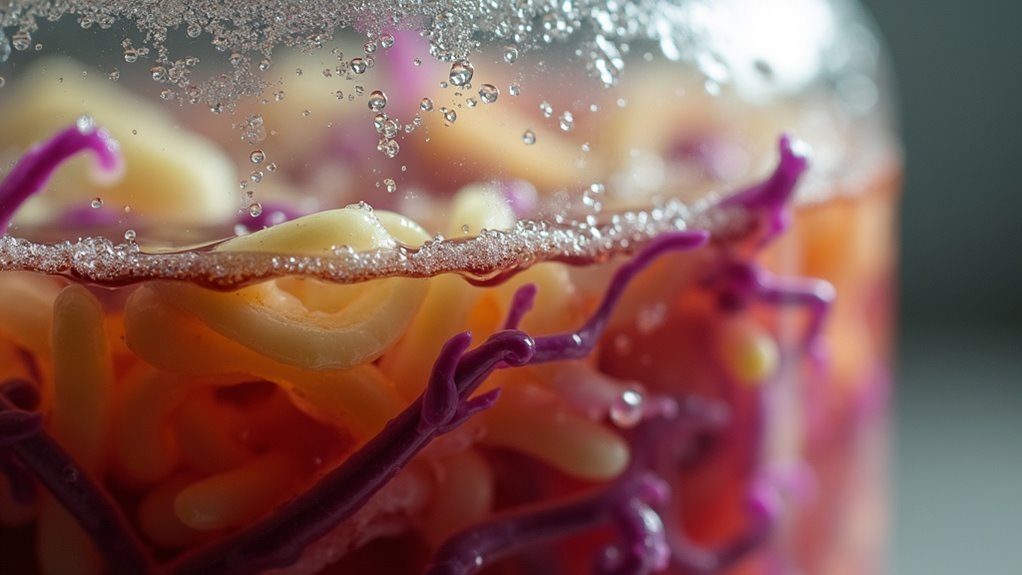
Although fermentation might seem like modern food science, this ancient preservation method actually transforms ordinary vegetables into nutritional powerhouses through a fascinating biological process.
When you ferment vegetables, beneficial microorganisms convert sugars into acids and alcohol, creating an environment where probiotics like Lactobacillus and Bifidobacterium flourish.
Here’s what happens during fermentation:
- Microorganisms break down natural sugars, producing beneficial acids
- Probiotics multiply exponentially, creating diverse bacterial colonies
- Bioactive compounds and microbial metabolites develop naturally
- Nutritional value increases while extending shelf life considerably
- Neurotransmitters like serotonin and GABA begin forming
These fermented foods directly influence your gut microbiota composition, establishing a thriving ecosystem that communicates with your brain through the gut-brain axis, ultimately supporting both digestive health and emotional well-being.
Neurotransmitter Production in Your Digestive System
Beyond creating these beneficial bacterial colonies, cultured vegetables trigger something remarkable inside your gut—your digestive system transforms into a sophisticated neurotransmitter factory. Your gut microbes actively produce GABA, the neurotransmitter that calms anxiety and fear responses.
Meanwhile, enterochromaffin cells in your small intestine manufacture serotonin, directly influencing your mood, sleep patterns, and learning capacity.
Your small intestine’s enterochromaffin cells act as internal serotonin factories, directly controlling your mood, sleep quality, and ability to learn.
This neurotransmitter production occurs through the microbiota-gut-brain axis, where your gut’s 168 million neurons communicate constantly with your brain. When you consume cultured vegetables, you’re feeding beneficial bacteria that create short-chain fatty acids like butyrate.
These compounds strengthen your blood-brain barrier while supporting peak brain function. However, when gut microbiota becomes imbalanced, altered neurotransmitter levels can contribute to depression and anxiety disorders.
Short-Chain Fatty Acids and Brain Function

As beneficial bacteria in your gut break down the fiber from cultured vegetables, they produce powerful short-chain fatty acids (SCFAs) that directly enhance your brain’s protective mechanisms.
These SCFAs—butyrate, propionate, and acetate—strengthen your gut-brain axis through multiple pathways:
- Blood-brain barrier protection – Butyrate maintains barrier integrity, blocking toxins from reaching your brain.
- Neurotransmitter regulation – SCFAs influence production of mood-regulating brain chemicals.
- Inflammation reduction – These compounds decrease brain inflammation that impairs cognitive function.
- Hormone signaling – SCFAs stimulate satiety hormones that communicate with your brain.
- Microbiota diversity – Fermented foods increase beneficial bacteria that produce more SCFAs.
Reducing Inflammation Through Fermented Foods
When you consume cultured vegetables, you’re introducing beneficial bacteria that produce anti-inflammatory microbial metabolites like butyrate, which directly combat chronic inflammation linked to brain disorders.
These metabolites don’t just reduce inflammatory markers—they actively strengthen your gut barrier integrity, preventing harmful substances like lipopolysaccharides from entering your bloodstream and triggering neuroinflammation.
You’ll find that this dual action creates a protective shield that supports both your gut health and cognitive function through reduced systemic inflammation.
Anti-Inflammatory Microbial Metabolites
While chronic inflammation silently damages your brain-gut connection, cultured vegetables offer a powerful defense through their production of anti-inflammatory microbial metabolites.
These beneficial compounds work systematically to restore balance and protect neurological function.
When you consume fermented foods, your gut microbes produce powerful healing compounds:
- Short-chain fatty acids (SCFAs) that strengthen your blood-brain barrier and reduce systemic inflammation
- Butyrate that regulates immune responses in both gut and brain tissues
- Metabolites that actively lower harmful lipopolysaccharides (LPS) levels
- Anti-inflammatory compounds that decrease cytokines linked to neurodegenerative diseases
- Beneficial bacteria that enhance microbial diversity and improve gut-brain communication
These microbial metabolites create a protective shield against chronic inflammation while optimizing your gut-brain connection.
Barrier Integrity Enhancement
Beyond producing anti-inflammatory metabolites, cultured vegetables directly strengthen your intestinal barrier—the critical protective wall that determines whether harmful substances reach your bloodstream and brain.
When you consume fermented foods regularly, you’re increasing beneficial bacteria that reinforce your gut barrier’s mucosal layer. This enhanced protection prevents inflammatory toxins like lipopolysaccharides from entering your circulation, where they’d trigger neuroinflammation and mood disorders.
Your strengthened gut barrier becomes more selective, allowing nutrients through while blocking harmful compounds. The microbiota-gut-brain axis relies on this integrity to maintain ideal communication between your digestive system and brain.
As beneficial microbes flourish from fermented vegetable consumption, they stimulate immune responses that further fortify your intestinal wall, reducing systemic inflammation and supporting long-term neurological health.
Natural vs. Commercial Fermented Vegetables
Although both natural and commercial fermented vegetables line grocery store shelves, they’re fundamentally different in their health benefits and production methods.
Commercial pickles typically use vinegar-based solutions that lack live cultures, while naturally fermented vegetables contain active probiotics essential for gut health.
Here’s what to look for when choosing fermented vegetables:
- Labels indicating “naturally fermented” – confirms live probiotic cultures
- Visible bubbles in jars – signals active fermentation and living microorganisms
- Refrigerated storage – preserves beneficial bacteria better than shelf-stable options
- Simple ingredient lists – fewer additives mean better probiotic survival
- Homemade preparation – maximizes control over fermentation and probiotic content
These naturally fermented options support the microbiota-gut-brain axis, potentially improving cognitive function through enhanced gut microbiome diversity.
Essential Strains of Bacteria in Cultured Vegetables
When you consume cultured vegetables, you’re introducing powerful bacterial strains that directly impact your gut-brain connection.
Lactobacillus species enhance neurotransmitter production while Bifidobacterium strains strengthen your gut barrier and immune function.
You’ll maximize these benefits by choosing fermented vegetables with diverse bacterial populations rather than products dominated by single strains.
Lactobacillus Species Benefits
Among the most powerful probiotic strains found in cultured vegetables, Lactobacillus species stand out as essential guardians of your gut health and mental well-being.
These beneficial bacteria transform your digestive environment by producing lactic acid during fermentation, creating conditions that discourage harmful pathogens while supporting beneficial microbes.
Through the microbiota-gut-brain axis, specific strains like Lactobacillus rhamnosus and Lactobacillus plantarum directly influence your mental health by producing GABA, a neurotransmitter that reduces anxiety and improves mood.
Regular consumption of fermented foods containing these strains provides:
- Enhanced cognitive function and emotional stability
- Strengthened intestinal barrier protection
- Reduced leaky gut syndrome risk
- Improved neurotransmitter production
- Better overall gut-brain communication
Your mental clarity and emotional balance depend on these microscopic allies working continuously within your digestive system.
Bifidobacterium Gut Support
While Lactobacillus species excel at producing neurotransmitters, Bifidobacterium strains work differently to strengthen your gut-brain connection through their remarkable fiber-fermenting abilities.
These beneficial bacteria transform dietary fibers into powerful short-chain fatty acids like butyrate, which directly support your brain health by maintaining the blood-brain barrier’s integrity.
Your gut health depends heavily on Bifidobacterium’s ability to enhance intestinal barrier function, preventing leaky gut syndrome that’s linked to mental health issues.
When you consume cultured vegetables rich in these strains, you’re promoting a diverse microbiome that improves cognitive function and reduces anxiety.
The microbiota-gut-brain axis thrives when Bifidobacterium produces essential compounds that influence serotonin production, directly impacting your mood regulation and mental well-being through this sophisticated bacterial communication network.
Strain Diversity Importance
The remarkable diversity of bacterial strains in cultured vegetables creates a synergistic ecosystem that amplifies your gut-brain benefits far beyond what any single probiotic strain could achieve alone.
This strain diversity transforms your gut microbiome into a thriving community where different bacteria work together to enhance mental health and cognitive function.
Each strain contributes unique benefits to your overall wellness:
- Lactobacillus plantarum strengthens your gut barrier function and prevents harmful toxins from entering your bloodstream.
- Bifidobacterium bifidum reduces inflammation throughout your body and brain.
- Multiple strains enhance fiber fermentation, producing essential short-chain fatty acids.
- Diverse bacteria improve neurotransmitter production for better mood regulation.
- Varied probiotic strains help prevent dysbiosis and maintain microbial balance.
This bacterial teamwork optimizes your gut-brain axis communication.
Creating Your Own Fermented Vegetable Recipes
Although store-bought fermented vegetables offer convenience, you’ll gain greater control over ingredients and flavors by creating your own fermented vegetable recipes at home. Making spicy pickled vegetables (escabeche) requires simple ingredients: filtered water, sea salt, apple cider vinegar, and fresh vegetables packed tightly in sterilized jars.
| Ingredient | Purpose | Amount |
|---|---|---|
| Filtered water | Base for brine | 2 cups |
| Sea salt | Fermentation catalyst | 2 tablespoons |
| Apple cider vinegar | Acidic environment | 1/4 cup |
| Fresh vegetables | Probiotic source | 2-3 cups |
| Time | Fermentation period | 3-5 days |
The fermentation process takes three to five days at room temperature, developing beneficial probiotics that enhance gut health and improve the gut-brain connection. Make certain vegetables stay fully submerged to prevent spoilage. Your homemade fermented foods last one month refrigerated.
Daily Serving Recommendations for Optimal Benefits
Creating fermented vegetables at home opens the door to incorporating these probiotic-rich foods into your daily routine for peak gut-brain benefits.
Your ideal daily serving should range from 1/4 to 1/2 cup of naturally fermented vegetables to support gut health effectively.
Here’s how to maximize your fermented foods intake:
- Daily portion: Consume 1/4 to 1/2 cup of kimchi, sauerkraut, or other cultured vegetables
- Weekly frequency: Aim for at least 3 servings per week minimum
- Variety matters: Rotate different fermented vegetables to enhance microbiota diversity
- Consistency counts: Regular intake provides sustained probiotic benefits for anxiety and depression reduction
- Timing flexibility: Add servings to meals throughout the day
This daily serving schedule stimulates neurotransmitter production, particularly serotonin, while promoting cognitive function through improved gut-brain communication.
Signs Your Gut-Brain Connection Is Improving
Within weeks of consistently consuming cultured vegetables, you’ll notice tangible improvements that signal your gut-brain connection is strengthening.
Your mood will stabilize as anxiety levels decrease, reflecting enhanced production of neurotransmitters like serotonin and GABA from healthy gut bacteria. You’ll experience sharper cognitive performance, including improved memory and concentration, indicating positive shifts in your gut-brain axis from probiotics and bioactive compounds in fermented foods.
Digestive comfort increases as bloating and irregular bowel movements diminish, showing your microbiome is becoming balanced.
Better nutrient absorption supports both cognitive function and emotional well-being. You’ll feel more energetic and essential as your healthy gut bacteria optimize metabolic processes and reduce systemic inflammation that causes mental fatigue.
These improvements confirm your gut-brain connection is healing effectively.
Combining Cultured Vegetables With Other Healing Foods
Maximizing these positive changes requires strategic food combinations that amplify the gut-brain benefits you’re already experiencing.
By pairing cultured vegetables with complementary healing foods, you’ll create powerful synergies that enhance the microbiota-gut-brain axis connection.
Here are five strategic combinations to optimize your gut health:
- Omega-3 rich foods (fatty fish, flaxseeds) reduce inflammation and boost cognitive function.
- Prebiotic foods (garlic, onions) fuel beneficial bacteria growth in your gut.
- Additional fermented foods (yogurt, kefir) provide diverse probiotics for enhanced mental health benefits.
- High-fiber foods (whole grains, legumes) promote short-chain fatty acid production essential for brain health.
- Antioxidant-rich foods (berries, dark leafy greens) combat oxidative stress and protect against neurodegenerative diseases.
These combinations create a thorough approach to healing your gut-brain connection.
Storage and Preparation Tips for Maximum Potency
After preparing your cultured vegetables with care, proper storage becomes essential for preserving their therapeutic potential. Store your fermented vegetables in the refrigerator immediately after fermentation to maintain peak probiotic potency and slow the fermentation process.
Use fermentation lids or loosely fitted standard lids to allow gas escape while keeping vegetables submerged in brine. Check regularly to verify they’re fully covered, adding salted water when necessary to prevent mold formation.
| Storage Factor | Recommendation | Duration |
|---|---|---|
| Container Type | Glass or ceramic | Throughout process |
| Temperature | Refrigerated | Post-fermentation |
| Lid Style | Fermentation/loose-fitted | During storage |
| Brine Level | Fully submerged | Always maintained |
| Consumption Window | Within one month | For best probiotics |
Consume within one month for best probiotic benefits and flavor development.
Long-Term Mental Health Benefits of Regular Consumption
When you maintain a consistent routine of eating cultured vegetables, you’re investing in your brain’s long-term health and cognitive resilience.
Your regular consumption can lead to sustained improvements in mental clarity, focus, and memory while simultaneously reducing your risk of developing anxiety disorders over time.
You’ll likely notice that your emotional stability strengthens as the beneficial bacteria in these fermented foods continuously support your gut-brain connection.
Sustained Cognitive Enhancement
While short-term benefits of cultured vegetables often capture attention, the most profound cognitive advantages emerge through consistent, long-term consumption.
Your brain’s performance improves markedly when you maintain regular intake of fermented foods, as they strengthen the microbiota-gut-brain axis over months and years.
Long-term consumption delivers these sustained benefits for your cognitive health:
- Enhanced memory formation and recall through improved neural pathway activation
- Reduced brain inflammation that protects against neurodegenerative diseases
- Stabilized mood regulation via consistent microbial metabolite production
- Strengthened intestinal barrier preventing cognitive decline from leaky gut syndrome
- Increased mental resilience against anxiety and depression symptoms
You’ll notice these improvements compound over time, creating lasting cognitive enhancement that becomes your new baseline rather than temporary boosts.
Reduced Anxiety Disorders
Regular consumption of cultured vegetables creates a powerful defense against anxiety disorders by fundamentally reshaping your brain’s stress response system. Your gut produces approximately 90% of your body’s serotonin, and fermented foods directly influence this production through beneficial bacteria.
These probiotics enhance your gut-brain axis communication, allowing your digestive system to send calming signals to your brain more effectively.
When you eat cultured vegetables regularly, you’re introducing specific bacterial strains that regulate GABA neurotransmitters, which naturally reduce anxious thoughts and promote relaxation.
Research shows people who consume fermented foods daily experience considerably fewer anxiety symptoms and report improved emotional stability. Your gut microbiome diversity increases, creating a protective barrier against stress-induced anxiety disorders while strengthening your overall mental resilience.
Frequently Asked Questions
How Long Does It Take for Fermented Foods to Heal the Gut?
You’ll notice fermented foods altering your gut microbiota within 24 hours, but significant gut healing takes two to four weeks of consistent consumption. Complete gut-brain connection improvements require several weeks to months.
How Do You Heal a Brain-Gut Connection?
You’ll heal your brain-gut connection by eating diverse fermented foods daily, managing stress through meditation, exercising regularly, getting quality sleep, avoiding processed foods, and taking targeted probiotics to restore healthy gut bacteria balance.
Are Fermented Vegetables Good for Your Gut?
Yes, fermented vegetables are excellent for your gut. They’re packed with probiotics that boost beneficial bacteria, produce healing compounds, strengthen your gut barrier, and improve digestion while reducing inflammation naturally.
Are Fermented Foods Linked to the Gut-Brain?
Yes, fermented foods directly connect to your gut-brain axis. When you eat them, they boost beneficial bacteria that produce neurotransmitters, reduce inflammation, and improve communication between your digestive system and brain.


