
You’ll strengthen your immune system daily by snacking on zinc-rich foods like pumpkin seeds, which deliver 27-37% of your daily zinc needs per ounce. Dark chocolate provides impressive immune support with 30-41% daily value, while cashews and roasted chickpeas offer convenient protein-packed options. Sunflower seeds and cheese cubes round out your arsenal of immunity-boosting snacks. These foods activate essential T lymphocytes and enzymes that defend against infections. Discover how strategic snacking schedules can maximize your body’s natural defenses.
Why Zinc Powers Your Immune System Daily

While many nutrients support immune health, zinc stands out as a powerhouse mineral that directly activates your body’s defense mechanisms. This essential mineral powers over 300 enzymes that keep your immune system functioning at peak performance.
When you consume adequate daily zinc, you’re supporting T lymphocytes—specialized white blood cells that identify and eliminate threats in your body.
Zinc deficiency weakens your natural defenses, making you more vulnerable to infections and slowing wound healing processes. Your body can’t store zinc long-term, so you need consistent intake through zinc-rich foods.
Convenient options like pumpkin seeds provide sustained nutrition throughout your day. By maintaining ideal zinc levels, you’re ensuring your immune system responds quickly and effectively when challenged by viruses, bacteria, or other pathogens.
Pumpkin Seeds: The Portable Zinc Powerhouse
Pumpkin seeds deliver impressive zinc levels in a perfectly portable package. You’ll get 3.3 mg of zinc per ounce – that’s 27% of men’s daily value and 37% for women. These pepitas serve as an excellent source for boosting your zinc intake while supporting immune function.
| Nutrient | Amount per Ounce | Health Benefit |
|---|---|---|
| Zinc | 3.3 mg | Immune support |
| Protein | 9g | Muscle maintenance |
| Magnesium | 168mg | Bone health |
Beyond zinc, you’re getting fiber, protein, and antioxidants that enhance overall health. Roasting improves zinc bioavailability, making absorption easier. You can enjoy them raw, roasted, or mixed into salads and trail mixes. Regular consumption strengthens your immune system and supports wound healing naturally.
Cashews and Almonds: Crunchy Immunity Boosters
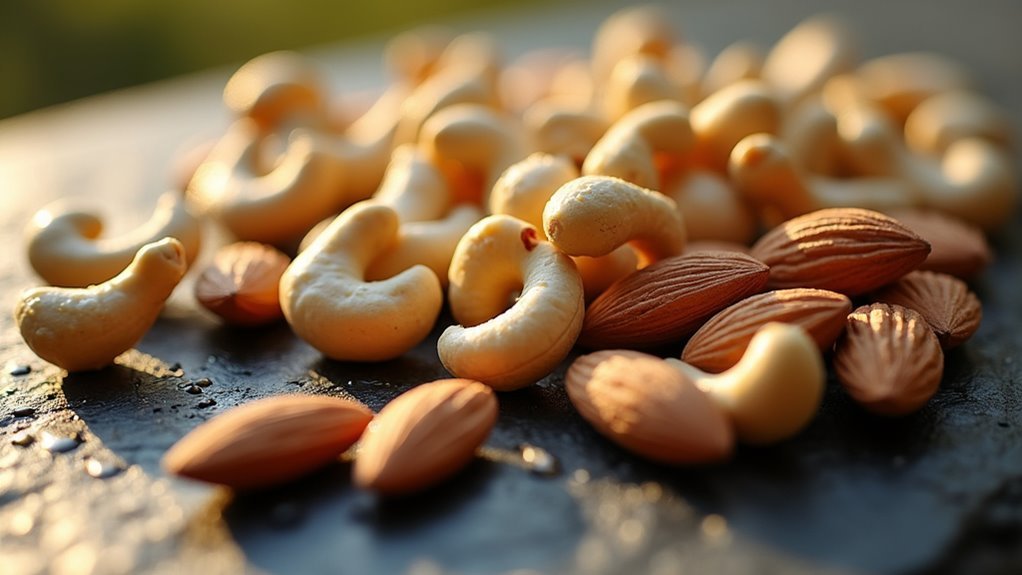
Cashews and almonds transform your snacking routine into an immunity-boosting powerhouse.
You’ll get approximately 1.7 mg of zinc per ounce from cashews, covering 11% of daily needs for men and 15% for women. Almonds provide around 1 mg of zinc per ounce while delivering healthy fats and vitamin E for added immune support.
Both nuts serve as an excellent source of magnesium, fueling over 300 enzymatic reactions essential for immune function.
These nutritious snacks also pack antioxidants and fiber, supporting your digestive health alongside immunity.
For vegetarians and vegans, cashews and almonds offer an easy way to meet daily zinc requirements while enhancing overall nutrient intake through convenient, portable snacking options.
Dark Chocolate: Sweet Defense Against Illness
Dark chocolate brings together indulgence and immunity in one delicious package.
You’ll get approximately 3.31 mg of zinc per 100-gram bar of dark chocolate (70%-85% cocoa), delivering 30% of your daily value if you’re a man and 41% if you’re a woman. This zinc supports your immune function by activating T cells that defend against infections.
Beyond zinc, dark chocolate provides powerful antioxidants that combat oxidative stress and inflammation, boosting your immunity further. You’ll also benefit from healthy fats and fiber that contribute to your overall well-being.
While satisfying sweet cravings, dark chocolate complements your balanced diet when enjoyed in moderation alongside other nutrient-rich foods.
Sunflower Seeds: Small Snacks With Big Benefits
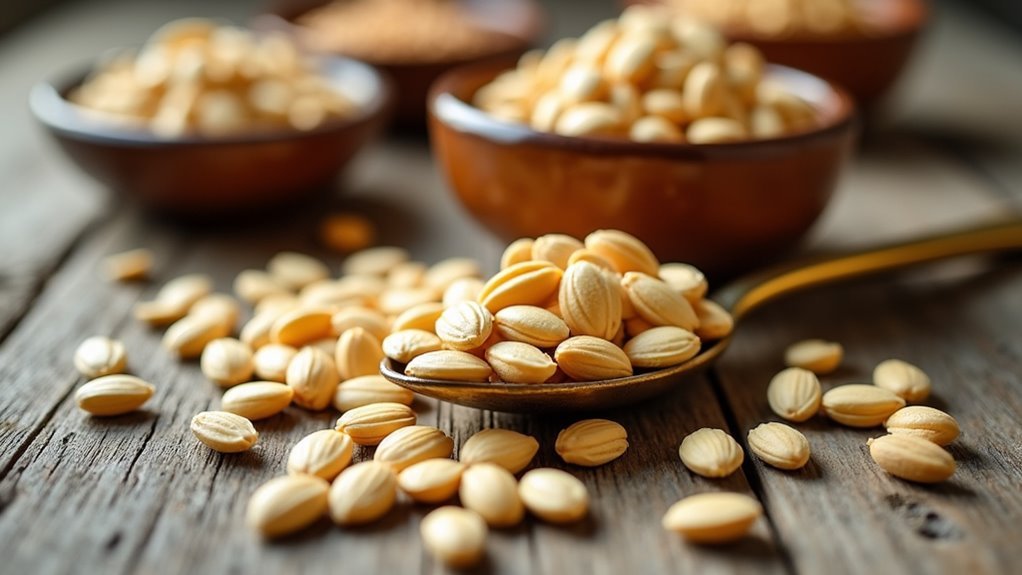
You’ll get about 1.5 mg of zinc from just one ounce of sunflower seeds, making them an excellent bite-sized boost for your immune system.
These tiny powerhouses don’t just deliver zinc—they’re packed with vitamin E and antioxidants that work together to strengthen your body’s natural defenses against illness.
Whether you sprinkle them on salads, mix them into yogurt, or grab a handful as an afternoon snack, sunflower seeds make it incredibly easy to support your immunity throughout the day.
Zinc Content Per Serving
Packed with immune-boosting nutrients, sunflower seeds deliver approximately 1.5 mg of zinc per ounce, providing 14% of men’s daily value and 19% of women’s daily zinc requirements.
You’ll find these small seeds rank among good sources of zinc, especially important if you’re following plant-based diets where zinc can be harder to obtain.
Unlike foods high in zinc that require a serving of cooked preparation, sunflower seeds offer convenient snacking without cooking.
Just one ounce helps you meet your zinc per day goals while supporting immune function through essential nutrients including healthy fats, protein, and fiber.
Whether you’re sprinkling them on salads or eating them straight from the package, you’re investing in your body’s natural defense system.
Immune System Support Benefits
Beyond their impressive zinc content, sunflower seeds function as immune system powerhouses through multiple pathways that strengthen your body’s natural defenses. The zinc in these seeds promotes T lymphocyte activation and proliferation, directly enhancing your immune response.
You’ll also benefit from vitamin E and selenium antioxidants that shield immune cells from damaging oxidative stress. The magnesium content works behind the scenes, regulating inflammatory responses and supporting overall immune function.
When you incorporate sunflower seeds into your daily routine, you’re contributing meaningful nutrient intake toward your zinc daily requirement—11 mg for men and 8 mg for women. This thorough nutritional support makes sunflower seeds an efficient snack choice for strengthening immunity through multiple complementary mechanisms.
Easy Daily Snack Ideas
Three simple ways can transform sunflower seeds into your go-to immunity-boosting snack throughout the day.
First, keep a small container at your desk for quick zinc intake that supports immune function during busy workdays. You’ll get 1.5 mg of zinc per ounce along with essential protein and healthy fats.
Second, sprinkle them over salads or yogurt to boost nutrition with antioxidants and vitamin E that combat oxidative stress. This combination enhances your meal’s immune-supporting properties while adding satisfying crunch.
Third, create custom trail mixes combining sunflower seeds with nuts and dried fruit. This portable option delivers sustained energy while supporting skin health and wound healing through zinc’s anti-inflammatory properties, making it perfect for on-the-go immunity support.
Greek Yogurt With Zinc-Rich Toppings
When you’re looking for a creamy, protein-rich snack that supports your immune system, Greek yogurt serves as an excellent foundation. This zinc-rich base provides 11% of your daily zinc needs in just one 8-ounce serving.
You’ll maximize immune function benefits by adding strategic toppings that boost zinc content further.
Sprinkle an ounce of pumpkin seeds on top for nearly 15% more daily zinc value plus satisfying crunch. Add a tablespoon of cashews to contribute 1.7 mg additional zinc while providing healthy fats.
For extra nutrients, include oats that pack 2.3 mg zinc per cooked cup. Finish with berries or honey for natural antioxidants that complement zinc’s immune-boosting properties, creating a delicious snack that’s both nutritious and protective.
Roasted Chickpeas: Crispy Plant-Based Protection
You’ll get about 1.5 mg of zinc per 100-gram serving of roasted chickpeas, making them a crunchy plant-based option for immune support.
Roasting these legumes is straightforward—simply drain canned chickpeas, pat them dry, toss with oil, and bake at 400°F for 20-30 minutes until crispy.
You can enhance their flavor with endless seasoning combinations like garlic powder, paprika, cumin, or even cinnamon for a sweet twist.
Zinc Content Per Serving
While roasted chickpeas might seem like a simple snack, they pack a meaningful zinc punch with approximately 1.5 mg per 100-gram serving. This zinc content per serving makes roasted chickpeas an excellent choice for supporting your daily zinc intake goals.
You’ll find this amount particularly valuable since zinc directly supports immune function by activating vital T lymphocytes in your body.
As vegetarian snacks go, roasted chickpeas stand out because plant-based eaters often face higher risks of zinc deficiency. When you choose this plant-based snack, you’re getting more than just zinc – the nutritional value extends to high protein and fiber content.
You can easily season and roast them for a crispy texture that satisfies cravings while delivering essential nutrients your immune system needs.
Simple Roasting Methods
Creating perfectly crispy roasted chickpeas starts with proper preparation and the right technique. You’ll need to toss cooked chickpeas with olive oil and your favorite seasonings before baking them at 400°F for 20-30 minutes until they’re golden and crunchy.
This simple method transforms ordinary legumes into a zinc-rich powerhouse that delivers approximately 1.5 mg of zinc per 100 grams, supporting your daily zinc intake goals.
Roasted chickpeas aren’t just about zinc—they’re packed with protein and fiber, making them incredibly satisfying. They’re particularly valuable for plant-based diets, helping you reach the recommended 8-11 mg daily zinc requirement.
This nutrient-dense snack supports immune function while fitting seamlessly into any healthy diet, proving that boosting immunity can be both delicious and convenient.
Flavor Enhancement Options
Since roasted chickpeas provide an excellent base for flavor enhancement experimentation, you can transform this zinc-rich snack into countless delicious variations.
You’ll boost immune health while enjoying crispy textures enhanced with garlic powder, smoked paprika, or cumin. These seasonings don’t compromise the protein and fiber benefits that make roasted chickpeas so satisfying.
The roasting process helps reduce phytates, improving zinc absorption compared to raw chickpeas. You can try Mediterranean herbs, spicy chili blends, or even sweet cinnamon for variety.
With 1.5 mg of zinc per 100 grams, flavored roasted chickpeas help you reach your daily zinc recommendation of 8-11 mg while satisfying cravings.
Experiment with different spice combinations to keep this nutritious snack exciting and flavorful.
Cheese Cubes: Quick Dairy-Based Zinc Fix
Cheese cubes offer one of the most convenient ways to boost your zinc intake throughout the day. Just one ounce of sharp cheddar provides 10-13% of your daily zinc needs, making it an efficient choice for supporting your immune response. The zinc in cheese has excellent bioavailability, meaning your body absorbs it effectively.
Beyond zinc, cheese cubes deliver essential protein and calcium for muscle health and bone strength. You’ll get maximum benefits by pairing them with other zinc-rich foods like nuts or whole grain crackers. This combination creates a balanced snack that amplifies your zinc intake while providing sustained energy.
Since zinc activates T cells vital for immunity, these portable dairy cubes make meeting your nutritional goals simple and delicious.
Trail Mix Combinations for Maximum Absorption
Why settle for single-source zinc when you can create powerhouse trail mix combinations that deliver multiple nutrients while maximizing absorption?
You’ll boost your immunity by combining pumpkin seeds (3.8 mg zinc per ounce) with cashews and almonds for diverse nutrients. Add dark chocolate for extra zinc and antioxidants that support your immune system.
Include dried apricots or cranberries to enhance flavor while providing essential vitamins. Incorporating oats increases fiber content, supporting digestion and immunity. These foods work synergistically to deliver superior nutrition.
To maximize zinc absorption from your trail mix, soak or lightly roast nuts and seeds before mixing. This reduces phytates that inhibit absorption, ensuring your body utilizes more zinc from these nutrient-dense combinations.
Daily Snacking Schedule for Optimal Zinc Intake
When you strategically time your zinc-rich snacks throughout the day, you’ll maintain steady nutrient levels that keep your immune system functioning at peak performance.
Start your morning by adding pumpkin seeds to yogurt or oatmeal for 15% of your daily value. Follow with dark chocolate (70%-85% cocoa) as a mid-morning treat, delivering 30-41% DV depending on your gender.
During afternoon energy dips, reach for cashews providing 11% DV while supplying healthy fats and fiber. Post-workout, enjoy chickpeas offering 18% DV plus protein and fiber for recovery.
Finally, sharp cheddar cheese gives you another 10% DV during evening cravings. This strategic intake prevents zinc deficiency while supporting immunity through consistent snacks that deliver multiple nutrients your body needs.
Frequently Asked Questions
What Food Is Highest in Zinc?
Oysters are your best zinc source, delivering about 74 mg per three-ounce serving. They’ll easily meet your daily requirements and far exceed what you’d get from other high-zinc foods like beef or crab.
What Zinc Is Best for Immune System?
You’ll get the best immune support from zinc picolinate or zinc gluconate supplements, as they’re easily absorbed. You can also boost immunity through zinc-rich foods like oysters, beef, and pumpkin seeds daily.
How Can I Increase My Zinc Levels Quickly?
You can increase your zinc levels quickly by snacking on pumpkin seeds, which provide 3.8 mg per ounce, or enjoying yogurt that delivers 11% of your daily zinc needs.
Which Fruit Is Highest in Zinc?
You’ll find avocado contains the highest zinc content among fruits at 0.6 mg per fruit. While raspberries and blackberries offer some zinc, they can’t match avocado’s levels for boosting your daily intake.


Leave a Reply