

You should choose wild-caught fish over farmed varieties for superior brain health benefits. Wild fish contains 46% higher omega-3 fatty acids, particularly DHA and EPA, which fuel cognitive performance and memory formation. Their natural diet of algae and plankton creates better omega-3 ratios with fewer contaminants like PCBs and dioxins found in farmed salmon. Look for Marine Stewardship Council certification and aim for two weekly servings to discover how proper selection, storage, and preparation methods maximize your cognitive protection.
Understanding the Nutritional Differences Between Wild and Farmed Fish
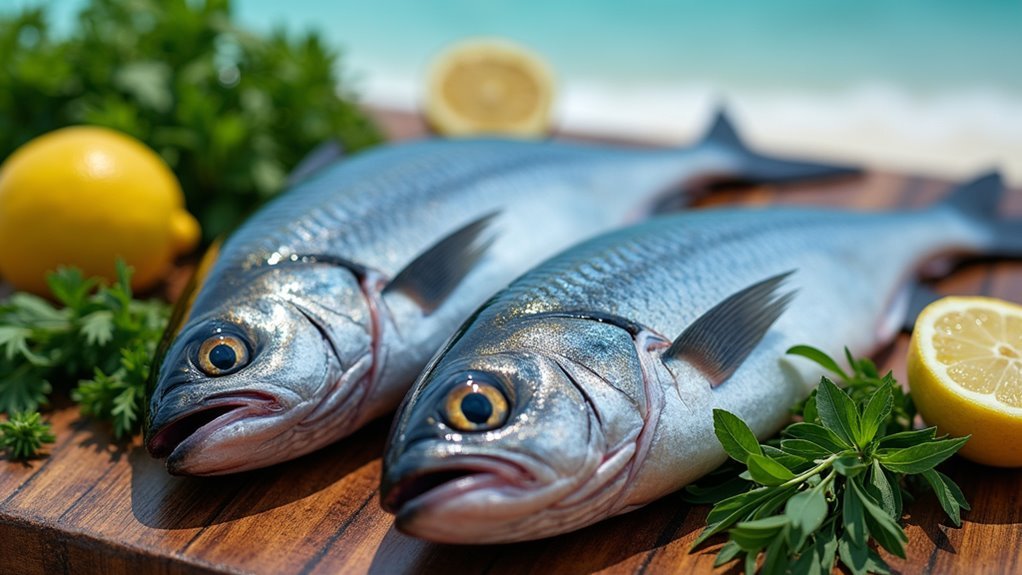
When you’re deciding between wild and farmed fish for optimal brain health, the nutritional differences become crucial factors in your choice.
Wild-caught fish delivers superior omega-3 fatty acids, which are essential for optimal brain function. Their natural diet of algae and plankton creates a richer nutritional profile compared to farmed fish.
Wild fish’s natural algae and plankton diet creates a superior omega-3 profile essential for optimal brain function.
You’ll find that farmed fish contains 46% more calories due to higher fat content from controlled feeding practices, but this doesn’t translate to better brain health benefits.
Additionally, farmed salmon shows elevated levels of persistent organic pollutants, potentially creating health risks.
While both options provide brain-supporting nutrients, wild fish consistently offers better omega-3 ratios and fewer contaminants for your calorie content investment.
Omega-3 Fatty Acids: The Brain Health Powerhouse
When you’re choosing between wild and farmed fish, you’re fundamentally deciding between different omega-3 profiles that directly impact your brain’s performance.
Wild-caught varieties typically deliver higher concentrations of DHA and EPA—the two most vital omega-3 fatty acids that build your brain cell membranes and fuel cognitive function.
These powerhouse nutrients don’t just maintain your brain’s structure; they actively enhance memory, mood, and mental clarity while protecting against neurological decline.
Wild Vs Farmed Sources
Since the type of fish you choose directly impacts your brain’s nutritional intake, understanding the omega-3 differences between wild and farmed varieties becomes essential for ideal cognitive health.
Wild-caught salmon delivers superior neuroprotective benefits through higher omega-3 fatty acids from their natural algae and plankton diet, while farmed salmon contains more omega-6 fatty acids that don’t support cognitive function as effectively.
Key nutritional differences include:
- Wild salmon provides more EPA and DHA omega-3s that reduce neurodegenerative disease risk
- Farmed salmon carries higher contaminant levels due to controlled feeding practices
- Wild varieties support enhanced brain development in children and mood stabilization
You’ll maximize brain health by choosing wild-caught options over farmed alternatives, ensuring peak omega-3 intake for long-term cognitive protection.
DHA and EPA Benefits
The powerhouse duo of DHA and EPA serves as your brain’s primary fuel for peak cognitive performance and long-term neurological protection.
These omega-3 fatty acids directly enhance your cognitive function by increasing gray matter volume, improving memory formation, and accelerating learning capabilities.
When you consume adequate DHA and EPA, you’ll experience improved mood regulation and reduced depression symptoms while building stronger defenses against neurodegenerative diseases.
Wild-caught salmon delivers higher DHA concentrations than farmed salmon due to its natural algae-rich diet, making it your superior choice for brain health optimization.
Regular omega-3 intake doesn’t just benefit your mind—it simultaneously promotes heart health, creating extensive protection for your cardiovascular system.
You’ll maximize these benefits by choosing quality sources and maintaining consistent consumption patterns.
Optimal Brain Function Support
Although your brain comprises only 2% of your body weight, it consumes roughly 20% of your daily energy—and omega-3 fatty acids provide the premium fuel it craves for peak performance.
Wild salmon delivers superior brain function support compared to farmed salmon due to its ideal fatty acid profile from natural seafood diets.
These omega-3 powerhouses fuel cognitive development and mental well-being through:
- Enhanced neurocognitive development – Supporting memory formation and learning capabilities
- Improved mood regulation – Reducing depression symptoms and stabilizing emotions
- Neuroprotective effects – Defending against age-related cognitive decline and neurodegenerative diseases
Research consistently shows that choosing omega-3-rich seafood, particularly wild-caught varieties, maximizes your brain’s potential.
When you’re selecting fish for cognitive health, wild salmon’s naturally higher EPA and DHA concentrations make it the superior choice for sustained brain function enhancement.
Mercury and Contaminant Levels in Wild Versus Farmed Fish
When you’re weighing the brain health benefits of wild versus farmed fish, mercury and contaminant levels become crucial factors in your decision.
Wild-caught salmon typically contains lower mercury levels compared to other fish species, while farmed salmon faces different contamination challenges. Farmed salmon historically showed higher exposure to persistent organic pollutants, though improved feed practices have reduced these levels recently.
You’ll find that wild salmon, particularly Pacific varieties, contains lower dioxin levels—compounds linked to neurotoxic effects that can harm brain health.
However, farmed salmon may contain higher saturated fats, artificial colors, and antibiotics. Both options generally fall below FDA concern levels for contaminants, but understanding these differences helps you maximize the health benefits while minimizing potential risks to your cognitive function.
How Wild Fish Diet Impacts Cognitive Benefits

Beyond contamination concerns, wild fish offer superior cognitive benefits through their natural feeding patterns. When you choose wild fish, you’re getting higher levels of omega-3 fatty acids that directly support brain health.
Their diet of algae and plankton creates an exceptional nutritional profile rich in DHA and EPA, the most beneficial forms of omega-3s for cognitive function.
Wild fish naturally consume algae and plankton, delivering concentrated DHA and EPA omega-3s that optimize brain function and cognitive performance.
The cognitive benefits you’ll gain from wild fish include:
- Enhanced memory and learning capabilities from superior DHA concentrations
- Improved mood regulation and reduced neurodegenerative disease risk
- Better brain development support, especially essential during pregnancy and childhood
Studies demonstrate that mothers consuming wild fish during pregnancy had children with higher IQs.
You’ll find that wild fish consistently deliver more potent cognitive benefits while containing fewer contaminants than farmed alternatives.
Farm-Raised Fish Feed and Its Effect on Brain-Boosting Nutrients
While farm-raised fish might seem like a convenient option, their processed feed considerably compromises brain-boosting nutrients. You’ll find that farm-raised fish receive diets designed for rapid growth rather than ideal nutritional quality. This feed composition creates higher omega-6 levels while reducing beneficial omega-3 fatty acids essential for brain health.
| Wild Fish | Farm-Raised Fish |
|---|---|
| Natural varied diet | Processed feed |
| Higher omega-3s | Lower omega-3s |
| Minimal pollutants | Contains POPs |
| Natural nutrients | Artificial additives |
| Consistent quality | Variable nutrition |
The feed often contains persistent organic pollutants that can negatively impact cognitive function. Additionally, artificial colorants and nutrients added to enhance appearance don’t translate to better brain-boosting nutrients. Since nutritional content fluctuates based on specific feed quality, you’re getting inconsistent benefits compared to wild fish.
Persistent Organic Pollutants and Their Impact on Neurological Health

When you’re choosing between wild and farmed fish, you’ll want to understand how persistent organic pollutants like PCBs and dioxins can damage your brain and nervous system.
These toxins accumulate in fish tissue and can impair your cognitive function, trigger mood disorders, and harm children’s developing brains when consumed regularly.
You can protect yourself by selecting fish with lower contaminant levels and staying informed about safety certifications and sourcing practices.
POPs Brain Damage Risk
Persistent organic pollutants (POPs) like PCBs and dioxins pose a serious threat to your brain health, particularly if you’re pregnant or feeding fish to young children.
These neurotoxic compounds can cause significant brain damage and impair cognitive development.
Research shows farmed salmon typically contains higher POP levels than wild salmon due to their diet and farming conditions.
When you’re exposed to elevated concentrations, you face increased risks of:
- Reduced IQ and impaired cognitive function
- Higher likelihood of neurodevelopmental disorders in children
- Long-term neurological complications from fetal exposure
While most fish remain below FDA concern levels, choosing sustainably sourced options helps minimize POP accumulation in the food chain.
You’ll protect your neurological health by selecting wild-caught fish from cleaner waters and supporting sustainable fishing practices that reduce environmental contamination.
Toxin Exposure Prevention
Although you can’t completely eliminate toxin exposure from fish consumption, you can dramatically reduce your risk by making informed choices about which fish you eat and how you prepare them.
Choose wild-caught salmon over farmed varieties, as they typically contain lower concentrations of persistent organic pollutants that pose health risks to brain health. Remove the skin and fatty portions where contaminants accumulate most heavily.
Consider environmental factors when selecting fish sources, as pollution affects both wild and farmed options differently. Support sustainable fishing practices that minimize contamination in aquatic ecosystems.
While FDA guidelines indicate most fish fall below concern levels, regular consumption of heavily contaminated fish can still contribute to neurological issues over time, making informed selection essential for long-term brain protection.
Best Wild Fish Species for Optimal Brain Function
If you’re seeking the most potent brain-boosting benefits from wild fish, certain species stand out as nutritional powerhouses that can greatly enhance your cognitive function.
Wild-caught salmon, particularly Pacific varieties like sockeye and king, deliver exceptional levels of DHA that support healthy brain development and may reduce neurodegenerative disease risk.
Three top wild fish choices for peak brain health include:
- Salmon – Rich in omega-3 fatty acids and DHA for superior cognitive function
- Sardines – Packed with omega-3s and vitamin D to enhance mood and mental performance
- Mackerel – Excellent source of brain-boosting nutrients linked to improved memory
These nutritional champions offer superior omega-3 profiles compared to farmed alternatives, helping you combat cognitive decline while supporting overall mental well-being through their rich, natural nutrient content.
Evaluating Sustainability Certifications for Healthier Choices
When you’re selecting fish for ideal brain health, sustainability certifications serve as your guide for steering through both environmental responsibility and nutritional quality.
Look for the Marine Stewardship Council (MSC) label on wild-caught fish, which guarantees responsible fishing practices that maintain healthy fish populations. For farmed options, seek Aquaculture Stewardship Council (ASC) certification, ensuring strict environmental standards during production.
These sustainability certifications reduce your exposure to contaminants linked with unsustainable practices, directly supporting brain health.
Third-party certifications also provide traceability, letting you verify your seafood’s source and environmental impact. By choosing certified options, you’re making healthier choices while supporting responsible fishing methods that benefit ocean ecosystems and encourage industry-wide improvements in seafood production standards.
Safe Consumption Guidelines for Maximizing Brain Health Benefits
To maximize brain health benefits from fish consumption, you’ll need to follow specific guidelines that balance omega-3 intake with contaminant exposure. Aim for at least two servings of fatty fish weekly to optimize omega-3 fatty acids for cognitive function. Wild-caught salmon typically contains higher omega-3 levels and fewer contaminants than farm-raised alternatives.
Consume at least two servings of fatty fish weekly, prioritizing wild-caught salmon for optimal omega-3 levels and cognitive benefits.
Follow these safe consumption guidelines:
- Choose fish with sustainability certifications like Marine Stewardship Council (MSC) for wild-caught or Aquaculture Stewardship Council (ASC) for responsibly farmed options.
- Limit high-mercury fish such as swordfish and king mackerel, especially if you’re pregnant or feeding young children.
- Prepare fish by grilling, baking, or steaming without excessive oils to preserve omega-3 content and brain health benefits.
These practices guarantee you’re maximizing nutritional value while minimizing harmful exposure.
Storage and Preparation Methods to Preserve Cognitive Nutrients
Proper storage and preparation techniques directly impact how much cognitive benefit you’ll actually receive from your fish purchases. Store fresh fish in your refrigerator’s coldest section and consume within two days to preserve omega-3 fatty acids. For extended storage, freeze fish in vacuum-sealed bags for up to three months without nutrient loss.
Your cooking methods matter greatly for brain health. Choose grilling, baking, or steaming over high-heat frying to retain cognitive nutrients. Don’t overcook fish beyond 145°F internal temperature, as excessive heat degrades essential omega-3 fatty acids.
Freshness directly correlates with nutrient potency, so prioritize quality storage. Enhance your fish’s brain-boosting potential by pairing it with antioxidant-rich vegetables and herbs during preparation. These complementary ingredients work synergistically with omega-3s to maximize cognitive benefits.
Making Cost-Effective Decisions for Long-Term Brain Health
While wild-caught fish commands premium prices, you’ll maximize your brain health investment by understanding which varieties deliver the greatest cognitive returns per dollar spent.
Smart seafood selection maximizes brain health benefits per dollar, making strategic fish choices essential for cost-effective cognitive investment.
Wild-caught options contain higher omega-3 fatty acids levels, while farmed fish often disrupts the omega-3 to omega-6 balance due to their feed composition.
To optimize your brain health budget:
- Mix wild and responsibly farmed options to maintain consistent essential nutrients intake without breaking the bank
- Prioritize sustainability certifications like MSC or ASC, which indicate better nutritional profiles and farming practices
- Focus on variety over exclusivity to guarantee thorough cognitive function support
Regular seafood consumption represents a cost-effective long-term investment, linked to improved cognitive function and reduced neurodegenerative diseases risk, making strategic fish choices worthwhile for sustained brain health.
Frequently Asked Questions
Can Pregnant Women Safely Eat Wild Fish for Brain Development?
You can safely eat certain wild fish during pregnancy for brain development, but you’ll need to choose low-mercury varieties like wild salmon, sardines, and anchovies while avoiding high-mercury fish completely.
Do Fish Oil Supplements Work as Well as Eating Whole Fish?
You’ll get some benefits from fish oil supplements, but they can’t replicate whole fish’s complete nutritional profile. Fresh fish provides protein, vitamins, and minerals that supplements don’t contain.
How Often Should Children Eat Fish for Optimal Brain Development?
You should give children fish twice weekly for ideal brain development. Choose low-mercury options like salmon, sardines, or trout. Start with small portions around age six months, gradually increasing serving sizes as they grow.
Are There Vegetarian Alternatives That Provide Similar Brain Health Benefits?
You’ll find excellent brain-boosting alternatives in walnuts, flaxseeds, chia seeds, and algae-based omega-3 supplements. These provide essential fatty acids that support cognitive function, memory, and neural development just like fish does.
Does Cooking Method Affect the Brain-Boosting Properties of Fish?
Yes, cooking method greatly impacts fish’s brain benefits. You’ll preserve more omega-3s by baking, steaming, or poaching rather than frying. High-heat methods can destroy delicate fatty acids that support cognitive function.


Leave a Reply