

You’ll greatly reduce your dementia risk by consuming wild-caught fatty fish like salmon, herring, and sardines at least twice weekly. These omega-3 powerhouses deliver up to 2,000 mg of brain-protective DHA and EPA per serving, which reduce inflammation and strengthen vascular health. Wild-caught varieties contain higher omega-3 concentrations and lower mercury levels than farmed fish, making them superior for cognitive protection. Discover exactly how these specific fish species create lasting brain benefits below.
The Science Behind Fish and Brain Health

While researchers have long suspected a connection between diet and cognitive health, mounting scientific evidence now confirms that wild-caught fish consumption considerably reduces your risk of developing dementia.
The key lies in omega-3 fatty acids, particularly EPA and DHA, which act as powerful neuroprotective agents in your brain.
When you consume fatty fish regularly, DHA directly maintains your neuronal health by reducing harmful inflammation and enhancing brain cell survival.
Studies reveal that eating at least two servings weekly considerably reduces vascular brain abnormalities linked to cognitive decline and dementia.
Regular consumption of fatty fish twice weekly significantly decreases brain vessel damage associated with memory loss and dementia development.
The omega-3s improve your brain’s vascular health while reducing oxidative stress.
Additionally, increased DHA intake boosts brain-derived neurotrophic factor levels, which preserves cognitive function and creates a protective barrier against dementia-related symptoms.
How Omega-3 Fatty Acids Protect Against Cognitive Decline
Although your brain weighs only about three pounds, it contains roughly 60% fat, making the quality of fats you consume vitally important for cognitive protection.
Omega-3 fatty acids, particularly EPA and DHA from fatty fish, actively maintain brain integrity and greatly reduce your risk of cognitive decline and dementia.
When you consume adequate DHA, it competes with arachidonic acid, reducing harmful brain inflammation that contributes to neurodegenerative diseases.
Regular omega-3 intake improves your brain’s vascular health, which is essential for preventing cognitive deterioration.
Studies consistently show that higher omega-3 consumption correlates with lower Alzheimer’s rates.
You’ll need approximately 200 mg of DHA daily to lower dementia risk effectively—more than double the current U.S. average of 80 mg.
Wild-Caught vs. Farmed Fish for Maximum Brain Benefits

When you’re choosing fish for brain health, you’ll find that wild-caught varieties consistently contain higher concentrations of omega-3 fatty acids compared to their farmed counterparts.
You’ll also need to take into account mercury contamination levels, which can vary greatly between wild and farmed fish depending on their source and diet.
Additionally, you should factor in sustainability and availability concerns that affect both your access to these brain-boosting foods and their long-term environmental impact.
Omega-3 Concentration Differences
Since omega-3 fatty acids serve as your brain’s primary defense against cognitive decline, the source of your fish matters more than you might expect.
Wild-caught fish deliver superior omega-3 concentrations with better ratios of beneficial fats compared to their farmed counterparts.
Consider these important differences:
- Wild herring and mackerel contain minimal contamination levels while maximizing nutrient density for your brain.
- You’ll get a more favorable omega-3 to omega-6 ratio from wild-caught species, reducing inflammation.
- Wild-caught fish support better vascular health in your brain, directly lowering Alzheimer’s disease risk.
- Choosing wild sources means you’re getting nature’s best fatty acid profile without artificial enhancement.
When you prioritize wild-caught fish, you’re investing in your brain’s long-term protection against dementia while supporting sustainable fishing practices.
Mercury Contamination Levels
Mercury contamination poses a serious threat to the very brain benefits you’re seeking from fish consumption. Wild-caught fish consistently show lower mercury contamination levels compared to their farmed counterparts, making them superior choices for protecting brain health while maximizing omega-3 fatty acids intake.
| Fish Type | Mercury Level | Wild/Farmed | Brain Safety |
|---|---|---|---|
| Sardines | Very Low | Wild | Excellent |
| Herring | Low | Wild | Excellent |
| Salmon | Low-Moderate | Wild | Good |
| Farmed Salmon | Moderate | Farmed | Fair |
| Large Tuna | High | Wild | Poor |
Smaller wild-caught species accumulate less mercury since they’re lower on the food chain. Studies reveal that high mercury levels can actually negate omega-3’s cognitive benefits, emphasizing why you should prioritize wild-caught varieties for ideal dementia prevention.
Sustainability and Availability
Although choosing wild-caught fish provides superior brain benefits, you must consider whether these choices remain sustainable and available for long-term cognitive protection.
Wild-caught fish like salmon and sardines contain higher omega-3 fatty acids than farmed varieties, making them more effective for dementia prevention. However, your dietary choices directly impact marine ecosystems and future availability.
Sustainable fishing practices guarantee:
- Your brain stays protected – Wild-caught fish deliver essential DHA your mind desperately needs
- Future generations won’t suffer – Responsible choices preserve omega-3 sources for your children’s cognitive health
- Ocean ecosystems survive – Your purchasing decisions prevent devastating environmental collapse
- Fish populations recover – Supporting sustainability means continued access to life-saving nutrients
Top Wild-Caught Fish Species for Dementia Prevention
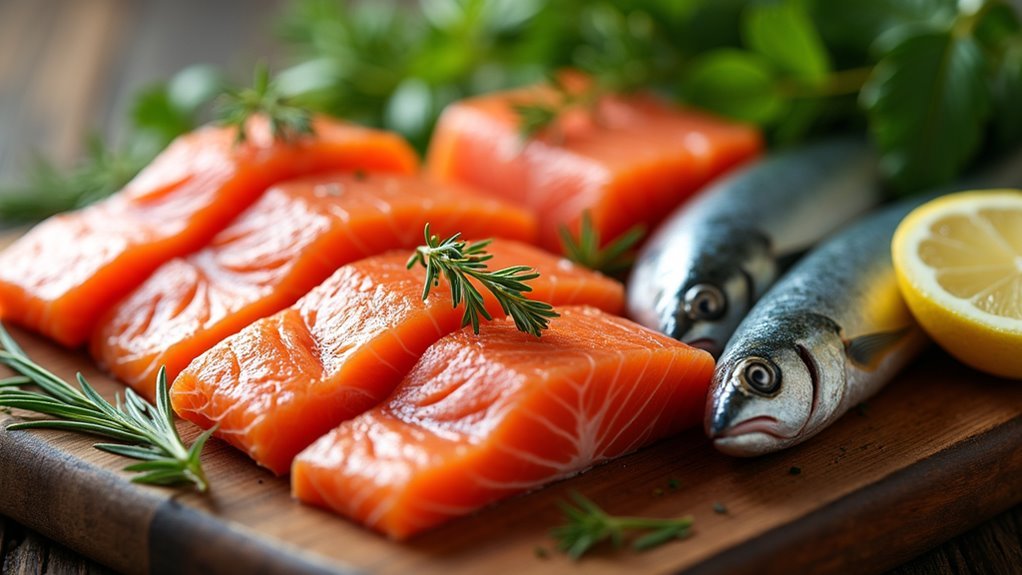
When you’re looking to protect your brain health through diet, certain wild-caught fish species stand out as nutritional powerhouses for dementia prevention.
Herring tops the list, delivering approximately 909 mg of EPA and 1,100 mg of DHA per 100-gram serving, making it one of the richest sources of omega-3 fatty acids among wild-caught fish options.
Sardines offer excellent convenience and cognitive benefits, providing about 473 mg of EPA and 509 mg of DHA per 100 grams, plus heart-healthy nutrients that support brain vascular health.
Salmon and mackerel are also stellar choices, packed with brain-protective omega-3s that reduce dementia risk.
Even tuna, though lower in omega-3 content, provides valuable DHA and remains an accessible option for enhancing your cognitive function through regular consumption.
Research Studies Linking Fish Consumption to Reduced Alzheimer’s Risk
You’ll find compelling evidence in research linking fish consumption to reduced Alzheimer’s risk, starting with a French study of 1,623 participants aged 65 and older.
The research reveals that eating fish at least twice weekly cuts your risk markedly – only 23% of regular fish eaters showed high vascular brain abnormalities compared to 31% of non-fish eaters.
These findings highlight how omega-3 fatty acids create protective mechanisms in your brain while improving vascular health that’s vital for preventing cognitive decline.
French Study Findings
While many studies have examined the connection between diet and brain health, an extensive French study provides particularly compelling evidence for fish consumption’s protective effects against dementia. Researchers tracked 1,623 individuals aged 65 and older, discovering that eating at least two servings of fish weekly considerably reduced dementia risk compared to non-fish eaters.
The MRI findings reveal striking differences:
- Only 23% of regular fish eaters showed high vascular brain abnormalities versus 31% of non-fish consumers
- You’re protecting critical brain blood vessels that prevent cognitive decline
- Your brain’s receiving essential omega-3 fatty acids that combat Alzheimer’s symptoms
- You’re making a simple dietary swap that could preserve your memories for years
This research suggests you can actively defend your cognitive future by choosing fish over red meat regularly.
Omega-3 Protection Mechanisms
Beyond the French study’s compelling population data, researchers have identified the specific biological pathways through which omega-3 fatty acids shield your brain from Alzheimer’s disease.
DHA, the most critical omega-3 for brain function, directly competes with arachidonic acid in your neural tissue. This competition reduces harmful inflammation that damages brain cells and accelerates cognitive decline.
When you maintain adequate DHA levels, you’re supporting brain cell survival and preserving neural connections essential for memory formation. Studies demonstrate that higher DHA concentrations in your bloodstream correlate with markedly lower Alzheimer’s risk.
The mechanism works by strengthening vascular health in your brain, reducing abnormalities that precede dementia. This protection occurs when you consume at least 200 mg of omega-3s daily, safeguarding your cognitive health through measurable biological processes.
Vascular Health Benefits
When researchers examined the connection between fish consumption and brain health, they discovered that eating fish at least twice weekly dramatically reduces vascular abnormalities in your brain.
Studies show only 23% of people eating two to three fish servings had high vascular brain abnormalities, compared to 31% of non-fish eaters.
Your vascular health directly impacts Alzheimer’s risk since poor circulation commonly causes dementia. Fish consumption strengthens your brain’s blood vessels while you’re in midlife, creating lasting protection.
Consider these compelling benefits:
- Heart-healthy substitution – Replace saturated fat-heavy red meat with brain-protecting fish
- Reduced inflammation – Combat vascular damage that leads to cognitive decline
- Enhanced circulation – Improve blood flow to critical brain regions
- Mixed dementia prevention – Protect against multiple types of cognitive impairment simultaneously
Optimal Serving Sizes and Frequency for Brain Protection
Since your brain’s health depends heavily on consistent omega-3 intake, you’ll want to aim for at least two servings of wild-caught fatty fish per week to maximize cognitive protection.
Each 100-gram serving of salmon delivers approximately 862 mg of EPA and 1,100 mg of DHA, providing substantial brain-boosting nutrients. You’ll greatly reduce vascular brain abnormalities by maintaining this two-to-three serving weekly frequency compared to avoiding fish entirely.
To lower dementia risk effectively, you should target around 200 mg of omega-3s daily through your diet.
Wild-caught varieties like salmon, mackerel, and sardines offer the highest concentrations of these essential fatty acids. This consistent consumption pattern not only supports your cognitive health but also enhances your overall dietary diversity for long-term well-being.
Wild-Caught Fish as Anti-Inflammatory Brain Food
Although inflammation in your brain can silently contribute to cognitive decline, wild-caught fish serves as a powerful ally in combating this destructive process. The omega-3 fatty acids EPA and DHA found in fatty varieties like salmon and sardines actively reduce inflammatory proteins that threaten your cognitive health.
Your brain benefits from wild-caught fish’s anti-inflammatory power through:
- Reduced brain inflammation that directly combats Alzheimer’s disease progression
- Enhanced vascular health protecting your brain’s delicate blood vessel network
- Decreased oxidative stress that preserves vital brain cell integrity
- Improved mental clarity from reduced inflammatory damage over time
Just two weekly servings provide substantial protection against dementia-related brain abnormalities while strengthening your brain’s natural defense systems against cognitive decline.
Sustainable Fishing Practices and Brain Health Benefits
As you prioritize brain health through wild-caught fish consumption, choosing sustainably sourced seafood creates a powerful synergy between personal wellness and environmental stewardship. Sustainable fishing practices guarantee continued access to omega-3-rich species like salmon and sardines that protect against cognitive decline.
| Sustainable Choice | Brain Health Impact |
|---|---|
| Wild-caught salmon | High DHA/EPA for memory protection |
| Sustainably harvested sardines | Reduces dementia risk factors |
| Responsibly sourced mackerel | Supports cognitive function |
| Certified sustainable tuna | Maintains omega-3 fatty acids intake |
When you select sustainably caught fish, you’re protecting marine ecosystems that provide these cognitive benefits. This approach combats overfishing while preserving fish populations rich in omega-3 fatty acids. Your choices today guarantee future generations can access the same brain-protective nutrients, making sustainable fishing practices essential for long-term brain health and environmental conservation.
Incorporating Wild-Caught Fish Into Your Weekly Diet
When you commit to eating two servings of wild-caught fish weekly, you’ll create a practical foundation for cognitive protection that fits seamlessly into your meal planning routine.
Choose salmon, sardines, herring, or mackerel to maximize omega-3 fatty acids while supporting your brain health goals.
Transform your weekly menu with these sustainable choices:
Transform your weekly menu with delicious, brain-boosting wild-caught fish that supports both cognitive health and environmental sustainability.
- Grilled salmon dinners that nourish your mind while protecting ocean ecosystems
- Sardine-topped salads packed with DHA and EPA for enhanced cognitive function
- Pan-seared mackerel delivering powerful nutrients your brain craves for long-term protection
- Herring breakfast bowls offering low-contamination, high-nutrition fuel for mental clarity
You’ll discover that incorporating wild-caught fish doesn’t just benefit your cognitive future—it creates delicious, varied meals that support both personal wellness and environmental sustainability through responsible seafood choices.
Frequently Asked Questions
What Fish Is Good for Dementia?
You’ll benefit most from fatty fish like salmon, mackerel, herring, and sardines. They’re packed with omega-3 fatty acids that reduce brain inflammation and support cognitive health, potentially lowering your dementia risk considerably.
What Is the Safest Wild Caught Fish to Eat?
You’ll find the safest wild-caught fish include sardines, herring, and Alaskan salmon. They’re low in mercury and contaminants while providing essential omega-3s. Choose MSC-certified options for environmental responsibility.
Which Fish Is Good for Brain Memory?
You’ll boost brain memory with salmon, mackerel, and sardines. These fatty fish contain high DHA levels that enhance cognitive function, protect brain cells, and reduce inflammation that damages memory pathways.
What Is the Number One Food That Fights Dementia?
Fatty fish like wild-caught salmon, mackerel, and sardines top the list as dementia-fighting foods. You’ll get essential omega-3s, particularly DHA, which protects your brain cells and reduces inflammation that causes cognitive decline.


Leave a Reply