
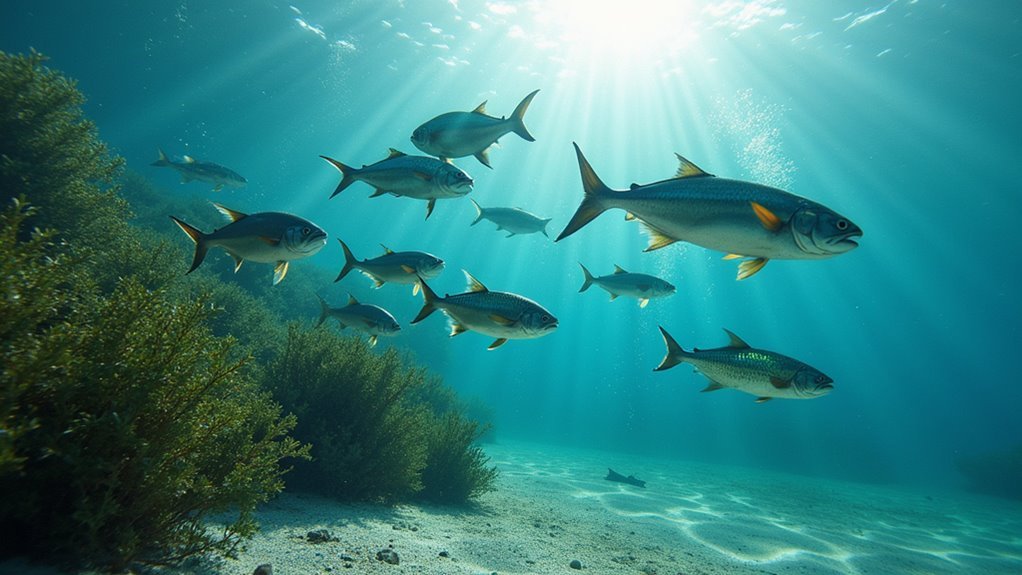
Wild fish packs powerful brain-boosting compounds that’ll supercharge your cognitive function. You’re getting omega-3 fatty acids DHA and EPA, which maintain brain cell structure and fight inflammation. Astaxanthin, the compound giving salmon its pink color, crosses your blood-brain barrier to protect against oxidative damage. These marine nutrients enhance memory, processing speed, and protect against Alzheimer’s. Wild varieties contain up to ten times more of these compounds than farmed fish, making them your brain’s best nutritional ally for discovering ideal cognitive enhancement strategies.
The Omega-3 Powerhouse: DHA and EPA in Wild Fish

When it comes to brain health, wild fish stand out as nature’s most potent source of omega-3 fatty acids, particularly DHA and EPA.
These essential compounds work differently to support your cognitive function. DHA maintains your neuronal membrane structure, ensuring brain cells communicate efficiently. Meanwhile, EPA acts as your brain’s anti-inflammatory guardian, protecting against neuroinflammation that can damage neural tissue.
You’ll find the highest concentrations of these omega-3 fatty acids in wild varieties like salmon and sablefish.
Regular consumption directly impacts your cognitive performance, improving memory retention and information processing speed. Research shows higher blood levels of DHA correlate with larger brain volumes and better cognitive function across all ages, making wild fish an invaluable addition to your brain-healthy diet.
Astaxanthin: Nature’s Brain-Protecting Antioxidant
You’ve likely noticed the vibrant pink-red color in wild salmon, which comes from astaxanthin—a powerful carotenoid that does far more than create beautiful hues.
This remarkable antioxidant crosses your blood-brain barrier and directly protects your neural tissues from oxidative damage while reducing inflammation that can impair cognitive function.
Wild-caught salmon, trout, and other fish accumulate astaxanthin from their natural diet of algae and krill, making them exceptional sources of this brain-protecting compound.
Astaxanthin’s Neuroprotective Mechanisms
Although antioxidants come in many forms, astaxanthin stands out as one of nature’s most potent brain protectors. This remarkable carotenoid works through multiple pathways to safeguard your cognitive function. It crosses the blood-brain barrier, delivering direct neuroprotection where you need it most.
| Mechanism | Brain Benefit |
|---|---|
| Antioxidant Action | Neutralizes harmful free radicals |
| Anti-inflammatory Effects | Reduces neuroinflammation |
| Blood Flow Enhancement | Improves oxygen delivery |
| Neuronal Support | Protects cell membranes |
You’ll find astaxanthin combats oxidative stress that damages neural cells while simultaneously reducing inflammation linked to Alzheimer’s and Parkinson’s diseases. It enhances blood circulation to your brain, ensuring ideal oxygen and nutrient delivery. This multi-pronged approach makes astaxanthin particularly effective at preserving memory and preventing age-related cognitive decline.
Wild Fish Sources
Understanding these protective mechanisms naturally leads to the question of where you can obtain this brain-boosting compound.
Wild salmon stands out as the richest source of astaxanthin, containing considerably higher levels than farm-raised varieties. You’ll also find substantial amounts in wild trout, red snapper, and Arctic char. These fatty fish naturally accumulate astaxanthin through their diet of algae and krill, giving them their distinctive pink-red coloration.
The key difference lies in choosing wild-caught over farmed fish. Wild species contain up to ten times more astaxanthin due to their natural feeding habits.
For prime brain health benefits, you should aim to consume these wild fatty fish at least twice weekly. This regular intake guarantees you’re getting therapeutic levels of astaxanthin to support your cognitive function.
How Wild Fish Compounds Build and Repair Brain Cells
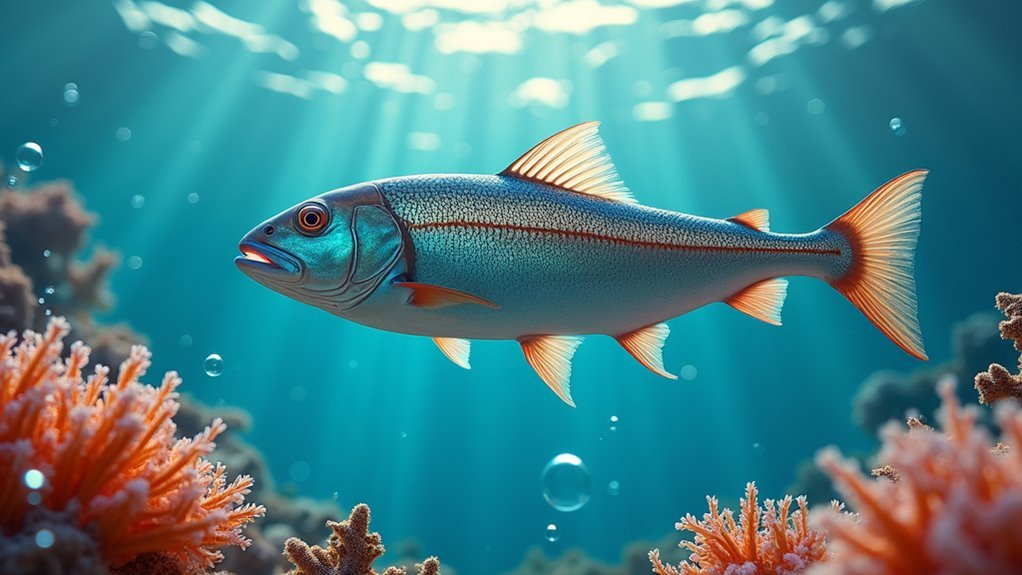
Wild fish contain powerful compounds that actively construct and restore your brain’s cellular architecture. When you consume omega-3 fatty acids from wild salmon and similar species, you’re providing essential DHA that builds and repairs brain cell membranes while optimizing neuronal function for enhanced cognitive health.
These remarkable compounds work through multiple mechanisms:
- Enhanced Neural Networks – Omega-3s improve communication efficiency between brain cells, boosting your cognitive performance and mental clarity.
- Cellular Protection – Astaxanthin and other unique compounds shield neural cells from damage while reducing harmful inflammation and oxidative stress.
- Structural Support – Regular consumption increases brain volume, demonstrating measurable protection of your brain’s physical structure and long-term neurological integrity.
Fighting Inflammation With Marine-Derived Nutrients
Your brain constantly battles inflammation that can damage neural pathways and impair cognitive function.
Wild fish provide two powerful anti-inflammatory allies: EPA omega-3s that actively suppress inflammatory markers throughout your body, and astaxanthin that shields your brain cells from oxidative damage.
These marine-derived compounds work together to create a protective barrier against the inflammatory processes that threaten your brain’s health and performance.
EPA’s Anti-Inflammatory Power
When chronic inflammation persists in your brain, it creates a destructive environment that accelerates cognitive decline and increases your risk of neurodegenerative diseases.
EPA from wild fish like salmon and sardines acts as your brain’s protective shield against this inflammatory damage.
This powerful omega-3 fatty acid doesn’t just reduce inflammation—it actively promotes healing through specialized molecules called resolvins and protectins.
Here’s how EPA transforms your brain health:
- Reduces inflammatory cytokines that damage neural pathways
- Enhances cognitive function by clearing inflammatory debris
- Supports neuroprotection through active inflammation resolution
Research consistently shows that higher EPA intake correlates with lower inflammation markers and improved mental clarity.
Astaxanthin Neural Protection
Beyond EPA’s inflammation-fighting capabilities, wild salmon and other marine fish deliver astaxanthin—a potent carotenoid that acts as your brain’s cellular bodyguard against oxidative damage.
This powerful antioxidant enhances cognitive performance by boosting blood flow to your brain, ensuring ideal neural function. Astaxanthin specifically targets neuroinflammation, a primary driver of neurodegenerative diseases that threaten your mental acuity over time.
You’ll benefit from astaxanthin’s ability to maintain healthy neuronal membranes, promoting efficient communication between brain cells.
This marine-derived nutrient fortifies your brain’s natural defenses against age-related cognitive decline. Regular consumption of astaxanthin-rich wild fish supports long-term cognitive health, helping you preserve sharp thinking and mental clarity throughout your lifetime.
Wild vs. Farmed: Which Fish Delivers Superior Brain Benefits
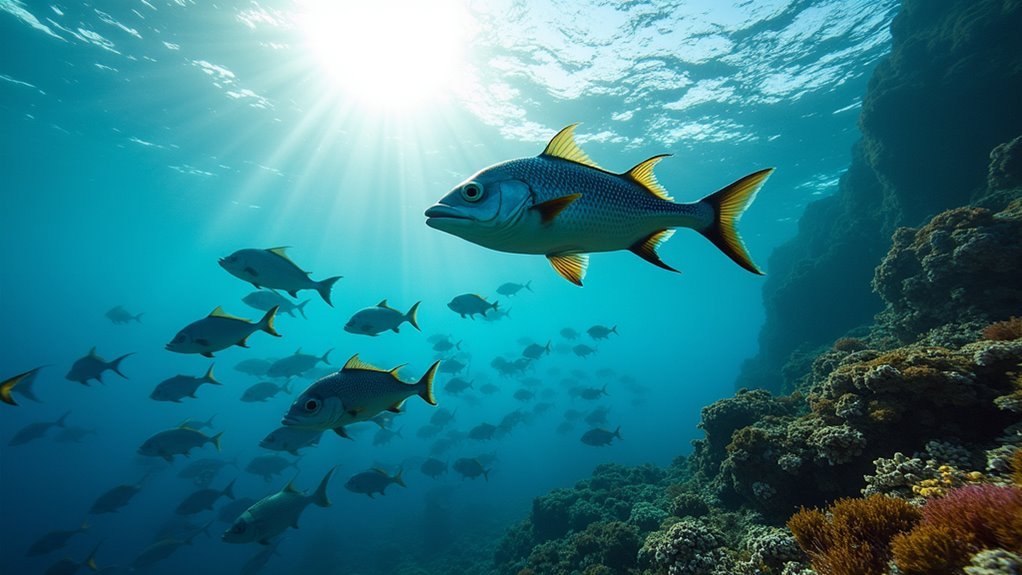
While both wild and farmed fish offer valuable nutrients, wild varieties consistently deliver superior brain-boosting compounds that can transform your cognitive health.
Wild salmon and sablefish contain markedly higher levels of omega-3 fatty acids (EPA and DHA) than their farmed counterparts, directly enhancing your cognitive function and brain structure.
Here’s why wild fish outperform farmed varieties:
- Higher omega-3 content – Wild fish’s natural diet creates richer concentrations of brain-essential fatty acids
- Superior fat composition – Varieties like Copper River King salmon provide ideal fat profiles for neural health
- Cleaner nutrient profile – Less exposure to contaminants and antibiotics that can compromise long-term brain health
Studies consistently show that consuming wild-caught fish leads to better brain function compared to primarily eating farmed fish, making wild varieties your best investment in cognitive wellness.
The Role of Essential Fatty Acids in Neural Network Function
Since your neural networks depend on specific building blocks to function at their finest, vital fatty acids like DHA and EPA serve as the architectural foundation that determines how effectively your brain cells communicate.
DHA forms the structural backbone of neuronal membranes, enabling ideal signal transmission between neurons. When you consume omega-3s regularly, you’re enhancing memory retention and processing speed while supporting healthier neural connections.
EPA provides significant anti-inflammatory protection that shields your brain from damage. Imaging studies reveal that people with higher omega-3 intake show superior brain structure compared to those with deficiencies.
Memory Enhancement Through Wild Fish Consumption
When you regularly consume wild fish, your brain receives a direct boost in memory-forming capabilities that becomes noticeable within weeks. The omega-3 fatty acids in fatty fish like salmon deliver DHA directly to your neural pathways, strengthening your ability to retain and recall information effectively.
Research demonstrates that memory enhancement occurs across all age groups through consistent wild fish consumption:
- Preschool children show improved memory retention and cognitive capabilities after just 16 weeks of regular salmon intake.
- Adults in their 40s and 50s experience protection against age-related cognitive decline and memory deterioration.
- Information processing speed and abstract reasoning abilities increase considerably with sustained consumption.
You’ll maximize these memory enhancement benefits by eating two 4-ounce servings of fatty fish weekly, ensuring ideal omega-3 fatty acids intake for sustained cognitive performance.
Protecting Against Age-Related Cognitive Decline
Beyond immediate memory improvements, wild fish consumption creates a protective shield against the cognitive deterioration that typically accompanies aging. When you regularly consume fatty fish like wild salmon, you’re delivering omega-3 fatty acids directly to your brain, where DHA maintains essential neural connections that preserve cognitive function.
| Age-Related Changes | Wild Fish Benefits |
|---|---|
| Memory decline | Enhanced retention |
| Slower processing | Improved speed |
| Neural degradation | Connection maintenance |
| Dementia risk | Protective effects |
| Alzheimer’s threat | Disease prevention |
Studies demonstrate that eating two 4-ounce servings weekly greatly enhances your cognitive capabilities across all age groups. You’ll experience better brain structure and function while reducing your risk of dementia and Alzheimer’s disease, making wild fish your brain’s long-term insurance policy.
Processing Speed and Focus: Wild Fish’s Impact on Mental Performance
While your brain processes thousands of thoughts daily, wild fish consumption can dramatically accelerate how quickly you handle information and maintain laser-sharp focus. The omega-3 fatty acids, particularly DHA found in fatty varieties like salmon, directly support your neural networks’ efficiency.
Research reveals compelling evidence for wild fish’s cognitive benefits:
- Imaging studies show regular fish eaters develop superior brain structures linked to enhanced processing speed.
- Preschool children demonstrate significant focus improvements after just 16 weeks of consistent omega-3 consumption.
- Adults across age groups experience measurable gains in mental performance and information processing capabilities.
You’ll optimize your cognitive function by eating two 4-ounce servings of wild fish weekly. This simple dietary change strengthens your brain’s ability to process information rapidly while protecting against age-related mental decline.
Neuroprotective Compounds Beyond Omega-3s
While omega-3s get most of the attention, wild fish pack several other compounds that directly protect your brain cells.
You’ll find astaxanthin providing powerful antioxidant defense for neural tissue, while selenium works alongside it to reduce harmful oxidative stress in your brain.
The high-quality protein in these fish supplies essential amino acids that your body uses to create neurotransmitters, keeping your mental communication systems running smoothly.
Astaxanthin’s Cognitive Protection
When you consume wild salmon and other fish, you’re getting more than just omega-3s—you’re also absorbing astaxanthin, a powerful carotenoid that acts as your brain’s cellular bodyguard.
This potent antioxidant crosses the blood-brain barrier, delivering direct neuroprotective benefits that shield your neural cells from oxidative stress and inflammation.
Astaxanthin offers remarkable cognitive protection through:
- Enhanced memory and learning – Research shows it actively improves your brain’s ability to form and retain memories.
- Anti-aging defense – It helps reduce cognitive decline associated with aging processes.
- Synergistic brain support – Combined with omega-3s, it creates amplified neuroprotective effects.
Your brain benefits from astaxanthin’s unique ability to penetrate neural tissue directly, making wild fish consumption a strategic choice for long-term cognitive health and resilience against neurodegenerative processes.
Selenium and Brain Health
Beyond omega-3s and astaxanthin, wild fish delivers selenium—a trace mineral that functions as your brain’s biochemical guardian against cellular damage. This powerful compound shields your neurons from oxidative stress and inflammation, primary culprits in neurodegenerative diseases.
When you consume wild salmon or sardines, you’re getting 40-70 micrograms of selenium per 100 grams, fueling your body’s production of glutathione peroxidase and other antioxidant enzymes.
Research shows adequate selenium levels enhance brain function and reduce cognitive decline risk, particularly as you age. Higher dietary intake correlates with improved mood and cognitive performance.
You’ll find selenium works synergistically with omega-3s, creating a thorough neuroprotective effect that supports long-term brain health and mental clarity.
Protein’s Neurotransmitter Support
Every bite of wild fish delivers complete proteins packed with amino acids that directly fuel your brain’s neurotransmitter production. When you consume wild fish, you’re feeding your brain essential building blocks like tryptophan and tyrosine—the precursors to serotonin and dopamine that regulate your mood and cognitive function.
This high-quality protein doesn’t just support neurotransmitter synthesis; it actively maintains and repairs your brain cells while promoting neurogenesis. The protein content also combats neuroinflammation, protecting against cognitive decline and neurodegenerative diseases.
- Tryptophan converts to serotonin, stabilizing your mood and emotional well-being
- Tyrosine produces dopamine, enhancing focus and cognitive performance
- Complete amino acid profiles support ideal neurotransmitter balance throughout your brain
You’ll experience improved mental clarity and emotional stability when wild fish protein becomes part of your regular diet.
Optimal Dosing: How Much Wild Fish Your Brain Needs
How much wild fish should you eat to maximize your brain’s potential? Research shows you need two 4-ounce servings weekly to support ideal cognitive health. This isn’t about quick fixes—consuming wild salmon and other omega-3 fatty acids rich fish works as a long-term maintenance plan for your brain’s health.
| Fish Type | Serving Size | Weekly Frequency | Omega-3 Content | Best Cooking Method |
|---|---|---|---|---|
| Copper River King | 4 ounces | 2x per week | Very High | Grilling |
| Sockeye Salmon | 4 ounces | 2x per week | Very High | Broiling |
| Coho Salmon | 4 ounces | 2x per week | High | Baking |
| Wild Alaskan Varieties | 4 ounces | 2x per week | High | Grilling/Baking |
| General Wild Fish | 4 ounces | 2x per week | Varies | Broiling/Grilling |
Regular intake enhances memory retention and processing speed at any age.
Cooking Methods That Preserve Brain-Boosting Nutrients
While you’re selecting the perfect wild fish for your brain health, the way you cook it determines whether those precious omega-3 fatty acids actually make it to your plate.
Your cooking method can make or break your fish’s brain-boosting nutrients. High-heat methods like boiling destroy these delicate compounds, while gentler approaches preserve their cognitive benefits.
Here’s how to maximize your fish’s nutritional value:
- Choose low-temperature methods like poaching, steaming, baking, or broiling to maintain DHA and EPA integrity
- Use minimal oil and seasoning to enhance flavor without overwhelming the natural omega-3 fatty acids
- Avoid smoking or curing as these processes alter the nutritional profile and reduce brain-boosting benefits
Fresh or frozen wild fish prepared with these techniques guarantees you’ll capture every brain-boosting nutrient nature intended.
Combining Wild Fish With Other Cognitive-Supporting Foods
Although wild fish provides exceptional brain-boosting nutrients on its own, you’ll amplify these cognitive benefits by strategically pairing it with other nutrient-dense foods that target different aspects of brain function.
Combining fatty fish with blueberries creates a powerful duo, as the flavonoids in berries improve neuron communication while enhancing cognitive performance.
Adding eggs to your fish meals increases choline intake, supporting acetylcholine production for better memory and learning.
Snacking on pumpkin seeds alongside your fish provides zinc, magnesium, and iron for improved mood regulation and nerve signaling.
Pairing fish with dark chocolate delivers brain-boosting flavanols that enhance blood flow and focus.
Cooking your fish with broccoli adds sulforaphane, reducing oxidative stress and supporting brain detoxification.
Frequently Asked Questions
What Is in Fish That Is Good for Your Brain?
Fish contains omega-3 fatty acids like DHA and EPA that you’ll need for healthy brain cell membranes and neural communication. You’ll also get astaxanthin, an antioxidant that protects your brain from oxidative damage.
Why Do I Feel Smarter After Eating Fish?
You’re experiencing improved mental clarity because omega-3 fatty acids from fish immediately enhance your brain’s neural communication. The DHA rapidly optimizes your cognitive function, making you feel sharper and more mentally alert.
What Is the Most Powerful Food for the Brain?
You’ll find wild fatty fish like salmon ranks as the most powerful brain food. It’s packed with DHA, EPA, and astaxanthin that boost memory, processing speed, and protect against cognitive decline effectively.
What Does Fish Brain Contain?
You’ll find fish brains contain high concentrations of DHA omega-3 fatty acids, phospholipids, and proteins that support neural function. They’re particularly rich in brain-specific nutrients that maintain membrane structure and neurotransmitter production.


Leave a Reply