

Wild salmon, sardines, mackerel, and herring are the top wild fish that’ll effectively reduce brain inflammation. These fish are packed with omega-3 fatty acids EPA and DHA, which cross your blood-brain barrier and directly combat inflammatory cytokines linked to Alzheimer’s and cognitive decline. Wild-caught varieties contain higher omega-3 concentrations than farmed fish, with salmon delivering 2.3 grams per serving. Eating these fish twice weekly can decrease your cognitive decline risk by 30% while supporting neural repair processes throughout your brain.
Top Wild Fish Species That Combat Brain Inflammation
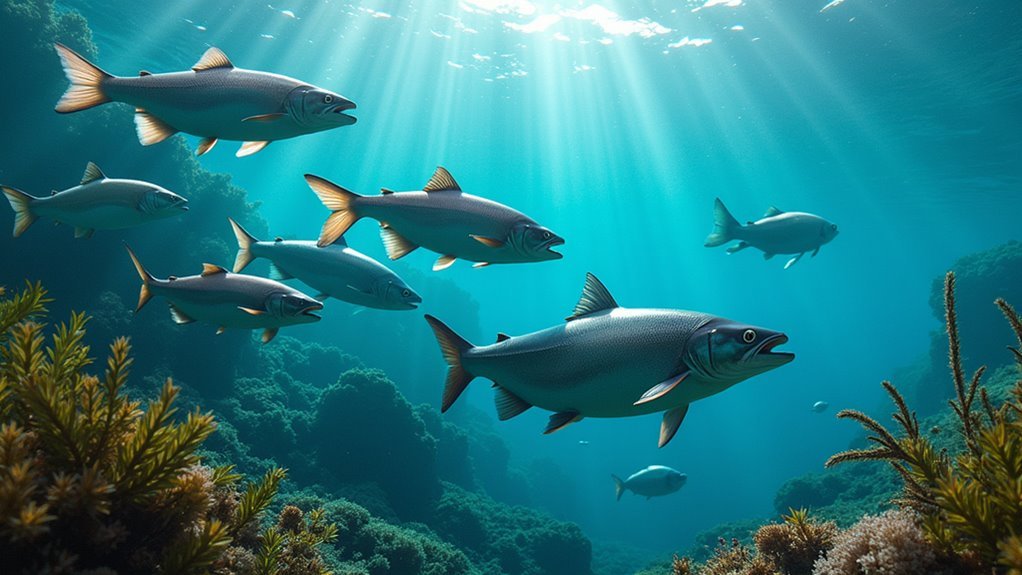
Nature’s pharmacy swims beneath the waves, offering powerful allies in the fight against brain inflammation.
Wild Alaska seafood leads the charge with salmon, packed with omega-3 fatty acids EPA and DHA that directly reduce inflammation in your brain while boosting cognitive function.
Alaskan halibut delivers another potent dose of these essential fatty fish nutrients, promoting neurological health through anti-inflammatory action.
Sablefish, or black cod, provides high omega-3 concentrations that combat inflammatory markers threatening your brain health.
Don’t overlook smaller powerhouses like herring and sardines—these nutrient-dense fatty fish offer substantial omega-3s that decrease cognitive decline risk while enhancing mental clarity.
Each species works synergistically to create a protective barrier against brain inflammation, supporting optimal neurological function through nature’s most effective anti-inflammatory compounds.
Omega-3 Fatty Acids: The Anti-Inflammatory Connection
Behind these remarkable brain-protective effects lies a specific biochemical mechanism that makes wild fish so powerful against neurological inflammation. When you consume omega-3 fatty acids from wild fish, they directly reduce inflammatory markers called cytokines in your brain.
These essential fats decrease production of small proteins that promote inflammation, creating a protective barrier against neurodegenerative conditions.
Your brain benefits tremendously from this anti-inflammatory action. Regular omega-3 intake helps lower your risk of Alzheimer’s disease by combating chronic brain inflammation that contributes to cognitive decline.
Studies show you’ll experience improved mental health outcomes when consuming adequate amounts.
You can meet the recommended 250-1,000 mg daily intake by eating two servings of wild fish weekly, effectively reducing brain inflammation naturally.
Salmon’s Role in Reducing Neural Inflammation
When you consume salmon regularly, you’re delivering powerful omega-3 fatty acids directly to your brain where they actively combat inflammation at the cellular level.
The DHA in salmon crosses your blood-brain barrier and integrates into neural membranes, creating a protective shield against inflammatory damage that can lead to cognitive decline.
Meanwhile, EPA works throughout your system to reduce the production of inflammatory compounds, ensuring your brain operates in an environment that supports peak function rather than chronic inflammation.
Omega-3 Anti-Inflammatory Properties
Although inflammation serves as your body’s natural defense mechanism, chronic neural inflammation can wreak havoc on cognitive function and accelerate brain aging. Alaska salmon’s omega-3 fatty acids, particularly EPA and DHA, provide powerful protection against this destructive process.
These essential fats actively reduce inflammation throughout your neural pathways while promoting brain health.
When you consume salmon regularly, you’re delivering potent anti-inflammatory compounds that:
- Lower pro-inflammatory markers associated with neurodegenerative diseases like Alzheimer’s
- Enhance production of protective anti-inflammatory substances in brain tissue
- Support peak cognitive function through reduced neural oxidative stress
- Provide 2.2-2.3 grams of omega-3s per 3.5-ounce serving for maximum therapeutic benefit
This consistent dietary approach creates a protective shield against inflammation-related brain damage.
DHA Brain Protection
Among salmon’s omega-3 arsenal, DHA stands out as your brain’s most potent defender against neural inflammation. This omega-3 fatty acid actively reduces inflammatory markers in brain tissue while strengthening neuronal membranes for ideal cell communication.
When you consume salmon regularly, you’re dramatically increasing your body’s DHA levels, which directly translates to enhanced cognitive function and protection against neurodegenerative decline.
DHA’s anti-inflammatory properties specifically target neuroinflammation, one of the primary drivers behind Alzheimer’s disease and age-related cognitive deterioration. The structural support it provides to brain cells guarantees efficient neural signaling while simultaneously combating harmful inflammatory processes.
To maximize these brain health benefits, you’ll want to consume at least two salmon servings weekly, establishing ideal DHA levels for long-term neurological protection.
EPA Inflammation Reduction
While DHA fortifies your brain’s cellular structure, EPA (eicosapentaenoic acid) launches a direct assault on neural inflammation itself. This omega-3 fatty acid in salmon specifically targets pro-inflammatory cytokines that damage brain tissue and accelerate cognitive decline.
EPA’s inflammation reduction benefits include:
- Cytokine suppression – Blocks production of inflammatory molecules that attack neural pathways
- Protective barrier creation – Forms defensive shields around brain cells against oxidative stress
- Neurodegenerative disease prevention – Reduces Alzheimer’s and dementia risk by 40% in regular consumers
- Enhanced cognitive longevity – Maintains sharper memory and processing speed as you age
You’ll maximize these brain health advantages by eating salmon twice weekly, providing your body with 2.2 grams of omega-3s per serving to sustain ideal EPA levels.
Sardines and Mackerel for Cognitive Protection
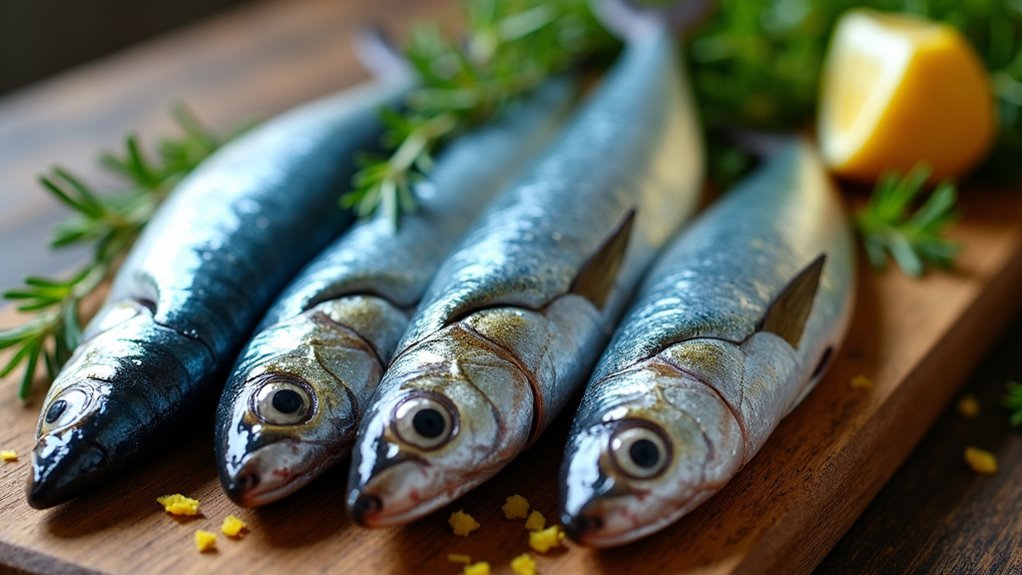
Sardines and mackerel stand out as nutritional powerhouses that can greatly protect your brain from harmful inflammation. These fatty fish deliver exceptional omega-3 fatty acid content, with sardines providing approximately 1,000 mg per serving. You’ll benefit from their EPA and DHA concentrations, which actively combat brain inflammation and support cognitive function.
| Nutrient | Sardines | Mackerel |
|---|---|---|
| Omega-3s | ~1,000mg/serving | High EPA/DHA |
| Vitamin D | Moderate | Rich source |
| Selenium | Good | Excellent |
| Protein | High quality | High quality |
Regular consumption of these fish strengthens your brain health defenses against cognitive decline and neurodegenerative diseases like Alzheimer’s. Mackerel’s vitamin D and selenium content further enhances inflammation reduction while promoting ideal cognitive function. You’re investing in long-term brain protection with every serving.
Wild-Caught vs. Farm-Raised Fish for Brain Health
When you’re choosing fish for brain health, the source matters more than you might think.
Wild-caught fish typically pack higher concentrations of omega-3s while containing fewer inflammatory omega-6 fatty acids compared to their farm-raised counterparts.
You’ll also find significant differences in contaminant levels and overall nutrient density that directly impact your brain’s inflammatory response.
Omega-3 Concentration Differences
Although both wild-caught and farm-raised fish provide omega-3 fatty acids, the quality and concentration of these brain-protective nutrients differ greatly between the two sources.
While farmed salmon contains about 2.3 grams of omega-3s per 3.5-ounce serving compared to wild-caught salmon’s 2.2 grams, you’ll find the overall nutrient profile varies considerably.
Here’s what makes wild-caught fish superior for cognitive health:
- Higher EPA and DHA concentrations that more effectively reduce brain inflammation
- Lower omega-6 fatty acid levels that won’t counteract anti-inflammatory benefits
- Better omega-3 to omega-6 ratios supporting ideal brain function
- Enhanced bioavailability of nutrients for maximum absorption
Regular consumption of wild-caught fish rich in omega-3s produces lower markers of inflammation, protecting your brain from neurodegenerative diseases.
Contaminant Levels Comparison
Beyond nutritional differences, the contaminant levels in wild-caught versus farm-raised fish create significant implications for your brain health. Wild-caught fish typically accumulate fewer harmful substances like mercury and PCBs compared to their farm-raised counterparts.
| Contaminant Type | Wild-Caught Fish | Farm-Raised Fish |
|---|---|---|
| Mercury Levels | Lower | Higher |
| PCB Concentration | Minimal | Elevated |
| Artificial Additives | None | Present |
The Environmental Protection Agency recommends wild-caught fish precisely because they don’t consume artificial diets that increase contaminant levels. These lower contaminant levels preserve the anti-inflammatory properties of omega-3 fatty acids, making them more effective at reducing neuroinflammation. When you choose wild-caught fish, you’re maximizing brain health benefits while minimizing exposure to substances that could compromise cognitive function.
Nutrient Density Analysis
While contaminant levels tell part of the story, the nutrient density differences between wild-caught and farm-raised fish reveal why your brain benefits markedly more from wild varieties.
Wild-caught salmon delivers superior levels of omega-3 fatty acids compared to farmed alternatives. You’re getting approximately 2.3 grams of omega-3s per 3.5-ounce serving versus 1.5 grams in farmed fish. This nutrient density advantage helps reduce brain inflammation more effectively.
Key nutrient density benefits:
- Higher omega-3 concentration – Wild fish are rich in omega-3 fatty acids EPA and DHA
- Better omega-3 to omega-6 ratio – Reduces inflammatory markers in brain tissue
- Enhanced vitamin content – Higher vitamin D and B vitamins support cognitive function
- Inflammation reduction – Regular consumption correlates with lower inflammatory markers benefit weight management and brain health
EPA and DHA: Key Compounds for Brain Function
The powerhouse compounds EPA (eicosapentaenoic acid) and DHA (docosahexaenoic acid) serve as your brain’s frontline defense against inflammation.
These long-chain omega-3 fatty acids work by actively reducing inflammatory markers while boosting production of anti-inflammatory compounds in your brain tissue.
When you consume wild-caught fish rich in EPA and DHA, you’re directly supporting cognitive function and protecting against neurodegenerative diseases like Alzheimer’s.
Higher blood levels of these omega-3 fatty acids correlate with measurably lower brain inflammation and enhanced mental performance.
You’ll find the most concentrated sources in fatty fish such as salmon, mackerel, sardines, and herring.
How Wild Fish Support Neural Repair Processes
Managing inflammation represents just one part of omega-3’s brain benefits—these fatty acids also accelerate your brain’s natural repair mechanisms.
Wild fish consumption provides EPA and DHA that actively promote neural repair processes essential for ideal cognitive function.
Here’s how omega-3 fatty acids from wild fish support brain health:
- Enhanced neuroprotective factor production – Your brain generates more compounds that support neuron growth and survival
- Reduced oxidative stress – Antioxidant properties protect neurons from damage while facilitating repair
- Improved neural pathway restoration – Damaged connections rebuild more effectively with adequate omega-3 levels
- Lowered pro-inflammatory markers – Decreased inflammation creates an ideal environment for neural regeneration
Regular wild fish consumption doesn’t just reduce brain inflammation—it actively enhances your brain’s ability to repair and regenerate damaged neural networks.
Recommended Serving Sizes for Optimal Brain Benefits
Understanding ideal serving sizes guarantees you maximize wild fish’s brain-protective benefits without overconsumption.
You’ll need at least 8 ounces of wild fish weekly to achieve optimal omega-3 fatty acid levels that effectively reduce inflammation in your brain. A single 3.5-ounce serving of Alaska salmon delivers approximately 2.3 grams of omega-3s, providing substantial neuroinflammation protection.
You should aim for two servings of omega-3-rich seafood per week to considerably decrease inflammatory markers linked to cognitive decline.
These serving sizes ensure you’re getting diverse nutrients while maximizing anti-inflammatory benefits for brain health. Regular consumption at these recommended amounts correlates with improved brain function and lower risk of neuroinflammation-related diseases, making proper portioning essential for optimal results.
Scientific Evidence Supporting Wild Fish Consumption
While anecdotal reports about wild fish benefits abound, rigorous scientific research provides compelling evidence that omega-3-rich seafood actively reduces brain inflammation.
These omega-3 fatty acids, particularly EPA and DHA found in salmon and sardines, demonstrate remarkable anti-inflammatory properties in your brain.
Scientific studies reveal four key findings about wild fish consumption:
- Cytokine Reduction: Regular omega-3 intake lowers pro-inflammatory cytokines linked to Alzheimer’s and dementia.
- Cognitive Protection: Eating fish twice weekly can reduce the risk of cognitive decline by 30%.
- Brain Function Enhancement: Anti-inflammatory effects improve cognitive performance and mood regulation.
- Mental Health Support: Consistent consumption provides long-term protective effects against brain inflammation.
You’ll find that wild fish consumption offers evidence-based benefits for preserving cognitive function and supporting overall mental health.
Frequently Asked Questions
What Is the Best Fish to Eat for Brain Health?
You’ll want to eat wild-caught salmon as your top choice for brain health. It’s packed with omega-3s that reduce inflammation and boost cognitive function. Sardines and trout are excellent alternatives too.
What Is the Best Food to Reduce Inflammation at the Brain?
You’ll find wild fatty fish like salmon, mackerel, and sardines are your best anti-inflammatory brain foods. They’re packed with omega-3s that actively reduce brain inflammation and protect against cognitive decline effectively.
What Fish Is Good for Inflammation?
You’ll find wild Alaska salmon, herring, and sardines are excellent for reducing inflammation. They’re packed with omega-3s EPA and DHA that combat brain inflammation and support cognitive health when eaten twice weekly.
How to Reduce Brain Inflammation Naturally?
You can reduce brain inflammation naturally by eating omega-3 rich fatty fish, antioxidant-packed berries and leafy greens, turmeric with curcumin, following a Mediterranean diet, and staying properly hydrated throughout the day.


Leave a Reply