

Whole berry fiber creates a powerful cellular protection system through its unique combination of soluble fiber and concentrated anthocyanins. You’ll experience enhanced DNA protection when consuming berries, as the fiber slows digestion while maximizing antioxidant absorption. This synergistic effect combats free radicals, strengthens cell membranes, and reduces inflammation markers linked to chronic diseases. The soluble fiber also improves insulin sensitivity by 24-26% and supports natural detoxification processes. Understanding ideal varieties and consumption patterns can amplify these protective benefits.
The Science Behind Berry Fiber and Cellular Function
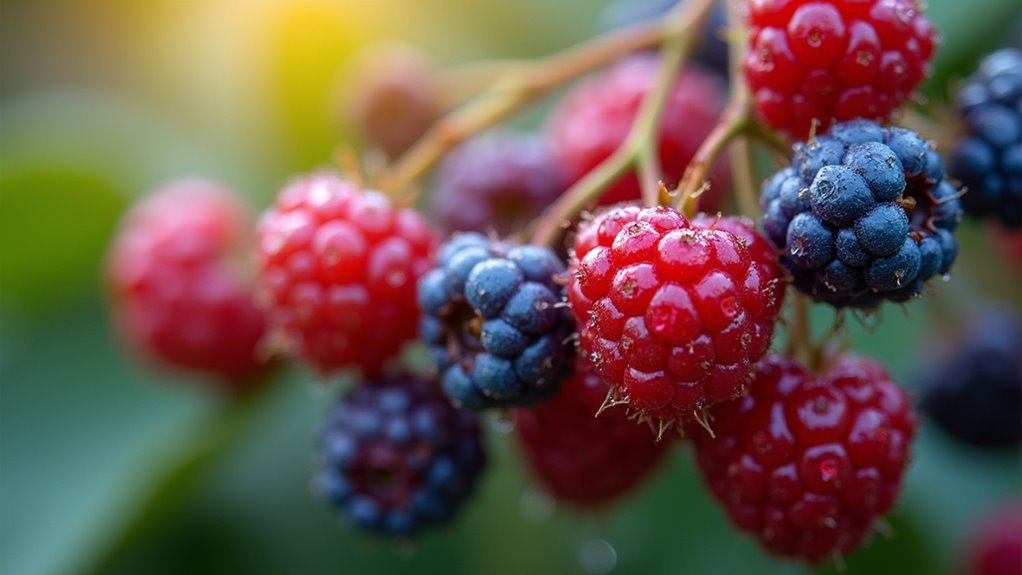
While most people focus solely on berries’ antioxidant power, the fiber content deserves equal attention for its remarkable impact on cellular function. When you consume whole berries, you’re getting soluble fiber that slows digestion and enhances nutrient absorption, directly supporting your cellular health.
This process reduces hunger while allowing your cells to access essential vitamins and antioxidants more effectively. The fiber works synergistically with berry antioxidants like anthocyanins to combat oxidative stress and inflammation at the cellular level.
You’ll benefit from improved insulin sensitivity, which maintains healthy cellular function. Studies show that doubling your fiber intake can reduce daily calorie absorption by 130 calories, while simultaneously lowering inflammatory markers and cholesterol levels that damage cellular integrity.
Antioxidant Powerhouse: How Berries Combat Free Radical Damage
Your body constantly produces free radicals through normal metabolic processes, but berries pack concentrated anthocyanins that actively neutralize these harmful molecules before they can damage your cells.
When you consume just 10 ounces of blueberries, you’re providing your DNA with powerful protection against oxidative stress that could otherwise lead to cellular breakdown.
The vitamin C and flavonoids in berries don’t just fight free radicals—they also reduce inflammation markers that contribute to chronic disease development.
Free Radical Neutralization
Because your body constantly faces assault from unstable molecules called free radicals, you need powerful defenders to neutralize these cellular threats before they cause lasting damage.
Berries deliver exactly what you’re looking for through their exceptional antioxidant content, particularly anthocyanins that actively seek out and destroy free radicals.
When you consume a 10-ounce portion of blueberries, you’re providing your DNA with proven protection against free radical damage. The vitamin C and ellagic acid in berries work together to reduce cellular damage while supporting your body’s natural repair mechanisms.
Strawberries take this protection further by lowering inflammatory markers linked to oxidative stress. This powerful neutralization process helps reduce your cancer risk by preventing free radical-induced cellular mutations before they can establish dangerous patterns.
Cellular Damage Prevention
Though free radicals constantly threaten your cellular integrity, berries function as nature’s most potent defense system through their concentrated antioxidant arsenal. When you consume just 10 ounces of blueberries, you’ll greatly protect your DNA from free radical damage, demonstrating these fruits’ remarkable cellular shielding capabilities.
The antioxidants in berries, including vitamin C and ellagic acid, actively block enzymes that break down collagen, preserving your skin’s structure and cellular framework.
You’ll also reduce inflammatory markers when drinking strawberry beverages, as research shows in overweight individuals. This inflammation reduction directly prevents cellular damage that leads to premature aging and disease.
Regular berry consumption lowers your cancer risk by protecting against esophageal, mouth, and colon cancers through sustained antioxidant activity that maintains cellular health.
Soluble Fiber’s Role in Digestive Health and Nutrient Absorption

When you consume berries rich in soluble fiber, you’re setting the stage for ideal digestive function and enhanced nutrient uptake. This remarkable fiber forms a gel-like substance in your digestive tract, slowing digestion to maximize nutrient absorption while creating an excellent environment for beneficial gut bacteria to thrive.
| Benefit | Mechanism | Result |
|---|---|---|
| Blood Sugar Control | Slows sugar absorption | Stabilized glucose levels |
| Weight Management | Increases satiety signals | Reduced hunger, fullness |
| Heart Health | Binds to cholesterol | Lower LDL cholesterol |
Your gut bacteria flourish when you regularly consume soluble fiber from berries, enhancing your overall digestive health. This fiber doesn’t just pass through—it actively supports your body’s ability to extract maximum nutrition from food while maintaining digestive balance.
Berry Anthocyanins and Their Impact on Cell Membrane Integrity
As you bite into a deep purple blueberry or crimson raspberry, you’re consuming nature’s most potent cellular protectors—anthocyanins. These vibrant pigments don’t just create beautiful colors; they actively strengthen your cell membranes against free radical damage and oxidative stress.
Berry anthocyanins improve membrane integrity by stimulating production of essential structural proteins. This enhanced cellular function increases your body’s resilience against inflammation while supporting overall cellular repair processes.
When you regularly consume anthocyanin-rich berries like blueberries and blackberries, you’re investing in long-term cellular health and reducing chronic disease risk.
The protective benefits extend to your brain, where anthocyanins safeguard neuronal cell membranes. This neuroprotective action supports cognitive function and brain health, making every berry you eat a powerful investment in cellular protection.
Blood Sugar Regulation Through Berry Fiber Consumption
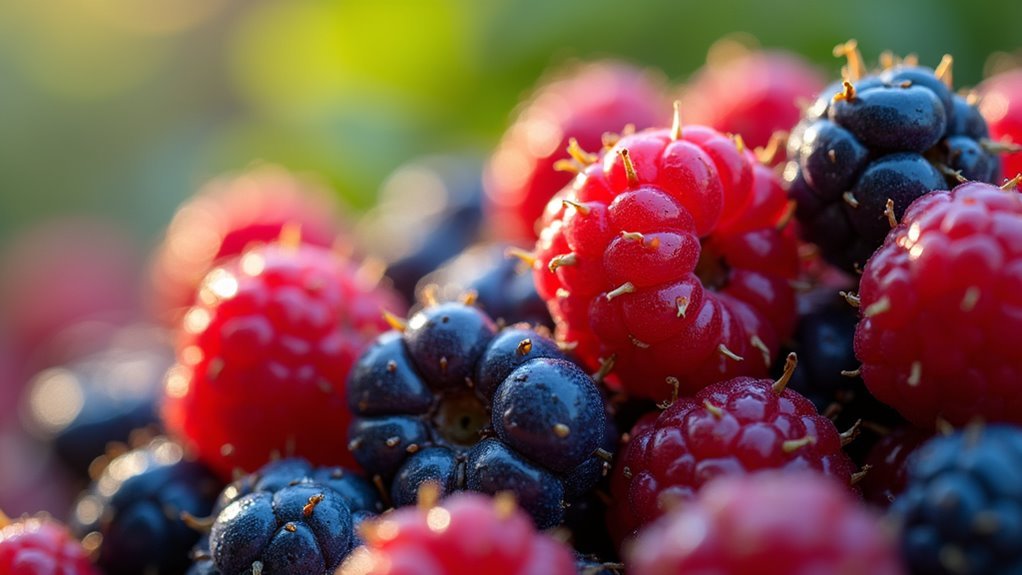
When you consume berries, their soluble fiber actively slows sugar absorption in your digestive tract, helping prevent those sharp blood sugar spikes that can wreak havoc on your metabolism.
You’ll also experience enhanced insulin sensitivity, as studies show berry consumption can reduce insulin levels by up to 26% when eaten with carbohydrate-rich foods like bread.
This combination creates a remarkably low glycemic impact, making berries your strategic ally in maintaining stable blood sugar throughout the day.
Fiber Slows Sugar Absorption
While your body rapidly absorbs simple sugars from processed foods, berry fiber acts as a natural brake on this process. The soluble fiber in berries creates a gel-like barrier in your digestive tract, slowing sugar’s entry into your bloodstream and preventing dangerous spikes in blood glucose levels.
When you eat 5 ounces of berries with carbohydrate-rich foods like bread, you’ll experience a remarkable 24–26% reduction in insulin levels. This fiber doesn’t just regulate blood sugar—it also increases your sense of fullness, preventing overeating that could destabilize glucose levels.
Insulin Sensitivity Enhancement
Beyond slowing sugar absorption, berry fiber actively improves your body’s ability to use insulin effectively. When you consume a 5-ounce serving of blueberries with bread, you’ll experience a remarkable 24–26% reduction in insulin levels. This insulin sensitivity enhancement proves particularly beneficial if you’re dealing with obesity or insulin resistance.
Studies show that drinking blueberry smoothies considerably improves how your cells respond to insulin.
The soluble fiber in berries creates a dual benefit: it slows digestion while protecting your cells from blood sugar spikes. This protection supports better metabolic health and reduces your type 2 diabetes risk.
Regular berry consumption fundamentally trains your body to handle glucose more efficiently, making insulin work better at moving sugar from your bloodstream into cells.
Low Glycemic Impact
Because berries rank low on the glycemic index, they’ll cause your blood sugar to rise gradually rather than spike dramatically. This low glycemic impact makes berries particularly valuable if you’re managing diabetes or prediabetes. When you consume 5 ounces of berries with bread, you’ll reduce your insulin levels by 24-26%.
The soluble fiber in berries slows digestion, creating this stabilizing effect on your blood sugar. You’ll also experience increased fullness, which helps control your appetite.
| Benefit | Impact |
|---|---|
| Gradual blood sugar rise | Prevents spikes |
| Reduced insulin response | 24-26% decrease |
| Slower digestion | Enhanced stability |
| Increased satiety | Better appetite control |
This combination of effects demonstrates why incorporating whole berry fiber into your diet supports long-term metabolic health.
Anti-Inflammatory Properties of Whole Berry Compounds
When you consume whole berries, you’re getting a powerful dose of anthocyanins and other antioxidants that actively combat inflammation throughout your body.
These compounds work alongside vitamin C and phytochemicals to reduce inflammatory markers considerably. Studies show strawberry consumption leads to measurable decreases in inflammation markers among overweight individuals, while black raspberries can lower LDL cholesterol by 11% in obese subjects.
The anti-inflammatory effects extend beyond cardiovascular benefits. You’ll experience improved collagen synthesis and skin health protection against tissue damage.
Berry fiber also supports gut health by fostering beneficial bacteria growth, reducing digestive system inflammation. Regular consumption helps protect against chronic diseases like diabetes and heart disease by addressing oxidative stress and inflammation at the cellular level throughout your body.
Vitamin C Content and Collagen Synthesis Support
Although many people reach for vitamin C supplements, whole berries deliver this essential nutrient in its most bioavailable form alongside complementary compounds that maximize its effectiveness.
Strawberries lead the pack, providing around 150% of your recommended daily vitamin C intake per cup. This powerful nutrient drives collagen synthesis, the foundation of healthy skin elasticity and tissue repair.
Key benefits of berry-derived vitamin C include:
- Enhanced collagen production for improved skin appearance
- Protection against oxidative stress through anthocyanin synergy
- Accelerated wound healing and cellular repair processes
- Reduced visible signs of aging
- Maintained adequate vitamin C levels for continuous collagen formation
Regular berry consumption guarantees your body receives consistent vitamin C support for peak collagen synthesis and overall skin health.
Flavonoids in Berries: Natural Cell Protection Mechanisms
You’ll find that anthocyanins in berries pack remarkable antioxidant power, actively neutralizing harmful free radicals that threaten your cellular health.
These vibrant compounds don’t just defend against oxidative damage—they’re specifically protecting your collagen from enzyme breakdown that accelerates aging.
When you consume berries rich in these flavonoids, you’re fundamentally activating your body’s natural defense systems at the cellular level.
Anthocyanin Antioxidant Power
Nature’s most vibrant berries pack an extraordinary punch through anthocyanins—powerful flavonoid compounds that serve as your body’s frontline defense against cellular damage.
These antioxidants actively combat free radicals that threaten your DNA integrity and cellular health.
When you consume berries rich in anthocyanins, you’re releasing remarkable protective benefits:
- DNA Protection – A 10-ounce serving of blueberries demonstrates measurable defense against oxidative stress
- Inflammation Reduction – Strawberry beverages lower inflammatory markers in overweight individuals
- Cancer Risk Reduction – Regular intake shows protective effects against colon and liver cancers
- Enhanced Cell Mechanisms – Natural protection systems become more efficient
- Chronic Disease Prevention – Reduced inflammation links to lower heart disease risk
Blueberries and blackberries contain the highest concentrations of these cellular guardians.
Free Radical Defense
While free radicals constantly bombard your cells through everyday exposure to pollution, stress, and UV radiation, berry flavonoids create an invisible shield that neutralizes these destructive molecules before they can cause lasting damage.
When you consume just 10 ounces of blueberries, you’re activating powerful anthocyanins that directly protect your DNA from oxidative stress. These antioxidants don’t just defend—they actively repair cellular damage that’s already occurred.
Your body’s inflammatory markers decrease considerably when you regularly eat berries, reducing your risk of chronic diseases.
The ellagic acid in berries specifically targets enzymes that break down collagen, preserving your skin’s elasticity while fighting aging at the cellular level.
This extensive defense system strengthens your body’s natural ability to resist daily environmental threats.
Collagen Protection Benefits
Berry flavonoids act as your skin’s personal bodyguards, specifically targeting the enzymes that break down collagen and compromise your skin’s structural integrity.
These powerful compounds deliver extensive collagen protection through multiple pathways that preserve your skin’s youthful appearance.
Ellagic acid, found abundantly in berries, directly inhibits collagen degradation while supporting natural repair processes.
When you consume berries regularly, you’re providing your body with essential vitamin C that enhances collagen synthesis.
- Anthocyanins block collagen-destroying enzymes, maintaining skin firmness
- Ellagic acid prevents collagen breakdown and supports cellular repair
- Antioxidant properties combat oxidative stress that damages collagen fibers
- Vitamin C content boosts your body’s natural collagen production
- UV protection helps shield existing collagen from environmental damage
Fiber-Mediated Detoxification and Cellular Cleansing
As you consume whole berries, their abundant soluble fiber begins working immediately to enhance your body’s natural detoxification processes.
This fiber-mediated detoxification slows food movement through your digestive tract, promoting regular bowel movements that effectively remove waste from your system. The fiber binds and eliminates toxins and cholesterol, potentially lowering your cholesterol levels and reducing heart disease risk.
You’ll benefit from reduced calorie absorption too—increasing fiber intake can cut up to 130 calories daily.
Berry fiber also fosters beneficial gut bacteria growth, essential for detoxification and cellular cleansing. Combined with antioxidants, this fiber works synergistically to combat oxidative stress and promote cellular repair, enhancing your overall health and wellness through thorough internal cleansing.
Berry Nutrients for DNA Repair and Genetic Protection
Beyond supporting digestive health, the concentrated nutrients in whole berries provide powerful protection for your DNA and genetic material.
These berry nutrients for DNA repair and genetic protection work at the cellular level to maintain your body’s genetic integrity.
The protective mechanisms include:
- Anthocyanins – These antioxidants shield DNA from oxidative damage and reduce cellular mutations
- Vitamin C – Supports collagen synthesis and enhances your body’s natural DNA repair mechanisms
- Blueberry compounds – A 10-ounce serving notably reduces DNA damage in cells
- Ellagic acid – Inhibits enzymes that damage collagen, preserving cellular structure
- Anti-inflammatory properties – Lower inflammatory markers decrease cellular stress
Regular berry consumption gives you access to these protective compounds that actively defend against genetic damage while supporting your body’s repair processes.
Optimal Berry Varieties for Maximum Cellular Benefits
While all berries offer cellular protection, certain varieties deliver concentrated compounds that maximize your body’s repair and defense systems.
Blueberries stand out with their anthocyanins, powerful antioxidants that reduce oxidative stress and protect cellular integrity.
Blueberries deliver anthocyanins that combat oxidative damage and strengthen your cells’ natural defense mechanisms.
You’ll get exceptional vitamin C from strawberries—one cup provides 150% of your daily needs, supporting collagen synthesis for enhanced skin and tissue healing.
Raspberries excel in soluble fiber content, reducing hunger while improving digestion and nutrient absorption for optimal cellular well-being.
Blackberries contain ellagic acid, which protects against collagen damage and reduces skin aging signs by supporting cellular repair and elasticity.
Regular consumption of these diverse varieties lowers cholesterol, improves cardiovascular health, and maintains healthy cells while preventing chronic diseases.
Daily Consumption Guidelines for Cell Regeneration Support
Knowing which berries pack the most cellular benefits helps you determine how much to eat for ideal health results.
You’ll maximize your health benefits by following specific daily consumption guidelines that support cellular repair and regeneration.
To enhance your cellular health, incorporate these daily berry consumption targets:
- 1 cup mixed berries daily – Provides essential antioxidants for combating oxidative stress
- 5 ounces for insulin sensitivity – Improves cellular regeneration, especially if you have insulin resistance
- 7-8 grams soluble fiber – Enhances nutrient absorption and supports cellular processes
- 1 cup strawberries – Delivers 150% RDI vitamin C for collagen synthesis
- Regular variety rotation – Can reduce LDL cholesterol by 11%, supporting cellular integrity
These guidelines guarantee you’re getting adequate nutrients for peak cellular function and repair.
Frequently Asked Questions
Can Frozen Berries Provide the Same Cellular Benefits as Fresh Berries?
You’ll get nearly identical cellular benefits from frozen berries compared to fresh ones. Freezing preserves most antioxidants, vitamins, and fiber. You’re actually getting more nutrients since they’re frozen at peak ripeness.
Do Berry Supplements Offer Equivalent Fiber and Antioxidant Benefits to Whole Berries?
Berry supplements can’t match whole berries’ fiber content since processing removes most fiber. While they concentrate antioxidants, you’ll miss the synergistic benefits of fiber working alongside phytonutrients for ideal cellular protection.
Are There Any Medication Interactions With High Berry Consumption I Should Know?
You should consult your doctor before increasing berry consumption, especially if you’re taking blood thinners like warfarin, since berries’ vitamin K can affect clotting, or diabetes medications due to natural sugars.
How Long Does It Take to See Cellular Repair Benefits From Berries?
You’ll typically notice initial cellular repair benefits from berries within 2-4 weeks of consistent daily consumption. However, more significant protective effects and deeper cellular regeneration usually develop over 2-3 months of regular intake.
Can People With Diabetes Safely Consume Berries for Cellular Health Benefits?
You can safely consume berries if you have diabetes since they’re low-glycemic and high in fiber, which helps regulate blood sugar while providing cellular repair benefits through antioxidants and phytonutrients.


Leave a Reply