

You’ll maximize turmeric tea’s anti-inflammatory benefits by using fresh root instead of powder and adding a pinch of black pepper to boost curcumin absorption by 2000%. Steep equal parts turmeric and ginger in coconut milk for 10-15 minutes to enhance bioavailability and amplify inflammation-fighting effects. Start with one cup daily, preferably in the morning for joint stiffness relief, but consult your healthcare provider about potential medication interactions. The extensive strategies below will help you harness turmeric’s full therapeutic potential.
Choose Fresh Turmeric Root Over Dried Powder for Maximum Potency
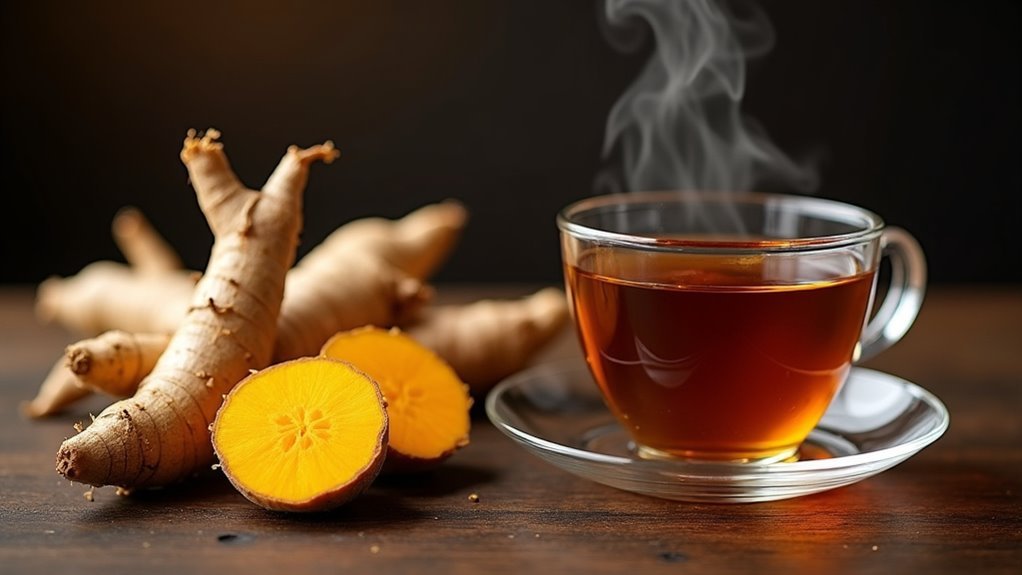
While dried turmeric powder sits conveniently in your spice cabinet, fresh turmeric root delivers considerably more curcumin—the powerhouse compound responsible for turmeric’s renowned anti-inflammatory benefits.
You’ll maximize bioavailability when you choose fresh turmeric root, as your body absorbs curcumin more effectively in its natural form. The dried powder loses potency over time, diminishing the health benefits you’re seeking.
When you grate or juice fresh turmeric root for your turmeric tea, you’re revealing additional phytonutrients and essential oils that enhance its antioxidant properties.
Fresh root provides a more vibrant flavor and stronger therapeutic effects compared to processed powder. You’ll experience superior anti-inflammatory results while enjoying the rich, earthy taste that only fresh turmeric can deliver.
Add Black Pepper to Enhance Curcumin Absorption by 2000
You’ll dramatically increase curcumin’s bioavailability by adding black pepper to your turmeric tea, thanks to piperine’s ability to boost absorption by up to 2000%.
Just a pinch of black pepper—as little as 1/20th of a teaspoon—creates the ideal ratio needed to prevent digestive enzymes from breaking down curcumin before it enters your bloodstream.
This simple addition doesn’t just improve absorption; it amplifies the anti-inflammatory effects of both spices working together.
Piperine Boosts Curcumin Bioavailability
When you add a pinch of black pepper to your turmeric tea, you’re revealing one of nature’s most powerful absorption enhancers.
Piperine, the active compound in black pepper, dramatically increases curcumin bioavailability by up to 2000%. This means your body can actually use the beneficial compounds in turmeric instead of eliminating them before absorption occurs.
Without piperine, curcumin suffers from poor bioavailability, limiting its anti-inflammatory potential.
However, even tiny amounts of black pepper transform curcumin’s pharmacokinetic profile, allowing you to access its full health benefits.
This simple combination maximizes turmeric’s antioxidant and anti-inflammatory properties, making your tea considerably more effective for managing inflammation and supporting overall wellness.
You’ll experience enhanced therapeutic effects from this natural synergy.
Optimal Black Pepper Ratios
Three simple ratios can transform your turmeric tea from a mildly beneficial drink into a powerhouse of bioavailable curcumin.
Start with the golden ratio: add 1/4 teaspoon of black pepper to each teaspoon of turmeric in your tea. This combination boosts curcumin absorption by up to 2000%, thanks to piperine’s remarkable bioavailability enhancement.
For beginners, try a gentler 1:8 ratio—one pinch of black pepper to one teaspoon of turmeric. You’ll still gain significant health benefits while adjusting to the taste.
Advanced users can experiment with a 1:3 ratio for maximum absorption potential.
Enhanced Anti-Inflammatory Effects
Black pepper’s impact extends far beyond simple absorption rates—it fundamentally transforms how your body processes turmeric’s anti-inflammatory compounds.
When you add black pepper to turmeric tea, piperine inhibits digestive enzymes that normally break down curcumin before your body can use it. This creates a synergistic effect that magnifies anti-inflammatory benefits throughout your system.
The enhanced bioavailability doesn’t just mean more curcumin enters your bloodstream—it means your body can actually utilize these compounds to combat inflammation more effectively.
You’ll experience amplified health benefits when managing conditions like arthritis and metabolic syndrome. Research confirms this combination creates a powerful anti-inflammatory response that exceeds what either ingredient achieves alone, making your turmeric tea considerably more therapeutic with just a simple pinch of black pepper.
Brew With Coconut Milk or Plant-Based Milk for Better Bioavailability
Although turmeric root contains powerful curcumin compounds, your body can’t easily absorb them without the right supporting ingredients. Brewing your turmeric tea with coconut milk or other plant-based milk greatly improves curcumin bioavailability.
Turmeric’s curcumin compounds need the right supporting ingredients like coconut milk to maximize absorption and effectiveness.
The healthy fats in these milks, particularly the medium-chain triglycerides found in coconut milk, increase curcumin’s solubility and make it more accessible to your system. This enhanced absorption translates to stronger anti-inflammatory effects throughout your body.
For maximum benefit, add a pinch of black pepper to your turmeric and plant-based milk combination – this simple addition can boost curcumin absorption by up to 2000%.
Studies consistently show that combining turmeric with fats greatly amplifies curcumin’s therapeutic potential, making your tea both more delicious and medicinal.
Steep for 10-15 Minutes to Extract Anti-Inflammatory Compounds
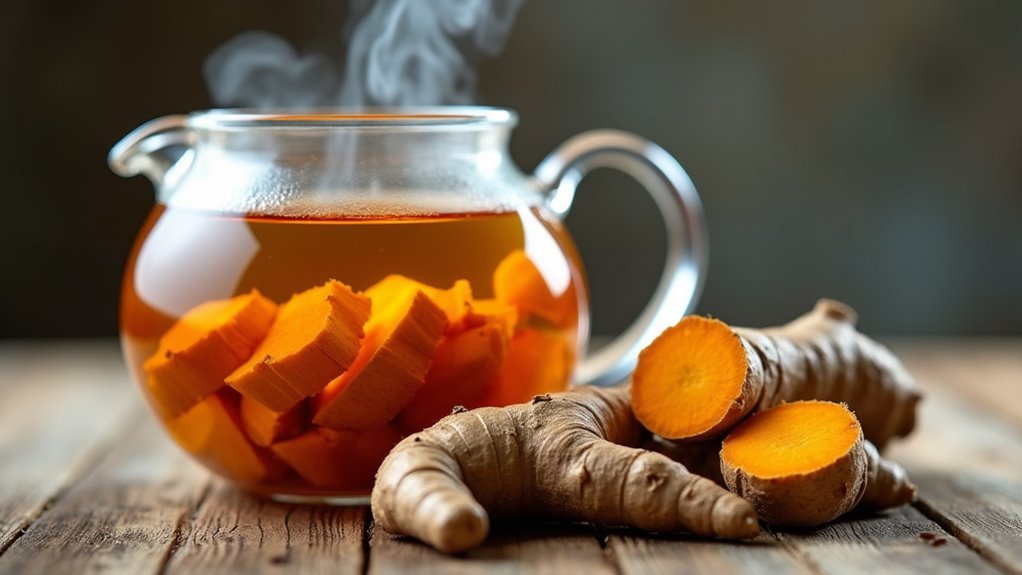
Ten minutes of patient steeping transforms your turmeric root tea from a simple beverage into a potent anti-inflammatory remedy. When you steep turmeric root for 10-15 minutes in hot water, you’ll extract maximum curcumin and essential oils that deliver powerful health benefits.
| Steeping Time | Curcumin Extraction | Anti-Inflammatory Potency |
|---|---|---|
| 5 minutes | Low | Minimal |
| 10-15 minutes | High | Ideal |
| 20+ minutes | Maximum | Peak |
The extended steeping time allows bioactive compounds to fully release into your tea. You’ll enhance curcumin’s bioavailability by adding black pepper during steeping, greatly improving absorption. This simple technique maximizes your turmeric root tea’s ability to combat inflammation, support heart health, and manage chronic inflammatory conditions effectively.
Combine With Ginger Root to Amplify Anti-Inflammatory Effects
You’ll dramatically boost turmeric’s anti-inflammatory power by combining it with fresh ginger root, as the gingerol in ginger enhances curcumin absorption and creates a synergistic effect.
The ideal preparation involves using equal parts of both roots – roughly one teaspoon each of grated turmeric and ginger per cup of water.
This powerful combination doesn’t just amplify inflammation-fighting properties; it also delivers enhanced benefits for joint health, digestive wellness, and cardiovascular support.
Enhanced Anti-Inflammatory Power
When you combine turmeric root tea with ginger root, you’re creating a powerful anti-inflammatory duo that’s greater than the sum of its parts. The curcumin in turmeric works alongside ginger’s gingerol to reduce inflammation markers throughout your body.
Research shows this combination inhibits pro-inflammatory cytokines more effectively than either spice alone.
You’ll experience enhanced benefits for arthritis and joint pain when you drink this potent blend regularly. The synergistic effects also support your digestive health by reducing gastrointestinal inflammation, making it beneficial for conditions like IBS.
Beyond anti-inflammatory properties, you’re getting a rich source of antioxidants that boost your overall health. This flavorful tea delivers maximum therapeutic impact while providing a delicious way to combat inflammation naturally.
Optimal Preparation Methods
Three simple steps will help you create the most effective turmeric-ginger tea blend for maximum anti-inflammatory benefits.
Following these ideal preparation methods guarantees you’ll extract maximum compounds from both turmeric root and ginger root.
- Steep equal parts fresh turmeric and ginger root in boiling water for 10-15 minutes to effectively extract beneficial compounds like curcumin and gingerol.
- Add a pinch of black pepper containing piperine, which dramatically enhances curcumin absorption by up to 2000% for superior anti-inflammatory effects.
- Include lemon juice or honey to boost flavor while providing additional antioxidant benefits that complement the tea’s natural healing properties.
These preparation methods maximize the bioactive compounds’ potency, guaranteeing you’ll receive the full spectrum of anti-inflammatory and antioxidant benefits from your homemade wellness tea.
Synergistic Health Benefits
Since ginger root contains gingerol—a powerful anti-inflammatory compound that works hand-in-hand with turmeric’s curcumin—combining these two roots creates a synergistic effect that amplifies their individual healing properties.
You’ll experience enhanced joint health and reduced arthritis symptoms when you consume turmeric root tea with ginger together rather than separately.
This powerful combination also boosts your metabolic health by improving insulin sensitivity, making it particularly beneficial if you’re dealing with diabetes or metabolic syndrome.
You’ll notice improved digestion and gut health as well, since both spices promote digestive wellness and reduce gastrointestinal discomfort.
The anti-inflammatory health benefits multiply when these roots work together, creating a more potent therapeutic effect than either ingredient alone.
Drink Before Bedtime to Support Overnight Recovery and Healing
Because your body’s natural healing processes accelerate during sleep, drinking turmeric root tea before bedtime can maximize these overnight recovery benefits.
Maximize your body’s natural overnight healing by incorporating turmeric root tea into your bedtime routine for enhanced recovery benefits.
The curcumin in turmeric delivers powerful anti-inflammatory properties that help reduce pain and discomfort while you rest.
This caffeine-free beverage creates the perfect calming bedtime ritual without disrupting your sleep cycles.
As you sleep, turmeric’s compounds work to improve antioxidant levels throughout your body, supporting natural healing processes.
Key overnight recovery benefits include:
- Reduced inflammation markers – helping muscle recovery and joint pain relief
- Enhanced sleep quality – promoting deeper, more restorative rest
- Accelerated healing – supporting your body’s natural repair mechanisms during sleep
Regular evening consumption of turmeric tea can greatly boost your overnight recovery, especially after physical exertion or injury.
Start With Small Amounts to Assess Your Body’s Tolerance
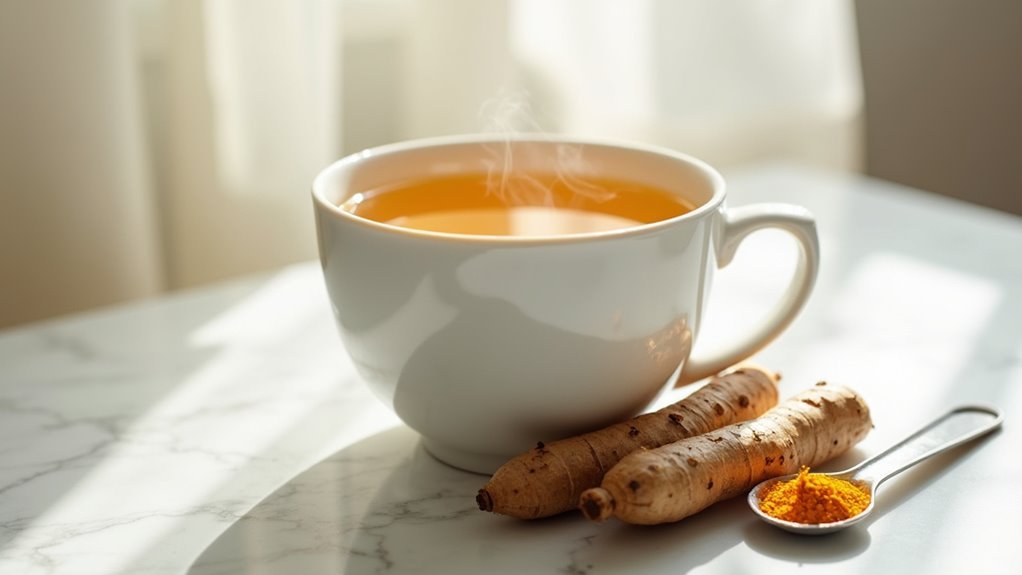
While turmeric root tea offers impressive health benefits, you’ll want to start with small amounts to gauge how your body responds to curcumin. Begin with 1/4 to 1/2 teaspoon of dried turmeric or a small piece of fresh root. This allows you to assess your tolerance safely.
If you don’t experience adverse reactions, gradually increase the dosage. Monitor how you feel, especially if you have existing health conditions or take medications. Turmeric can interact with certain drugs, so it’s essential to watch for changes.
Consulting with a healthcare provider before starting turmeric tea helps tailor the approach to your specific needs. Individual tolerance varies considerably, so personal experimentation is key to finding the right amount that delivers benefits without discomfort.
Store Fresh Turmeric Root Properly to Preserve Active Compounds
You’ll maximize turmeric root tea’s health benefits by storing your fresh turmeric properly to maintain its potent curcumin levels.
Refrigeration methods can extend your root’s shelf life considerably, while freezing techniques preserve active compounds for months of future use.
Understanding how to prevent curcumin degradation guarantees you’re getting the most therapeutic value from every cup of tea you brew.
Refrigeration Storage Methods
When storing fresh turmeric root in your refrigerator, you’ll want to wrap it in a damp cloth or place it inside a paper bag to maintain ideal moisture levels while allowing proper airflow.
This refrigeration approach prevents mold growth while preserving the root’s medicinal properties and active compounds.
For extended storage methods, consider these options:
- Airtight containers – Remove excess air to minimize spoilage and maintain freshness
- Resealable plastic bags – Squeeze out air before sealing to reduce oxidation
- Freezer storage – Extends shelf life for several months while preserving beneficial compounds
Your turmeric root typically stays fresh for two to three weeks when refrigerated properly.
Always check for softness or mold before use, and avoid storing in warm locations or direct sunlight.
Freezing for Longevity
Freezing fresh turmeric root offers the most effective long-term storage solution, preserving curcumin and other active compounds for up to six months without significant potency loss. You’ll maintain the antioxidant properties and health benefits by properly preparing your turmeric root before freezing.
| Preparation Step | Method | Benefit |
|---|---|---|
| Wash & Peel | Clean thoroughly, remove skin | Prevents contamination |
| Cut/Grate | Small pieces or grated form | Easy portioning |
| Package | Airtight container/freezer bag | Prevents freezer burn |
| Label | Date and contents | Track shelf life |
| Use | Add directly to recipes | No thawing required |
When you’re ready to brew tea or cook, there’s no need to thaw frozen turmeric root. Simply add pieces directly to your recipes, ensuring you capture all the anti-inflammatory benefits while extending your supply’s usability.
Preventing Curcumin Degradation
Since curcumin’s potency diminishes rapidly when exposed to heat, light, and excessive moisture, proper storage becomes critical for maintaining your turmeric root’s therapeutic value.
Fresh turmeric requires specific conditions to preserve its anti-inflammatory compounds and antioxidants effectively.
To maximize preserving potency, follow these essential storage guidelines:
- Cool, dark environment – Store turmeric root away from direct sunlight in temperatures below room temperature
- Moisture control – Wrap in paper towels and place in perforated plastic bags to prevent mold while maintaining proper humidity
- Time-sensitive usage – Consume fresh turmeric within few weeks of purchase for ideal curcumin retention
Avoid airtight containers for long-term storage, as trapped moisture compromises the root’s beneficial compounds.
These storage methods guarantee your turmeric root maintains maximum anti-inflammatory benefits for your tea preparation.
Monitor Medication Interactions Before Regular Consumption
Before adding turmeric root tea to your daily routine, you’ll need to carefully consider how it might interact with your current medications. Curcumin can greatly affect various treatments, making consultation with your healthcare provider essential.
| Medication Type | Interaction Risk | Recommended Action |
|---|---|---|
| Diabetes medications | Blood sugar may drop too low | Monitor glucose levels closely |
| Blood thinners | Increased bleeding risk | Consult doctor before use |
| Anti-inflammatory drugs | Reduced medication efficacy | Inform healthcare provider |
| Bile-related treatments | Potential complications | Discuss with physician |
Turmeric’s anti-inflammatory properties can enhance blood thinners and interfere with diabetes management. Pregnant women should exercise particular caution, as high doses may trigger uterine contractions. Always inform your healthcare provider about turmeric consumption before starting any new medication regimen.
Create a Daily Routine for Consistent Anti-Inflammatory Benefits
Establishing a consistent turmeric root tea routine maximizes your body’s ability to harness its powerful anti-inflammatory compounds.
Creating a daily routine guarantees curcumin’s sustained presence in your system for ideal health benefits.
Your anti-inflammatory turmeric tea routine should include:
- Morning consumption – Start each day with turmeric tea to combat morning stiffness and joint pain
- Black pepper addition – Add piperine-rich black pepper to increase curcumin absorption by up to 2,000%
- Evening ritual – Prepare turmeric tea before bed as a calming practice that reduces stress-induced inflammation
Consistency matters most when building your daily routine.
Aim for at least one cup daily, experimenting with complementary ingredients like ginger or cinnamon.
Set reminders to maintain regularity, as curcumin’s anti-inflammatory effects compound over time with consistent consumption.
Frequently Asked Questions
Does Turmeric Tea Really Help With Inflammation?
Yes, turmeric tea can reduce inflammation thanks to curcumin. You’ll get anti-inflammatory benefits that may help with arthritis, joint pain, and chronic inflammation. It’s shown fewer side effects than traditional medications.
How Quickly Can Turmeric Reduce Inflammation?
You’ll notice turmeric’s anti-inflammatory effects starting within hours of consumption. However, you’ll experience more significant reductions in inflammation markers like C-reactive protein after consistently taking turmeric for about one week.
How Often Should I Drink Turmeric Tea for Inflammation?
You should drink 1-3 cups of turmeric tea daily for anti-inflammatory benefits. Start with one cup and gradually increase. Consult your healthcare provider about frequency, especially if you’re taking medications or have health conditions.
What Is the Strongest Anti-Inflammatory Tea?
You’ll find turmeric tea ranks among the strongest anti-inflammatory teas due to curcumin’s powerful effects. Green tea, ginger tea, and white tea also offer significant anti-inflammatory properties, but turmeric’s curcumin content makes it exceptionally potent.


Leave a Reply