
When you consume fermented vegetables like sauerkraut, kimchi, and pickles, you’re delivering powerful lactic acid bacteria directly to your gut that produce short-chain fatty acids and bioactive compounds. These natural healers strengthen your intestinal barrier, reduce inflammation, and prevent gut permeability by up to 10% during inflammatory episodes. The probiotics, especially Lactobacillus plantarum, actively repair leaky gut syndrome while boosting your immune function and digestive health through enhanced microbiome diversity and barrier integrity protection.
The Science Behind Fermented Vegetables and Gut Barrier Function

While your gut processes countless foods daily, fermented vegetables like kimchi and sauerkraut work behind the scenes to strengthen your intestinal defenses in ways that raw vegetables simply can’t match.
The fermentation process transforms ordinary vegetables into powerhouses of gut barrier integrity support through beneficial microbial metabolites.
When you consume these fermented foods, you’re delivering short-chain fatty acids and phenolic compounds that actively protect against inflammation.
Research shows fermented cabbage extracts prevent gut permeability increases by 10% when exposed to inflammatory cytokines. This dietary intervention enhances your immune system’s response while maintaining intestinal function.
The complex metabolite mix provides superior health benefits compared to raw vegetables, making fermentation essential for maximizing gut barrier protection and overall digestive wellness.
Key Microorganisms in Fermented Vegetables That Heal Your Digestive System
Behind these protective metabolites lies an army of microscopic healers working to restore your digestive system. Lactic acid bacteria, particularly Lactobacillus and Leuconostoc strains, dominate fermented vegetables as powerful probiotics.
These beneficial microorganisms produce short-chain fatty acids that strengthen your gut barrier and reduce inflammation throughout your digestive tract.
Lactobacillus plantarum specifically targets intestinal permeability, protecting you against leaky gut syndrome while enhancing your gut’s protective mucus production. This creates a formidable defense against harmful pathogens threatening your digestive health.
These probiotics don’t work alone—they release bioactive compounds that encourage beneficial bacteria growth in your gut. This creates a thriving microbiome that supports peak digestive health and bolsters your immune function, transforming your gut into a fortress of wellness.
How Fermented Vegetables Restore Intestinal Permeability and Reduce Inflammation
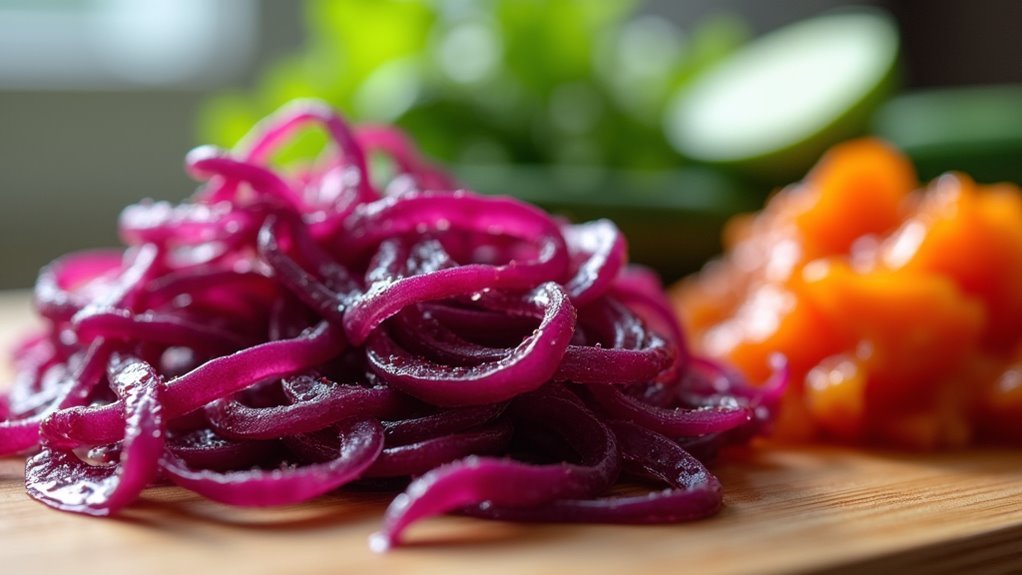
When inflammation strikes your digestive system, fermented vegetables act as your gut’s repair crew, directly targeting the root causes of intestinal permeability. These powerhouse foods strengthen your intestinal barrier through bioactive compounds that prevent gut permeability increases during inflammatory episodes.
Research shows fermented cabbage extract at just 10% concentration effectively blocks permeability damage, matching the protective effects of specific probiotics. The fermentation process creates beneficial metabolites, particularly short-chain fatty acids, which actively modulate your immune responses and support healthy gut function.
You’ll experience reduced inflammatory markers when consuming fermented vegetables regularly, as studies demonstrate their immune health benefits.
This complex mixture of healing compounds maintains your intestinal barrier integrity even during inflammatory stress, proving fermented vegetables truly reduce inflammation while restoring ideal digestive function.
Traditional Fermented Vegetable Varieties and Their Therapeutic Properties
Across cultures worldwide, traditional fermented vegetable varieties have served as therapeutic staples for centuries, each offering distinct healing properties that modern science now validates.
Sauerkraut delivers powerful lactic acid bacteria that strengthen your gut barrier while improving nutrient absorption.
Sauerkraut’s lactic acid bacteria fortify your intestinal walls and enhance your body’s ability to absorb vital nutrients effectively.
Kimchi provides probiotics alongside vitamins A, C, and K, boosting your immune health and overall well-being.
Pickles increase short-chain fatty acids in your gut microbiome, reducing inflammation throughout your digestive system.
These fermented foods work synergistically to address digestive disorders by enhancing your intestinal barrier function.
Each variety offers unique therapeutic benefits, from sauerkraut’s digestive support to kimchi’s immune-boosting properties, making them essential additions to your healing protocol.
Incorporating Fermented Vegetables Into Your Daily Diet for Optimal Gut Health

As you shift from understanding fermented vegetables’ therapeutic properties to implementing them in your routine, strategic incorporation becomes essential for maximizing their gut health benefits. Start with small portions—about 1/4 cup daily—allowing your gut microbiota to adjust gradually.
The consumption of fermented foods like sauerkraut and kimchi provides probiotics that strengthen your gut barrier and support immune systems through beneficial bacteria.
Fermented cabbage offers short-chain fatty acids that reduce inflammation while promoting digestive wellness.
Diversify your dietary choices by experimenting with different varieties, as each contains unique bacterial strains. The health effects of fermented vegetables become more pronounced with consistent intake, so aim for at least one serving daily to optimize gut barrier integrity and enhance overall digestive function.
Frequently Asked Questions
How Long Does It Take for Fermented Foods to Heal the Gut?
You’ll typically notice improvements in your gut health within 2-4 weeks of consistently eating fermented foods. However, you’ll need long-term consumption to maintain these benefits, as effects diminish without continued intake.
Are Fermented Vegetables Good for Your Gut?
Yes, fermented vegetables are excellent for your gut. They’ll restore your microbiome balance, reduce inflammation, strengthen your gut barrier, and boost beneficial bacteria production. You’ll experience improved digestion and enhanced immune function.
What Is the Healthiest Vegetable to Ferment?
You’ll find cabbage’s the healthiest vegetable to ferment. It’s packed with vitamins C and K, and fermentation enhances nutrient bioavailability while supporting your gut health better than most other vegetables.
Which Fermented Vegetables Have the Most Probiotics?
You’ll find kimchi and sauerkraut pack the most probiotics, delivering 1-100 billion CFUs per serving. Kimchi’s diverse bacterial strains give it an edge, while sauerkraut’s concentrated Lactobacillus content makes it equally powerful.


Leave a Reply