

You can use tarragon as a natural appetite stimulant and digestive aid, thanks to its bioactive compounds like estragole and methyl eugenol that enhance enzyme secretion and reduce bloating. This herb’s been traditionally used in European and Middle Eastern practices to combat indigestion, gas, and poor appetite. Add 1-2 teaspoons of dried tarragon to teas or meals 15-30 minutes before eating for ideal digestive preparation and appetite enhancement. Discover the complete guide to maximizing tarragon’s therapeutic potential below.
Understanding Tarragon’s Role in Appetite Regulation
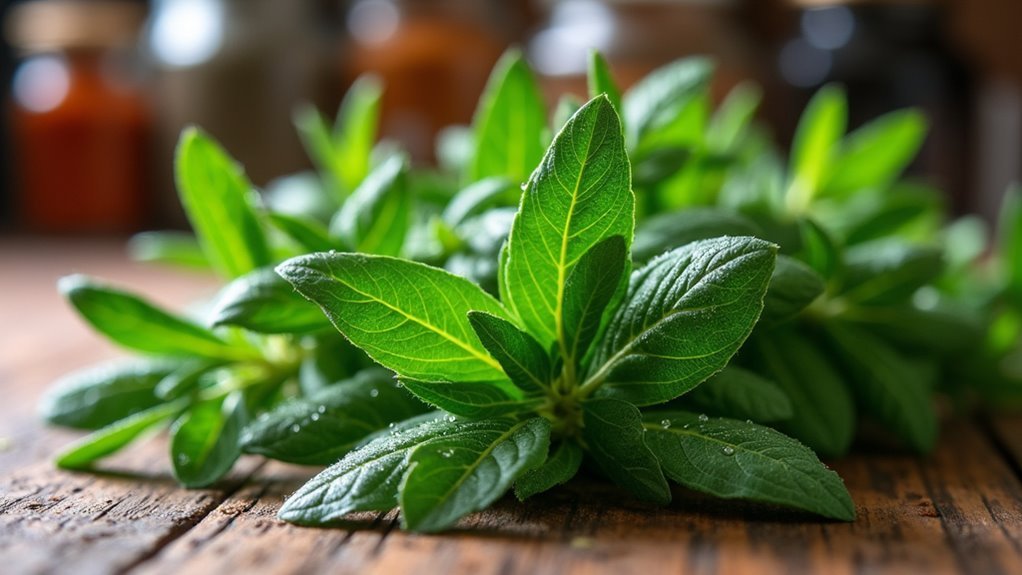
Throughout history, European and Middle Eastern herbal practitioners have turned to tarragon (Artemisia dracunculus) as a reliable appetite stimulant, though modern science hasn’t fully caught up with traditional wisdom.
This aromatic herb contains bioactive compounds like estragole and methyl eugenol that may enhance your digestive health and naturally boost appetite.
When you’re struggling with poor appetite, tarragon’s traditional practices offer a gentle approach. The herb works by potentially alleviating common digestive issues like indigestion, gas, and bloating that often suppress your desire to eat.
While clinical evidence remains limited, herbal medicine traditions suggest tarragon helps create ideal digestive conditions for healthy appetite regulation. You’ll find this herb particularly useful when digestive discomfort interferes with your normal eating patterns.
How Tarragon Supports Digestive Function
When your digestive system functions at its best, tarragon’s bioactive compounds work behind the scenes to enhance the secretion of essential digestive enzymes and bile. The herb naturally helps stimulate your appetite while reducing uncomfortable bloating and indigestion symptoms.
Tarragon’s key compounds, including estragole and methyl eugenol, target digestive irregularities effectively.
You’ll benefit from tarragon’s antioxidant and antimicrobial properties, which maintain peak gut health by protecting against harmful bacteria. These essential oils create a balanced digestive environment that promotes better nutrient absorption.
The herb’s calming effects also support your digestive health by reducing stress-related gastrointestinal discomfort. When you consume tarragon tea, you’re accessing natural compounds that regulate blood sugar levels and enhance overall digestive function.
Active Compounds Behind Tarragon’s Therapeutic Effects

The remarkable therapeutic power of tarragon stems from its diverse array of bioactive compounds that work synergistically to enhance your digestive wellness. Tarragon extract contains essential oils rich in estragole and methyl eugenol, which deliver potent appetite-stimulating effects and serve as an effective digestive aid.
| Compound | Primary Benefits |
|---|---|
| Estragole | Appetite stimulation, digestive support |
| Methyl Eugenol | Anti-inflammatory, digestive comfort |
| Essential Oils | Antioxidant activity, antimicrobial properties |
| Terpenes | Enzyme stimulation, gut health |
| Flavonoids | Oxidative stress reduction, metabolism support |
These compounds regulate insulin action, improving glucose metabolism while promoting digestive enzymes secretion. The antimicrobial properties help maintain a healthy gut environment, reducing harmful bacteria. You’ll benefit from reduced oxidative stress in your gastrointestinal tract through the herb’s antioxidant activity, supporting overall digestive function.
Clinical Evidence and Research on Tarragon for Appetite
While tarragon’s reputation as an appetite stimulant spans centuries of traditional use, modern scientific validation tells a more complex story.
You’ll find that Artemisia dracunculus has been valued in European and Middle Eastern herbal medicine as a digestive aid, but high-quality clinical trials supporting its efficacy remain scarce.
Current research limitations include:
- Limited clinical data – Most evidence for tarragon’s appetite-enhancing properties relies on anecdotal reports rather than controlled studies.
- Low efficacy rating – Scientific evaluation gives tarragon only 2 out of 5 for appetite deficiency treatment.
- Insufficient bioactive compound research – While estragole and methyl eugenol show promise for digestive benefits, preclinical evidence remains limited.
You’ll need to take into account these research gaps when evaluating tarragon’s potential for addressing appetite deficiency in herbal medicine applications.
Safe Usage Guidelines and Potential Side Effects
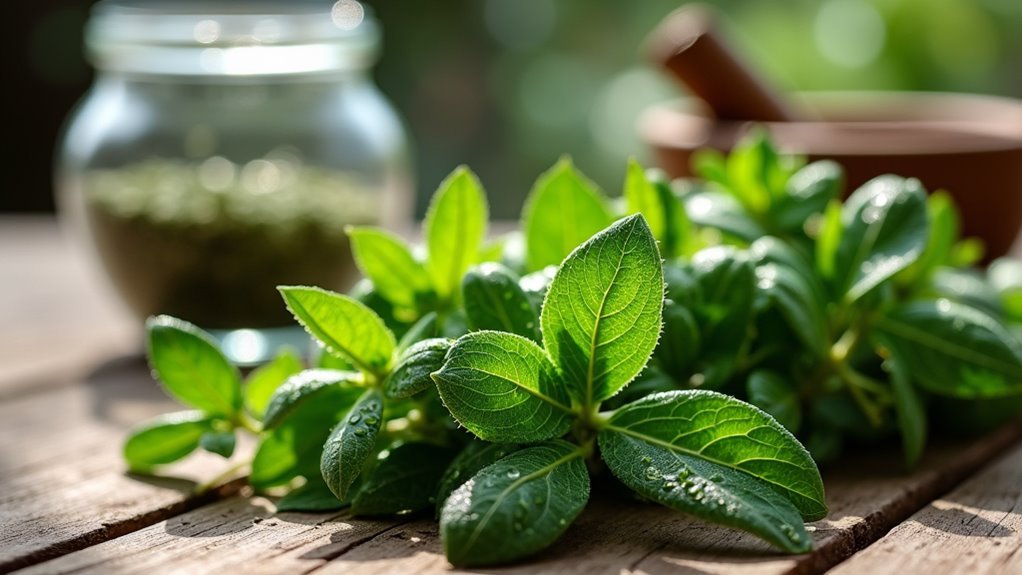
Despite limited clinical validation, you’ll want to understand tarragon’s safety profile before incorporating it into your wellness routine. Following safe usage guidelines guarantees you avoid potential side effects while maximizing benefits.
If you have bleeding disorders, exercise caution with tarragon since it may slow blood clotting and increase bleeding risk. Pregnant women and those breastfeeding should avoid medicinal use entirely due to safety concerns. The herb contains estragole, which poses potential carcinogenic risks during long-term medicinal use, though culinary amounts remain safe.
You might experience allergic reactions if you’re sensitive to Asteraceae family plants.
Stop tarragon use two weeks before surgery to prevent bleeding complications. Monitor your body’s response when first introducing tarragon to identify any adverse effects promptly.
Practical Ways to Incorporate Tarragon for Digestive Health
You’ll find tarragon most effective when you understand the differences between fresh and dried forms, with fresh offering more potent digestive benefits but dried providing longer shelf life and concentrated flavor.
Your daily intake should typically range from 1-2 teaspoons of dried tarragon or 1-2 tablespoons of fresh leaves to maximize digestive support without overwhelming your system.
You can optimize tarragon’s appetite-stimulating effects by consuming it 15-30 minutes before meals or incorporating it into dishes during cooking.
Fresh Vs Dried Forms
When choosing between fresh and dried tarragon for digestive support, you’ll discover distinct advantages to each form that can enhance your culinary approach to appetite stimulation.
Fresh tarragon delivers more intense flavor enhancement and aroma, making it perfect for cooking dishes like roasted chicken and scrambled eggs.
You’ll want to chop the leaves finely to release essential oils that stimulate digestive enzymes.
Dried tarragon offers convenient digestive support while maintaining its nutritional profile.
It’s easily incorporated into sauces and dressings for consistent flavor enhancement.
Both forms work excellently for herbal tea preparation:
- Steep either form in hot water for digestive benefits
- Combine with other digestive herbs like fennel or ginger
- Use regularly to alleviate indigestion and bloating symptoms
Daily Dosage Guidelines
Three simple daily servings of tarragon can transform your digestive health while adding robust flavor to everyday meals. Your ideal daily dosage includes one tablespoon of fresh tarragon in morning scrambled eggs, utilizing its natural appetite-stimulating properties to kickstart digestion.
For lunch, incorporate dried tarragon into meat or fish marinades, where bioactive compounds enhance digestive compound secretion. Evening calls for steeping tarragon leaves into herbal tea, which calms your system while alleviating bloating.
You’ll maximize benefits by rotating between applications—adding tarragon to roasted vegetables like carrots or green beans provides consistent digestive support. Create homemade salad dressings with tarragon to stimulate appetite throughout your meal.
This measured approach guarantees you’re receiving therapeutic amounts without overwhelming your palate, making tarragon an effortless addition to your digestive wellness routine.
Meal Timing Strategies
Strategic meal timing amplifies tarragon’s digestive benefits, turning ordinary eating schedules into powerful appetite-enhancement opportunities.
You’ll maximize this herb’s potential by incorporating it strategically throughout your day, especially during meal timings when appetite typically wanes.
Consider these effective approaches for meal planning with tarragon:
- Pre-meal preparation: Drink herbal tea with tarragon and chamomile 15-20 minutes before eating to stimulate digestive compounds and enhance appetite.
- During-meal integration: Add fresh tarragon to scrambled eggs, roasted chicken, or salads to improve flavor while promoting digestive health.
- Sauce enhancement: Create tarragon-infused sauces like pesto or aioli to accompany proteins, encouraging better digestion and meal enjoyment.
This strategic timing helps enhance digestion naturally while making meals more appetizing and nutritionally beneficial.
Frequently Asked Questions
What Does Tarragon Do to Your Body?
Tarragon stimulates your appetite and enhances digestion by improving insulin sensitivity and glucose metabolism. It’ll boost digestive enzyme secretion, fight harmful gut bacteria with antimicrobial properties, and promote better sleep for overall health.
What Is the Disadvantage of Tarragon?
You’ll face potential carcinogenic risks from estragole, increased bleeding if you’re on blood thinners, possible allergic reactions, and lack of scientific evidence supporting its appetite-stimulating claims.
What Is Tarragon Best Used For?
You’ll find tarragon’s best used for stimulating appetite when you’re experiencing loss of hunger. It’s also excellent for improving digestion, reducing bloating, and enhancing your body’s insulin sensitivity naturally.
What Are the Side Effects of Eating Tarragon?
You’ll likely experience no side effects when eating tarragon in normal food amounts. However, you might face allergic reactions if you’re sensitive to Asteraceae plants, or blood clotting issues.


Leave a Reply