

Sumac fights inflammation so effectively because it’s packed with powerful polyphenolic compounds like flavonoids, phenolic acids, and tannins that work together to target multiple inflammatory pathways in your body. These compounds considerably lower pro-inflammatory cytokines and C-reactive protein levels while neutralizing free radicals that fuel chronic inflammation. You’ll also benefit from sumac’s high fiber content, which promotes gut health and reduces systemic inflammation. The following breakdown reveals exactly how each compound creates this remarkable anti-inflammatory response.
What Makes Sumac a Powerful Anti-Inflammatory Spice
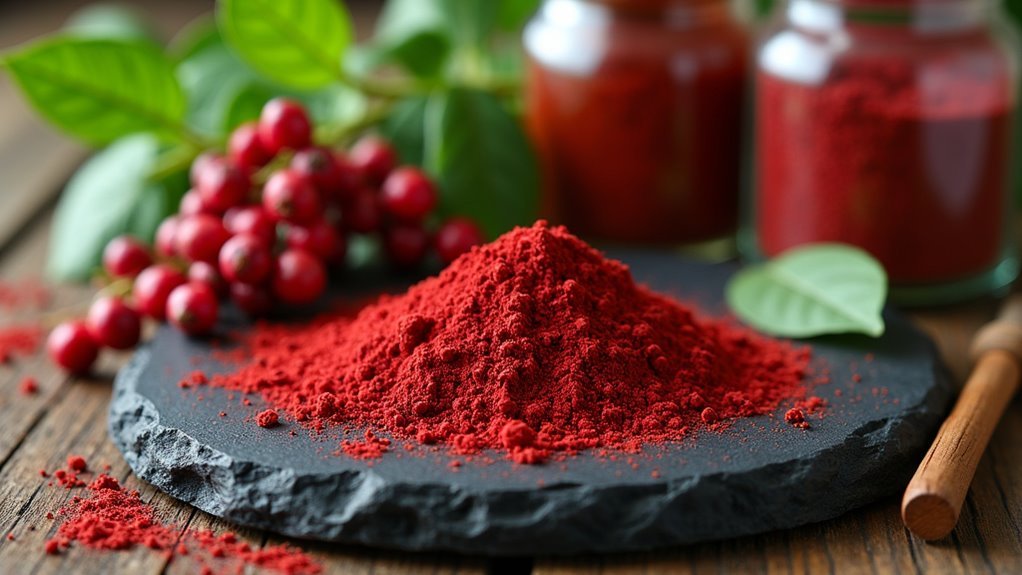
While many spices offer health benefits, sumac stands out as an exceptional anti-inflammatory powerhouse due to its unique combination of bioactive compounds.
You’ll find that sumac’s rich concentration of polyphenolic compounds, especially flavonoids and phenolic acids, delivers potent anti-inflammatory properties that target chronic inflammation at its source. These compounds work alongside tannins to combat oxidative stress, effectively reducing inflammation markers throughout your body.
What’s particularly impressive is sumac’s ability to lower pro-inflammatory cytokines, the key players in your body’s inflammatory response.
Sumac’s remarkable power lies in its ability to directly target and reduce pro-inflammatory cytokines that drive chronic inflammation.
Additionally, you’ll benefit from sumac’s high fiber content, which promotes gut health and creates a cascade effect that reduces systemic inflammation, making it a thorough anti-inflammatory solution.
The Science Behind Sumac’s Antioxidant Properties
Understanding how sumac combats inflammation requires examining the specific antioxidant mechanisms at work within this remarkable spice.
You’ll find that sumac’s impressive antioxidant capacity stems from its rich concentration of polyphenolic compounds, particularly flavonoids and tannins. These powerful molecules actively neutralize free radicals in your body, directly reducing oxidative stress that triggers inflammatory responses.
When you consume sumac, its vitamin C content further enhances these antioxidant effects, creating a thorough defense against inflammation.
Research shows that sumac extracts considerably lower pro-inflammatory cytokines in your system, demonstrating measurable anti-inflammatory results.
Key Compounds in Sumac That Combat Inflammation

Beyond its general antioxidant activity, sumac’s anti-inflammatory power comes from several distinct bioactive compounds that work synergistically to reduce inflammation throughout your body.
The primary drivers are polyphenolic compounds, specifically flavonoids and phenolic acids, which directly inhibit pro-inflammatory cytokine production. These compounds work alongside sumac’s potent antioxidant properties to neutralize free radicals that fuel chronic inflammation.
You’ll also benefit from sumac’s tannins, which provide targeted anti-inflammatory effects that help alleviate symptoms of inflammatory disorders.
Additionally, vitamins C and A strengthen your immune system’s response to inflammation while supporting your body’s natural healing processes.
This powerful combination makes sumac exceptionally effective at addressing inflammation from multiple angles simultaneously.
How Flavonoids in Sumac Reduce Oxidative Stress
When you consume sumac, its flavonoids like quercetin and kaempferol act as your body’s frontline defense against harmful free radicals that cause cellular damage.
These powerful antioxidants work through specific biochemical pathways to neutralize oxidative molecules before they can wreak havoc on your cells.
You’ll benefit from sumac’s protective mechanisms that strengthen your cellular defenses and reduce the inflammatory cascade triggered by oxidative stress.
Flavonoids Combat Free Radicals
Although your body constantly produces free radicals as part of normal cellular processes, sumac’s abundant flavonoids serve as powerful defenders against these potentially harmful molecules.
These antioxidant compounds actively neutralize free radicals before they can damage your cells and trigger inflammation. When free radicals accumulate faster than your body can handle them, oxidative stress occurs, creating a cascade of inflammatory responses throughout your system.
Sumac’s flavonoids, particularly quercetin and kaempferol, work by donating electrons to unstable free radicals, effectively stabilizing them and preventing cellular damage.
This protective mechanism markedly reduces oxidative stress levels in your body. By consistently consuming sumac, you’re strengthening your natural antioxidant defense system, which helps break the cycle between free radical damage and chronic inflammation.
Antioxidant Pathways Explained
Understanding how sumac’s flavonoids reduce oxidative stress requires examining the complex cellular pathways these compounds activate within your body.
Sumac’s antioxidant mechanisms work through multiple sophisticated pathways:
- Free radical scavenging – Quercetin and anthocyanins directly neutralize harmful free radicals before they damage your cells.
- Endogenous antioxidant enhancement – Flavonoids stimulate your body’s natural glutathione production, strengthening internal defenses.
- Signaling pathway modulation – These compounds regulate NF-κB and MAPK pathways, controlling inflammation responses.
- Synergistic amplification – Phenolic acids work alongside flavonoids to maximize oxidative stress reduction.
This multi-layered approach explains why sumac’s anti-inflammation effects are so pronounced.
When flavonoids activate these pathways simultaneously, they create a thorough defense system that both prevents oxidative damage and reduces existing inflammation throughout your body.
Cellular Protection Mechanisms
Since oxidative stress occurs when free radicals overwhelm your body’s natural defenses, sumac’s flavonoids act as cellular bodyguards that intercept these damaging molecules before they can harm your tissues.
These powerful compounds, including anthocyanins and quercetin, neutralize free radicals through their potent antioxidant properties, maintaining your cellular health at the molecular level.
When you consume sumac regularly, its polyphenolic compounds enhance your body’s natural defense mechanisms, supporting cell integrity and reducing inflammation markers.
The flavonoids modulate inflammatory pathways by inhibiting pro-inflammatory cytokines that drive chronic inflammation.
This dual protection against oxidative stress and inflammation creates a powerful shield for your cells, potentially improving your metabolic health and reducing disease risks associated with cellular damage.
Phenolic Acids: Sumac’s Secret Weapon Against Inflammation
Nature’s pharmacy holds countless treasures, but few compounds pack the anti-inflammatory punch of sumac’s phenolic acids. These powerful antioxidants work as your body’s defense system, targeting inflammation at its source and protecting you from oxidative damage.
Sumac’s phenolic arsenal includes gallic acid and ellagic acid, which actively inhibit inflammatory pathways and reduce pro-inflammatory cytokine production.
Here’s how these compounds benefit your health:
- Inflammation Control – They directly suppress inflammatory responses throughout your body.
- Antioxidant Protection – They neutralize harmful free radicals before cellular damage occurs.
- Chronic Disease Management – They help manage chronic inflammatory conditions like arthritis and cardiovascular disease.
- Metabolic Enhancement – They improve overall metabolic health while reducing inflammation markers.
You’ll experience tangible health improvements when you harness sumac’s phenolic power consistently.
Tannins and Their Role in Sumac’s Healing Properties

While phenolic acids grab much of the spotlight, tannins form sumac’s equally impressive second line of defense against inflammation and disease.
These polyphenolic compounds deliver powerful antioxidant properties that neutralize free radicals and reduce oxidative stress throughout your body.
You’ll benefit from tannins’ anti-inflammatory effects as they inhibit pro-inflammatory enzymes, potentially alleviating chronic inflammation. They modulate your immune responses, helping balance inflammatory processes and supporting overall immune health.
Your gut health improves markedly when tannins promote beneficial bacteria growth while reducing gastrointestinal tract inflammation.
Additionally, these compounds aid in managing metabolic disorders by reducing inflammation associated with obesity and insulin resistance.
Together with phenolic acids, tannins make sumac a formidable ally in your fight against inflammation.
Clinical Studies on Sumac’s Anti-Inflammatory Effects
You’ll find that human trials have consistently demonstrated sumac’s powerful anti-inflammatory effects, with participants showing measurable reductions in inflammatory cytokines after consuming sumac extract.
These clinical studies reveal how sumac’s antioxidant compounds effectively combat oxidative stress by inhibiting pro-inflammatory pathways in your body.
Research also shows you can benefit from sumac’s role in managing metabolic diseases, as its anti-inflammatory properties help regulate blood sugar levels and reduce insulin resistance.
Human Trial Results
Multiple clinical trials have established sumac’s remarkable anti-inflammatory capabilities through measurable reductions in key inflammatory markers.
When you examine the human trial data, you’ll discover compelling evidence of sumac’s therapeutic potential for managing chronic inflammation.
Key findings from controlled studies include:
- C-reactive protein reduction – Participants showed significant decreases in CRP levels after sumac supplementation.
- Cytokine suppression – Notable reductions in inflammatory cytokines demonstrated sumac’s systemic anti-inflammatory effects.
- Metabolic syndrome improvement – Inflammation linked to obesity and insulin resistance decreased markedly.
- Symptom relief – Individuals reported reduced inflammatory condition symptoms when taking sumac capsules.
The antioxidant compounds in sumac, particularly flavonoids and phenolic acids, drive these impressive results, offering you a natural approach to inflammation management.
Oxidative Stress Reduction
Beyond reducing inflammatory markers, sumac’s clinical benefits extend to its powerful oxidative stress reduction capabilities.
When you consume sumac, you’re harnessing its rich polyphenolic compounds that directly combat cellular damage. Clinical studies demonstrate that sumac considerably decreases lipid peroxidation levels while boosting your body’s antioxidant status. You’ll benefit from its ability to neutralize harmful free radicals that trigger inflammation throughout your system.
Research shows sumac’s anti-inflammatory effects work by enhancing your overall antioxidant capacity, creating a protective shield against oxidative stress.
This dual action—reducing inflammation while strengthening antioxidant defenses—makes sumac particularly effective for managing chronic conditions. By incorporating sumac into your routine, you’re supporting your body’s natural ability to fight oxidative damage and maintain healthier inflammatory responses.
Metabolic Disease Management
While sumac’s antioxidant properties provide foundational health benefits, clinical research reveals its most compelling advantages in metabolic disease management. Studies demonstrate that sumac’s polyphenolic compounds effectively target inflammation markers associated with obesity and type 2 diabetes, creating measurable improvements in patient outcomes.
Research shows sumac supplementation delivers four key metabolic benefits:
- Reduced inflammatory cytokines – Animal studies reveal significant decreases in inflammation markers.
- Enhanced insulin sensitivity – Clinical trials demonstrate improved glucose metabolism.
- Better blood sugar control – Participants experienced particularly lower blood glucose levels.
- Liver and cardiovascular protection – Evidence suggests reduced complications from atherosclerosis and liver diseases.
You’ll find sumac’s anti-inflammatory mechanisms particularly effective because its antioxidant compounds directly combat oxidative stress while simultaneously addressing multiple metabolic disease pathways.
Comparing Sumac to Other Anti-Inflammatory Spices
How does sumac stack up against other well-known anti-inflammatory spices in your kitchen? While turmeric’s curcumin gets attention, sumac delivers antioxidant and anti-inflammatory power through unique polyphenolic compounds that reduce inflammation via different pathways. Unlike ginger’s gingerol-focused approach, sumac provides broader beneficial compounds with exceptional health benefits.
| Spice | Primary Anti-Inflammatory Compound |
|---|---|
| Sumac | Polyphenolic compounds & flavonoids |
| Turmeric | Curcumin |
| Ginger | Gingerol |
Studies show sumac’s capabilities rival cinnamon’s ability to decrease inflammatory markers like C-reactive protein. While cayenne’s capsaicin offers pain relief, sumac combines inflammation-fighting properties with a distinctive tart flavor, expanding your culinary uses. You’ll find sumac’s high antioxidant levels often surpass common spices, making it a powerful addition to your anti-inflammatory arsenal.
How Sumac Supports Immune System Function
Your immune system gets a powerful boost from sumac’s impressive array of nutrients and bioactive compounds. This vibrant spice delivers targeted support through multiple pathways that strengthen your body’s natural defenses.
Here’s how sumac enhances your immune health:
- Antioxidant protection – Flavonoids and phenolic acids combat oxidative stress that can weaken immune responses.
- Anti-inflammatory action – Reduces chronic inflammation that compromises your immune system’s effectiveness.
- Vitamin C content – Stimulates white blood cell production and reinforces your skin’s protective barrier.
- Gut microbiome support – High fiber content promotes beneficial bacteria essential for peak immune function.
Research shows sumac’s antimicrobial properties also help your body fight infections more effectively, creating a thorough immune defense system that keeps you healthier year-round.
The Connection Between Sumac and Cardiovascular Health
Your heart benefits greatly from sumac’s powerful antioxidants, which combat oxidative stress and inflammation that can damage your cardiovascular system.
The flavonoids and phenolic acids in sumac work to lower your cholesterol levels and reduce your risk of developing heart disease.
Additionally, sumac helps regulate your blood sugar and improves insulin sensitivity, both essential factors for maintaining ideal heart health.
Antioxidants Support Heart Health
When it comes to protecting your cardiovascular system, sumac’s powerful antioxidants work as your heart’s natural defense team. These compounds, including flavonoids and phenolic acids, actively combat oxidative stress and inflammation—two major contributors to cardiovascular diseases.
Here’s how sumac’s antioxidants support your heart health:
- Reduce cholesterol levels by minimizing inflammation in blood vessels
- Improve blood flow through enhanced vascular function and reduced arterial plaque buildup
- Support metabolic health by helping regulate blood sugar levels and preventing complications
- Combat atherosclerosis by protecting arteries from oxidative damage and inflammatory responses
You’ll find that incorporating sumac into your diet provides consistent antioxidant protection, creating a foundation for long-term cardiovascular wellness and reduced disease risk.
Blood Sugar Regulation Benefits
Blood sugar regulation stands as one of sumac’s most significant cardiovascular benefits, creating a protective cascade that strengthens your heart’s long-term health.
When you consume sumac, you’re helping your body maintain stable glucose levels, which directly impacts inflammation throughout your cardiovascular system. This blood sugar regulation prevents the damaging spikes that trigger inflammatory responses in your blood vessels.
You’ll find that sumac’s ability to improve insulin sensitivity enhances your overall metabolic health, reducing strain on your heart.
Sumac’s Impact on Metabolic Inflammation
While metabolic inflammation silently damages your body’s cellular processes, sumac’s potent polyphenolic compounds actively combat this harmful cascade.
These inflammation-fighting antioxidants target oxidative stress at its source, disrupting the cycle that leads to metabolic dysfunction.
Sumac’s powerful antioxidants intercept oxidative damage before it triggers the inflammatory cascade that undermines your metabolic function.
Your metabolic health improves when sumac’s fiber content supports gut integrity, reducing systemic inflammation that contributes to various disorders.
The herb’s ability to regulate blood sugar levels creates an additional anti-inflammatory effect, as stable glucose prevents inflammatory spikes.
Clinical research demonstrates sumac’s measurable impact through:
- Reduced C-reactive protein levels in metabolic syndrome patients
- Decreased oxidative stress markers throughout your body
- Improved insulin sensitivity supporting glucose metabolism
- Enhanced gut microbiome balance reducing inflammatory triggers
These mechanisms work synergistically to restore your body’s inflammatory balance.
Optimal Ways to Consume Sumac for Maximum Anti-Inflammatory Benefits
Transform your daily meals into powerful anti-inflammatory therapy by strategically incorporating sumac into dishes that enhance its bioavailability.
You’ll maximize sumac’s rich antioxidant potential by adding it to fresh salads like Fattoush, where vegetables amplify its anti-inflammatory properties.
Incorporate sumac into meat marinades alongside garlic and olive oil to tenderize protein while delivering concentrated health benefits.
Create revitalizing sumac lemonade for a hydrating way to consume these powerful compounds throughout the day.
Boost dips like hummus or tzatziki with sumac for easy daily integration that adds zesty flavor.
Combine sumac with turmeric to create an anti-inflammatory powerhouse blend that enhances both taste and therapeutic effects across various dishes.
Precautions and Considerations When Using Sumac Medicinally
Although sumac offers impressive anti-inflammatory benefits, you’ll need to approach its medicinal use with proper caution and awareness of potential risks.
Before incorporating sumac into your wellness routine, consider these essential precautions:
- Allergy considerations – If you’re allergic to cashews or mango, exercise caution due to potential cross-reactivity and consult your healthcare provider if uncertain about safety.
- Blood sugar monitoring – Sumac may lower glucose levels, so monitor closely if you’re taking diabetes medications and discuss with your doctor beforehand.
- Medicinal forms consultation – Always consult a healthcare professional regarding appropriate dosages and potential interactions with other medications when using concentrated sumac preparations.
- Pregnancy and breastfeeding – Seek medical advice before using sumac supplements, as safety during these periods hasn’t been extensively studied.
Frequently Asked Questions
Is Sumac Good for Inflammation?
Yes, you’ll find sumac excellent for fighting inflammation. Its rich antioxidants, tannins, and phenolic compounds actively reduce inflammatory markers while you’re combating oxidative stress and chronic inflammation-related conditions.
What Did the Indians Use Sumac For?
Native Americans used sumac to make invigorating beverages, treat skin and digestive ailments, create natural dyes for textiles, season foods, and incorporate into ceremonial practices. You’d find it versatile in traditional medicine and daily life.
What Does Sumac Do to the Body?
When you consume sumac, it delivers powerful antioxidants that reduce inflammation throughout your body. It’ll support your digestive health, help regulate blood sugar levels, and provide antimicrobial benefits that boost your overall wellness.
Does Sumac Increase Testosterone?
You won’t find conclusive evidence that sumac directly increases testosterone levels. While its antioxidants might indirectly support hormonal balance by reducing oxidative stress, you’ll need more specific research to confirm testosterone-boosting effects.


Leave a Reply