

To restore gut flora after stress damage, you’ll need to rebuild beneficial bacteria with probiotic foods like yogurt, kimchi, and kefir while feeding them prebiotic fibers from garlic, onions, and whole grains. Aim for 21-38 grams of daily fiber and include polyphenol-rich foods like berries and dark chocolate to enhance microbial diversity. Managing stress through proper sleep, exercise, and mindfulness creates ideal conditions for recovery. The complete restoration process involves specific lifestyle changes and strategic dietary implementation.
Understanding How Stress Disrupts Your Gut Microbiome
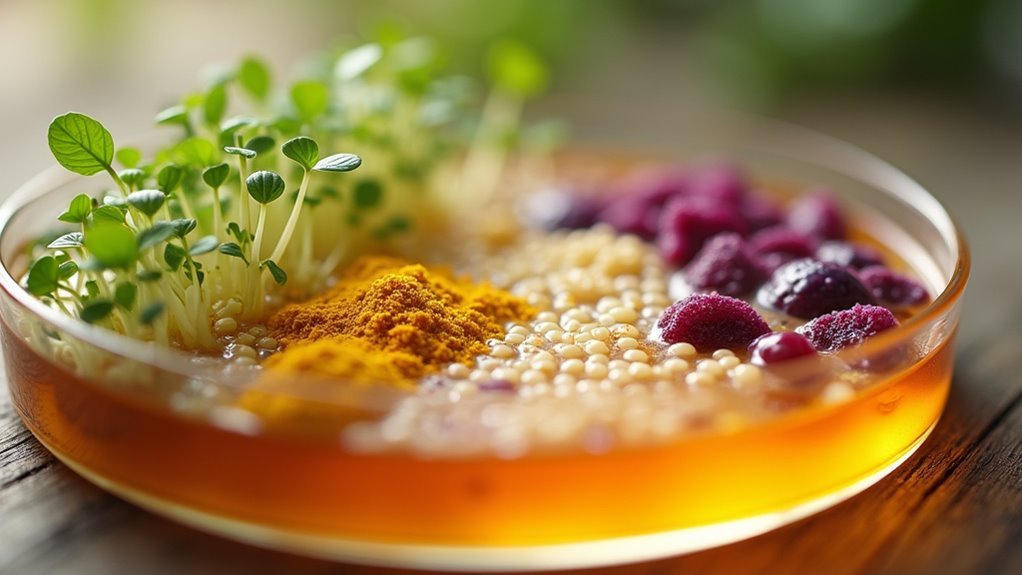
When you’re under stress, your body doesn’t just feel the mental pressure—your gut microbiome takes a direct hit too.
Stress fundamentally alters your gut bacteria composition, mimicking the damaging effects of high-fat diets. This disruption reduces beneficial microbial diversity, weakening your intestinal ecosystem.
Your stress response increases intestinal permeability, creating “leaky gut” that allows toxins to enter your bloodstream and trigger chronic inflammation.
The changes in your gut bacteria don’t stay isolated—they create a vicious cycle where stress-induced bacterial shifts worsen anxiety and depression symptoms.
Additionally, prolonged stress depletes short-chain fatty acids, essential compounds your gut bacteria produce for peak digestive health.
This gut-brain connection means stress damages your microbiome while an unhealthy gut amplifies your stress levels.
The Science Behind Stress-Induced Gut Flora Imbalance
Although researchers have long suspected a connection between stress and digestive issues, modern science now reveals the precise mechanisms behind this relationship.
When you’re stressed, your gut health suffers through multiple pathways that create a destructive cycle. Stress dramatically reduces your gut’s microbial diversity, mimicking the damaging effects of high-fat diets. Your intestinal barrier weakens, developing “leaky gut” that allows toxins into your bloodstream.
Stress unleashes a cascade of gut damage, slashing microbial diversity and creating leaky barriers that flood your bloodstream with toxins.
This disruption decreases beneficial bacteria that produce short-chain fatty acids, essential compounds that normally protect your gut lining.
The imbalance creates a vicious feedback loop: damaged gut flora triggers increased anxiety and depression, which generates more stress. This perpetual cycle continues weakening your digestive system until you actively intervene to break it.
Rebuilding Your Microbiome With Probiotic-Rich Foods

Since your stress has disrupted your gut’s delicate ecosystem, you’ll need to actively replenish it with live beneficial bacteria. Probiotic-rich foods offer the most effective way to restore balance and rebuild your microbiome naturally.
These foods deliver live cultures directly to your digestive system, enhancing the gut-brain axis and potentially improving your mood while reducing anxiety. The beneficial microorganisms influence neurotransmitter production, creating a powerful connection between your healthy gut and mental well-being.
Essential probiotic-rich foods to incorporate:
- Yogurt with live cultures for daily probiotic support
- Kimchi and sauerkraut for diverse bacterial strains
- Kombucha for additional gut-healing compounds
- Kefir for concentrated probiotic density
Always check labels for “contains live cultures” to verify you’re getting active beneficial microorganisms that’ll restore your gut’s natural resilience.
Essential Prebiotic Foods to Feed Beneficial Bacteria
While replenishing beneficial bacteria is essential, you can’t overlook the equally important step of feeding these microorganisms once they’re established. Prebiotic foods serve as fuel for beneficial bacteria, containing indigestible fibers that promote their growth and activity.
Focus on incorporating garlic, onions, and bananas into your daily meals, as these powerhouses stimulate healthy gut flora development.
Expand your prebiotic arsenal with whole grains, fruits, and vegetables. Dandelion greens and oats are particularly effective at nourishing your microbiome. Aim for 21 to 38 grams of fiber daily to maintain ideal bacterial balance.
These prebiotic foods decrease gut inflammation, which directly reduces anxiety and stress levels. A varied prebiotic-rich diet enhances microbial diversity, creating resilience against future stress damage while supporting long-term gut health restoration.
Fiber’s Role in Restoring Healthy Gut Function
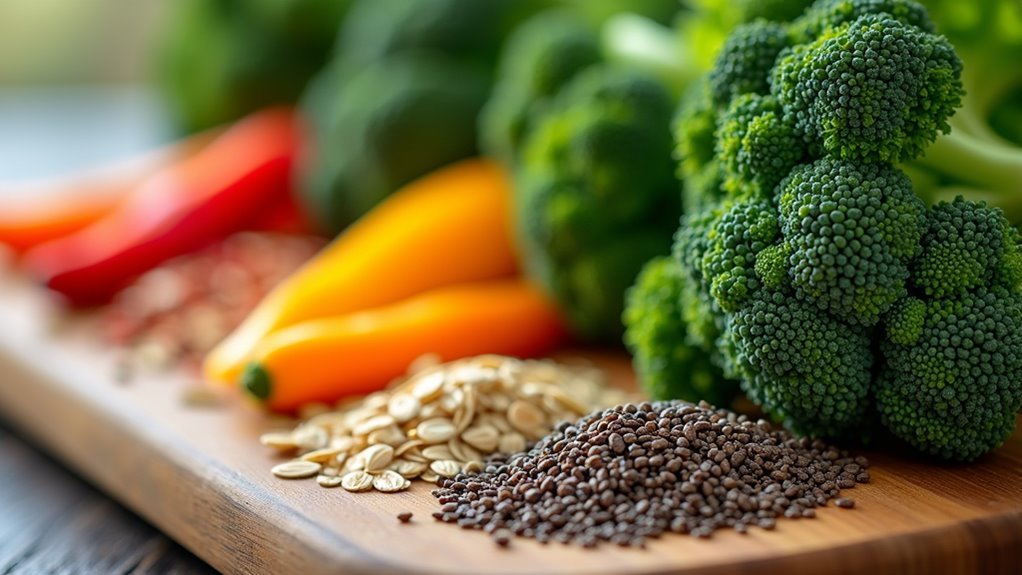
When stress damages your gut microbiome, fiber becomes your most powerful ally in rebuilding healthy digestive function. Acting as a prebiotic, fiber feeds beneficial bacteria and promotes their growth, directly restoring the balance stress disrupts.
Fiber acts as a prebiotic powerhouse, feeding beneficial bacteria and directly counteracting stress-induced gut microbiome damage.
You’ll need 21-38 grams daily to see meaningful improvements in microbial diversity and reduced inflammation.
Here’s how fiber transforms your gut health:
- Increases beneficial bacteria populations through targeted prebiotic feeding
- Produces short-chain fatty acids that strengthen your gut barrier and reduce permeability
- Enhances microbial diversity by supporting different bacterial strains
- Reduces stress-related inflammation throughout your digestive system
Focus on incorporating legumes, whole grains, fruits, and vegetables into your meals.
A diverse gut microbiome requires varied fiber sources, so rotate different high-fiber foods to maximize restoration benefits.
Protein Sources That Support Gut Recovery
Beyond fiber’s rebuilding power, protein plays an equally essential role in restoring your gut’s health after stress damage. Different protein sources provide essential amino acids that help your body produce mood-regulating signals and support beneficial gut bacteria.
Fill a quarter of your plate with varied proteins like chicken, fish, beans, and nuts. Each type contributes uniquely to your gut’s recovery process. Animal proteins offer complete amino acid profiles, while plant-based options like legumes and nuts enhance microbial diversity.
This variety matters because inadequate protein directly impacts your mood and gut microbiota balance. When you include both animal and plant protein sources, you’re giving your gut the building blocks it needs to rebuild resilience against future stress-induced damage.
Polyphenol-Rich Foods for Enhanced Microbial Diversity
After establishing your protein foundation, polyphenols become your gut’s next powerful ally in rebuilding microbial diversity.
These plant compounds act as specialized food for your beneficial bacteria, creating an environment where healthy microbes can flourish and multiply.
Unlike other nutrients, polyphenol-rich foods aren’t fully absorbed in your small intestine. Instead, they travel to your colon where gut bacteria ferment them into beneficial short-chain fatty acids.
This process directly feeds your microbiome while reducing inflammation throughout your digestive system.
Essential polyphenol-rich foods to incorporate include:
- Berries, apples, and grapes for antioxidant power
- Onions and spinach for prebiotic support
- Dark chocolate and green tea for concentrated compounds
- Colorful vegetables for maximum variety
Diversifying these foods creates a more resilient, balanced gut ecosystem.
Fermented Foods That Accelerate Gut Healing
You’ll find that certain fermented foods like kefir, kimchi, and kombucha pack the most powerful punch for healing your stressed gut microbiome.
The timing of when you consume these probiotic-rich foods can dramatically impact how effectively they colonize and restore your gut flora.
To maximize their healing potential, you’ll need to preserve the live cultures through proper storage and preparation methods.
Best Healing Fermented Foods
Which fermented foods pack the most healing power for your stressed gut? The answer lies in selecting varieties that deliver the highest concentrations of beneficial probiotics and nutrients.
These fermented foods contain live cultures of good bacteria that actively restore microbial balance after stress-induced damage.
The top gut-healing champions include:
- Yogurt and kefir – Contain diverse live cultures that enhance gut health and restore beneficial bacteria populations
- Sauerkraut and kimchi – Rich in fiber, probiotics, and antioxidants that promote healthy bacterial growth
- Kombucha – High in acetic acid and probiotics, improving digestion and flora diversity
- Miso and tempeh – Fermented soy products providing probiotics, protein, and essential nutrients for gut repair
Incorporating multiple varieties increases microbial diversity and accelerates healing.
Optimal Consumption Timing Methods
When you consume fermented foods matters just as much as what you eat for ideal gut restoration. Your best consumption timing can greatly impact how effectively these healing foods repair stress-damaged microbiomes.
| Timing | Fermented Foods | Key Benefits |
|---|---|---|
| With Breakfast | Yogurt, Kefir | Kickstarts daily digestion |
| During Lunch | Sauerkraut, Kimchi | Enhances nutrient absorption |
| With Dinner | Miso, Tempeh | Supports meal breakdown |
| Post-Meal | Kombucha, Pickles | Maximizes probiotic delivery |
| Evening | Any fermented foods | Promotes overnight gut healing |
Eating fermented foods during or after major meals improves nutrient absorption while maximizing probiotic benefits. Evening consumption particularly supports gut healing overnight when your body’s in its natural restorative state, allowing best microbial activity and digestive repair.
Live Culture Preservation Tips
Three critical factors determine whether your fermented foods actually deliver their promised gut-healing benefits. You must preserve live cultures to maximize their therapeutic potential for stress-damaged gut flora.
Temperature control is paramount when handling your fermented foods. Heat exposure above 115°F kills beneficial bacteria, so avoid cooking or microwaving these products. Store them properly in your refrigerator to maintain culture viability.
- Always check labels for “contains live cultures” or “live and active cultures” statements
- Purchase from refrigerated sections rather than shelf-stable versions when possible
- Consume fermented foods within their expiration dates for maximum potency
- Add fermented foods to cool or room-temperature dishes instead of hot preparations
Your commitment to preserving live cultures guarantees ideal probiotic delivery for gut restoration.
Lifestyle Changes to Support Microbiome Restoration
Beyond dietary changes, you’ll need to address the lifestyle factors that directly impact your gut microbiome recovery.
Managing your stress levels, improving your sleep quality, and spending time in natural environments create the ideal conditions for beneficial bacteria to flourish.
These foundational lifestyle shifts work synergistically with your nutrition efforts to accelerate the restoration of your gut flora after stress-induced damage.
Stress Management Techniques
Since stress directly disrupts your gut microbiome by elevating cortisol levels and reducing beneficial bacterial diversity, implementing targeted lifestyle changes becomes essential for restoration.
Effective stress management techniques can considerably improve your gut health by creating an environment where healthy bacteria thrive. When you actively manage stress, you’ll lower cortisol production and allow your microbiome to recover naturally.
Key strategies include:
- Practice belly breathing and mindfulness – These relaxation techniques reduce stress hormones that harm gut diversity.
- Exercise regularly for 150-270 minutes weekly – Physical activity promotes beneficial microbial growth.
- Spend time in nature – Outdoor exposure introduces beneficial microbes that restore gut flora.
- Maintain proper hydration – Drinking four to six cups of water daily supports healthy bacterial growth.
Sleep Quality Improvement
While stress management forms the foundation of gut restoration, your sleep quality plays an equally critical role in rebuilding healthy microbiota.
Poor sleep disrupts microbial diversity and triggers gut inflammation, worsening stress-related damage to your flora. You’ll need 7-9 hours of uninterrupted sleep nightly to support ideal gut health and recovery from dysbiosis.
Establish a consistent sleep schedule and create a relaxing bedtime routine to enhance your sleep quality. This consistency helps restore your gut microbiota naturally.
You can improve your sleep by limiting screen time before bed and creating a comfortable sleep environment. These simple changes promote healthier gut flora while supporting your body’s natural recovery processes from stress-induced microbiome damage.
Natural Environment Exposure
Although modern indoor living limits your microbial exposure, connecting with natural environments can dramatically boost your gut microbiome diversity and accelerate recovery from stress-related dysbiosis.
Spending time outdoors reduces stress hormones that disrupt gut bacteria balance while simultaneously introducing beneficial microbes your digestive system needs.
Children raised on farms demonstrate this principle perfectly—they develop robust gut health and fewer autoimmune conditions due to constant microbial exposure.
- Garden regularly to directly contact soil microbes that enhance gut diversity
- Hike through forests where biodiversity-rich environments provide varied microbial exposure
- Visit parks frequently instead of staying in sanitized indoor spaces
- Encourage outdoor play for children to build stronger microbiome foundations
These natural exposures work synergistically with stress reduction to restore your gut health more effectively than indoor recovery methods alone.
Creating a 7-Day Gut Recovery Action Plan
When stress disrupts your gut microbiome, you need a structured approach that rebuilds beneficial bacteria while addressing the root causes of imbalance. This seven-day plan targets multiple restoration pathways simultaneously.
Start with fermented good foods like yogurt or sauerkraut to introduce diverse probiotics.
Day two focuses on fiber-rich vegetables, fruits, and whole grains—aim for 25-38 grams daily to feed beneficial bacteria.
Day three involves outdoor exposure through gardening or nature walks, introducing environmental microbes that enhance microbiome diversity.
Replace refined grains with whole grain alternatives on day four, providing essential nutrients for gut health.
Day five emphasizes stress reduction through belly breathing and mindfulness practices, directly addressing the original cause of microbiome disruption.
This systematic approach guarantees thorough gut flora restoration.
Frequently Asked Questions
How Do You Heal Your Gut After Stress?
You’ll heal your gut after stress by eating protein-rich foods, consuming probiotics like yogurt, increasing fiber intake, adding prebiotic foods, and practicing stress management techniques like mindfulness and regular exercise.
How to Get Your Gut Flora Back to Normal?
You’ll restore gut flora by eating diverse protein sources, consuming probiotic foods with live cultures, increasing fiber intake, adding prebiotic foods, and limiting processed sugars while maintaining consistent healthy eating habits.
How Do You Heal an Unhealthy Gut?
You’ll heal an unhealthy gut by eating high-fiber foods like legumes and whole grains, adding probiotic-rich yogurt and kimchi, consuming prebiotic garlic and onions, reducing processed foods, and managing stress effectively.
How to Heal Stomach After Stress?
You can heal your stress-damaged stomach by eating probiotic foods, drinking plenty of water, exercising regularly, and practicing stress management techniques like deep breathing to restore your gut’s natural balance.


Leave a Reply