

You’ll experience enhanced immune function with reishi mushrooms through their 400+ bioactive compounds, including beta-glucans that activate white blood cells, natural killer cells, and T lymphocytes immediately upon consumption. These “Mushrooms of Immortality” stimulate cytokine production while reducing harmful inflammation through triterpenoids, creating coordinated immune responses against pathogens and cancer cells. When you explore the therapeutic dosing ranges and specific mechanisms below, you’ll discover how to optimize these powerful immune-modulating effects.
What Makes Reishi Mushrooms the “Mushroom of Immortality”
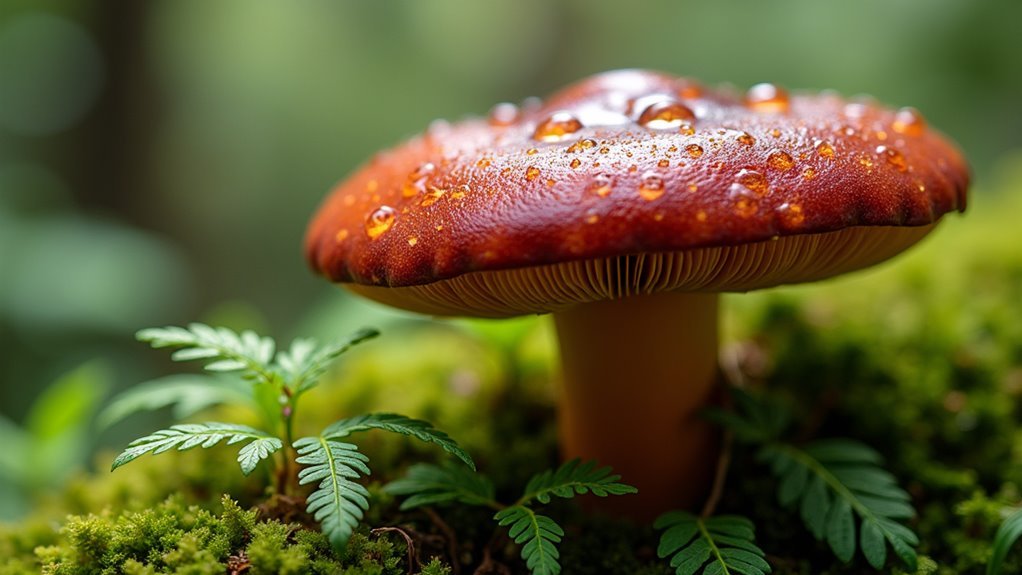
What transforms an ordinary fungus into an ancient symbol of eternal life? You’ll find the answer in Reishi mushrooms, scientifically called Ganoderma lucidum. This remarkable fungus earned its “Mushroom of Immortality” title through centuries of traditional medicine use promoting longevity and health.
You’re getting over 400 bioactive compounds when you consume Reishi, including powerful polysaccharides and triterpenes that enhance your immune function. These compounds stimulate your white blood cells production, particularly natural killer cells that defend against infections and diseases.
Reishi delivers over 400 bioactive compounds that boost your immune system by stimulating white blood cells and natural killer cells.
Reishi’s anti-inflammatory properties help you combat chronic inflammation, reducing risks of age-related diseases like cancer and heart disease.
You’ll also benefit from rich antioxidants that protect your cells from oxidative stress, supporting cellular health and contributing to the longevity benefits that made this mushroom legendary.
How Reishi Polysaccharides Enhance White Blood Cell Function
When you consume Reishi mushrooms, their beta-glucan polysaccharides immediately begin enhancing your white blood cell function through direct cellular activation.
Reishi mushrooms contain these powerful compounds that stimulate natural killer cells and increase your overall white blood cell count, strengthening your body’s defense against infections.
These polysaccharides don’t just boost numbers—they enhance immune functions by activating dendritic cells, which initiate and regulate your immune responses.
You’ll experience improved T lymphocyte function, supporting your adaptive immunity against various pathogens.
The polysaccharides trigger cytokine expression, enabling vital communication between immune cells and coordinating your body’s defensive responses.
This extensive activation means your immune system operates more efficiently, providing better protection against threats while maintaining ideal cellular communication throughout your body.
Beta-Glucans and Their Role in Immune System Activation
You’ll find that beta-glucans possess unique molecular structures that make them particularly effective at triggering your immune system’s defensive responses.
These polysaccharides directly stimulate your white blood cells, including macrophages and natural killer cells, enhancing their ability to identify and eliminate threats.
When beta-glucans activate your body’s complement pathways, they create a powerful defense network that marks pathogens for destruction while boosting your cells’ capacity to engulf and destroy harmful invaders.
Beta-Glucan Structure Properties
While many compounds contribute to reishi mushroom’s therapeutic effects, beta-glucans stand out as the primary drivers of its immune-enhancing properties. These polysaccharides possess a unique beta-1,3/1,6-glucan structure that’s particularly effective at immune modulation.
When you consume reishi, these complex carbohydrates directly activate your immune system’s key defenders.
The specific structural arrangement of beta-glucans allows them to bind with receptor sites on macrophages and natural killer cells, triggering immediate immune responses. This binding stimulates your white blood cells to produce cytokines, essential signaling molecules that coordinate your body’s defense mechanisms.
The intricate branching pattern of reishi’s beta-glucans creates multiple binding sites, maximizing their ability to enhance your immune cell function and proliferation during times when your system needs strengthening most.
White Cell Stimulation
How do reishi’s beta-glucans transform your white blood cells into more effective immune defenders? These powerful polysaccharides directly activate your macrophages and natural killer cells, boosting their pathogen-fighting capabilities.
When you consume reishi mushrooms regularly, you’ll experience a significant increase in white blood cell count, strengthening your body’s defense mechanisms against infections and diseases.
The beta-glucans in reishi don’t just enhance immune cell quantity—they improve quality too. Your T lymphocytes become more efficient at identifying and eliminating threats, while your adaptive immunity receives a substantial upgrade.
This immune stimulation helps maintain peak health by creating balanced inflammatory responses, reducing autoimmune reaction risks while maximizing your protection against harmful invaders.
Pathogen Defense Mechanisms
When pathogenic invaders breach your body’s initial barriers, reishi’s beta-glucans spring into action as your cellular defense commanders.
These powerful polysaccharides enhance your immune functions by directly activating macrophages and natural killer cells, transforming them into aggressive pathogen defense specialists. You’ll experience improved blood circulation of activated white cells that aggressively hunt down bacteria, viruses, and other threats.
Your enhanced immune system receives multiple defensive advantages:
- Increased phagocytic activity – Your immune cells engulf and destroy invaders more effectively
- Cytokine production boost – Signaling molecules coordinate stronger defensive responses
- Enhanced NK cell function – Natural killer cells eliminate infected cells rapidly
- Macrophage activation – These cellular warriors become more aggressive pathogen hunters
This thorough pathogen defense mechanism greatly improves your body’s ability to neutralize threats before they establish infections.
Reishi’s Impact on T Lymphocyte Cell Management
Although T lymphocytes serve as your immune system’s primary coordinators, reishi mushrooms can greatly enhance their function and management. When you consume reishi, its polysaccharides trigger increased helper T-cell production, strengthening your body’s ability to coordinate immune responses against pathogens.
Research demonstrates that reishi supplementation improves T lymphocyte cytotoxic activity, particularly against cancer cells. This immune modulation occurs through reishi’s ability to balance T lymphocyte activity rather than simply boosting it.
You’ll benefit from enhanced immune response coordination while maintaining proper regulation. Studies show that cancer patients experience improved treatment outcomes when reishi enhances their T lymphocyte function.
Triterpenoids: The Anti-Inflammatory Compounds Behind Immune Support
Beyond T lymphocyte enhancement, reishi’s triterpenoids serve as powerful anti-inflammatory compounds that directly support your immune system’s effectiveness.
These bioactive molecules in Ganoderma lucidum excel at immune modulation by targeting chronic inflammation that undermines your body’s natural defenses.
Ganoderma lucidum’s bioactive compounds masterfully regulate immune function by directly attacking the chronic inflammation that weakens your body’s protective mechanisms.
When you consume reishi regularly, triterpenoids enhance natural killer cells production and activity, strengthening your ability to eliminate infected or cancerous cells. They also suppress pro-inflammatory cytokines that contribute to immune dysregulation.
- Reduce chronic inflammation linked to heart disease, diabetes, and cancer
- Boost natural killer cells for enhanced pathogen resistance
- Suppress harmful pro-inflammatory cytokines
- Combat oxidative stress while promoting cellular resilience
This anti-inflammatory action creates a foundation for overall wellness, helping your immune system maintain ideal balance and responsiveness against threats.
Natural Killer Cell Stimulation and Cancer Defense Mechanisms
Your body’s natural killer cells become markedly more active when you consume reishi mushrooms, creating a powerful defense against cancer cells.
These enhanced NK cells directly attack and destroy tumor cells while preventing their growth and spread throughout your system.
You’ll benefit from reishi’s ability to boost your immune system’s most specialized cancer-fighting warriors through its unique bioactive compounds.
NK Cell Activation
When your immune system encounters threats like cancer cells or viruses, it relies heavily on natural killer (NK) cells as frontline defenders that can identify and eliminate dangerous invaders without prior sensitization.
Reishi mushrooms (Ganoderma lucidum) markedly enhance NK cell activation through their powerful immunomodulatory effects. The polysaccharides in Reishi, particularly beta-glucans, stimulate NK cell proliferation and boost their cancer-fighting capabilities.
Your immune response becomes more robust when you consume Reishi extract, with studies showing elevated NK cell levels in cancer patients.
This enhanced activity translates to:
- Improved identification and destruction of malignant cells
- Increased resistance against viral infections
- Enhanced overall immune function and quality of life
- Reduced fatigue associated with cancer treatments
Tumor Growth Inhibition
Since NK cells serve as your body’s primary surveillance system against malignant threats, Reishi’s ability to stimulate these specialized immune warriors directly translates into powerful tumor growth inhibition mechanisms.
Reishi mushrooms achieve this through multiple pathways that enhance your immune modulation capabilities against cancer. The polysaccharides within reishi extract directly induce apoptosis in cancer cells, forcing them into programmed cell death.
You’ll benefit from increased cytokine production, which amplifies your immune system’s anti-tumor responses. Clinical evidence shows reishi’s effectiveness as adjunctive cancer therapy, improving patient outcomes and reducing tumor progression.
Additionally, reishi’s anti-inflammatory properties create an environment hostile to cancer growth and metastasis, strengthening your body’s natural defenses against malignant cell proliferation.
Reishi’s Effect on Cytokine Production and Immune Response
Although cytokines serve as your body’s immune messengers, Reishi mushrooms can greatly enhance their production to strengthen your natural defenses.
Ganoderma lucidum’s polysaccharides stimulate cytokine production, including interleukins and tumor necrosis factor (TNF), which are essential for immune cell signaling and coordinating your immune response.
Studies show that Reishi extract increases helper T-cell levels, amplifying cytokine responses against infections and diseases.
Reishi extract boosts helper T-cell production, creating stronger cytokine responses that help your body fight infections and disease more effectively.
Research demonstrates these immunomodulatory effects in cancer patients, where Reishi modulates cytokine levels to improve immune function and quality of life during treatment.
Key benefits of Reishi’s cytokine enhancement include:
- Strengthened immune cell communication and coordination
- Enhanced production of infection-fighting interleukins
- Improved helper T-cell activity and response
- Better overall immune resilience against diseases
Balancing Immune Function: Preventing Overactive Immune Reactions
Your immune system needs careful balance—too little activity leaves you vulnerable to infections, while too much can trigger harmful autoimmune responses where your body attacks its own tissues.
Reishi mushrooms excel at maintaining this delicate equilibrium by regulating inflammation pathways that, when unchecked, can spiral into chronic inflammatory conditions.
The mushroom’s bioactive compounds work to optimize T cell function, ensuring your immune responses remain measured and appropriate rather than excessive or misdirected.
Autoimmune Response Regulation
When your immune system becomes overactive, it can mistakenly attack your body’s healthy tissues, leading to autoimmune conditions that cause chronic inflammation and tissue damage.
Reishi mushrooms offer powerful immune modulation through their bioactive compounds, which help prevent these harmful autoimmune diseases.
The triterpenes and polysaccharides in reishi work to regulate your immune response by preventing immune cells from becoming overactive. This targeted approach helps suppress excessive inflammatory responses while maintaining your body’s natural defense capabilities.
Key mechanisms of reishi’s autoimmune regulation include:
- Enhanced production of regulatory T cells that maintain immune balance
- Reduced pro-inflammatory cytokine production
- Prevention of immune system attacks on healthy tissues
- Modulation of immune cell activity to prevent overreaction
This makes reishi a promising adjunct therapy for managing autoimmune conditions naturally.
Inflammation Pathway Control
Chronic inflammation develops when your body’s immune system fails to recognize when threats have been eliminated, continuing to pump out inflammatory signals that damage healthy tissues over time.
Reishi mushrooms offer powerful immune modulation through their bioactive compounds that restore balance to these overactive responses. The triterpenoids in Reishi directly inhibit pro-inflammatory cytokines, while simultaneously enhancing regulatory T-cells that maintain proper immune tolerance.
You’ll benefit from Reishi’s ability to decrease inflammatory markers like interleukin-6, which contributes to various disease processes. This targeted inflammation control helps prevent autoimmune reactions where your immune system mistakenly attacks healthy cells.
T Cell Balance
T cells act as your immune system’s command center, coordinating responses to threats while maintaining tolerance to healthy tissues. Ganoderma lucidum (reishi mushrooms) excel at fine-tuning these critical immune functions through targeted T cell balance mechanisms.
Reishi’s bioactive compounds work strategically to prevent your immune system from overreacting and causing autoimmune complications. The triterpenes in these medicinal mushrooms actively reduce inflammatory cytokine production, preventing excessive reactions that could damage healthy tissues.
Key mechanisms of reishi’s immune modulation include:
- Enhanced helper T-cell proliferation for improved immune coordination
- Increased regulatory T cells ratio for better immune tolerance
- Reduced inflammatory cytokine production preventing tissue damage
- Balanced immune responses lowering allergic reaction risks
This sophisticated regulation helps protect you from chronic inflammatory conditions while maintaining robust defense against genuine threats.
Therapeutic Dosing for Optimal Immune Modulation Effects
Although individual needs vary greatly, finding the right reishi dosage is essential for accessing its powerful immune-modulating properties. Therapeutic doses of reishi mushrooms typically range from 1.5 to 9 grams daily, with higher amounts generally producing stronger immune modulation effects.
You’ll want to take into account your specific health factors when determining your ideal dosage.
Research shows that consistent reishi consumption greatly boosts white blood cell activity, particularly enhancing natural killer cells that defend against infections. The mushroom’s bioactive compounds, including polysaccharides and triterpenes, regulate your immune system’s response.
However, individual reactions vary greatly, so you should consult with a healthcare provider before starting supplementation. They can help adjust your dosage based on existing health conditions and medications, ensuring you maximize reishi’s immune benefits safely and effectively.
Safety Considerations and Potential Interactions With Immune Health
While reishi mushrooms offer significant immune benefits, you must understand several important safety considerations before incorporating them into your health routine.
The safety of reishi depends largely on your current health status and medications. Reishi supplements can interact dangerously with certain drugs, particularly those affecting blood clotting and immune functions in advanced-stage cancer patients.
Key safety considerations include:
- Bleeding risks – Reishi’s immune-modulating effects may increase bleeding when combined with anticoagulants or antiplatelet medications.
- Autoimmune diseases – The mushroom’s immune-boosting properties could worsen symptoms in people with autoimmune conditions.
- Liver health – Hepatotoxicity has been reported, making reishi unsuitable for individuals with existing liver issues.
- Pregnancy concerns – Insufficient safety data exists for pregnant or breastfeeding women.
Frequently Asked Questions
How Does Reishi Mushroom Help the Immune System?
You’ll boost your immune system through reishi’s polysaccharides, which stimulate white blood cell production. It increases natural killer cells, modulates immune activity with ganoderic acid, and regulates inflammation pathways for balanced responses.
What Are the Side Effects of Mushroom Immune Support?
You might experience nausea, stomach issues, or diarrhea when taking mushroom immune supplements. They can cause liver problems, increase bleeding risk if you’re on blood thinners, and aren’t safe during pregnancy.
What Are the Downsides of Reishi?
You’ll face bleeding risks if you’re on blood thinners, potential liver damage, and digestive issues like nausea or diarrhea. Reishi can interact with immunosuppressants and isn’t safe during pregnancy.
What Does Reishi Do to the Brain?
Reishi boosts your brain’s nerve growth factor production, enhancing cognitive function and neuron maintenance. It regulates neurotransmitters, reducing anxiety and improving mood while balancing hormones that support mental clarity and emotional well-being.


Leave a Reply