
Raw fungi varieties like shiitake, reishi, and turkey tail deliver potent beta-glucans and ergothioneine that supercharge your immune system when consumed fresh. You’ll activate natural killer cells, boost white blood cell production, and enhance your body’s defense against pathogens through these heat-sensitive compounds. These mushrooms also provide prebiotic polysaccharides that nourish beneficial gut bacteria, creating a stronger immune foundation since 70% of your immune system resides in your digestive tract. Discover how these fungal powerhouses transform your health.
Potent Antioxidant Properties Shield Cells From Oxidative Damage
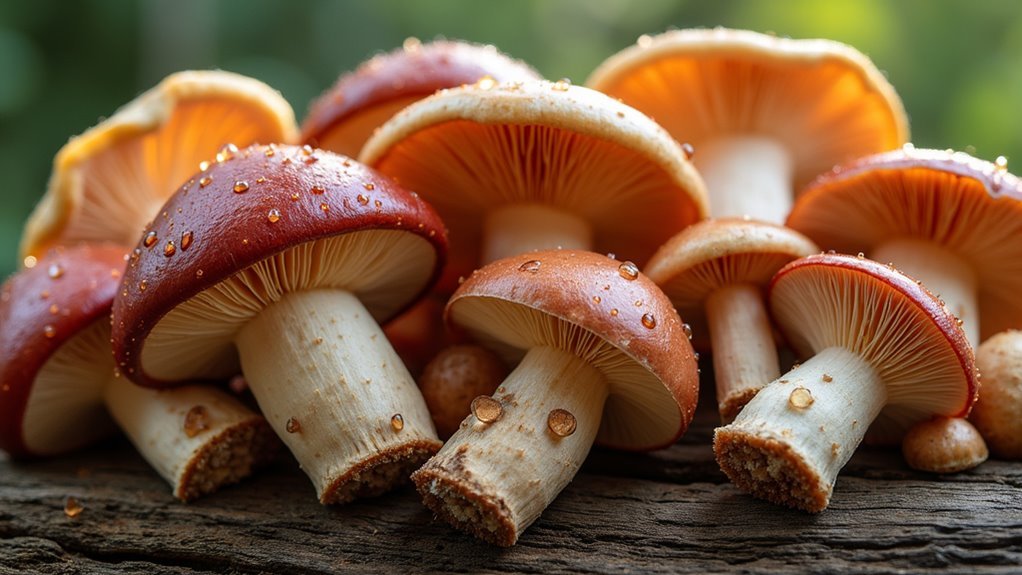
While many foods claim antioxidant benefits, raw fungi deliver some of nature’s most potent cellular protection through ergothioneine, a unique amino acid that shields your cells from oxidative damage.
When you consume mushrooms like shiitake and reishi, you’re flooding your system with this powerful antioxidant that actively combats free radicals threatening your cellular health.
Your immune system benefits greatly as ergothioneine accumulates in tissues experiencing oxidative stress, providing targeted protection where it’s needed most.
Ergothioneine strategically concentrates in your most vulnerable tissues, delivering precise antioxidant defense exactly where oxidative damage threatens cellular integrity.
Research shows that regular mushroom consumption notably lowers oxidative stress markers in your body, directly supporting brain health and reducing neurodegenerative disease risk.
This cellular defense mechanism helps maintain ideal immune function while promoting longevity through thorough antioxidant protection.
Beta-Glucans Activate Natural Killer Cells and Enhance Immune Response
Beyond their antioxidant prowess, raw fungi deliver beta-glucans—specialized polysaccharides that directly activate your immune system’s most powerful defenders. These compounds bind to immune cells, particularly natural killer cells and macrophages, triggering enhanced immune response against pathogens and tumors.
| Mushroom Variety | Key Beta-Glucan compounds |
|---|---|
| Shiitake mushrooms | Lentinan |
| Turkey tail | PSK and PSP |
| Reishi | Ganoderan |
| Maitake | D-fraction |
| Chaga | Beta-glucan complex |
Regular consumption considerably boosts white blood cells production, strengthening your body’s defense mechanisms. Research shows turkey tail’s polysaccharides stimulate immune function so effectively they’re used in cancer treatments. You’ll also experience increased salivary immunoglobulin A levels, enhancing mucosal immunity that protects against respiratory and digestive tract infections.
Cancer-Fighting Compounds Target Tumor Growth and Development
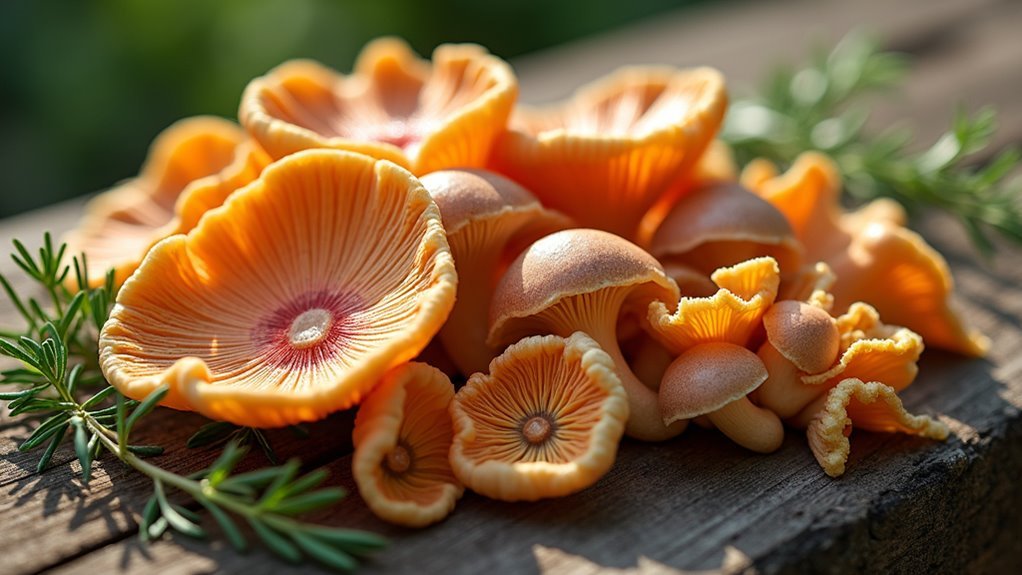
These immune-boosting beta-glucans work alongside mushrooms’ specialized phytochemicals to directly combat cancer at the cellular level.
When you consume mushroom varieties like shiitake, you’re getting lentinan, a powerful compound that demonstrates significant anticancer activity by inhibiting tumor growth and strengthening your immune function.
Your immune system benefits from these bioactive compounds found in white, cremini, portobello, and maitake mushrooms, which specifically target cancer cells through enhanced immune responses.
White, cremini, portobello, and maitake mushrooms deliver bioactive compounds that enhance immune responses to specifically target cancer cells.
Research shows that regular mushroom consumption can reduce breast cancer risk by 64%, with each gram providing 4-6% risk reduction daily.
These phytochemicals also inhibit aromatase enzyme production, reducing estrogen levels that fuel estrogen-related cancers, giving your body multiple defensive mechanisms against tumor development.
Ergothioneine Content Protects Brain Function and Cognitive Health
Your brain actively accumulates ergothioneine from mushrooms, creating a protective shield against oxidative stress that damages cognitive function.
When you consume mushrooms regularly, you’re supplying your brain with this powerful antioxidant that specifically targets areas most vulnerable to neurodegeneration.
Studies show you’ll markedly reduce your dementia risk through consistent mushroom intake, as ergothioneine directly combats the cellular damage linked to Alzheimer’s and cognitive decline.
Ergothioneine Accumulation in Brain
When you consume raw mushrooms regularly, ergothioneine crosses the blood-brain barrier and accumulates in your brain tissues, where it acts as a powerful antioxidant shield against the oxidative stress that fuels neurodegenerative diseases like Alzheimer’s and Parkinson’s.
| Brain Protection Mechanism | Health Benefit |
|---|---|
| Mitochondrial preservation | Prevents cognitive decline |
| Oxidative stress reduction | Lowers dementia risk |
| Neural tissue accumulation | Maintains brain health |
This accumulation strengthens your immune system’s defense against mild cognitive impairment. Research shows you’ll experience enhanced cognitive function as ergothioneine builds up in critical brain regions. The Ohsaki Cohort Study demonstrates that higher mushroom consumption correlates with reduced dementia incidence, proving ergothioneine’s protective role in maintaining your mental sharpness throughout aging.
Mushroom Consumption Reduces Dementia
Scientific evidence reveals a remarkable connection between regular mushroom consumption and dramatically reduced dementia risk. When you consume over two cups of mushrooms weekly, you’ll lower risk of mild cognitive impairment by 50%.
Mushrooms contain ergothioneine, a powerful antioxidant that protects your brain from oxidative stress linked to Alzheimer’s and Parkinson’s diseases.
Lions mane mushrooms and other varieties don’t just improve the immune system—they’re specifically protective for cognitive health.
The Ohsaki Cohort Study demonstrated that higher mushroom intake considerably decreases dementia incidence among older adults.
Mushrooms have been used traditionally for their health benefits, and research confirms they support both a healthy immune system and enhanced memory retention, making them essential for maintaining cognitive function as you age.
Anti-Inflammatory Effects Reduce Chronic Disease Risk Factors
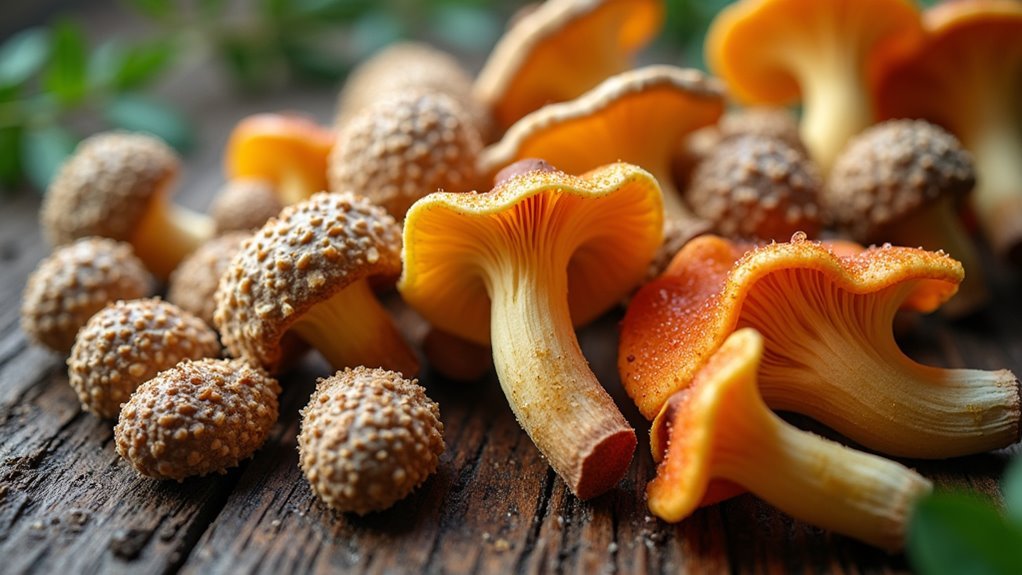
Although chronic inflammation silently fuels many serious health conditions, raw fungi varieties offer powerful compounds that actively combat this underlying threat.
When you consume mushrooms regularly, you’re providing your immune system with beta-glucans that activate immune cells and reduce inflammatory responses. These anti-inflammatory properties help reduce your risk of developing chronic disease conditions like cardiovascular disease and diabetes.
The ergothioneine and selenium found in mushrooms work together to protect your health by neutralizing oxidative stress and lowering inflammatory cytokines throughout your body.
Studies show that incorporating varieties like shiitake and reishi into your diet markedly decreases inflammatory markers.
- Beta-glucans activate immune cells while simultaneously reducing harmful inflammation
- Ergothioneine acts as a cellular protector against oxidative damage
- Regular consumption lowers inflammatory cytokines linked to chronic diseases
Prebiotic Polysaccharides Support Gut Microbiome Balance
When you consume raw mushrooms, you’re feeding your gut powerful prebiotic polysaccharides like beta-glucans that nourish beneficial bacteria throughout your digestive system.
These hardy compounds survive your stomach’s acidic environment and reach your colon intact, where they fuel the growth of healthy microbes that maintain ideal gut balance.
This enhanced microbiome directly strengthens your immune system by regulating inflammatory responses and supporting your body’s natural defense mechanisms.
Polysaccharides Promote Beneficial Bacteria
Because polysaccharides in raw mushrooms resist your stomach’s digestive processes, they travel intact to your colon where they act as powerful prebiotics.
These specialized compounds fuel beneficial bacteria growth, creating ideal conditions for your gut microbiome to thrive. When you consume mushrooms regularly, you’re fundamentally feeding the good bacteria that support your immune system function.
This enhanced bacterial diversity strengthens your body’s natural defense mechanisms while reducing harmful inflammation. Your gut becomes a thriving ecosystem where healthy microorganisms can flourish and multiply.
- Beta-glucans in mushrooms specifically target beneficial bacteria strains like Bifidobacterium and Lactobacillus
- Prebiotic polysaccharides increase short-chain fatty acid production, which supports immune health
- Regular mushroom consumption creates lasting positive changes in your gut microbiome composition
Gut Health Immune Connection
Since your gut houses roughly 70% of your immune system, the connection between digestive health and disease resistance runs deeper than most people realize.
When you consume raw mushrooms, their prebiotic polysaccharides survive your stomach acid intact and reach your colon unchanged. There, they stimulate beneficial gut bacteria growth, creating a thriving gut microbiome that’s crucial for peak immune function.
These polysaccharides don’t just feed good bacteria—they enhance short-chain fatty acids production, which directly supports immune regulation and reduces inflammation.
Your body’s defense against pathogens strengthens as your gut health improves. By incorporating various raw mushrooms into your diet, you’re fundamentally fortifying your immune system from the inside out, creating a powerful foundation for long-term health and disease prevention.
Frequently Asked Questions
Which Mushroom Is Best for the Immune System?
You’ll find reishi mushrooms most beneficial for your immune system because they contain triterpenoids that boost white blood cell and natural killer cell production, making them exceptionally effective for overall immune health enhancement.
How Can I Boost My Immune System Against Fungi?
You’ll strengthen your defenses against fungal infections by maintaining good hygiene, keeping skin dry, eating probiotic foods, getting adequate sleep, managing stress, staying hydrated, and consuming immune-boosting nutrients like vitamin C and zinc.
What Is the Most Powerful Healing Mushroom?
You’ll find Reishi’s considered the most powerful healing mushroom. It’s called the “mushroom of immortality” because its triterpenes and beta-glucans dramatically boost white blood cell production and enhance your natural killer cell activity.
What Does Fungi Do to the Immune System?
Fungi strengthen your immune system by delivering beta-glucans that activate immune cells, boosting white blood cell production. They’ll provide antioxidants like ergothioneine and selenium, protecting your immune cells from damage while enhancing infection-fighting capabilities.


Leave a Reply