
After illness, you’ll need to replenish the beneficial bacteria that antibiotics and infection destroyed in your gut microbiome. Start by incorporating fermented foods like yogurt, kefir, and kimchi to deliver probiotics directly to your intestines. Feed these good bacteria with prebiotic-rich foods such as garlic, onions, and bananas. Include anti-inflammatory options like fatty fish and leafy greens while avoiding processed sugars that fuel harmful bacteria. A strategic approach can restore your digestive health completely.
Understanding Post-Illness Gut Microbiome Damage
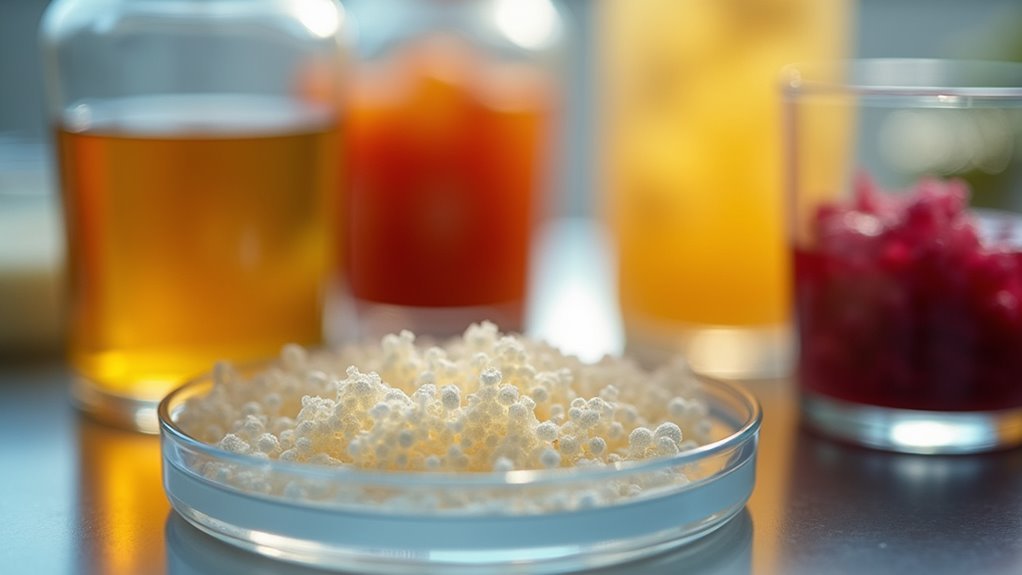
When you’re recovering from an illness, especially one that required antibiotics, your gut microbiome has likely taken a significant hit. This disruption, called dysbiosis, occurs when harmful bacteria outnumber beneficial bacteria in your digestive system.
Research shows antibiotics can reduce microbial diversity by up to 80% immediately after treatment, leaving your gut vulnerable and unbalanced.
Your post-illness recovery isn’t just about feeling better—it’s about rebuilding the trillions of microorganisms that support your health. Since 70% of your immune system resides in your gut, this damage directly affects your body’s defense mechanisms.
The good news? You can actively restore balance through targeted nutrition. Incorporating prebiotic foods and probiotic-rich foods helps beneficial bacteria flourish again, gradually restoring your gut’s natural ecosystem and strengthening your overall immunity.
Essential Probiotic Foods for Microbiome Recovery
You’ll find that incorporating specific fermented foods into your daily routine becomes your most powerful tool for restoring beneficial bacteria after illness has disrupted your gut microbiome.
These probiotic-rich foods work actively to replenish the diverse bacterial communities your digestive system needs to function effectively.
Making fermented foods a consistent part of your meals isn’t just beneficial—it’s essential for rebuilding the foundation of your gut health.
Fermented Food Benefits
Five powerful fermented foods can dramatically accelerate your gut’s recovery after illness by flooding your digestive system with beneficial probiotics.
These foods contain live bacteria that restore your gut microbiome’s natural balance, essential for peak digestive health.
When you consume fermented foods like yogurt, kefir, kimchi, and sauerkraut, you’re delivering beneficial bacteria directly to your intestines.
This process enhances nutrient absorption and supports your immune function, since 70% of your immune system resides in your gut.
Key benefits include:
- Reduced gastrointestinal symptoms – Less diarrhea and bloating
- Enhanced immune response – Stronger defense against future illnesses
- Improved microbiome diversity – Greater resilience and gut health
Regular consumption creates lasting improvements in your overall digestive wellness and recovery speed.
Daily Probiotic Integration
Building a consistent daily routine with probiotic foods creates the foundation your gut needs to rebuild its protective bacterial barrier after illness.
You’ll want to consume at least one serving of high-probiotic foods daily to restore microbiome balance effectively. Include fermented foods like yogurt, kefir, sauerkraut, and kimchi in your meals for ideal beneficial bacteria delivery.
Your daily intake should also feature probiotic beverages such as kombucha, which diversifies gut flora and supports recovery. Pair these with prebiotic-rich foods like garlic, onions, and bananas to nourish the beneficial bacteria you’re introducing.
Consistency remains essential—regular consumption leads to improved digestion, reduced inflammation, and enhanced immune function within weeks, greatly boosting your gut health and overall health.
Prebiotic-Rich Foods That Feed Beneficial Bacteria
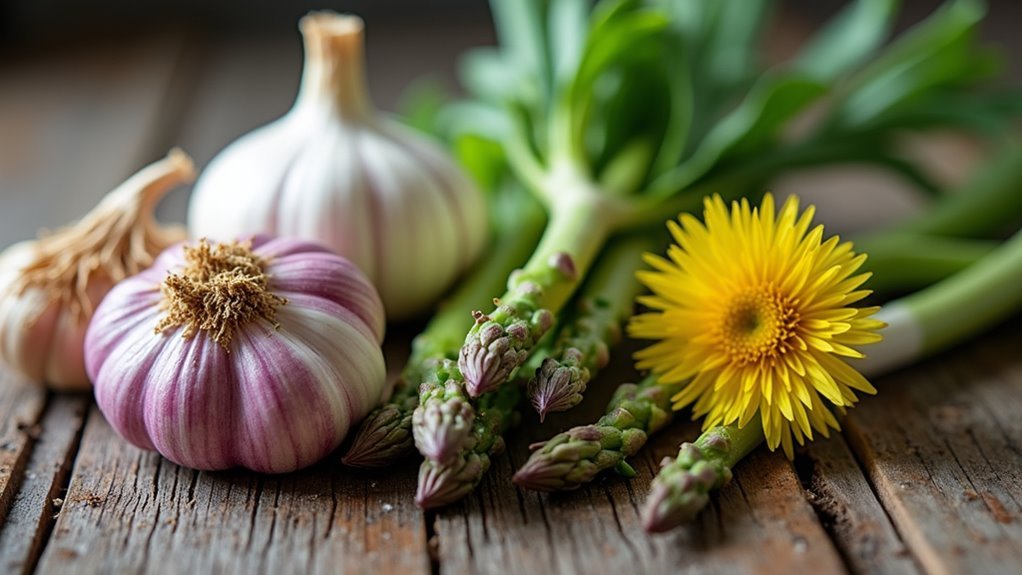
While probiotics introduce beneficial bacteria to your gut, prebiotics serve as the essential fuel that keeps these microorganisms thriving.
Think of prebiotics as fertilizer for your gut garden, feeding the beneficial bacteria that probiotics plant within your digestive system.
These prebiotic-rich foods contain specialized fibers that nourish beneficial gut bacteria, creating a balanced microbiome essential for recovery.
Focus on incorporating these powerhouse foods into your daily meals:
- Allium vegetables – Garlic, onions, and leeks provide sulfur compounds and prebiotic fibers that strengthen your digestive system.
- Inulin-rich options – Artichokes and chicory root offer concentrated doses of this beneficial fiber that feeds good bacteria.
- Everyday choices – Asparagus and bananas deliver accessible prebiotics you can easily add to meals.
High-fiber foods from a variety of fruits and vegetables work synergistically with probiotics, enhancing their effectiveness while supporting gut health and helping improve digestion throughout your recovery process.
Anti-Inflammatory Foods to Support Gut Healing
Chronic inflammation can severely damage your gut lining and disrupt the delicate balance of beneficial bacteria, making targeted anti-inflammatory foods essential for your recovery journey.
Fatty fish like salmon and mackerel deliver omega-3 fatty acids that directly combat inflammation in the gut.
You’ll want to include antioxidant-rich berries, leafy greens, and tomatoes to fight oxidative stress while supporting your digestive tract’s healing after illness.
Add turmeric and ginger to your meals—these powerful spices contain compounds that soothe inflammation and enhance gut health.
Don’t overlook fermented foods like yogurt, kefir, and sauerkraut, which provide probiotics to restore bacterial balance while reducing inflammatory responses.
Simultaneously, eliminate processed sugars and refined carbohydrates that fuel inflammation and sabotage your healing efforts.
Hydration and Bone Broth for Digestive Restoration
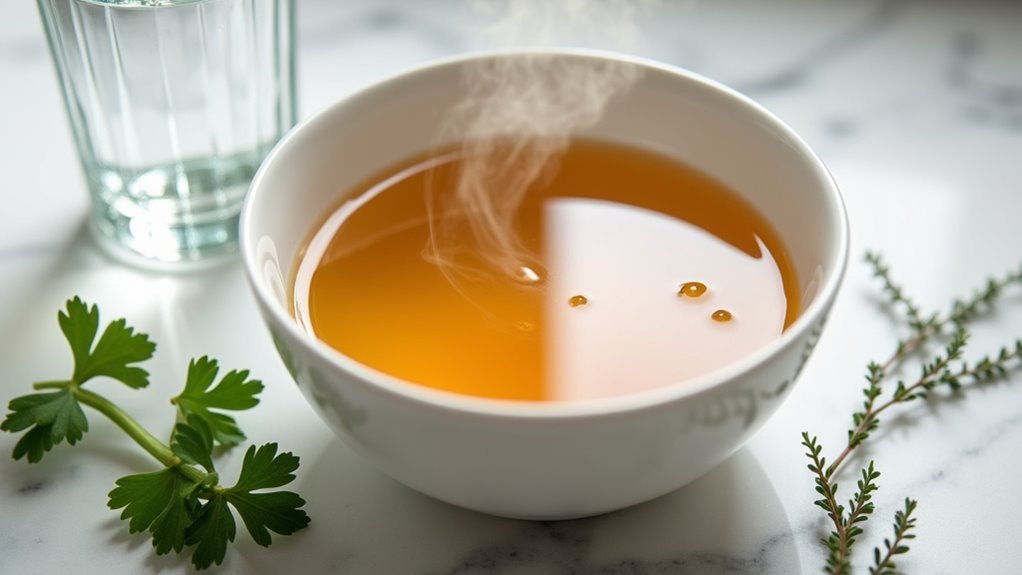
After illness disrupts your digestive system, proper hydration becomes your foundation for gut restoration, as it maintains the essential mucosal lining that facilitates nutrient absorption and waste elimination.
Bone broth offers remarkable benefits for digestive health recovery. Its collagen and amino acids, particularly glycine, actively repair your gut lining while delivering essential nutrients like calcium, magnesium, and phosphorus that enhance gut function.
Consider these key advantages of incorporating bone broth into your recovery plan:
- Soothes intestinal inflammation with its gel-like consistency that calms irritated digestive tissues.
- Enhances hydration levels while simultaneously providing healing nutrients your gut needs.
- Supports thorough recovery by combining superior hydration with targeted gut-healing compounds.
This dual approach of maintained hydration and bone broth consumption creates an ideal environment for digestive restoration after illness.
Foods to Avoid During Gut Recovery
Just as important as nourishing your recovering gut with healing foods and proper hydration, you must actively eliminate foods that can sabotage your digestive restoration efforts.
Processed foods high in sugar and refined carbohydrates disrupt bacterial balance and promote inflammation, directly opposing gut healing. You’ll need to limit fatty, fried foods that exacerbate digestive issues and hinder recovery progress.
Dairy products can cause bloating and discomfort if you’re lactose-intolerant, so consider temporary elimination. Minimize or eliminate alcohol consumption, as it irritates your gut lining and damages beneficial microbiome populations.
Foods containing artificial additives and preservatives should also be avoided during recovery, since these compounds contribute to dysbiosis and further compromise your digestive health restoration process.
Creating a Sustainable Gut-Healing Meal Plan
While removing harmful foods sets the foundation for gut recovery, developing a structured meal plan guarantees you’ll consistently nourish your digestive system with healing nutrients.
Your sustainable gut-healing meal plan should strategically combine multiple therapeutic food categories. A high fiber diet featuring leafy greens, whole grains, and legumes creates the perfect environment for beneficial bacteria to flourish and supports your healthy microbiome restoration.
Here’s how to structure your weekly meal plan:
- Plan each meal around prebiotic foods like garlic, onions, and bananas that feed your gut’s good bacteria.
- Include fermented foods daily such as yogurt, kefir, and sauerkraut to introduce live probiotics.
- Eliminate processed foods and replace them with whole, nutrient-dense alternatives.
Stay hydrated with bone broth and ginger tea between meals for additional anti-inflammatory support.
Frequently Asked Questions
How Do You Reset Your Gut After Being Sick?
Start by reintroducing fiber-rich foods like beans and leafy greens. Add fermented foods such as yogurt and sauerkraut for probiotics. Stay hydrated, drink bone broth, exercise regularly, and manage stress effectively.
How Do You Heal an Unhealthy Gut?
You’ll heal your unhealthy gut by eating fiber-rich foods, fermented items, and reducing processed sugars. Exercise regularly, drink kefir or kombucha, and maintain consistency with gut-friendly habits for long-term restoration.
What Is the Fastest Way to Restore Gut Health?
You’ll restore gut health fastest by eating fiber-rich foods, fermented products, and prebiotics daily. Drink bone broth, stay hydrated, exercise regularly, and manage stress through meditation while getting adequate sleep for ideal recovery.
What Kills Bad Bacteria in the Gut?
You can kill bad gut bacteria using targeted antibiotics, though they’ll disrupt beneficial flora too. Natural antimicrobials like garlic, ginger, and turmeric effectively reduce harmful bacteria while preserving good ones for better balance.


Leave a Reply