
You can boost your vegan immune system with zinc-rich plant foods like hemp seeds (3mg per serving), pumpkin seeds (2.2mg per ounce), and cashews (1.9mg per quarter-cup). Add chickpeas, tahini, oats, and tempeh to meet your daily needs of 8-11mg. Since plant-based zinc isn’t as easily absorbed, pair these foods with vitamin C sources and avoid coffee during meals. Soaking legumes and cooking grains enhances absorption for ideal immune protection and wellness benefits.
Why Zinc Is Essential for Immune Function
Your immune system’s powerhouse mineral, zinc acts as a cellular guardian that orchestrates vital defense mechanisms throughout your body.
It’s essential for developing and activating T-lymphocytes, the specialized white blood cells that form your adaptive immunity’s backbone. When you’re fighting off infections, zinc supports antibody production, helping your body mount stronger defenses against pathogens.
Without adequate zinc, your immune function becomes compromised, leaving you more susceptible to infections and extending recovery times when you do fall ill.
This presents unique challenges for vegan diets, where careful planning becomes important. While plant-based foods contain zinc, their bioavailability is often reduced by compounds called phytates.
Understanding zinc’s immune-supporting role helps you make informed decisions about meeting your body’s needs through strategic plant-based nutrition choices.
Hemp Seeds: A Powerhouse of Bioavailable Zinc
You’ll find hemp seeds pack an impressive 3 mg of zinc per 30-gram serving, making them one of the most zinc-rich plant foods available.
They’re particularly valuable because their low phytate content means your body can actually absorb the zinc efficiently, unlike many other plant sources that bind minerals and reduce absorption.
A single daily serving provides a significant portion of your recommended zinc intake while delivering complete proteins and healthy fats as bonus nutrients.
Hemp Seed Zinc Content
Hemp seeds pack an impressive 10 mg of zinc per 100 grams, establishing them as one of the most reliable plant-based sources for meeting your daily zinc requirements.
What makes hemp seeds particularly valuable for your vegan diet is their superior zinc absorption rate compared to other plant foods. Their naturally low phytate content means you’ll absorb more of the zinc you consume, maximizing the nutritional benefit.
Beyond zinc, you’re getting a complete protein containing all nine essential amino acids when you add hemp seeds to your meals. This combination supports both immune function and wound healing.
You can easily incorporate these nutritional powerhouses into smoothies, sprinkle them over salads, or blend them into baked goods for consistent zinc intake.
Bioavailability Versus Other Sources
When comparing zinc absorption rates across plant-based sources, hemp seeds consistently outperform most alternatives due to their unique nutritional profile.
You’ll find that hemp seeds’ low phytate content dramatically improves bioavailability compared to legumes and whole grains, which contain compounds that inhibit zinc absorption.
While beans and nuts provide zinc, they’re often paired with absorption blockers that reduce your body’s ability to utilize this essential mineral effectively.
Hemp seeds deliver approximately 10 mg of zinc per 100 grams without these interference factors.
This superior absorption rate makes them particularly valuable for preventing zinc deficiency in vegan diets.
You’re getting more usable zinc per serving, making hemp seeds a smarter choice than relying solely on traditional plant sources that may leave you nutritionally shortchanged despite adequate intake levels.
Daily Serving Recommendations
Three tablespoons of hemp seeds daily can provide approximately 1 mg of zinc toward your recommended intake, making portion control straightforward for ideal nutrition. This serving size represents about 30 grams and delivers roughly 9-13% of your daily value for zinc, depending on your gender and specific needs.
You’ll find hemp seeds among the most practical vegan foods for consistent zinc intake. Unlike other zinc-rich foods that require larger portions, hemp seeds offer concentrated nutrition in small servings. You can easily sprinkle them over smoothies, salads, or yogurt without overwhelming your meals.
For best absorption, distribute your hemp seed consumption throughout the day rather than consuming all at once. This approach maximizes bioavailability while supporting steady zinc levels for immune function.
Pumpkin Seeds: Crunchy Immune Support
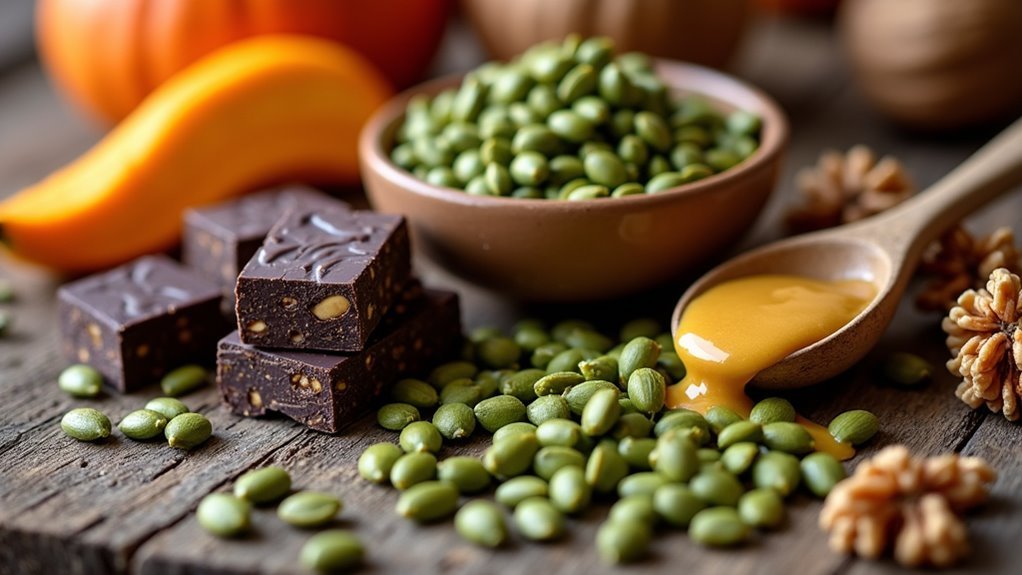
Powerhouses of nutrition, pumpkin seeds deliver an impressive 2.2 mg of zinc per ounce, making them one of the most accessible ways to fortify your vegan diet against deficiency.
These crunchy pepitas don’t just combat zinc deficiency—they’re packed with antioxidants and anti-inflammatory compounds that directly support your immune system.
Beyond zinc, you’ll get essential nutrients like magnesium, iron, and healthy fats in every handful.
The bioavailability challenge that many plant-based zinc sources present becomes less concerning when you regularly incorporate these nutrient-dense seeds.
- Toss roasted pumpkin seeds into salads for added crunch and nutrition
- Blend them into smoothies for a creamy texture boost
- Mix into homemade granola or baked goods for sustained energy
Transform your snacking routine while strengthening your immune defenses.
Cashews: Creamy Nuts Packed With Zinc
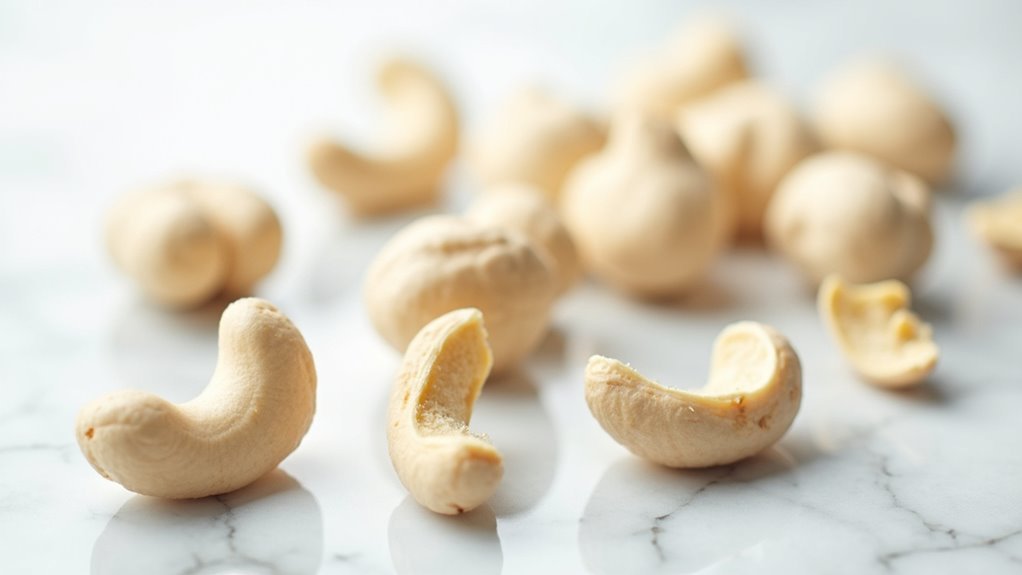
Creamy cashews deliver 1.9 mg of zinc per quarter-cup serving, positioning them as stellar plant-based allies for your immune system.
These versatile nuts don’t just provide zinc—they’re packed with healthy fats, protein, and essential vitamins that support overall wellness.
You’ll maximize absorption by pairing cashews with vitamin C-rich foods like bell peppers or citrus fruits.
Whether you choose raw or roasted varieties, you can easily incorporate them into your plant-based diet through salads, homemade sauces, or standalone snacks.
Their creamy texture makes cashews perfect for creating dairy-free alternatives while boosting your zinc intake.
As part of a balanced vegan approach, these nutrient-dense nuts help maintain robust immune function and contribute to your body’s natural defense mechanisms.
Chickpeas: Versatile Legumes for Daily Zinc Intake
You’ll get 1.13 mg of zinc from every 100 grams of chickpeas, making them one of the most reliable legume sources for this essential mineral.
Your zinc absorption improves when you cook chickpeas thoroughly and pair them with vitamin C-rich foods like tomatoes or bell peppers.
Whether you’re blending them into hummus, tossing them in salads, or simmering them in curry, chickpeas offer countless ways to boost your daily zinc intake while adding protein and fiber to your meals.
Zinc Content Per Serving
Chickpeas deliver an impressive 1.13 mg of zinc per 100-gram serving, establishing them as one of the most reliable plant-based sources for meeting your daily zinc requirements.
This substantial zinc content makes chickpeas particularly valuable among plant foods, especially when you’re building a vegan diet focused on immune support.
To enhance the zinc content you’re absorbing from chickpeas, consider these preparation strategies:
- Soak dried chickpeas overnight before cooking to reduce phytates that inhibit zinc absorption
- Pair chickpeas with vitamin C-rich foods like bell peppers or tomatoes during meals
- Include sprouted chickpeas in salads for improved bioavailability of nutrients
Understanding proper preparation techniques guarantees you’re getting ideal zinc absorption from this nutrient-dense legume in your daily meals.
Cooking Methods for Absorption
When you optimize your cooking methods, chickpeas become notably more effective at delivering their zinc content to your body. Soaking chickpeas before cooking reduces phytate levels, which naturally improves absorption of zinc during digestion.
You’ll find that boiling, roasting, or adding chickpeas to stews doesn’t just enhance their flavor—these cooking methods also maintain their nutritional value.
To maximize zinc uptake from these foods high in zinc, combine your prepared chickpeas with vitamin C-rich ingredients like tomatoes or bell peppers. This simple pairing greatly boosts your body’s ability to absorb the mineral.
Whether you’re making hummus, adding them to salads, or incorporating them into soups, proper preparation guarantees you’re getting the most zinc benefit from every serving.
Recipe Ideas and Combinations
Since chickpeas pack 1.13 mg of zinc per 100 grams, creating delicious recipes that feature them regularly can greatly boost your daily mineral intake.
You’ll enhance zinc absorption by pairing these versatile legumes with vitamin C-rich foods in your vegan meals.
Transform your chickpeas into nutrient-dense dishes that enhance bioavailability:
- Mediterranean chickpea salad – Combine sprouted chickpeas with diced bell peppers, tomatoes, and lemon vinaigrette for ideal zinc absorption
- Spicy chickpea curry – Cook soaked chickpeas with tomato-based sauce and serve over quinoa for a complete zinc-rich meal
- Roasted chickpea bowls – Toss seasoned chickpeas with colorful vegetables and tahini dressing
These combinations guarantee you’re getting quality zinc from plant-based foods while supporting your immune function through strategic nutrient pairing.
Quinoa: Complete Protein With Immune-Boosting Minerals
Powerhouse grains don’t come much better than quinoa when you’re building a plant-based diet that supports your immune system. This complete protein contains all nine essential amino acids, making it perfect for vegans seeking quality nutrition. You’ll get approximately 2.8 mg of zinc per cooked cup, directly supporting your immune function.
| Nutrient | Amount per Cup | Immune Benefit |
|---|---|---|
| Zinc | 2.8 mg | Immune cell function |
| Magnesium | 118 mg | Energy production |
| Iron | 2.8 mg | Oxygen transport |
| Protein | 8 g | Antibody formation |
What sets quinoa apart is its antioxidant profile and anti-inflammatory compounds that protect against oxidative stress. Being naturally gluten-free, it’s accessible for those with sensitivities while delivering essential minerals your immune system craves.
Tahini: Sesame Seed Butter Rich in Zinc
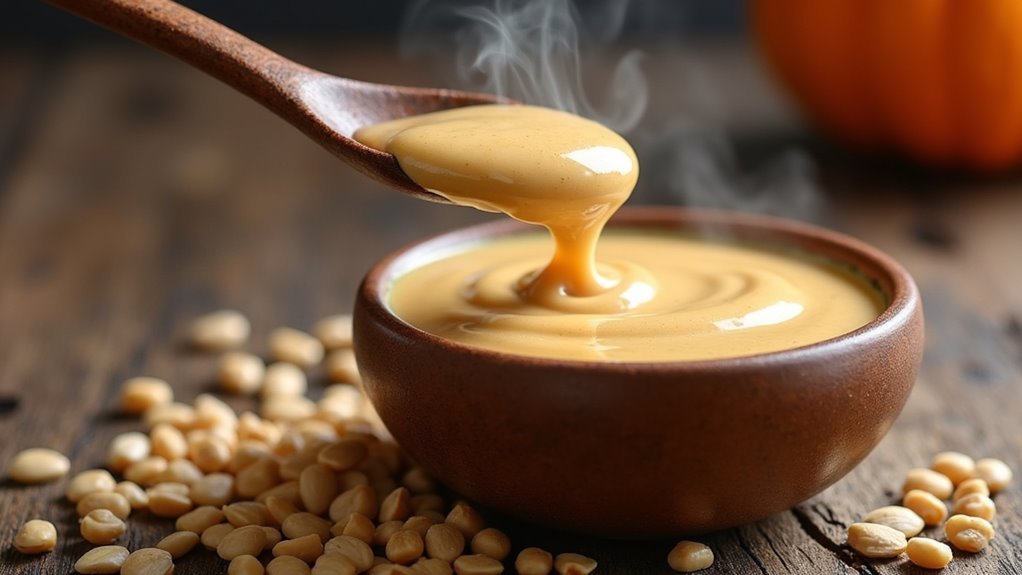
You’ll find tahini delivers impressive zinc content with about 2.5 mg per 2-tablespoon serving, supporting your immune system and wound healing needs.
To boost zinc absorption from this creamy sesame seed butter, pair it with vitamin C-rich foods like lemon juice or bell peppers.
Transform tahini into versatile creamy dressings, savory dips, and flavorful sauces that enhance both taste and nutritional value in your plant-based meals.
Zinc Content Benefits
Tahini offers one of the most accessible ways to boost your zinc intake through plant-based eating. With approximately 2.5 mg of zinc per two tablespoons, this sesame seed butter helps you meet the Dietary Reference Intakes for this essential mineral.
Unlike zinc supplements, tahini provides a whole-food approach that’s particularly valuable for vegans facing lower bioavailability from plant sources.
The zinc content benefits extend beyond basic nutrition:
- Enhanced absorption – The healthy fats in tahini improve zinc bioavailability compared to other plant sources of zinc include
- Immune system support – Phytosterols and antioxidants work synergistically with zinc to strengthen immunity
- Nutrient density – You’ll also receive protein, calcium, and iron alongside your zinc intake
Tahini Absorption Tips
While tahini naturally contains phytates that can reduce zinc absorption, you can substantially enhance bioavailability through strategic food pairing. Adding vitamin C-rich foods like lemon juice to your tahini creates an ideal absorption environment for your vegan diet.
| Enhancement Strategy | Food Pairing Examples |
|---|---|
| Vitamin C Addition | Lemon juice, orange segments |
| Zinc-Rich Combinations | Chickpeas, whole grain bread |
| Acidic Components | Lime juice, vinegar |
| Fermented Foods | Sourdough bread, miso |
| Meal Timing | Consume away from coffee/tea |
You’ll maximize tahini zinc absorption by incorporating it into balanced meals rather than eating it alone. Store your tahini properly in cool, dark conditions to preserve its mineral content and nutritional benefits.
Recipe Ideas Using
Beyond simply adding tahini to toast, creative recipe applications can transform this zinc-rich sesame butter into exciting culinary experiences that boost your plant-based immunity.
You’ll maximize zinc absorption by pairing tahini with vitamin C sources in these versatile vegan recipes:
- Mediterranean Grain Bowl: Whisk tahini with lemon juice and garlic for a creamy dressing over quinoa, roasted bell peppers, and chickpeas.
- Green Goddess Hummus: Blend traditional hummus with fresh herbs, spinach, and extra tahini for double the zinc content.
- Asian-Inspired Noodle Sauce: Mix tahini with lime juice, ginger, and soy sauce for a protein-rich coating on rice noodles with steamed broccoli.
Each recipe delivers approximately 2.7 mg of zinc per serving while providing healthy fats and plant protein essential for vegan immunity support.
Oats: Breakfast Grains That Support Immunity
Since breakfast sets the nutritional tone for your entire day, choosing oats as your morning grain can considerably boost your zinc intake and immune defense.
You’ll get approximately 2.3 mg of zinc per cup of oats, making them an excellent choice for vegan diets where mineral planning is essential.
However, oats contain phytates that can block zinc absorption. You can overcome this by cooking your oats, which improves bioavailability and makes the zinc more accessible to your body.
Cooking oats breaks down phytates that inhibit zinc absorption, making this essential mineral more bioavailable for your immune system.
Pair oats with other zinc-rich foods throughout the day to maximize your intake.
Beyond zinc, oats provide fiber that supports gut health, creating a double immune boost.
This combination makes oats a strategic breakfast choice for vegans focused on immune support.
Tempeh: Fermented Soy With Enhanced Zinc Absorption
Fermentation transforms tempeh into a zinc powerhouse that’s particularly valuable for vegan immune support. You’ll get approximately 1.14 mg of zinc per 100 grams, but what makes tempeh special isn’t just the quantity—it’s the enhanced zinc absorption.
The fermentation process breaks down phytates that typically block mineral uptake, making more zinc available to your body.
Beyond zinc, you’re getting a complete nutritional package with protein, fiber, iron, and calcium. This nutrient density makes tempeh an excellent addition to your vegan diet.
- Stir-fries: Crumble tempeh into vegetable stir-fries for added protein and zinc
- Salads: Slice and pan-fry tempeh as a crunchy salad topping
- Marinades: Absorbs flavors well when marinated before cooking
Maximizing Zinc Absorption From Plant Foods
While plant foods provide abundant zinc, getting your body to actually absorb this essential mineral requires strategic planning.
Phytates in whole grains, legumes, and nuts bind to zinc, reducing its bioavailability. You can combat this by soaking, sprouting, or fermenting these foods before consumption, which considerably lowers phytate levels.
Cooking methods matter too. Boiling or steaming your plant foods helps reduce phytate content and enhances zinc availability.
You’ll also boost zinc absorption by pairing zinc-rich foods with vitamin C sources like peppers and citrus fruits during meals.
For best results on a vegan diet, maintain variety in your zinc sources. Include lentils, chickpeas, and nuts while consistently applying these absorption-maximizing techniques to guarantee adequate zinc levels.
Frequently Asked Questions
What Is the Best Source of Zinc for Vegans?
You’ll find pumpkin seeds are your best zinc source as a vegan, containing the highest plant-based levels. Soak or sprout legumes like lentils to enhance absorption, and include cashews and tofu regularly.
Which Plants Are High in Zinc?
You’ll find zinc-rich plants include pumpkin seeds, cashews, lentils, chickpeas, quinoa, and oatmeal. Pumpkin seeds contain the highest levels at 7.81mg per 100g, while tofu provides moderate amounts.
What Foods Are Good for Vegan Immune Boosting?
You’ll boost immunity by eating legumes like lentils, nuts such as cashews, whole grains including quinoa, and fermented foods like tempeh. Don’t forget citrus fruits and bell peppers for vitamin C absorption enhancement.
Is Tofu High in Zinc?
Tofu isn’t exceptionally high in zinc, but it’s decent. You’ll get about 2mg per half-cup serving. It’s worth including in your diet alongside other zinc-rich foods like legumes and nuts.


Leave a Reply