

Spending 15-20 minutes outdoors during peak sunlight hours (10 AM-3 PM) triggers your skin to produce up to 10,000 IU of vitamin D, which directly enhances calcium absorption for stronger muscle contractions. You’ll maximize benefits by combining water sports or high-intensity outdoor activities with sun exposure, as this increases vitamin D circulation throughout your body. Remember, darker skin requires longer exposure times, while sensitive skin needs just 5-10 minutes to avoid burning yet still boost muscle-building potential through natural synthesis.
How Sunlight Exposure Naturally Increases Vitamin D Production

When you step outside into direct sunlight, your skin immediately begins producing vitamin D through a remarkable biochemical process. UV-B rays interact with cholesterol beneath your skin’s surface, triggering the synthesis of this essential nutrient.
You’ll generate ideal vitamin D levels with just 15-20 minutes of direct sun exposure, potentially producing up to 10,000 IU under ideal conditions.
However, your vitamin D production efficiency depends on several factors. If you have darker skin, you’ll need longer sun exposure to achieve the same levels as someone with lighter skin.
Darker skin requires longer sun exposure to produce the same vitamin D levels as lighter skin tones.
Your age and geographical location also influence how effectively your body converts sunlight into vitamin D. Understanding these variables helps you maximize the benefits of natural sun exposure for stronger muscles and better health.
The Connection Between Vitamin D and Muscle Strength Development
Although you mightn’t realize it, vitamin D acts as a powerful catalyst for muscle strength development by directly influencing how your muscles contract and perform.
When you maintain adequate vitamin D levels, you’re enhancing calcium absorption—a critical component for muscle contractions. Your vitamin D status directly correlates with muscle mass and strength gains, as research demonstrates that higher serum concentrations of 25(OH)D improve performance in both young and older adults.
If you’re deficient, you’ll likely experience muscle weakness and face increased fall risks.
However, when you combine regular sunlight exposure with weight-bearing and resistance exercises, you’re maximizing vitamin D’s muscle-building potential.
This synergy between outdoor activity and exercise creates ideal conditions for developing stronger, more functional muscles throughout your body.
Best Outdoor Activities for Maximum Vitamin D Absorption
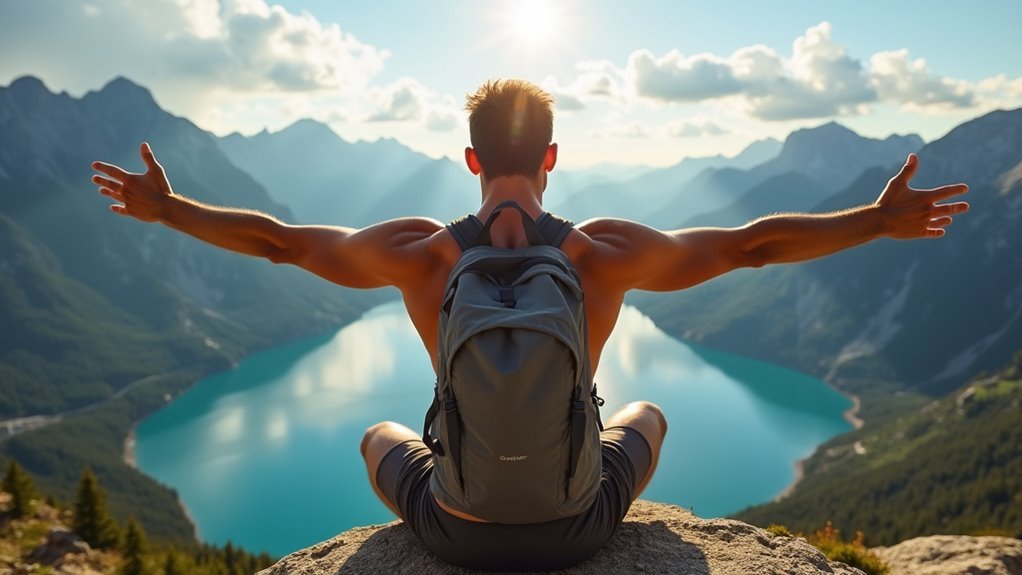
You’ll get the most vitamin D when you choose activities that maximize your skin’s exposure to direct sunlight during peak hours.
Water-based sports like swimming, beach volleyball, or paddleboarding can actually enhance your vitamin D production since water reflects UV rays back onto your skin.
Consider timing your outdoor workouts between 10 AM and 2 PM when the sun’s UV-B rays are strongest and most effective for triggering vitamin D synthesis.
Optimal Sun Exposure Activities
While many people struggle to maintain adequate vitamin D levels, especially during winter months, strategic outdoor activities can naturally boost your body’s production of this essential nutrient. You’ll maximize vitamin D synthesis by choosing the right timing and intensity for your outdoor pursuits.
| Activity Type | Ideal Timing |
|---|---|
| Walking/Hiking | 10 AM – 2 PM |
| Running/Interval Training | 11 AM – 1 PM |
| Swimming | 12 PM – 2 PM |
| Biking | 10 AM – 2 PM |
| Recreational Sports | 11 AM – 1 PM |
High-intensity outdoor activities like running or interval training don’t just promote muscle growth—they also increase vitamin D circulation throughout your body. Water-based activities provide dual benefits: vitamin D synthesis plus cooling relief during hot weather. You’ll produce up to 10,000 IU of vitamin D in just 30 minutes during peak midday hours when UV-B rays are strongest.
Water-Enhanced Vitamin D Sports
Water sports deliver exceptional vitamin D benefits because they naturally extend your time outdoors while providing thorough muscle engagement.
Swimming, kayaking, and paddleboarding offer dual advantages: sun exposure for vitamin D synthesis and water resistance for enhanced muscle strength. Just 15-20 minutes of direct sunlight during these activities can generate up to 10,000 IU of vitamin D, markedly boosting your vitamin D level.
Beach volleyball and water aerobics combine varied movements with sun exposure, maximizing both vitamin D absorption and muscle development.
Water-based exercises typically last longer than indoor workouts, resulting in superior vitamin D production and improved muscle performance.
The presence of water features in outdoor spaces amplifies these health benefits, making water play particularly effective for optimizing your vitamin D level while strengthening muscles.
Optimal Sun Exposure Times for Different Skin Types
Your skin type determines how much sun exposure you’ll need to produce adequate vitamin D while avoiding harmful burns.
If you have lighter skin, you’ll typically need just 15-20 minutes of midday sun to get adequate vitamin D. Those with darker skin require 30 minutes or more due to higher melanin levels that naturally protect against UV rays.
The ideal sun exposure times are between 10 AM and 3 PM when UV-B rays are strongest for vitamin D synthesis.
However, if you have sensitive skin prone to burning, limit your exposure to 5-10 minutes during these peak hours.
Your age and location also matter—older adults need longer exposure, while those living farther from the equator may struggle with adequate synthesis during winter months.
Exercise and Vitamin D: A Powerful Combination for Bone Health

When you combine exercise with adequate vitamin D levels, you’re creating a powerful synergy that directly triggers your body’s vitamin release mechanisms.
Your physical activity doesn’t just build muscle and endurance—it actually stimulates an immediate increase in serum vitamin D concentration, particularly noticeable in trained individuals.
This exercise-induced vitamin boost becomes especially vital during adolescence when your bones are rapidly forming and need every advantage to develop peak density and strength.
Exercise Triggers Vitamin Release
Although most people associate vitamin D with sun exposure, your body actually releases stored vitamin D into your bloodstream during high-intensity exercise.
When you engage in weight training or anaerobic activities, your serum 25-hydroxyvitamin D levels can increase considerably within just 15 minutes post-exercise.
Research shows trained adolescent boys experienced a 2.9 nmol/L increase in vitamin D concentration immediately after exercise.
This rapid release isn’t just about vitamin D – your parathyroid hormone levels also rise, creating a powerful combination that enhances calcium absorption and bone formation.
This exercise-triggered vitamin D release demonstrates why regular physical activity is essential for maintaining adequate vitamin D levels, particularly during growth periods when your bones need maximum support for development and strength.
Bone Formation During Adolescence
Since adolescence represents the most critical window for bone development, combining exercise with adequate vitamin D becomes essential for building peak bone mass that’ll last a lifetime. During this period, your bones undergo rapid growth and mineralization. Weight-bearing exercises coupled with vitamin D greatly enhance bone mineral density. High-intensity interval training triggers simultaneous vitamin D and parathyroid hormone release, maximizing bone health benefits during puberty.
| Exercise Type | Vitamin D Impact | Bone Benefit | Risk Reduction | Future Protection |
|---|---|---|---|---|
| Weight-bearing | Enhanced absorption | Increased density | Fewer fractures | Stronger foundation |
| HIIT | Hormone activation | Rapid formation | Injury prevention | Osteoporosis defense |
| Outdoor activities | Natural synthesis | Peak mass building | Adolescent safety | Lifelong strength |
| Regular movement | Sustained levels | Continuous growth | Developmental protection | Aging resilience |
| Combined training | ideal utilization | Maximum density | Complete prevention | Ultimate bone health |
Higher vitamin D levels directly correlate with stronger bones and reduced fracture risk throughout life.
Seasonal Considerations for Outdoor Vitamin D Activities
While summer’s abundant sunshine makes vitamin D synthesis effortless with just 15-20 minutes of direct exposure, winter presents unique challenges that require strategic adjustments to your outdoor routine.
During colder months, you’ll need longer exposure times since UV-B rays become less intense at northern latitudes. Don’t let cloudy skies discourage you—your skin can still produce vitamin D even without direct sunshine.
Winter demands extended UV exposure as weakened rays still penetrate clouds to fuel essential vitamin D production.
Embrace winter sports and regular walks to maintain ideal levels. If you have darker skin, you’ll require extended exposure year-round due to melanin’s natural filtering effect.
Combat seasonal hibernation tendencies by prioritizing outdoor activities regardless of weather conditions, ensuring your muscles receive the vitamin D support they need for peak strength and performance throughout every season.
Safety Guidelines for Sun Exposure During Physical Activity
When exercising outdoors becomes your primary source of vitamin D, balancing sun exposure with skin protection requires precise timing and awareness of your individual risk factors.
You’ll need 15-20 minutes of direct sun exposure without sunscreen for ideal vitamin D synthesis during physical activity. If you’ve got sensitive skin, limit exposure to 5-10 minutes to prevent burning.
Plan your workouts during midday when UV-B rays peak for maximum effectiveness, adjusting for your geographical location. After reaching adequate exposure time, apply SPF 30+ sunscreen and wear protective clothing.
Don’t forget hydration—you’ll dehydrate faster in high temperatures, which can severely impact your performance and health during outdoor exercise.
Age-Related Differences in Vitamin D Synthesis From Sunlight
As you age, your skin’s ability to synthesize vitamin D from sunlight naturally declines, creating unique challenges for maintaining adequate levels through outdoor activities. Studies reveal that older adults experience up to 50% reduced vitamin D synthesis compared to younger individuals, making vitamin D deficiency more likely without proper monitoring.
| Age Group | Synthesis Efficiency | Required Sun Time | Risk Level | Winter Challenge |
|---|---|---|---|---|
| 20-30 | 100% baseline | Standard duration | Low | Moderate |
| 40-50 | 75% efficiency | 25% longer | Moderate | High |
| 60-70 | 50% efficiency | 50% longer | High | Very High |
| 70+ | <50% efficiency | 100% longer | Very High | Severe |
You’ll need longer outdoor exposure times and should prioritize direct sunlight activities, especially if living at higher latitudes where winter months present additional synthesis challenges.
Geographic Factors That Affect Outdoor Vitamin D Production
Your geographic location dramatically influences how much vitamin D you can produce through outdoor activities, with latitude serving as the primary determining factor.
If you’re living closer to the equator, you’ll receive more UV-B radiation year-round, boosting your vitamin D synthesis considerably. Higher altitudes also work in your favor, providing greater UV exposure than lower-lying areas.
However, several geographic factors can hinder your vitamin D production. Winter months at higher latitudes severely limit sunlight exposure, creating potential deficiencies.
Additionally, regions with frequent cloud cover or pollution reduce UV radiation, making outdoor vitamin D synthesis more challenging.
- Latitude proximity to equator: Closer locations provide consistent year-round UV-B exposure
- Altitude elevation: Higher elevations increase UV radiation intensity and vitamin D potential
- Climate patterns: Cloudy or polluted environments considerably reduce vitamin D synthesis opportunities
Combining Outdoor Exercise With Vitamin D-Rich Foods
You can maximize your vitamin D benefits by strategically pairing outdoor workouts with the right foods at ideal times.
After spending 15-20 minutes exercising in the sun, you’ll want to consume vitamin D-rich options like salmon, which provides up to 570 IU per 3-ounce serving, or UV-treated mushrooms to support muscle recovery.
The timing of these meals matters because your body’s enhanced circulation post-exercise can improve vitamin D absorption and utilization.
Best Post-Workout Foods
Everyone knows that getting vitamin D from sunshine during outdoor workouts is beneficial, but what you eat afterward can dramatically amplify those health benefits. Your post-workout meal choices can make or break your muscle recovery and strength gains.
Fatty fish like salmon and mackerel deliver powerful vitamin D doses that enhance calcium absorption and bone health. Egg yolks provide 44 IU per large egg, supporting essential muscle function.
UV-treated mushrooms offer vegetarian-friendly options—just four servings help meet daily requirements. Fortified cereals and dairy products add an extra 10-15% to your intake.
- Blend vitamin D-rich smoothies with spinach, orange juice, and yogurt for energy replenishment
- Choose whole food sources over vitamin D supplements for better nutrient absorption
- Time your meals within 30 minutes post-exercise for ideal recovery benefits
Timing Meals Optimally
While timing matters for any post-workout nutrition, combining outdoor exercise with strategically timed vitamin D-rich meals creates a powerful synergy that enhances your body’s ability to absorb and utilize this essential nutrient.
Timing meals effectively around your outdoor workouts enhances vitamin D absorption since exercise triggers its release into circulation. You’ll maximize benefits by consuming vitamin D sources before or within two hours after outdoor activities.
| Timing | Food Source | Benefit |
|---|---|---|
| Pre-workout | Egg yolk smoothie | Primes absorption |
| During | Fortified water | Maintains levels |
| Post-workout | Salmon with avocado | Peak absorption window |
Getting enough vitamin D becomes easier when you strategically pair these nutrient-dense foods with outdoor exercise, supporting muscle recovery and metabolic function while replenishing energy stores.
Vitamin D Absorption
Two complementary pathways work together to optimize your vitamin D levels: synthesizing it naturally through skin exposure during outdoor exercise and absorbing it from carefully chosen foods.
Just 15-20 minutes of outdoor activity triggers your skin’s natural vitamin D production through sunlight conversion. Meanwhile, incorporating fatty fish like salmon and fortified dairy products adds another 10-15% to your daily vitamin D intake.
This dual approach creates a synergistic effect that’s particularly powerful for muscle development. Regular outdoor exercise enhances vitamin D absorption while simultaneously regulating calcium and phosphorus levels essential for muscle function.
- Combine morning outdoor workouts with vitamin D-rich breakfast foods for maximum absorption
- Focus on activities that expose larger skin areas to optimize natural synthesis
- Track both sun exposure time and dietary sources to maintain consistent levels
Signs Your Body Needs More Vitamin D and Outdoor Time
Because your body relies on sunlight to produce vitamin D naturally, it’ll send clear warning signals when you’re not getting enough outdoor exposure.
You’ll likely experience persistent fatigue that doesn’t improve with rest, along with noticeable muscle weakness that affects your daily activities. Your immune system weakens too, making you prone to frequent colds and infections.
Poor bone health becomes evident through aches and increased fracture risk. If you live in northern latitudes or spend most time indoors, you’re especially vulnerable to vitamin D deficiency.
Your reduced strength and performance during physical activities signal inadequate levels. Just 15-20 minutes of direct sunlight daily can dramatically boost your vitamin D production while improving your mental health and reducing stress levels.
Long-Term Benefits of Regular Outdoor Physical Activity
Making outdoor physical activity a regular habit transforms these immediate vitamin D benefits into powerful long-term health advantages that compound over years.
When you consistently engage in outdoor activities, you’ll maintain higher vitamin D status throughout your life, dramatically reducing your risk of developing chronic diseases like heart disease and osteoporosis.
Your musculoskeletal system becomes increasingly resilient as vitamin D supports ongoing bone formation and muscle development. This sustained approach to outdoor exercise creates a protective health foundation that strengthens with time.
- Disease Prevention Shield: Regular outdoor activities build robust vitamin D levels that serve as your body’s defense against cardiovascular disease and bone deterioration
- Enhanced Physical Performance: Consistent vitamin D synthesis improves muscle strength and recovery, creating cumulative fitness gains
- Lifelong Wellness Investment: Each outdoor session contributes to sustained health benefits that protect and strengthen your body for decades
Frequently Asked Questions
Does Vitamin D Make Your Muscles Stronger?
Yes, vitamin D can make your muscles stronger. If you’re deficient, supplementation greatly improves muscle mass and strength. You’ll experience enhanced protein synthesis, better muscle function, and improved calcium absorption for ideal contractions.
Does Going Outside Improve Vitamin D?
Yes, you’ll considerably improve your vitamin D levels by going outside. Your skin produces up to 10,000 IU during 30 minutes of direct sunlight exposure, especially when UV-B rays are strongest at noon.
Does Outdoor Exercise Help Your Body Make Vitamin D?
Yes, outdoor exercise helps your body make vitamin D when you’re exposed to sunlight. Your skin converts cholesterol to vitamin D through UV-B rays, with just fifteen minutes being sufficient for ideal synthesis.
What Activities Increase Vitamin D?
You’ll increase vitamin D through walking, biking, hiking, and high-intensity outdoor exercises like sprinting. Spend 15-20 minutes in midday sun without sunscreen, especially in green spaces with water features.


Leave a Reply