

You can supercharge your gut health with seven powerful nuts and seeds that deliver essential nutrients your digestive system needs. Walnuts provide omega-3s that boost beneficial bacteria, while chia seeds offer 9.8 grams of soluble fiber per two tablespoons. Flaxseeds feed good gut bacteria with their omega-3 content, and almonds supply prebiotic fiber. Pumpkin seeds support intestinal function through magnesium, sunflower seeds protect against inflammation, and sesame seeds balance your microbiome. Discover how these simple additions transform your digestive wellness.
Walnuts: The Omega-3 Powerhouse for Gut Bacteria
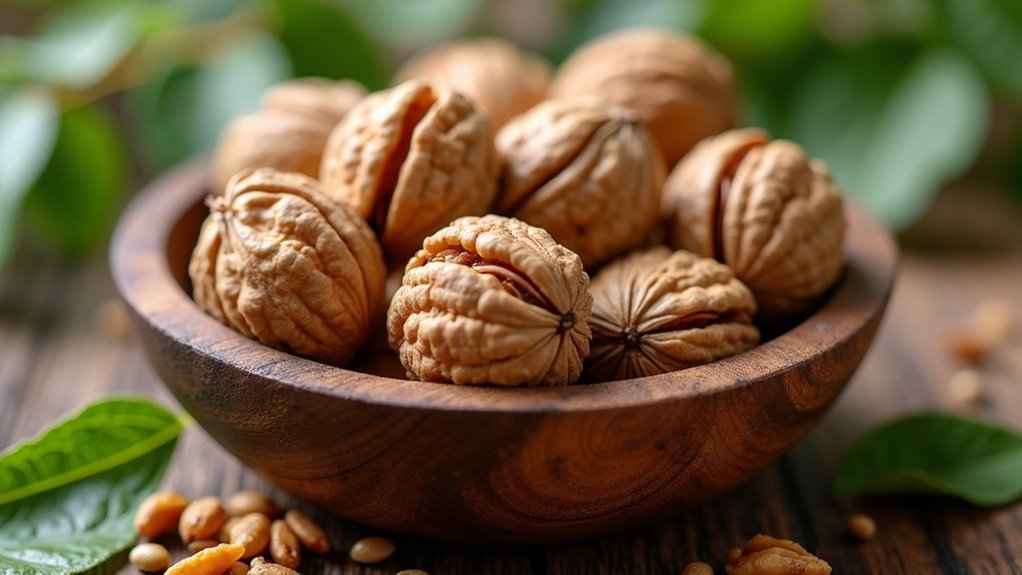
While many nuts offer health benefits, walnuts stand out as exceptional allies for your gut microbiome. These nutrient-dense nuts pack impressive omega-3 fatty acids that enhance beneficial gut bacteria growth while reducing inflammation throughout your digestive system.
You’ll get 2 grams of fiber per one-ounce serving, promoting regular bowel movements and preventing constipation.
Walnuts’ anti-inflammatory properties remarkably lower your risk of colon cancer and gastrointestinal diseases. They’re particularly effective at stimulating butyric acid production, an essential short-chain fatty acid that supports colon health and improves gut motility.
Walnuts dramatically reduce colon cancer risk while boosting butyric acid production for optimal digestive health and improved gut motility.
For ideal gut health benefits, you should consume 1.5 ounces daily. This simple addition transforms your diet into a powerful gut-friendly regimen that promotes digestive wellness.
Chia Seeds: Soluble Fiber Champions for Digestive Health
When you’re struggling with digestive issues, chia seeds pack an impressive 9.8 grams of soluble fiber in just two tablespoons, making them one of nature’s most concentrated fiber sources.
This soluble fiber creates a gel-like substance in your digestive tract that softens stool and promotes regular bowel movements, while the non-fermentable nature minimizes uncomfortable gas and bloating.
You’ll find chia seeds particularly beneficial if you have IBS or digestive sensitivities, as they provide gentle relief without the harsh side effects common with other high-fiber foods.
Soluble Fiber Benefits
Champions of digestive wellness, chia seeds pack an impressive 9.8 grams of soluble fiber into just two tablespoons, making them one of nature’s most concentrated sources of gut-friendly nutrition.
| Benefit | How It Works | Impact |
|---|---|---|
| Stool Softening | Soluble fiber absorbs water | Easier elimination |
| Gel Formation | Creates gel with liquids | Slows digestion |
| Nutrient Absorption | Extended gut transit time | Enhanced uptake |
| Bacterial Growth | Feeds beneficial gut bacteria | Improved microbiome |
| Reduced Bloating | Non-fermentable fiber content | Less gas production |
This soluble fiber transforms into a gel when you soak chia seeds, promoting regular bowel movements while supporting digestive function. Unlike other fibers that cause gas and bloating, chia’s non-fermentable nature makes it perfect for sensitive digestive systems. You’ll experience enhanced nutrient absorption as the gel slows digestion, giving your gut more time to extract vitamins and minerals while fostering beneficial gut bacteria growth.
IBS Management Support
For those struggling with IBS symptoms, chia seeds offer a gentle yet effective solution that addresses multiple digestive concerns simultaneously.
These powerful seeds deliver 9.8g of soluble fiber per two tablespoons, promoting softer stools and regular bowel movements essential for effective IBS management. Unlike other nuts and seeds, chia’s non-fermentable fiber minimizes gas and bloating, making them ideal for IBS-C sufferers.
You’ll enhance your gut health by soaking chia seeds before consumption, creating a gel-like consistency that supports smoother digestion. This fiber powerhouse helps balance gut bacteria, strengthening your overall digestive health.
However, if you have IBS-D, consult your healthcare provider first, as individual responses to high-fiber foods can vary greatly.
Flaxseeds: Plant-Based Omega-3s That Feed Good Bacteria
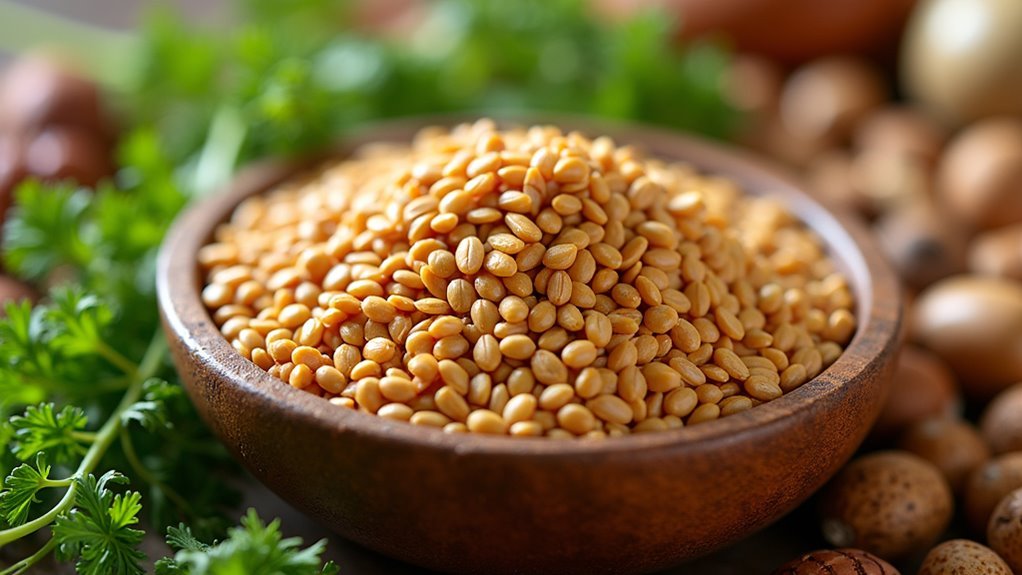
You’ll get a powerful dose of plant-based omega-3 fatty acids when you add flaxseeds to your diet, delivering essential nutrients that actively nourish your gut’s beneficial bacteria.
These tiny seeds don’t just provide omega-3s—they’re packed with lignans and soluble fiber that work together to reduce inflammation and create the perfect environment for your microbiome to thrive.
Omega-3 Powerhouse Benefits
While many people turn to fish for omega-3 fatty acids, flaxseeds deliver an impressive plant-based alternative that’s particularly beneficial for your gut health. Each tablespoon packs 6,388 mg of alpha-linolenic acid, which actively reduces inflammation throughout your digestive system.
You’ll also get 3 grams of soluble fiber that feeds beneficial gut bacteria, creating a thriving environment for ideal digestive health. This powerful combination transforms your microbiota composition, promoting the growth of health-supporting microorganisms.
Flaxseeds stimulate butyric acid production, an essential short-chain fatty acid that nourishes colon cells and strengthens your gut lining integrity. By incorporating just one tablespoon daily, you’re making significant progress toward meeting your fiber goals while supporting all-encompassing gut function.
Gut Bacteria Enhancement
Flaxseeds work as powerful prebiotics, directly feeding the beneficial gut bacteria living in your digestive tract. These tiny seeds promote gut bacteria enhancement by providing omega-3 fatty acids that create an ideal environment for your healthy microbiome to flourish.
You’ll get 2 grams of protein and 3 grams of fiber per tablespoon, supporting regular bowel movements while nourishing beneficial gut bacteria.
The soluble fiber in flaxseeds creates diversity in your gut bacterial population, which strengthens digestive health and protects against gastrointestinal diseases. Additionally, flaxseeds reduce inflammation throughout your gastrointestinal tract, creating conditions where good bacteria can thrive.
Daily Consumption Guidelines
Two tablespoons of ground flaxseeds daily delivers ideal gut health benefits without overwhelming your digestive system.
This daily consumption provides approximately 4 grams of protein and 6 grams of soluble fiber, which forms a gel-like substance that promotes regular bowel movements and feeds beneficial microbes in your intestines.
Start with one tablespoon and gradually increase to two tablespoons over several days, allowing your digestive system to adjust to the increased fiber intake.
You’ll maximize nutrition absorption by grinding flaxseeds fresh or storing pre-ground seeds in your refrigerator.
This consistent daily consumption enhances the diversity of gut bacteria while delivering anti-inflammatory omega-3 fatty acids.
Mix ground flaxseeds into smoothies, yogurt, or oatmeal for easy incorporation into your routine.
Almonds: Prebiotic Fiber and Vitamin E for Gut Protection

Since almonds pack an impressive 3.5 grams of prebiotic fiber per ounce, they’re excellent for feeding your beneficial gut bacteria and maintaining digestive health. This fiber content promotes regular bowel movements and prevents constipation, keeping your digestive system functioning smoothly.
Almonds also provide significant vitamin E, a powerful antioxidant that protects your gut cells from oxidative stress while reducing inflammation in your gastrointestinal tract. This dual protection supports overall gut health from multiple angles.
When you eat just one ounce of almonds daily, you’re contributing meaningfully to your recommended fiber intake – 21-25 grams for women and 30-38 grams for men.
Regular consumption enhances your gut microbiome diversity, which is essential for maintaining ideal digestive function and overall wellness.
Pumpkin Seeds: Magnesium-Rich Support for Intestinal Function
While almonds excel at providing prebiotic fiber, pumpkin seeds offer a different but equally valuable gut health benefit through their exceptional magnesium content. This essential mineral supports proper intestinal function by maintaining gut motility and preventing constipation.
Pumpkin seeds deliver exceptional magnesium that maintains healthy gut motility and prevents constipation naturally.
When you consume pumpkin seeds regularly, you’re also getting significant nutrients like copper, iron, and zinc that support red blood cell production and immune function.
The magnesium in pumpkin seeds plays an important role in your digestive processes, helping your intestines work efficiently.
You’ll find their nutty flavor makes them easy to incorporate into various dishes while boosting nutritional value. By adding these nutrient-dense seeds to your diet, you’re providing your gut with the support it needs for ideal health and function.
Sunflower Seeds: Antioxidant Protection for Gut Lining
Beyond their mineral content, sunflower seeds deliver powerful antioxidant protection that directly benefits your gut lining. These seeds are packed with vitamin E, copper, and selenium that shield your digestive tract from oxidative stress and free radical damage. The vitamin E content specifically reduces your risk of gastrointestinal diseases and inflammation.
| Nutrient | Amount (1 oz) | Gut Health Benefit |
|---|---|---|
| Protein | 7.4g | Supports tissue repair |
| Fiber | 3g | Promotes regular bowel movements |
| Vitamin E | High content | Reduces inflammation |
You’ll also support your cardiovascular health when eating sunflower seeds, which promotes better blood flow to your digestive tract. Add them to muesli or protein balls for an easy gut health boost.
Sesame Seeds: Phytosterols and Healthy Fats for Microbiome Balance
Sesame seeds pack a unique combination of phytosterols and healthy fats that work together to create an excellent environment for your gut microbiome.
These tiny seeds contain phytosterols that actively block cholesterol absorption, supporting both heart and digestive health simultaneously. The healthy fats in sesame seeds help lower overall cholesterol levels while nourishing beneficial gut bacteria essential for microbiome balance.
You’ll get significant fiber content from just one tablespoon serving, promoting regular bowel movements and feeding your gut’s good bacteria.
This fiber works alongside magnesium to enhance digestive health naturally. You can easily incorporate sesame seeds into your diet through tahini or by sprinkling them on dishes, maximizing their nutritional benefits while adding delicious flavor to support exceptional gut health.
Frequently Asked Questions
What Is the Best Nut for Gut Health?
You’ll find walnuts are the best nut for gut health. They’re packed with fiber that promotes beneficial bacteria growth and produces butyric acid, which reduces inflammation and supports your colon health effectively.
What Seeds Are Best for Gut Health?
You’ll find chia seeds are top performers with 9.8 grams of fiber per two tablespoons. Flaxseeds offer omega-3s that reduce inflammation, while pumpkin seeds provide gut-supporting minerals and sunflower seeds deliver protective antioxidants.
Which Nuts Are High in Probiotics?
Nuts don’t actually contain probiotics, but they’ll support your gut health differently. You’ll get prebiotic fiber from almonds and walnuts that feeds beneficial bacteria, helping them thrive in your digestive system.
What’s the Healthiest Nuts and Seeds?
You’ll find walnuts, almonds, chia seeds, and flaxseeds among the healthiest options. They’re packed with fiber, omega-3s, vitamin E, and magnesium that support your heart, brain, and overall wellness effectively.


Leave a Reply