

Your daily consumption of nutrient-dense greens like kale, spinach, and collard greens can deliver over 130% of your vitamin K needs in just one cup, supporting vital wound healing and blood clotting functions. You’ll maximize benefits by rotating between steamed kale, raw spinach in smoothies, and sautéed Swiss chard while monitoring your body’s response to increased intake. These powerhouse vegetables provide essential vitamins A and C, plus cancer-fighting compounds that’ll transform your health when you discover the complete optimization strategies.
The Science Behind Nutrient-Dense Healing Greens
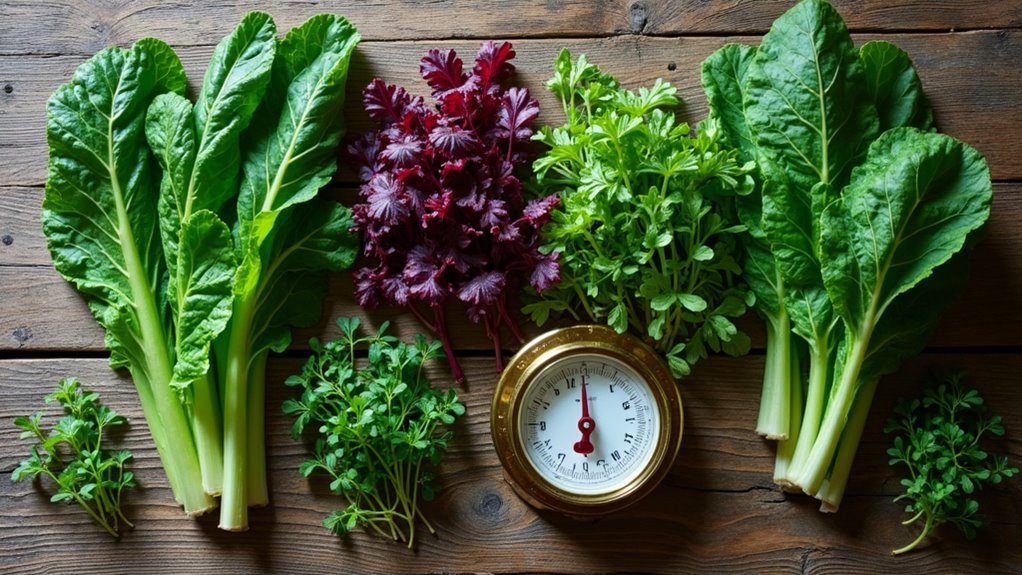
Nature’s powerhouse greens deliver concentrated healing nutrients that your body craves during recovery. When you consume spinach, kale, and collard greens, you’re supplying your system with vitamin K, which supports the wound healing process by enabling proper blood clotting and tissue repair.
These leafy greens contain essential vitamins A and C that boost immune function while providing antioxidant protection against cellular damage.
Leafy greens pack vitamins A and C to strengthen immunity and shield cells from harmful oxidative damage.
Your nutritional needs during healing require specific compounds for ideal recovery. Kale and beet greens supply zinc and vitamin C, both critical for collagen synthesis—the foundation of healthy tissue regeneration.
Each variety offers unique benefits: spinach delivers 121% daily value of vitamin K per cup, while other greens contribute different antioxidant profiles that reduce inflammation and support your body’s natural healing mechanisms.
Essential Vitamins and Minerals in Leafy Green Vegetables
When you examine the vitamin and mineral content of leafy green vegetables, you’ll discover an impressive concentration of nutrients that far exceeds most other food categories.
Vitamin K stands out as particularly abundant, with collard greens delivering 131% daily value and spinach providing 121% per cup, supporting blood clotting and bone health.
You’ll also benefit from substantial vitamin C levels in these leafy greens – kale offers 22% daily value while beet greens contribute 12%.
For vision and immune function, spinach provides 16% daily value of vitamin A.
Essential minerals like calcium in collard greens and iron in spinach support bone strength and oxygen transport.
The antioxidants lutein and beta-carotene protect against chronic diseases, making these vitamins and minerals work synergistically for peak health.
Top 12 Healing Greens for Daily Consumption

You’ll discover that certain leafy greens pack extraordinary nutritional density, with some varieties delivering over 100% of your daily vitamin K needs in just one cup.
These powerhouse vegetables offer unique combinations of vitamins, minerals, and antioxidants that can transform your health when consumed regularly.
Understanding each green’s specific nutrient profile and best preparation methods will help you maximize their healing potential in your daily diet.
Essential Nutrient Profiles
Although grocery store produce aisles offer countless options, certain leafy greens deliver exceptional healing potential that can transform your daily nutrition profile.
These leafy green vegetables provide concentrated vitamins and minerals that exceed your basic nutritional needs while supporting peak health benefits.
Vitamin K stands out as the dominant nutrient across healing greens, with collard greens leading at 131% DV per cup, followed by beet greens at 127% DV, and spinach at 121% DV.
This essential vitamin supports blood clotting and bone health while potentially meeting your protein needs for tissue repair.
You’ll also receive substantial vitamin C for collagen formation, with kale providing 22% DV and beet greens contributing 12% DV, enhancing your body’s natural healing processes.
Optimal Daily Preparation
Since your body absorbs nutrients most effectively through consistent daily intake, preparing these twelve powerhouse greens becomes essential for maximizing their healing potential. Steaming leafy greens like kale and collard greens preserves their vitamins A, C, and K content while maintaining peak nutrient intake. You’ll maximize preparation efficiency by washing and chopping greens in advance for smoothies and salads.
| Preparation Method | Best Greens |
|---|---|
| Raw/Salads | Arugula, romaine lettuce, microgreens |
| Steamed | Kale, Swiss chard, collard greens |
| Smoothies | Spinach, beet greens, microgreens |
| Sautéed | Swiss chard, kale, collard greens |
| Juiced | Spinach, kale, romaine lettuce |
Incorporating these preparation methods helps promote healing while supporting stable blood sugar levels through consistent fiber delivery and concentrated vitamin absorption.
Optimal Daily Serving Sizes for Maximum Health Benefits
When targeting maximum health benefits from leafy greens, you’ll want to consume 2 to 3 cups daily to meet your body’s essential vitamin and mineral requirements.
These daily serving sizes guarantee you’re getting adequate vitamin K, which supports bone health and proper blood clotting. You’ll maximize nutrient diversity by rotating between kale, spinach, and collard greens, as each offers distinct nutritional profiles.
Raw spinach delivers an impressive 121% of vitamin K’s Daily Value per cup, while kale provides around 68%.
Don’t overlook microgreens—they’re exceptionally nutrient-dense, containing higher concentrations of vitamins C, E, and K than mature greens.
This variety delivers powerful antioxidants that combat disease risk while optimizing your overall health benefits.
Vitamin K Powerhouses: Kale, Spinach, and Collard Greens

While most leafy greens provide substantial nutrition, kale, spinach, and collard greens stand out as vitamin K powerhouses that’ll transform your daily nutrient intake.
You’ll get 68% of your daily vitamin K from one cup of raw kale, while spinach delivers an impressive 121%, and collard greens top the charts at 131%. This vitamin’s essential for blood clotting and bone health, making these greens vital for your body’s proper functioning.
You’ll also benefit from spinach’s vitamin A (16% DV) and manganese (12% DV) content.
Collard greens provide additional calcium, vitamin A, and vitamin C. Incorporating these nutrient-dense vegetables into your balanced diet helps meet your nutritional needs while supporting overall health and reducing chronic disease risk.
Antioxidant-Rich Greens for Enhanced Wound Healing
Beyond their vitamin K content, these leafy powerhouses contain potent antioxidants that accelerate your body’s natural healing processes.
Spinach delivers lutein and beta-carotene, which boost immune function and support tissue repair. Collard greens provide similar antioxidant compounds while maintaining high vitamin K levels essential for wound healing.
You’ll find Swiss chard packed with betalains, unique antioxidants that reduce inflammation and promote cellular recovery.
Watercress offers zeaxanthin and lutein, compounds that strengthen skin integrity and enhance your healing capabilities.
Arugula contributes glucosinolates, which support detoxification pathways vital for recovery.
Microgreens: Concentrated Nutrition in Small Packages
Just one handful of microgreens can deliver up to 40 times more concentrated nutrition than their full-grown counterparts, making these tiny greens nutritional powerhouses for your healing journey.
These immature greens, measuring just 1-3 inches tall, pack impressive levels of vitamins C, E, and K alongside beneficial phytochemicals that support disease prevention and overall health.
You’ll find microgreens incredibly versatile for enhancing your daily nutrient intake. Popular varieties like radish, broccoli, and sunflower each offer unique flavors and nutrients that transform ordinary meals into healing feasts.
Growing your own home-grown microgreens year-round guarantees you’re getting the freshest, most potent concentrated nutrition possible. They’re remarkably easy to cultivate indoors, providing convenient access to these mighty healing greens regardless of season.
Brassica Family Vegetables and Their Cancer-Fighting Compounds
When you incorporate brassica family vegetables like broccoli, cabbage, and Brussels sprouts into your daily meals, you’re arming your body with powerful glucosinolates—unique sulfur compounds that actively inhibit tumor growth and reduce inflammation throughout your system.
These cancer-fighting compounds boost your detoxifying enzymes, helping eliminate potential carcinogens before they cause damage.
Your body’s detoxifying enzymes get a powerful boost from these compounds, actively neutralizing harmful carcinogens before they can wreak havoc.
Broccoli’s sulforaphane stands out as particularly potent, directly reducing cancer cell growth while enhancing your body’s natural defense mechanisms.
When you choose fermented brassica vegetables like sauerkraut, you’re adding probiotics that strengthen gut health and lower colorectal cancer risk.
Regular consumption of these nutrient-dense vegetables provides abundant antioxidants, vitamins, and minerals that contribute to a lower risk of cancers, including lung, colorectal, and breast cancer.
Creating Your Daily Green Vegetable Rotation Plan
You’ll maximize your nutrient intake by creating a structured weekly rotation that cycles through different green vegetables based on their unique nutritional profiles.
Start by mapping out which greens you’ll eat each day, prioritizing the most nutrient-dense options like kale and Swiss chard during your body’s peak recovery periods.
Plan your rotation around seasonal availability to guarantee you’re getting the freshest produce while taking advantage of natural price fluctuations throughout the year.
Weekly Menu Planning Strategy
Since different leafy greens offer distinct nutritional profiles, you’ll need a strategic rotation plan to enhance your daily vitamin and mineral intake. Start by selecting 5-7 greens based on seasonal availability—spring’s watercress and arugula, fall’s Swiss chard and beet greens.
Plan your week around this diverse intake, incorporating kale for its 68% daily value of vitamin K and spinach for an impressive 121% daily value.
Use meal prep to streamline your approach: blend spinach into morning smoothies, prep kale salads for lunches, and sauté Swiss chard for dinner sides.
This rotation guarantees you’re getting varied antioxidants and essential vitamins A, C, and K throughout the week. Aim for 1-2 servings daily, preventing monotony while supporting ideal nutrition and healing processes.
Nutrient Density Scheduling
Creating a systematic nutrient density schedule transforms your green vegetable consumption from random selections into a powerfully targeted health strategy. Your daily rotation should prioritize leafy greens with exceptional vitamin K content—kale delivers 68% DV while spinach provides 121% DV per cup. Schedule nutrient-dense options like microgreens and beet greens throughout your week for vitamins A, C, and K.
| Day | Primary Green | Secondary Addition |
|---|---|---|
| Monday | Kale | Cilantro |
| Tuesday | Spinach | Parsley |
| Wednesday | Watercress | Microgreens |
| Thursday | Collard Greens | Beet Greens |
Include cruciferous vegetables daily—broccoli and Brussels sprouts offer cancer-protective glucosinolates. Add watercress twice weekly for 71% DV vitamin K. Herbs like cilantro and parsley enhance antioxidants while boosting flavor in your systematic approach.
Seasonal Availability Optimization
When you align your green vegetable selections with natural growing seasons, you’ll maximize both nutritional value and flavor while reducing costs.
Dark leafy greens like kale and collard greens thrive during cooler months, delivering peak nutrients when you need them most. Spring and fall offer ideal seasonal availability for spinach, while summer brings Swiss chard and arugula to enhance your nutritional needs.
You can cultivate microgreens indoors year-round, ensuring consistent vitamin C, E, and vitamin K intake regardless of weather.
Watercress peaks from spring to summer, adding exceptional nutrient density to salads.
Planning weekly rotations based on seasonal availability supports your balanced diet goals while encouraging consumption of leafy greens at their nutritional peak, creating sustainable eating patterns that naturally boost your nutrient intake.
Preparation Methods That Preserve Maximum Nutrients
While cooking methods dramatically impact the nutritional value of your leafy greens, choosing the right preparation technique can help you retain up to 90% of their essential nutrients.
Raw consumption through salads or smoothies maximizes vitamin C and folate preservation. Steaming maintains most nutrients without the significant losses associated with boiling. Sautéing in olive oil enhances fat-soluble vitamin absorption while minimizing cooking time.
- Steam kale and spinach for 3-5 minutes to preserve heat-sensitive vitamins
- Consume greens raw in smoothies for maximum antioxidant retention
- Lightly sauté Swiss chard in healthy fats to boost vitamin A absorption
- Blanch greens briefly before freezing to maintain nutritional value
- Avoid prolonged heat exposure to protect vitamin K and B vitamins
Smart preparation guarantees ideal nutrient preservation.
Combining Greens With Other Healing Foods for Synergistic Effects
Strategic food combinations amplify the healing power of nutrient-dense greens far beyond what each ingredient provides individually.
You’ll maximize tissue repair by pairing spinach and kale with protein sources like legumes or lean meats, creating synergistic effects that enhance wound healing.
Adding healthy fats from avocados or olive oil to your greens boosts absorption of fat-soluble vitamins A, D, E, and K—essential for immune function.
You can improve iron absorption considerably by combining vitamin C-rich greens like broccoli with iron-rich lentils or red meat, supporting oxygen transport to healing tissues.
Don’t overlook whole grains like quinoa, which enhance nutrients absorption when paired with leafy greens.
Finally, incorporate anti-inflammatory herbs like turmeric and ginger to reduce oxidative stress during recovery.
Monitoring Your Body’s Response to Increased Green Intake
When you increase your green vegetable intake, you’ll need to track how your body responds to these changes.
Pay close attention to digestive symptoms like bloating or gas, energy fluctuations, skin improvements, and blood sugar stability as you adjust your consumption levels.
Monitoring these physical changes helps you find the ideal amount of greens that works best for your individual needs and health goals.
Tracking Physical Changes
Because your body responds to dietary changes within days to weeks, you’ll want to establish a baseline before increasing your green intake and track specific metrics afterward.
Monitor your energy levels throughout the day, as leafy greens provide essential vitamin B-complex nutrients that support cellular energy production. Document digestive health improvements, noting regularity and comfort after meals.
Track blood sugar patterns, especially if you’re incorporating nutrient-dense greens like Swiss chard. Weight management becomes more effective when you’re meeting your nutritional needs through low-calorie, high-nutrient vegetables.
Key metrics to track:
- Daily energy patterns and afternoon fatigue levels
- Digestive regularity and bloating frequency
- Skin clarity and overall appearance
- Sleep quality and recovery time
- Blood pressure readings if available
Adjusting Intake Levels
As you begin incorporating more leafy greens into your daily routine, you’ll need to monitor how your body responds to the increased nutrient density and fiber content.
Start adjusting intake levels gradually to prevent digestive discomfort while enhancing your nutritional needs. Watch for changes in blood sugar levels, especially when adding nitrate-rich varieties like arugula.
Your vitamin K intake will considerably increase with greens like spinach, providing 121% daily value per cup, so track any effects on blood clotting if you’re on medication.
Monitor improvements in immune function and energy levels as you consistently consume nutrient-dense options like watercress.
Pay attention to recovery times and overall health markers to determine your ideal intake for maximum benefits.
Frequently Asked Questions
How Much Greens Should I Eat in a Day?
You should eat at least 2 to 3 cups of leafy greens daily. Mix varieties like kale, spinach, and collard greens to maximize vitamins A, C, and K intake for ideal health benefits.
What Are the Nutrition Guidelines for Wound Healing?
You’ll need protein for tissue repair, vitamin C for collagen synthesis, and zinc for healing. Include anti-inflammatory omega-3s, stay hydrated, and eat colorful vegetables. Whole grains support energy during recovery.
What Happens if I Eat Greens Every Day?
You’ll boost your vitamin K intake dramatically, improve bone health, and enhance blood clotting. You’ll also get powerful antioxidants, better digestion, weight management support, and stronger immune function for tissue repair.
How Much Collard Greens Should I Eat a Day?
You should eat about 1 cup of cooked collard greens daily to get 131% of your vitamin K needs. If you’re on blood thinners, maintain consistent amounts and consult your doctor first.


Leave a Reply