

Leafy greens act as immune system powerhouses by activating your body’s aryl hydrocarbon receptors, which boost infection-fighting cells by 70-80%. You’ll get essential nutrients like vitamin C, antioxidants such as beta-carotene, and folate that enhance your immune defenses. Spinach, kale, collard greens, and watercress provide concentrated vitamins A, C, and K that drive white blood cell production and reduce inflammation. Without these nutritional champions, your immune cells can drop considerably within weeks, leaving you more vulnerable to infections and compromising your body’s natural defense mechanisms.
The Science Behind Leafy Greens and Immune Function
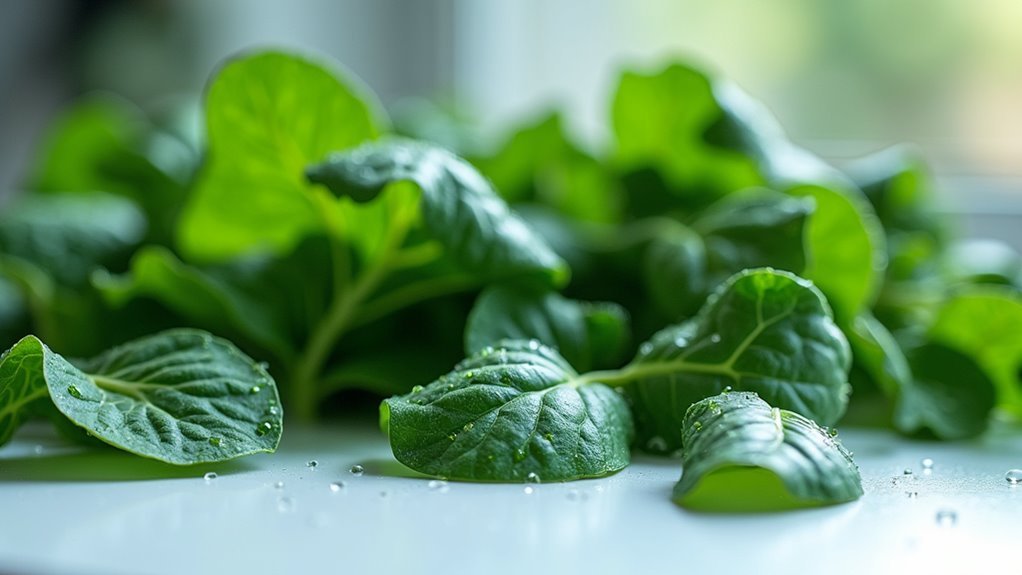
While you might think of leafy greens as simple additions to your salad bowl, these nutritional powerhouses contain specific chemical compounds that actively regulate your immune system’s function.
These essential nutrients work by influencing aryl hydrocarbon receptors (AhRs), which control the production of intra-epithelial lymphocytes (IELs) – specialized cells critical for maintaining your healthy immune system.
Peer-reviewed studies from the Barbraham Institute demonstrate just how crucial leafy greens are for immune function.
When researchers deprived laboratory mice of green vegetables, they observed a dramatic 70-80% reduction in IELs within just two to three weeks.
This research reveals that the health benefits of leafy greens extend far beyond their vitamins and minerals, directly impacting your body’s ability to mount effective immune responses.
Essential Nutrients in Leafy Greens That Support Immunity
You’ll find that leafy greens pack a powerful nutritional punch with vitamin C leading the charge in strengthening your immune defenses.
These vegetables also contain potent antioxidants like lutein and beta-carotene that actively fight disease-causing free radicals throughout your body.
Additionally, the folate in leafy greens works behind the scenes to protect your cells and support proper immune system function.
Vitamin C Immune Boost
Most people don’t realize that leafy green vegetables pack a serious vitamin C punch that can transform your immune system’s protective power.
You’ll get 12% of your daily vitamin C from just one cup of raw spinach, while kale delivers an impressive 22%. This vitamin C acts as a potent antioxidant, fighting oxidative stress that can weaken your defenses against chronic disease.
When you consume these nutrient-dense vegetables regularly, you’re enhancing white blood cells production – your body’s frontline warriors against infections.
The vitamin C in leafy greens doesn’t work alone; it teams up with other essential vitamins to create a thorough immune boost. By maximizing your nutrient intake through varied leafy greens, you’re building a stronger foundation for peak immune health.
Antioxidants Fight Disease
Beyond vitamin C’s protective benefits, leafy greens deliver a powerhouse arsenal of antioxidants that wage war against disease-causing free radicals throughout your body.
These nutrient-dense vegetables contain beta-carotene, lutein, kaempferol, and sulforaphane—compounds that actively combat oxidative stress and reduce chronic disease risk.
Your immune health benefits greatly when you include spinach, kale, and collard greens in your diet.
These leafy varieties provide vitamin K, which strengthens immune function while supporting overall wellness. The antioxidants work synergistically to inhibit inflammation and enhance your body’s infection-fighting capabilities.
Research demonstrates that antioxidant-rich diets boost immune response by increasing production of essential immune cells like intra-epithelial lymphocytes.
Folate Cell Protection
While antioxidants provide powerful disease-fighting protection, folate delivers targeted cellular support that keeps your immune system functioning at peak performance. This essential B-vitamin found abundantly in leafy greens like spinach and collard greens drives DNA synthesis and repair—critical processes for maintaining robust immune function.
When you include folate-rich leafy greens in your healthy diet, you’re fueling the production and proliferation of immune cells that defend against infections. Just one cup of raw spinach provides 15% of your daily folate needs, supporting red blood cell formation and overall immune health.
Without adequate folate, your immune function becomes compromised, leaving you vulnerable to illness. These nutrients work behind the scenes, ensuring your body’s cellular machinery operates efficiently to fight pathogens and maintain ideal health.
Top 12 Leafy Green Vegetables for Maximum Immune Benefits
Twelve powerhouse leafy greens stand out as exceptional immune system boosters, each delivering unique combinations of vitamins, minerals, and antioxidants that strengthen your body’s natural defenses.
Kale and spinach lead the pack, with spinach providing 121% of your daily vitamin K needs per cup. Collard greens offer an impressive 131% DV, while beet greens deliver 127% DV for this immune-supporting nutrient.
Watercress contributes 71% DV alongside anti-inflammatory compounds. Microgreens pack concentrated vitamins C, E, and K into small packages.
These leafy greens excel at supporting immune health through their vitamin K content, which regulates lymphocyte production essential for immune response. Combined with dietary fiber and additional antioxidants, incorporating these vegetables into your healthy eating routine maximizes immune benefits.
How Antioxidants in Leafy Greens Combat Cellular Damage

Although free radicals constantly attack your cells through everyday processes like breathing and metabolism, the antioxidants found in leafy greens serve as your body’s front-line defense against this cellular damage.
These nutrient-dense vegetables contain powerful compounds like lutein, beta-carotene, and vitamin C that neutralize harmful molecules threatening your immune health.
When you consume leafy greens regularly, you’re providing your body with essential tools to combat oxidative stress.
For instance, spinach delivers manganese for antioxidant defense, while kale’s vitamin K content enhances cellular protection.
Key antioxidant benefits include:
- Neutralizing free radicals that damage healthy cells
- Reducing chronic disease risk through cellular protection
- Supporting immune function and inflammatory response
- Providing essential minerals like manganese for antioxidant defense
The Role of Vitamins A, C, and K in Immune Defense
Beyond their antioxidant power, leafy greens deliver three critical vitamins that form your immune system’s foundation: vitamins A, C, and K.
Vitamin A from spinach and kale maintains your mucosal surfaces, creating barriers against pathogens while supporting immune function.
Vitamin A fortifies your body’s natural barriers, transforming spinach and kale into powerful shields against harmful pathogens and infections.
Vitamin C in collard greens and watercress drives white blood cell production, essential for fighting infections.
Vitamin K, abundant in kale and beet greens, regulates immune responses and reduces inflammation.
When you consume these leafy greens regularly, these vitamins work synergistically to enhance your immune health, potentially lowering your risk of infections and chronic diseases.
This powerful vitamin combination strengthens your body’s antioxidant defense mechanisms, helping combat oxidative stress that can weaken immune function and leave you vulnerable to illness.
Simple Ways to Incorporate More Leafy Greens Into Your Daily Diet

You don’t need to overhaul your entire diet to reap the immune-boosting benefits of leafy greens. Start with small additions like tossing a handful of spinach into your morning smoothie, then gradually increase portions as your taste buds adapt.
Once you’re comfortable with basic additions, you can explore creative cooking methods that transform these nutrient powerhouses into delicious meals and snacks.
Start Small, Add Gradually
When incorporating leafy greens into your diet feels overwhelming, starting with small additions makes the change manageable and sustainable.
Begin with just a handful of spinach in your morning smoothie to instantly boost your daily value of vitamins without dramatically changing taste. This gradual approach helps you develop healthy eating habits that support immune health while maintaining a balanced diet.
- Add a handful of spinach to smoothies – provides 121% DV for vitamin K plus fiber
- Mix romaine lettuce into sandwiches – contributes 40% DV vitamin K for heart health
- Incorporate small amounts of kale into salads – delivers 68% DV vitamin K and vitamins A, C
- Experiment with arugula or watercress – unique flavors while boosting essential vitamins for immunity
Creative Cooking Methods
Transforming leafy greens through creative cooking methods opens countless possibilities for boosting your immune-supporting nutrients while keeping meals exciting and flavorful.
You’ll discover that blending spinach into pasta sauces or casseroles increases nutritional value while disguising greens for hesitant eaters. Try experimenting with Swiss chard in stir-fries or collard greens in hearty soups to enhance meals with diverse nutrients like calcium and folate.
Making kale chips by baking seasoned leaves at low temperatures creates a crunchy, healthy snack that retains most vitamins. You can also add spinach to smoothies for an easy vitamin A, C, and K boost, or mix various leafy greens like arugula and romaine in salads to maximize antioxidants and boost your immune system naturally.
Proper Storage and Preparation Techniques for Maximum Nutrient Retention
Since leafy greens can lose their nutritional value quickly after harvest, you’ll want to handle them properly from the moment they arrive in your kitchen. Proper storage and smart preparation techniques guarantee maximum nutrient retention while keeping your greens safe to eat.
Fresh leafy greens deteriorate rapidly, so immediate proper handling and storage techniques are essential for preserving their maximum nutritional value.
Store leafy greens in your refrigerator at 40°F or cooler to maintain freshness. When you’re ready to eat them, thoroughly rinse unprepped greens under running water to remove dirt and contaminants. However, skip washing “ready to eat” or “triple washed” varieties to preserve their nutrient profile.
Key preparation techniques for ideal nutrition:
- Use light cooking methods like steaming to enhance nutrient bioavailability
- Store greens in clean, cool conditions immediately after purchase
- Incorporate various leafy greens for diverse nutrients and flavors
- Avoid overwashing pre-washed varieties
Building a Stronger Immune System Through Plant-Based Nutrition
Your body’s defense system relies heavily on the nutrients you consume, and leafy greens serve as powerful allies in strengthening your immune response.
These plant-based powerhouses deliver essential vitamins A, C, and K that directly support immune health by enhancing your body’s ability to fight infections.
When you maintain a healthy diet rich in leafy greens, you’re boosting production of intra-epithelial lymphocytes, critical immune cells that protect against pathogens.
The antioxidants in these vegetables activate specialized receptors that regulate immune cell production.
Research shows dramatic consequences when plant-based nutrition lacks greens—immune cells can drop 70-80% within weeks.
Frequently Asked Questions
What Are the Best Leafy Greens for Immune System?
You’ll want kale and spinach for vitamin K, collard greens for calcium and vitamins A and C, watercress for antioxidants, and beet greens for extensive vitamin content to maximize your immune system support.
What Are the Most Immune Boosting Vegetables?
You’ll boost immunity with cruciferous vegetables like broccoli and Brussels sprouts, plus garlic, ginger, and bell peppers. These contain sulfur compounds, allicin, and vitamin C that enhance your body’s natural defenses.
What Is the Most Nutritious Green Leafy Vegetable?
You’ll find collard greens and beet greens are the most nutritious, providing over 127% of daily vitamin K needs. They’re packed with vitamins A and C, making them nutritional powerhouses you shouldn’t overlook.
What Is the #1 Healthiest Vegetable?
You’ll find kale consistently ranks as the #1 healthiest vegetable due to its exceptional nutrient density, providing vitamins A, C, and K while delivering powerful antioxidants and anti-inflammatory compounds.


Leave a Reply