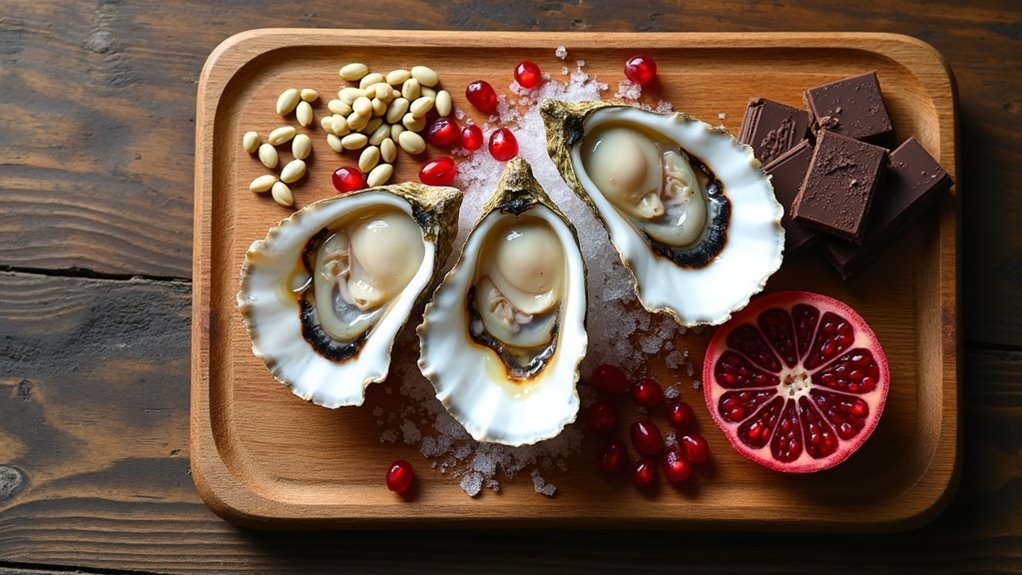
You’ll boost your immunity effectively by incorporating zinc-rich foods like oysters, beef, and dark meat chicken into your meals, as zinc acts as a molecular switch that activates your immune cells and supports T cell function. Plant-based options include chickpeas, lentils, pumpkin seeds, and fortified cereals. Adults need 8-11mg daily, and you can maximize absorption by pairing zinc sources with high-protein foods and vitamin C. Discover the complete strategies below for best immune support.
Understanding Zinc’s Role in Immune Function
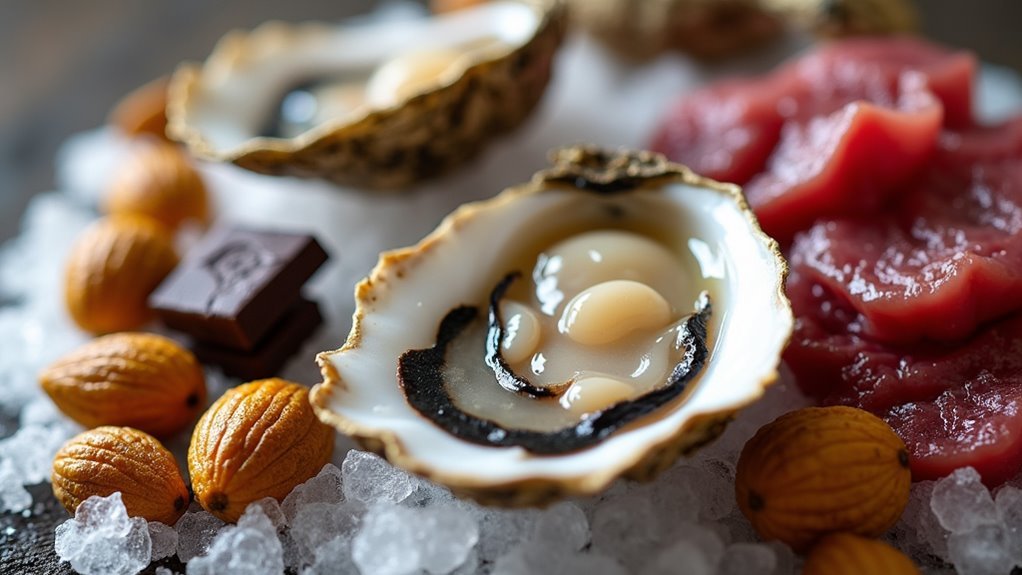
Your body’s defense system relies heavily on zinc, a trace mineral that acts as a molecular switch for immune cell activation. When you consume zinc-rich foods, you’re directly supporting T cell proliferation and function, which are essential for fighting off pathogens.
Zinc also stimulates antibody production, giving your immune system the tools it needs to recognize and eliminate threats effectively.
Without adequate zinc intake, your health suffers through compromised immune responses. Deficiency weakens your body’s ability to combat infections and extends recovery times considerably.
This mineral also regulates inflammatory responses, preventing your immune system from overreacting while maintaining its defensive capabilities.
Including zinc-rich foods like meat, seafood, legumes, and nuts in your diet guarantees peak immune function and enhanced protection against illness.
Top Animal-Based Foods High in Zinc
When you’re looking to maximize your zinc intake, animal-based foods offer some of the most concentrated sources available.
Oysters stand out as the ultimate zinc powerhouse, while other shellfish and crustaceans also pack impressive amounts of this immune-boosting mineral.
You’ll find solid zinc content in various meat and poultry options as well, making it easy to incorporate these foods into your regular meals.
Oysters Deliver Maximum Zinc
Nutritional powerhouses from the sea, oysters stand as the undisputed champions of zinc content among all foods. You’ll get approximately 74.1 mg of zinc per 3-ounce serving—nearly 500% of your daily recommended intake. This exceptional zinc concentration makes oysters incredibly effective at preventing zinc deficiency while dramatically boosting immune function through enhanced T cell activation.
Beyond zinc, you’re also consuming essential nutrients like omega-3 fatty acids and high-quality protein that support overall wellness. Regular oyster consumption helps maintain peak immune response and promotes faster wound healing.
If you’re seeking zinc-rich foods for immune support, oysters deliver unmatched benefits. Consider preparing dishes like Oysters Au Gratin to make incorporating these nutritional powerhouses into your diet both enjoyable and health-promoting.
Shellfish and Crustaceans
While oysters reign supreme in zinc content, the broader shellfish and crustacean family offers you impressive mineral benefits that shouldn’t be overlooked.
Cooked Alaskan king crab delivers an impressive 6.48 mg of zinc per 3-ounce serving, meeting 43% of your daily requirements. Lobster provides 2.8 mg per serving, contributing 23% of your recommended intake. Even shrimp adds value with 1.4 mg of zinc per portion.
These zinc-rich foods work together to support your immune function through their concentrated mineral profiles. By incorporating various shellfish into your diet beyond just oysters, you’ll create a diverse approach to meeting your zinc needs while enjoying different flavors and textures that support immunity enhancement.
Meat and Poultry Options
Beyond seafood selections, meat and poultry represent some of the most potent zinc sources you’ll find in your local grocery store.
Beef chuck roast tops these meat and poultry options with 8.44 mg per 3-ounce serving, delivering 47% of men’s zinc per day needs. Dark meat chicken provides 2.7 mg per serving, while turkey breast offers 1.5 mg. Pork chops contribute about 2 mg per 4-ounce portion.
Each source of zinc supports essential immune function through different mechanisms. You’ll maximize absorption by pairing these proteins with vitamin C-rich vegetables.
Whether you’re grilling, roasting, or braising, these animal proteins consistently deliver bioavailable zinc that your body readily absorbs compared to plant-based alternatives.
Plant-Based Zinc Sources for Vegetarians and Vegans
Many vegetarians and vegans can effectively boost their zinc intake through strategic plant-based food choices that deliver substantial amounts of this essential mineral.
Strategic plant-based food selections can significantly enhance zinc consumption for vegetarians and vegans seeking optimal mineral intake.
You’ll find chickpeas are excellent plant foods, providing 1.5 mg per 100 grams. Cooked lentils offer approximately 1.3 mg per half-cup serving while delivering fiber and protein. Whole grains like oats contain about 2.3 mg per cooked cup, making them valuable food sources for your balanced diet.
Pumpkin seeds serve as a rich source, with one ounce providing nearly 15% of your daily zinc requirements.
You can also incorporate fortified foods, particularly breakfast cereals enriched with zinc, to help meet your daily zinc needs effectively as vegetarians and vegans.
Daily Zinc Requirements and Recommended Intake
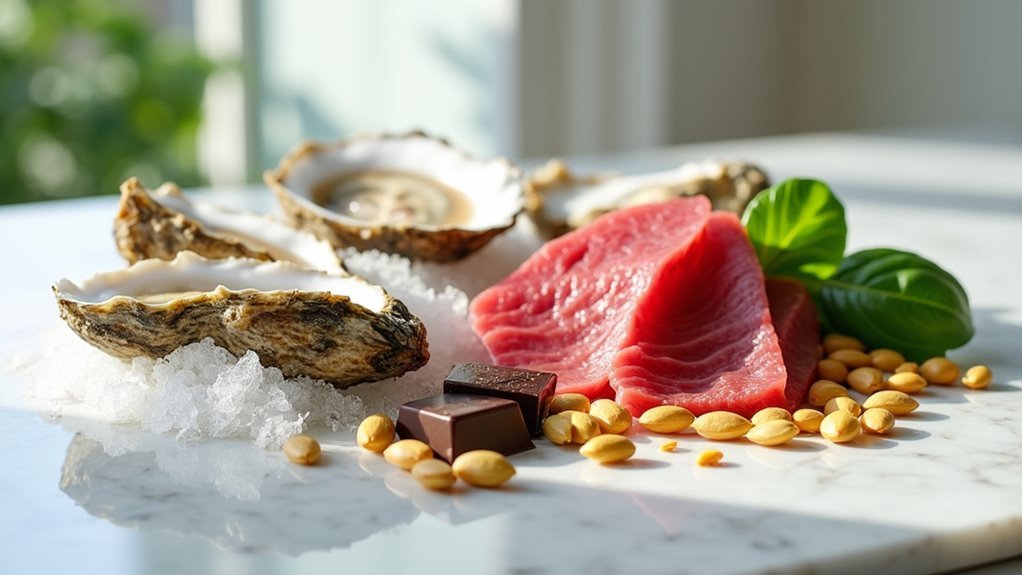
Understanding your specific zinc requirements helps guarantee you’re getting adequate amounts of this essential mineral for ideal immune function. The recommended daily zinc you need varies considerably based on your demographics and life stage.
| Population | Daily Value (mg) | Special Considerations |
|---|---|---|
| Adult men | 11 | Standard recommended daily intake |
| Adult women | 8 | Lower requirement than men |
| Pregnant/Breastfeeding | 11-12 | Increased needs during these periods |
Adult men require 11 milligrams daily, while adult women need only 8 milligrams. If you’re pregnant or breastfeeding, your zinc needs increase to 11-12 milligrams respectively. The upper limit stands at 40 milligrams daily to prevent toxicity. Though most Americans meet requirements through diet, certain populations remain at risk for zinc deficiency.
Signs of Zinc Deficiency and Health Risks
You might experience frequent infections, slow wound healing, or changes in taste and smell if you’re not getting enough zinc in your diet.
Certain groups face higher risks, including pregnant women, vegans, and people with digestive disorders or alcohol use problems.
Without adequate zinc, you’ll likely notice weakened immunity, hair loss, and poor appetite, which can lead to serious long-term health complications if left unaddressed.
Common Deficiency Symptoms
A weakened immune system often serves as your body’s first warning sign of zinc deficiency, manifesting through frequent colds, infections that linger longer than usual, and cuts or scrapes that heal frustratingly slowly.
These common deficiency symptoms can greatly impact your daily life and overall well-being.
You’ll notice several telltale signs when your zinc levels drop below ideal:
- Appetite loss and altered taste – Foods may taste bland or metallic, leading to reduced food intake.
- Hair loss and skin issues – Thinning hair, rashes, or poor wound healing become apparent.
- Cognitive and growth problems – Children experience delayed cognitive development, while older adults face increased mental decline.
Since the recommended dietary allowance varies by gender and life stage, recognizing these symptoms helps you address deficiency before it severely compromises your immune function.
At-Risk Population Groups
While zinc deficiency can affect anyone, certain population groups face considerably higher risks due to dietary restrictions, physiological demands, or underlying health conditions.
| Population Group | Risk Factors | Daily Zinc Needs |
|---|---|---|
| Vegetarians and vegans | Lower intake from plant-based diets | 8-11 mg |
| Pregnant women | Increased physiological demands | 11 mg |
| Breastfeeding women | Higher zinc requirements | 12 mg |
| Older adults | Decreased absorption and intake | 8-11 mg |
| Digestive disorder patients | Impaired zinc absorption | Variable |
If you’re in these at-risk population groups, you’ll need to prioritize zinc-rich foods to maintain ideal immune function. Digestive conditions like Crohn’s disease particularly compromise zinc absorption, while older adults face declining immunity without adequate zinc intake.
Long-Term Health Consequences
Ignoring zinc deficiency doesn’t just affect your day-to-day wellness—it creates cascading health problems that compound over time.
When you don’t maintain adequate zinc intake, your immune system weakens progressively, making you susceptible to chronic infections and slower recovery rates. Groups at higher risk face particularly severe consequences without proper intervention.
The long-term health outcomes include:
- Cognitive decline in older adults – Your brain function deteriorates as zinc deficiency impairs neurological processes.
- Stunted growth in children – Young bodies can’t develop properly without meeting the Recommended Dietary Allowance.
- Copper deficiency from overcorrection – Exceeding the upper limit of 40mg daily causes negative health outcomes including neurological damage.
Balancing zinc intake prevents these cascading complications.
Maximizing Zinc Absorption From Foods
Although zinc-rich foods can dramatically boost your immune system, you won’t reap their full benefits unless you maximize how well your body absorbs this essential mineral.
To enhance zinc absorption, pair zinc sources with foods high in protein like meats and legumes, since amino acids improve bioavailability. When consuming plant-based zinc sources, choose fermented or sprouted grains to reduce phytates that block absorption.
Fermentation and sprouting processes break down these inhibitors, making zinc more accessible to your body. Additionally, combine zinc-rich foods with vitamin C sources like citrus fruits to amplify immune-boosting effects.
These simple pairing strategies guarantee you’re getting maximum nutritional value from every zinc-rich meal you consume.
Frequently Asked Questions
What Food Is Highest in Zinc?
You’ll find oysters contain the highest zinc levels of any food, delivering about 74.1 mg per 3-ounce serving. That’s nearly 500% of your daily recommended intake, making them zinc’s ultimate source.
How Much Zinc Should I Take to Boost Immunity?
You should aim for 11 mg daily if you’re a man or 8 mg if you’re a woman. Don’t exceed 40 mg to avoid toxicity. Focus on zinc-rich foods rather than relying solely on supplements.
Which Fruit Is Highest in Zinc?
You’ll find avocados contain the highest zinc among fruits at 0.6 mg per 100 grams. Raspberries and blackberries follow with 0.5 mg, but you’ll need other foods for meaningful zinc intake.
What Is the Best Zinc for the Immune System?
You’ll get the best immune-boosting zinc from oysters, which provide 74.1 mg per serving. They’re far superior to supplements because your body absorbs natural zinc more effectively than synthetic forms.


Leave a Reply