
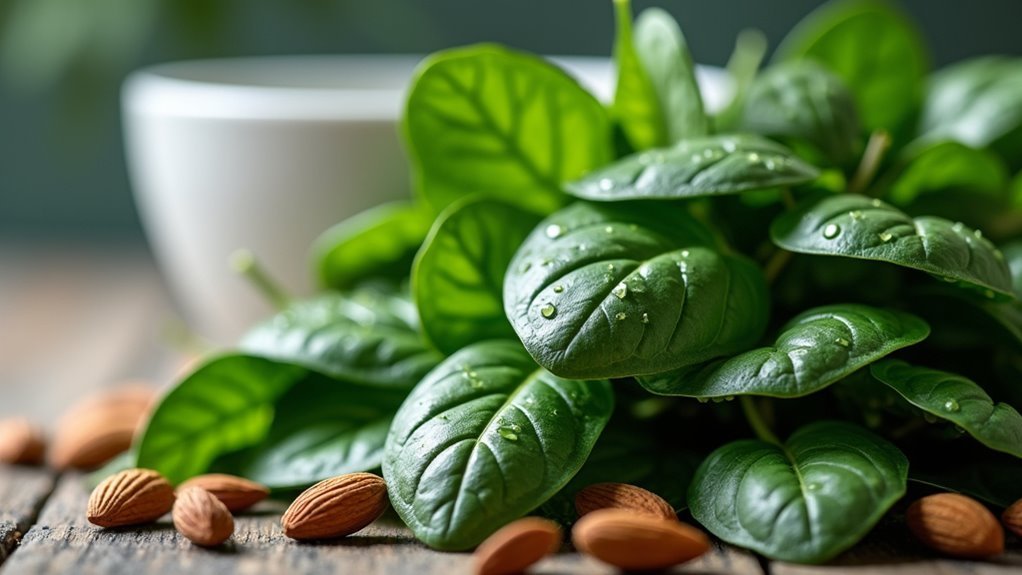
Magnesium-rich foods calm your panic attacks by acting as your nervous system’s natural brake, blocking excessive glutamate signals that trigger those terrifying episodes. When you’re deficient in magnesium—like 70% of Americans—your stress response goes haywire, flooding your system with cortisol and anxiety. This essential mineral enhances GABA activity, which soothes your nerves, while regulating the HPA axis that controls your body’s stress response. Understanding proper portions and timing can transform your anxiety management approach.
Understanding the Connection Between Magnesium and Panic Attacks

When you experience a panic attack, your body’s stress response system goes into overdrive, but magnesium deficiency might be making these episodes worse than they need to be.
This essential mineral regulates your HPA axis, which controls how your body responds to stress. Without adequate magnesium, you’re more vulnerable to anxiety and panic episodes.
Magnesium creates a calming effect by blocking stimulating neurotransmitters and binding to calming brain receptors. It also enhances neurotransmitter balance by boosting GABA activity, which naturally soothes your nervous system.
Since 70% of Americans don’t get enough magnesium through diet alone, incorporating magnesium-rich foods or considering magnesium supplementation could greatly reduce your panic attacks’ frequency and severity.
How Magnesium Regulates Your Nervous System During Stress
During stressful moments, magnesium acts as your nervous system’s natural brake pedal, controlling how intensely your body reacts to perceived threats. This essential mineral regulates your HPA axis, which controls your body’s stress response and cortisol production.
When you’re adequately supplied with magnesium, it prevents excessive cortisol release that typically fuels anxiety and panic.
Magnesium directly influences your neurotransmitters by boosting GABA activity, creating calming effects throughout your nervous system. This helps you maintain emotional balance during challenging situations.
However, magnesium deficiency disrupts this delicate system, increasing excitatory neurotransmitters like glutamate that trigger heightened anxiety responses.
Research confirms that proper magnesium levels improve your stress resilience and reduce subjective anxiety feelings, helping you maintain a calm nervous system when facing stressful circumstances.
The Role of Magnesium in Neurotransmitter Balance
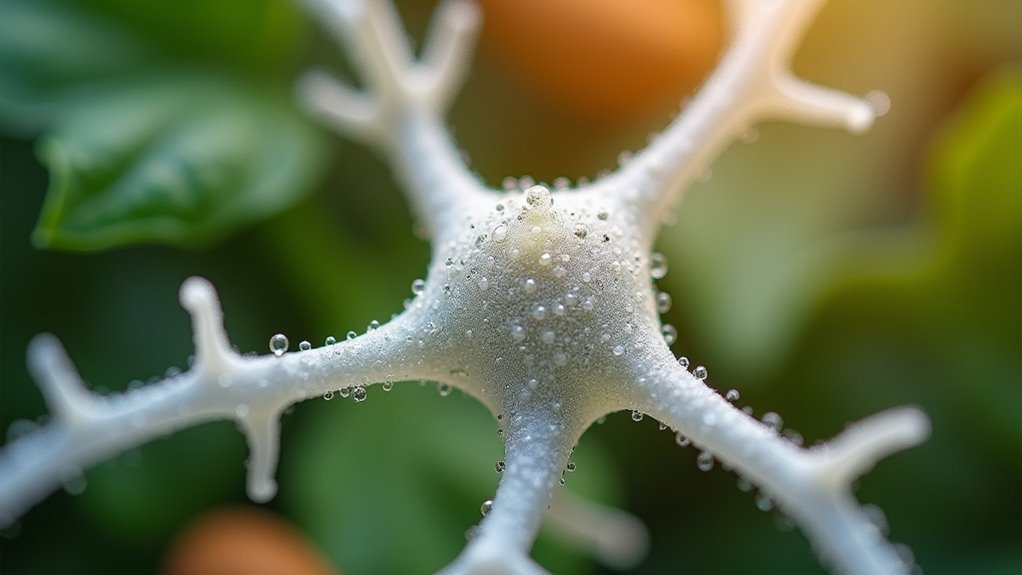
Your brain’s neurotransmitter balance determines whether you’ll experience calm clarity or overwhelming panic, and magnesium serves as the master regulator in this delicate chemical orchestra.
When you’re magnesium-deficient, your nervous system becomes hyperexcitable, triggering anxiety responses. Here’s how magnesium restores neurotransmitter harmony:
- Glutamate regulation – Magnesium blocks excessive excitatory signals that fuel panic attacks, preventing your brain from spiraling into fight-or-flight mode.
- GABA enhancement – It amplifies your brain’s primary calming neurotransmitter, creating natural tranquility during stressful moments.
- Serotonin production – Magnesium supports mood-stabilizing serotonin synthesis, helping maintain emotional equilibrium.
- Cortisol control – It regulates stress hormone levels that otherwise exacerbate anxiety symptoms.
This mineral’s deficiency disrupts these processes, making you vulnerable to panic episodes.
Magnesium’s Impact on Cortisol and Stress Hormone Regulation
When you’re experiencing chronic stress or panic attacks, your body’s cortisol levels can spiral out of control, creating a vicious cycle that’s hard to break.
Magnesium works directly to reduce these elevated cortisol levels by modulating your hypothalamic-pituitary-adrenal (HPA) axis, which controls your stress response system.
Cortisol Reduction Mechanisms
Although cortisol serves essential functions in your body’s fight-or-flight response, chronically elevated levels of this stress hormone can trigger and intensify panic attacks.
Magnesium deficiency disrupts your natural stress response, allowing cortisol levels to spiral out of control.
Here’s how magnesium supplementation reduces cortisol through specific mechanisms:
- Calming receptors activation – Magnesium binds to GABA receptors, directly counteracting stress signals in your brain.
- HPA axis regulation – It modulates the hypothalamic-pituitary-adrenal axis, preventing excessive cortisol release.
- Neuroendocrine pathway interference – Magnesium blocks the cellular pathways that trigger cortisol production.
- Stress response normalization – Adequate magnesium levels restore your body’s natural ability to return cortisol to baseline.
This cortisol reduction directly translates to decreased anxiety symptoms and fewer panic episodes.
HPA Axis Regulation
Deep within your brain’s control center, the hypothalamic-pituitary-adrenal (HPA) axis orchestrates your body’s entire stress response system, and magnesium acts as its primary regulatory mineral. When you’re magnesium deficient, your HPA axis becomes dysregulated, triggering excessive cortisol production that amplifies anxiety symptoms.
| HPA Component | Normal Function | Magnesium Deficiency Impact |
|---|---|---|
| Hypothalamus | Releases stress signals | Overactive stress signaling |
| Pituitary | Controls hormone release | Excessive hormone production |
| Adrenal Glands | Produces cortisol | Cortisol overproduction |
Magnesium binds to calming receptors in your brain, directly inhibiting cortisol release and stabilizing your stress response. This regulation prevents the cortisol spikes that trigger panic attacks, helping your brain functions maintain emotional balance during stressful situations.
Signs of Magnesium Deficiency That May Trigger Panic Episodes

Because magnesium deficiency affects nearly three-quarters of Americans, recognizing its warning signs can help you understand whether low levels might be contributing to your panic attacks.
When your body lacks adequate magnesium, you’ll experience symptoms that directly amplify stress responses and trigger anxiety episodes:
- Sleep disruption and insomnia – Poor sleep quality elevates cortisol levels, making you more susceptible to panic attacks the following day.
- Muscle tension and spasms – These physical symptoms can mimic panic sensations, creating a cycle where muscle tightness triggers actual panic episodes.
- Heightened anxiety and irritability – Without sufficient magnesium to regulate neurotransmitters, your nervous system becomes hyperreactive.
- Chronic fatigue – Physical exhaustion weakens your ability to manage stress effectively.
Consuming magnesium-rich foods to meet your recommended daily allowance can calm panic episodes and reduce anxiety naturally.
Top Magnesium-Rich Foods for Natural Anxiety Relief
When you’re looking to combat anxiety naturally, incorporating specific magnesium-rich foods into your daily diet can provide the calming effects your nervous system needs.
Leafy greens like spinach and kale deliver 157 mg per cooked cup, regulating neurotransmitters for better mental well-being.
Spinach and kale naturally boost magnesium intake to 157 mg per cup, helping regulate brain chemistry for improved mental wellness.
Nuts and seeds, particularly almonds with 76 mg per ounce, actively reduce stress while improving your mood.
Dark chocolate containing at least 70% cocoa offers 64 mg per ounce, creating delicious anxiety relief through enhanced relaxation.
Legumes such as black beans provide 60 mg per cup, supporting overall mental stability.
Whole grains like quinoa deliver 118 mg per cooked cup, promoting stable blood sugar and calming your nervous system for lasting comfort.
Leafy Greens and Their Calming Properties During Panic
While panic attacks can feel overwhelming and uncontrollable, leafy greens like spinach, kale, and Swiss chard offer powerful natural support through their exceptional magnesium content and unique calming compounds.
These nutrient-dense vegetables work specifically to combat panic attacks through several mechanisms:
- Neurotransmitter regulation – Magnesium in leafy greens helps balance brain chemicals that control your mood and stress response.
- Stress hormone reduction – Regular consumption lowers cortisol levels, preventing the escalation of anxiety symptoms.
- Enhanced brain function – Antioxidants improve cognitive performance and emotional stability during stressful episodes.
- Optimal magnesium intake – Meeting daily requirements of 320-420mg supports overall mental health.
Incorporating leafy greens into your meals provides consistent magnesium delivery, helping you maintain stable levels that naturally reduce anxiety and decrease panic attack frequency.
Nuts, Seeds, and Whole Grains for Stress Management
When you’re managing panic attacks, nuts like almonds and cashews, seeds such as pumpkin and sunflower varieties, and whole grains including brown rice and quinoa offer varying levels of magnesium that can greatly impact your stress response.
You’ll want to understand how much of each food provides ideal daily magnesium intake and which portions work best for your individual needs.
The key lies in knowing how well your body absorbs magnesium from these different sources, since bioavailability affects how effectively these foods can help regulate your cortisol levels and neurotransmitter balance.
Magnesium Content Comparison
Although many people turn to supplements for quick relief, you’ll find that whole foods offer naturally occurring magnesium in forms your body can easily absorb and utilize.
When comparing magnesium-rich foods for anxiety and panic attacks relief, the differences are striking:
- Pumpkin seeds lead with 262 mg per 100 grams, making them your most potent stress management snack.
- Brazil nuts follow with 107 mg, providing substantial support for calming panic attacks.
- Cashews offer 82 mg, while almonds contribute 76 mg per 100 grams.
- Quinoa contains 64 mg and brown rice provides 43 mg per 100 grams.
Since magnesium deficiency affects 70% of Americans and directly links to increased anxiety, choosing seeds and nuts over whole grains maximizes your intake for ideal stress hormone regulation.
Optimal Daily Portions
Knowing which foods contain the most magnesium won’t help if you’re eating inadequate portions to meet your daily needs. To effectively reduce stress and anxiety while preventing panic attacks, you’ll need ideal daily portions of magnesium-rich foods that align with the Recommended Daily Allowance (RDA).
| Food Category | Ideal Daily Portion |
|---|---|
| Almonds | 1.5-2 ounces |
| Pumpkin Seeds | 1 ounce |
| Quinoa | 1 cup cooked |
| Mixed Whole Grains | 2-3 servings |
These portions provide substantial magnesium while delivering healthy fats and proteins that stabilize blood sugar. Whole grains support neurotransmitter functions, creating a synergistic effect that helps your body manage stress more effectively than individual nutrients alone.
Bioavailability and Absorption
While magnesium supplements flood the market with promises of quick relief, your body actually absorbs this essential mineral more effectively from whole food sources like nuts, seeds, and whole grains.
The bioavailability of magnesium from these foods greatly outperforms synthetic alternatives, leading to better stress management and mental health outcomes.
Here’s why absorption from magnesium-rich foods works better for managing panic attacks:
- Fiber enhances uptake – Natural fiber in almonds and quinoa helps your digestive system process magnesium more efficiently.
- Nutrient synergy – Pumpkin seeds contain complementary vitamins that boost magnesium absorption.
- Sustained release – Whole grains provide steady magnesium levels rather than sudden spikes.
- Better retention – Your body maintains adequate magnesium levels longer, supporting emotional well-being and reducing panic attack frequency.
How Much Magnesium You Need for Optimal Anxiety Support
When you’re dealing with anxiety, determining the right amount of magnesium becomes essential for finding relief. The Recommended Daily Allowance varies by gender—men need 420 mg while women require 320 mg daily.
Unfortunately, approximately 70% of Americans are magnesium deficient, which can worsen stress and anxiety symptoms.
For anxiety support, effective supplementation typically ranges from 75-360 mg daily, though your specific needs may differ. You’ll find foods rich in magnesium include leafy greens, nuts, seeds, legumes, and whole grains, which naturally help meet your daily requirements.
Before starting any supplementation regimen, consult your healthcare provider. They’ll assess your individual health status and determine the appropriate dosage for your specific anxiety management needs.
Timing Your Magnesium Intake for Maximum Panic Prevention
Strategic timing transforms magnesium from a helpful supplement into a powerful panic prevention tool. When you align your magnesium intake with your body’s natural rhythms and stress patterns, you’ll maximize its calming effects and reduce panic attacks more effectively.
Strategic timing turns magnesium into your most powerful weapon against panic attacks and overwhelming anxiety.
Here’s how to time your magnesium-rich foods for ideal panic prevention:
- Consume magnesium regularly throughout the day to maintain stable levels that regulate neurotransmitters and prevent anxiety spikes.
- Eat magnesium-rich foods before known stressful periods like work presentations or challenging conversations to preemptively calm your nervous system.
- Reach for nuts or dark chocolate during heightened anxiety to provide immediate neurotransmitter support when you need it most.
- Combine magnesium-rich foods with complex carbohydrates and proteins to enhance magnesium absorption and sustain its anti-anxiety benefits longer.
Combining Magnesium Foods With Other Natural Stress Reduction Methods
Although magnesium-rich foods provide powerful panic prevention benefits on their own, you’ll amplify their calming effects by combining them with other natural stress reduction methods.
Pair leafy greens, nuts, and whole grains with mindfulness meditation to enhance neurotransmitter regulation and deepen relaxation. Adding omega-3 fatty fish alongside your magnesium intake supports mental health by reducing inflammation and stabilizing mood.
You can boost these benefits through physical activity like yoga or walking, which naturally lowers stress hormones while increasing magnesium absorption. Create ideal conditions for anxiety management by staying hydrated and limiting caffeine with your magnesium-rich snacks.
Consider combining these foods with herbal supplements such as ashwagandha or chamomile for synergistic effects that may further reduce panic attacks and strengthen your overall stress response system.
Frequently Asked Questions
How Does Magnesium Help Panic Attacks?
Magnesium helps your panic attacks by regulating your stress response system and boosting GABA, a calming neurotransmitter. It’ll reduce cortisol levels, preventing the rapid heartbeat and intense anxiety that typically trigger your panic episodes.
Which Magnesium Is Best for Panic Attacks?
You’ll find magnesium glycinate most effective for panic attacks due to its superior absorption and calming properties. Magnesium L-threonate also works well for anxiety relief, while citrate isn’t as beneficial.
How Long Does It Take for Magnesium to Calm Anxiety?
You’ll typically notice magnesium’s anxiety-calming effects within one week of consistent supplementation. However, your timeline depends on your individual metabolism, magnesium deficiency severity, and dosage taken daily.
How Does Magnesium Make You Feel Calm?
Magnesium helps you feel calm by balancing your brain’s neurotransmitters, reducing stress hormones like cortisol, and supporting serotonin production. It naturally quiets your nervous system, creating a relaxed state.


Leave a Reply