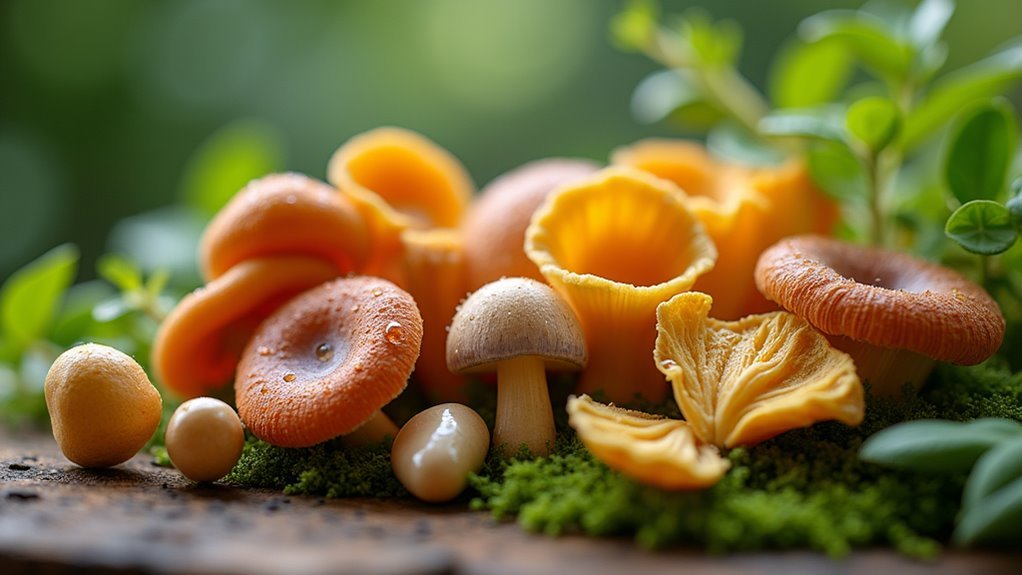
Medicinal mushrooms like Reishi, Lion’s Mane, and Turkey Tail can help modulate your overactive immune system rather than simply boosting or suppressing it. These fungi contain beta-glucans and other bioactive compounds that reduce inflammatory markers triggering autoimmune flare-ups while supporting healthy immune cell function. Reishi balances T-cell activity, Lion’s Mane protects neurons in neurological conditions, and Turkey Tail regulates thyroid inflammation. You’ll want to consult your healthcare provider before starting any regimen to discover the specific mushroom combinations that best address your particular autoimmune condition.
Understanding Autoimmune Conditions and Immune System Dysfunction
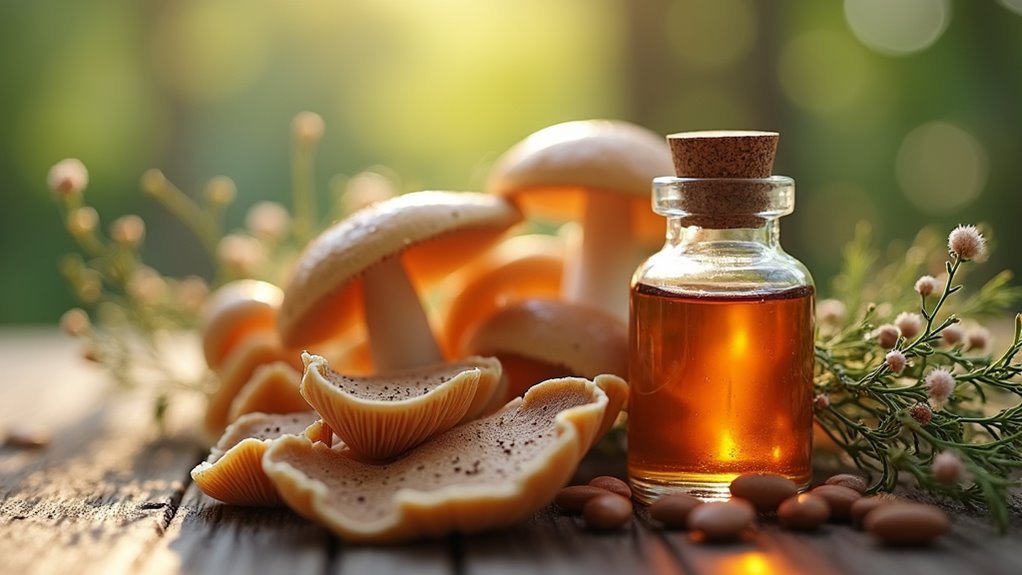
When your immune system turns against you, autoimmune conditions develop as your body’s defense mechanism mistakenly identifies healthy tissues as foreign invaders. This dysfunction creates an imbalanced immune response where pro-inflammatory factors dominate, leading to chronic inflammation and progressive tissue damage.
You’ll find conditions like multiple sclerosis, rheumatoid arthritis, and thyroid disorders exemplify this problematic pattern.
Your immune system’s overactive state perpetuates ongoing inflammation, causing the debilitating symptoms you experience. Oxidative stress compounds these issues, further disrupting normal immune function.
However, research reveals that medicinal mushrooms contain active compounds like beta-glucans and triterpenoids that can modulate these dysfunctional immune responses.
Understanding how your immune system malfunctions in autoimmune conditions provides the foundation for exploring targeted therapeutic approaches, including immunomodulatory agents that could restore balance and promote healing.
How Medicinal Mushrooms Modulate Immune Function
Medicinal mushrooms offer a sophisticated approach to rebalancing your dysregulated immune system through their unique bioactive compounds.
Harness the power of bioactive fungal compounds to restore immune equilibrium and address autoimmune dysfunction at its source.
These powerful fungi contain polysaccharides like beta-glucans that fine-tune your immune response rather than simply boosting or suppressing it. They work by enhancing beneficial immune cells while reducing inflammatory reactions that characterize autoimmune conditions.
Key mechanisms include:
- Beta-glucan activation – Polysaccharides from reishi and turkey tail help macrophages and natural killer cells function effectively.
- Anti-inflammatory modulation – Compounds like PSK and PSP regulate overactive immune responses while maintaining protective immunity.
- Cellular protection – Antioxidants from chaga and neuroprotective factors from lion’s mane support tissue health during immune dysfunction.
Medicinal mushrooms provide targeted health benefits by addressing the root cause of autoimmune imbalance.
Reishi Mushroom for Immune Balance and Inflammation Control

Reishi’s polysaccharides work through specific pathways to reduce inflammatory markers that trigger autoimmune flare-ups, giving you a natural way to calm your overactive immune response.
You’ll find that reishi’s bioactive compounds help regulate T-cell activity, which is vital since these immune cells often attack healthy tissue in autoimmune conditions.
This dual action means you’re getting both immediate inflammation control and long-term immune system rebalancing when you incorporate reishi into your wellness routine.
Anti-Inflammatory Polysaccharide Mechanisms
Although autoimmune conditions often involve complex inflammatory cascades, reishi mushroom’s polysaccharides offer a targeted approach to restoring immune balance.
These bioactive compounds, particularly beta-glucans, work by modulating your immune system’s inflammatory responses at the cellular level. You’ll benefit from their ability to reduce pro-inflammatory cytokine production while promoting balanced immune function.
The anti-inflammatory mechanisms include:
- Beta-glucan receptor binding – Polysaccharides bind to specific immune cell receptors, triggering anti-inflammatory cascades
- Cytokine regulation – Direct suppression of inflammatory mediators like TNF-alpha and interleukin-6
- Macrophage modulation – Enhanced immune cell function without excessive inflammatory activation
When you consume reishi mushroom supplements regularly, these polysaccharides help calm chronic inflammation that often fuels autoimmune disorders, creating a more stable immune environment for your body’s natural healing processes.
T-Cell Regulation Benefits
Beyond the polysaccharide-driven anti-inflammatory effects, reishi’s triterpenoids target a more specific aspect of immune dysfunction: T-cell dysregulation. This mushroom’s compounds enhance regulatory T-cells (Tregs), which are essential for preventing your immune system from attacking healthy tissue.
When you have autoimmune conditions, your Tregs often can’t maintain proper immune tolerance, leading to chronic inflammation and tissue damage.
Reishi’s triterpenoids work by downregulating pro-inflammatory cytokines while strengthening T-cell regulation mechanisms. This dual action helps restore immune balance rather than simply suppressing immune function.
You’ll benefit from reduced autoimmune flare-ups as your regulatory T-cells become more effective at controlling overactive immune responses. By supporting proper T-cell regulation, reishi offers targeted relief for autoimmune symptoms while promoting long-term immune system stability and improved quality of life.
Lion’s Mane and Cordyceps for Neurological Autoimmune Support
When you’re dealing with neurological autoimmune conditions like multiple sclerosis, Lion’s Mane mushroom can offer significant neuroprotective benefits by stimulating nerve growth factor production and reducing harmful brain inflammation.
You’ll find that Cordyceps complements this support perfectly by boosting your energy levels and combating the chronic fatigue that often accompanies autoimmune disorders.
Together, these two mushrooms create a powerful combination that addresses both the neurological damage and energy depletion you might experience with autoimmune conditions.
Lion’s Mane Neuroprotection
Since neurological autoimmune disorders like multiple sclerosis attack your nervous system, you’ll want to contemplate mushroom supplements that specifically target nerve protection and regeneration.
Lion’s mane stands out as a powerful ally for neuroprotection, offering unique compounds that stimulate nerve growth factor (NGF) production. This mushroom’s ability to support nerve repair makes it particularly valuable when your immune system mistakenly targets healthy neural tissue.
Lion’s mane’s neuroprotective benefits include:
- Stimulating nerve growth factor production to promote neural regeneration
- Reducing inflammation that contributes to nerve damage
- Supporting myelin sheath repair in conditions like multiple sclerosis
The mushroom’s immunomodulatory properties provide essential immune support by helping balance overactive immune responses.
Research demonstrates that lion’s mane can minimize nerve damage while promoting healing, making it an excellent therapeutic addition for managing neurological autoimmune conditions.
Cordyceps Energy Enhancement
Fatigue poses one of the most debilitating challenges you’ll face with neurological autoimmune conditions, often leaving you drained and struggling to maintain daily activities. Cordyceps offers remarkable energy-enhancing properties that can help combat this exhaustion while supporting your immune system balance.
| Benefit | Mechanism | Impact |
|---|---|---|
| Energy Boost | ATP production enhancement | Increased stamina |
| Fatigue Reduction | Cellular oxygen utilization | Better endurance |
| Immune Balance | Modulated immune responses | Reduced inflammation |
| Physical Performance | Enhanced mitochondrial function | Improved daily functioning |
Research shows cordyceps considerably improves energy levels by optimizing cellular energy production. This ancient fungus works at the mitochondrial level, helping your cells generate more efficient energy while supporting balanced immune function. When combined with consistent supplementation, you’ll experience sustained energy improvements that can dramatically enhance your quality of life.
Turkey Tail and Chaga for Thyroid Autoimmune Conditions

Although thyroid autoimmune conditions like Hashimoto’s and Graves’ disease can considerably disrupt your body’s delicate hormonal balance, turkey tail and chaga mushrooms offer promising natural support through their powerful immune-modulating compounds.
Turkey tail contains PSK and PSP polysaccharides that help balance your immune system responses, specifically targeting the overactive reactions causing thyroid inflammation.
Turkey tail’s PSK and PSP polysaccharides naturally balance immune responses, specifically targeting overactive reactions that drive thyroid inflammation.
Meanwhile, chaga mushrooms deliver potent antioxidants and anti-inflammatory properties that reduce harmful T-cell activity attacking your thyroid tissue.
Key benefits include:
- Regulating immune responses to prevent excessive thyroid tissue attacks
- Reducing inflammation that contributes to autoimmune symptoms
- Supporting overall immune function for better autoimmune condition management
Regular supplementation with these medicinal mushrooms can enhance your body’s natural ability to manage autoimmune thyroid disorders while improving symptom relief.
Shiitake and Maitake for Rheumatoid Arthritis Management
Joint pain and mobility challenges from rheumatoid arthritis require targeted nutritional support that addresses the underlying inflammatory processes attacking your synovial tissues.
Shiitake mushrooms offer powerful immune-modulating compounds that help regulate pro-inflammatory molecules while supporting joint health. You’ll benefit from their ability to reduce chronic inflammation that characterizes RA symptoms.
The maitake mushroom contains D-fraction, a bioactive component specifically known for immune-boosting and anti-inflammatory properties.
When you incorporate maitake into your routine, you’re providing your immune system with polysaccharides that actively work to reduce joint inflammation.
Both mushrooms help modulate immune responses rather than simply suppressing them, which is essential for autoimmune conditions.
Research indicates these polysaccharides play significant roles in promoting overall joint health and alleviating inflammatory symptoms.
Safety Considerations and Dosage Guidelines for Autoimmune Patients
When considering mushroom supplements for autoimmune management, you must prioritize safety protocols that prevent immune system overstimulation.
Autoimmune patients face unique risks since certain mushroom extracts like reishi and turkey tail possess immunomodulatory properties that could exacerbate existing conditions. You’ll need to consult your healthcare provider before starting any regimen, especially if you’re taking immune suppressants or undergoing immunotherapy treatments.
Mushroom extracts with immunomodulatory properties may worsen autoimmune conditions, requiring strict medical supervision before supplementation.
- Select high-quality products containing active compounds rather than crude powders or mycelium that lack therapeutic benefits.
- Follow consistent dosing protocols over 4 weeks minimum, though individual needs vary based on your specific condition.
- Monitor your body’s response carefully and discontinue use if you experience worsening symptoms or unexpected immune reactions.
Your safety depends on proper medical supervision throughout your mushroom supplement journey.
Frequently Asked Questions
What Mushroom Is Best for Autoimmune Disease?
You’ll find reishi mushrooms are best for autoimmune diseases because they’re powerful immunomodulators that reduce inflammation and balance your immune system’s overactive responses, making them effective for conditions like rheumatoid arthritis.
Can You Take Lion’s Mane With Autoimmune Disease?
You can potentially take lion’s mane with autoimmune disease, but you should consult your healthcare provider first. It may modulate immune responses, so professional guidance guarantees it won’t interfere with your treatments.
What Is the Best Mushroom Supplement for Inflammation?
You’ll find reishi mushrooms are the best supplement for inflammation due to their powerful anti-inflammatory properties. They effectively reduce chronic inflammation and help manage inflammatory conditions better than most other mushroom varieties.
Is Reishi Mushroom Safe for Autoimmune Disease?
You should consult your healthcare provider before using reishi for autoimmune disease. While it’s generally safe and may reduce inflammation, there’s risk of overstimulating your immune system in autoimmune conditions.


Leave a Reply