
You’ll boost your immune system considerably by eating zinc-rich foods like oysters, which pack an incredible 74.1 mg per serving, and crab with 6.48 mg. Include beef, legumes like chickpeas, pumpkin seeds, and cashews in your daily meals. These foods activate T cells and power over 300 enzymes essential for immune defense. Aim for 8-11 mg daily to maintain strong barriers against infections and reduce cold symptoms. The complete strategy for maximizing zinc’s immune benefits awaits below.
Understanding Zinc’s Role in Immune Function
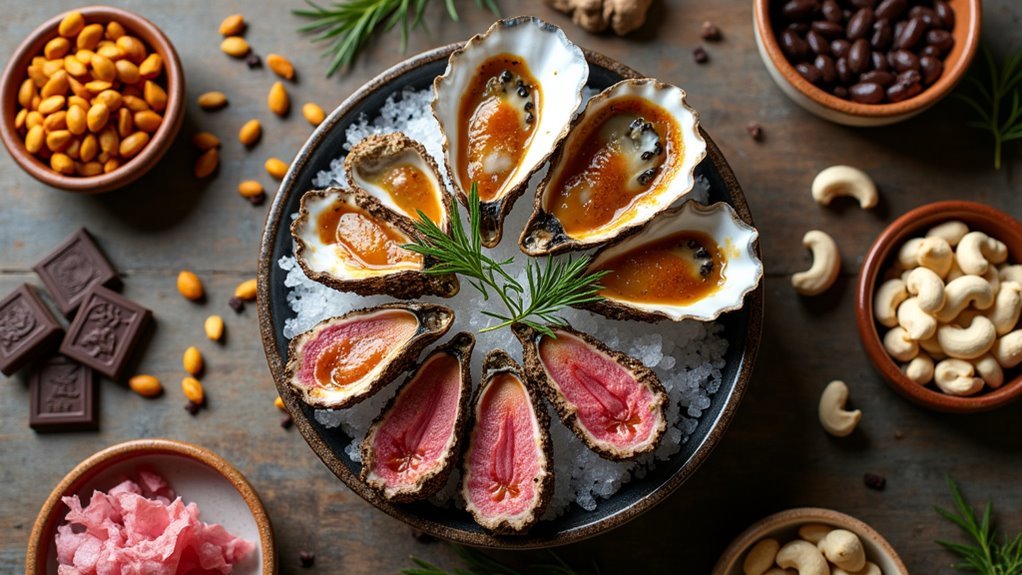
When your body faces an infection, zinc becomes one of your most critical allies in mounting an effective immune defense. This essential mineral activates and proliferates T cells, your immune system’s specialized warriors that target and eliminate threats.
Zinc powers over 300 enzymes responsible for digestion, metabolism, and immune health, making it indispensable for peak bodily function.
Your skin and mucosal membranes rely on zinc to maintain their protective barrier against pathogens. When you’re feeling under the weather, adequate zinc levels can actually reduce your cold symptoms’ duration and severity if taken promptly.
Men need 11 mg daily intake while women require 8 mg, with increased needs during pregnancy and breastfeeding to support both maternal and developing immune systems.
How Zinc Deficiency Weakens Your Body’s Defenses
When you’re zinc deficient, you’ll notice your body’s natural defenses breaking down in several telling ways.
You might experience frequent infections, slow-healing cuts, unusual hair loss, or changes in how food tastes – all clear signs your immune system isn’t operating at full strength.
Certain groups like pregnant women, vegetarians, and people with digestive issues face higher risks of developing these deficiency symptoms that compromise their body’s ability to fight off illness.
Zinc Deficiency Symptoms
How does your body signal when it’s not getting enough zinc? Zinc deficiency creates several warning signs you shouldn’t ignore.
You’ll experience appetite loss, making it harder to maintain proper nutrition. Your immune function suffers dramatically, leaving you vulnerable to frequent infections and illnesses. Poor immune response becomes evident through delayed wound healing and persistent colds.
Hair loss often occurs alongside taste and smell problems, affecting your quality of life. The deficiency impairs T cell activation, which is essential for fighting off pathogens effectively.
This leads to chronic inflammation as your body struggles to respond appropriately to threats. Without adequate zinc, you can’t achieve peak immune health.
These symptoms compound over time, creating a cycle where your weakened defenses make recovery increasingly difficult.
High-Risk Groups Identified
Certain populations face dramatically higher risks of zinc deficiency, making them more vulnerable to compromised immune function. If you’re in one of these high-risk groups, you’ll need extra attention to maintain your immune health and overall health.
| High-Risk Group | Zinc Needs |
|---|---|
| Pregnant/Breastfeeding Women | Increased requirements above RDA |
| Vegetarians/Vegans | Limited bioavailable sources |
| Digestive Disorder Patients | Impaired absorption rates |
The Recommended Dietary Allowance serves as your baseline, but these groups often require more. You’re particularly susceptible if you have alcohol use disorder, sickle cell disease, or digestive conditions like Crohn’s disease. Poor immune function becomes a serious concern when your body can’t absorb or obtain adequate zinc. Monitor your intake carefully if you fall into these categories.
Seafood Powerhouses: Oysters and Crab for Maximum Zinc
When you’re seeking the most potent zinc sources to fortify your immune system, seafood stands as your most powerful ally.
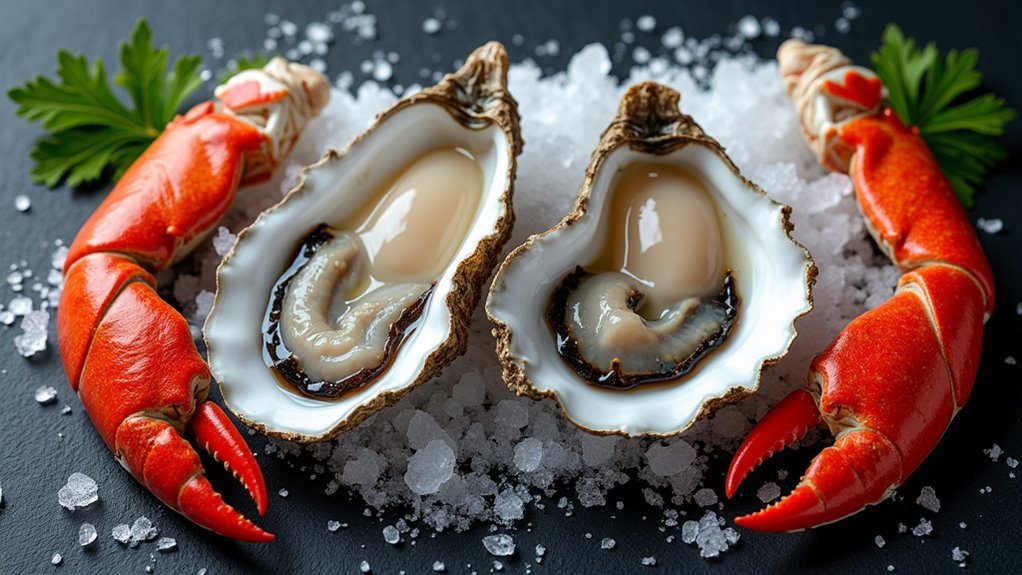
Oysters reign supreme as the ultimate zinc champions, delivering an astounding 74.1 mg per 3-ounce serving that’ll supercharge your T-cell function and infection-fighting capabilities.
Crab also earns its place among immune-boosting powerhouses, providing substantial zinc content alongside omega-3 fatty acids that work together to strengthen your body’s natural defenses.
Oysters: Ultimate Zinc Champion
Although many foods contain zinc, oysters stand as the undisputed heavyweight champion of zinc-rich nutrition, delivering an extraordinary 74.1 mg of zinc per 3-ounce serving—nearly seven times the daily recommended intake for adults.
This remarkable zinc content makes oysters incredibly powerful for immune function. When you eat oysters regularly, you’re activating T cells that serve as your body’s frontline defenders against infections. This enhanced immune response can actually help shorten the duration of colds.
Beyond zinc, oysters pack additional immune-boosting nutrients including omega-3 fatty acids and vitamin B12, creating a thorough nutritional powerhouse.
If you’re looking to maximize your zinc intake deliciously, incorporating oysters into your meals provides an unmatched strategy for supporting your immune system’s peak performance.
Crab’s Immune-Boosting Benefits
While oysters claim the zinc crown, crab emerges as another seafood powerhouse that’ll greatly boost your immune system with its impressive 6.48 mg of zinc per 3-ounce serving of Alaskan king crab.
This zinc content activates your T cells, enhancing your body’s ability to fight infections. Beyond zinc, crab delivers protein and omega-3 fatty acids that support overall health and immune regulation.
| Benefit | Impact |
|---|---|
| Zinc Content | 6.48 mg per 3 oz serving |
| T Cell Activation | Enhanced infection fighting |
| Protein Support | Immune system building |
| Omega-3s | Immune regulation |
Regular crab consumption prevents zinc deficiency, which weakens immune function and increases infection susceptibility. You’ll especially benefit if you’re vegetarian, pregnant, or have certain health conditions that put you at risk for zinc deficiency.
Meat Sources That Deliver Essential Zinc for Immunity
Several animal proteins stand out as powerhouse sources of zinc that’ll markedly boost your immune system’s defenses.
When you’re looking to fortify your body’s natural protection, these meat options deliver exceptional immune support.
Consider these zinc-rich choices that’ll transform your immunity:
- Beef chuck roast – With 8.44 mg per serving, you’re getting substantial zinc to fuel your immune system’s battle-ready response.
- Oysters – At an incredible 74.1 mg per serving, they’re unmatched zinc powerhouses that’ll supercharge your defenses.
- Pork loin cuts – Providing 2 mg per serving, they’re accessible options for consistent immune support.
Don’t overlook shellfish like crab, which offers 6.48 mg per serving.
These protein sources guarantee you’re getting adequate zinc to maintain robust immune function year-round.
Plant-Based Zinc Options: Legumes and Seeds
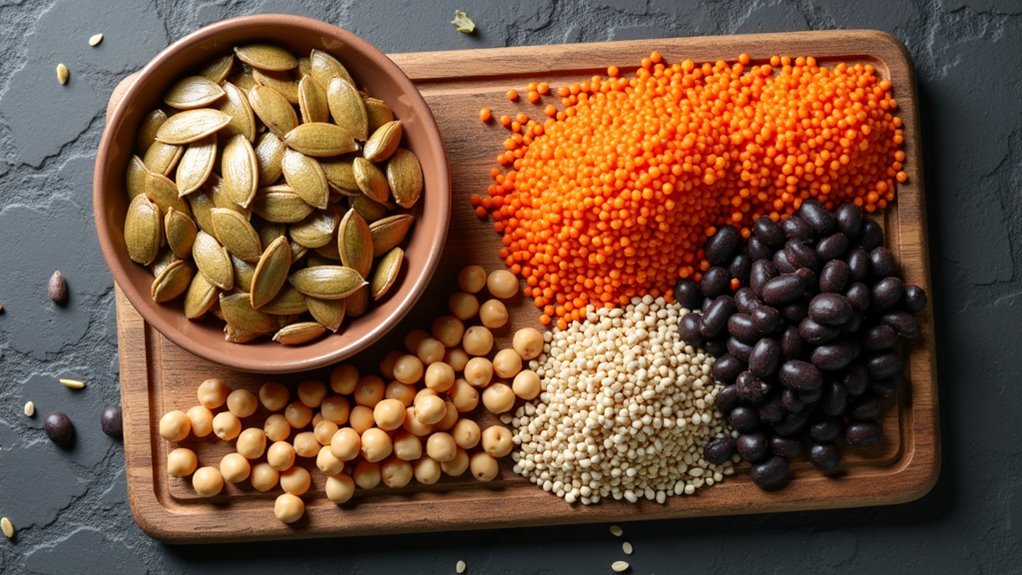
Plant-based eaters can absolutely meet their zinc needs through strategic food choices that pack serious immune-boosting power. Legumes and seeds stand out as exceptional zinc-rich foods that’ll strengthen your immune system’s defense against infections.
| Food | Serving Size | Zinc Content |
|---|---|---|
| Pumpkin seeds | 1 ounce | 2.2 mg |
| Chickpeas | 100 grams | 1.5 mg |
| Sesame seeds | 1 tablespoon | 1.1 mg |
| Kidney beans | ½ cup (canned) | 0.9 mg |
You’ll want to combine various legumes and seeds throughout your meals to reach the recommended daily intake of 8-11 mg. These plant-based options don’t just deliver zinc—they’re packed with protein, fiber, and healthy fats that further support immune function, making them smart additions to any immunity-focused diet.
Nuts That Pack an Immune-Boosting Zinc Punch
Six nutrition powerhouses in the nut family deliver impressive zinc levels that’ll fortify your immune defenses naturally. Almonds provide around 1 mg of zinc per ounce, while cashews offer an impressive 1.6 mg per serving.
These nuts don’t just supply zinc—they’re packed with healthy fats, vitamin E, and essential nutrients that work together to strengthen your immune system.
Zinc’s critical role involves activating T cells, your body’s infection-fighting warriors.
When you regularly consume nuts, you’ll experience:
- Reduced inflammation that weakens your natural defenses
- Enhanced nutrient absorption for peak immune support
- Sustained energy from healthy fats that fuel cellular repair
Incorporating various nuts into your daily routine guarantees balanced nutrient intake while maintaining ideal immune function through consistent zinc delivery.
Whole Grains and Dairy Products Rich in Zinc
You’ll find excellent zinc sources in everyday whole grains like oats, quinoa, and brown rice that you probably already have in your pantry.
Dairy products such as cheese and yogurt pack impressive zinc amounts too, with just one ounce of cheddar cheese delivering about 1.2 mg of this immune-supporting mineral.
These accessible food groups make it easy to boost your zinc intake while enjoying familiar, versatile ingredients in your daily meals.
Zinc-Rich Whole Grains
Convenience meets nutrition when you incorporate zinc-rich whole grains and dairy products into your daily meals.
These accessible foods naturally support your immune system while delivering essential nutrients your body craves. Whole grains like oats pack approximately 1.2 mg of zinc per 100 grams, while fortified cereals can provide 25% of your daily zinc needs in one serving.
Transform your health with these powerhouse options:
- Whole wheat bread slices – Each slice delivers 0.7 mg of zinc to strengthen your defenses
- Quinoa and brown rice – Versatile grains that boost immunity while satisfying hunger
- Cheddar cheese – One ounce provides 1 mg of zinc plus gut-supporting probiotics
You’ll discover that combining various whole grains creates a nutritional foundation that goes beyond zinc, supporting overall immune function.
Dairy Zinc Sources
Dairy products deliver exceptional zinc absorption rates that surpass plant-based sources, making them powerful allies in your immune-boosting arsenal.
You’ll find that yogurt provides approximately 1.0 mg of zinc per cup, while a single cheese slice contains about 0.9 mg. This bioavailable zinc from dairy products gets absorbed more efficiently than plant sources, helping your body utilize this essential mineral effectively.
You can strategically incorporate these dairy products into your meals to reach the Recommended Dietary Allowance of 8 mg for women and 11 mg for men.
When you maintain a balanced diet including dairy alongside other zinc sources, you’re supporting your immune system with multiple nutrients. These products don’t just deliver zinc—they provide protein, calcium, and other vitamins that enhance overall immune function.
Daily Zinc Requirements for Optimal Immune Health
Meeting your daily zinc requirements doesn’t require guesswork when you understand the specific amounts your body needs for peak immune function.
Your immune system relies on zinc to activate T cells and produce white blood cells that fight infections effectively.
Zinc powers your immune system by activating T cells and boosting white blood cell production to combat infections.
Here’s what deficiency in zinc can cost you:
- Compromised immune response – leaving you vulnerable to frequent illnesses
- Slow wound healing – extending recovery time from injuries
- Increased infection risk – making simple cuts potentially problematic
You’ll need 8-11 mg daily, depending on your gender and life stage.
Pregnant women require 11 mg, while breastfeeding mothers need 12 mg.
Foods rich in zinc like oysters, beef, and chickpeas help you reach prime immune health.
Don’t exceed 40 mg daily to avoid toxicity.
Meal Planning Strategies to Include Zinc-Rich Foods
Strategic meal planning transforms zinc intake from a daily challenge into an effortless routine that strengthens your immune defenses.
Start by incorporating oysters into weekly meal plans—they’re unmatched zinc powerhouses delivering 74.1 mg per serving. Balance your protein sources with meats like beef, which provides 8.44 mg per 3-ounce portion.
For variety, add legumes such as chickpeas to salads and soups. They’re an excellent plant-based source offering 1.5 mg per 100 grams.
Snack strategically on pumpkin seeds and cashews between meals for convenient zinc boosts.
Build your meal foundation with whole grains like oats, which complement other zinc-rich foods while providing sustained energy.
This systematic approach guarantees your immune system receives consistent zinc support throughout each day.
Combining Zinc Foods With Other Immune-Supporting Nutrients
Maximizing zinc’s immune benefits requires pairing these foods with complementary nutrients that work together to strengthen your body’s defenses.
Strategic nutrient pairing amplifies zinc’s immune-boosting power, creating synergistic effects that fortify your body’s natural defense mechanisms.
You’ll amplify immune function by combining zinc-rich foods with strategic nutrient partners that create powerful synergistic effects.
Here are three powerhouse combinations that’ll transform your immune health:
- Oysters + citrus fruits – Vitamin C supercharges white blood cell production while zinc provides essential mineral support.
- Nuts with yogurt – Probiotics enhance gut immunity while zinc strengthens your overall defense system.
- Beef + leafy greens – Antioxidants and vitamin A work alongside zinc to reduce inflammation throughout your body.
Adding garlic and turmeric to zinc-containing meals enhances mineral absorption while delivering their own immune-boosting properties.
Pairing poultry’s vitamin B6 with zinc creates an anti-inflammatory powerhouse that supports healthy blood cell formation.
Signs You’re Getting Enough Zinc Through Your Diet
When your body receives adequate zinc from food sources, you’ll notice subtle but significant improvements in how you feel and function daily. Your immune system operates more efficiently, helping you fight off infections faster. Healthy zinc levels from foods like oysters and beef boost your body’s natural defenses.
| Signs of Adequate Zinc | What You’ll Notice | Health Impact |
|---|---|---|
| Wound Healing | Cuts heal quickly | Faster recovery |
| Taste & Smell | Enhanced perception | Better enjoyment |
| Hair Health | Strong, thick hair | Confident appearance |
| Immune Response | Fewer sick days | Active lifestyle |
| Energy Levels | Sustained vitality | Daily productivity |
These signs indicate you’re avoiding zinc deficiency while supporting ideal immune function through proper nutrition.
Frequently Asked Questions
What Food Is Highest in Zinc?
Oysters are your best bet for zinc content, delivering 74.1 mg per 3-ounce serving. You’ll get considerably more zinc from oysters than any other food source available.
What Zinc Is Best for Immune System?
You’ll benefit most from zinc picolinate or zinc gluconate supplements, as they’re easily absorbed. However, you’ll get better results from food sources like oysters, beef, and crab since they provide natural zinc your body recognizes.
Which Foods Boost Immunity Faster?
You’ll boost immunity faster with oysters containing 74.1mg zinc per serving, followed by beef with 8.44mg. Shellfish like crab provide 6.48mg, while you can add pumpkin seeds and chickpeas for sustained immune support.
Which Fruit Is Highest in Zinc?
Avocado’s your best bet for zinc among fruits, containing about 0.6 mg per 100 grams. While blackberries and raspberries offer smaller amounts, you shouldn’t rely on fruits alone for zinc intake.


Leave a Reply