

You can supercharge your brain function by eating magnesium-rich seeds like pumpkin seeds, which provide 168 mg of magnesium per ounce and support nerve transmission while reducing oxidative stress. Sunflower seeds enhance memory formation with 325 mg per 100 grams, while chia seeds deliver 95 mg per ounce to boost neurotransmitter synthesis. Flaxseeds combine magnesium with omega-3 fatty acids for mental clarity, and hemp seeds offer 210 mg per 100 grams for extensive neuroprotection. Discover how these nutritional powerhouses can transform your cognitive health.
The Science Behind Magnesium and Cognitive Performance
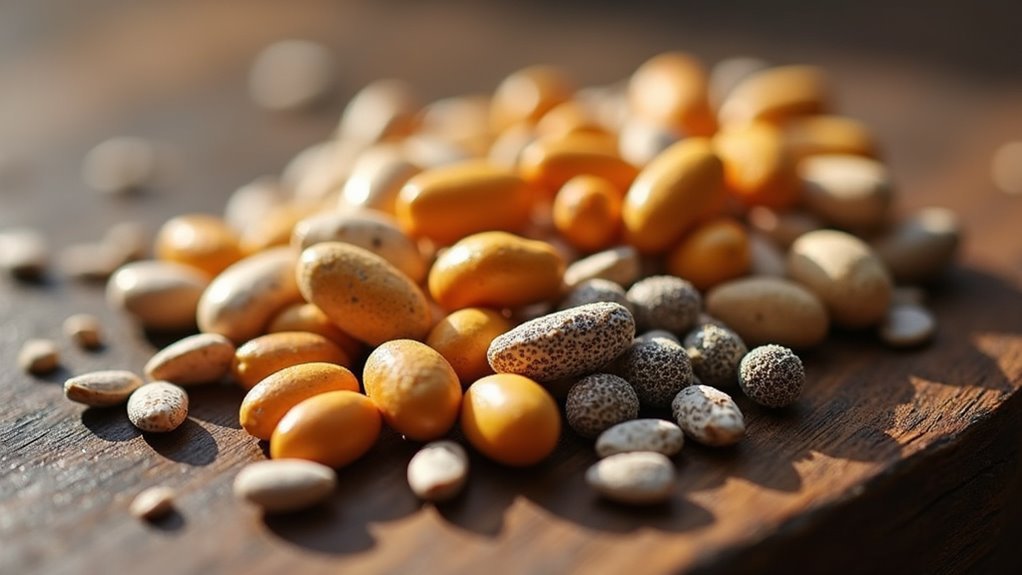
While you might think of magnesium primarily as a supplement for muscle cramps, this essential mineral actually serves as a powerhouse for your brain’s daily operations. Your nerve transmission and muscle contraction processes depend heavily on adequate magnesium levels, directly impacting your cognitive function and overall brain health.
Research reveals compelling evidence that higher magnesium intake correlates with larger brain volumes, which greatly reduces your risk of developing Alzheimer’s disease and dementia. When you consume over 550 mg of magnesium daily, your brain can maintain volumes approximately one year younger by age 55.
Additionally, magnesium deficiency appears frequently in Alzheimer’s patients, emphasizing this mineral’s critical role in preserving memory and preventing cognitive decline throughout your lifetime.
Pumpkin Seeds: Powerhouse of Brain-Boosting Minerals
You’ll find pumpkin seeds pack an impressive 168 mg of magnesium per ounce, delivering 40% of your daily needs while supporting vital brain functions.
This exceptional mineral content helps protect your brain volume and enhances cognitive performance through improved nerve function and reduced oxidative stress.
When you consume just one ounce daily, you’re providing your brain with the magnesium foundation it needs for ideal memory retention and long-term neurological health.
Exceptional Magnesium Content Benefits
When you’re seeking a natural way to boost your brain power, pumpkin seeds stand out as an exceptional source of magnesium that delivers remarkable cognitive benefits. With 168 mg of magnesium per ounce, you’ll get approximately 40% of your daily recommended value from this nutrient-dense snack.
| Magnesium Benefit | Brain Function Impact | Daily Value |
|---|---|---|
| Nerve Transmission | Enhanced cognitive processing | 40% per ounce |
| Muscle Contraction | Improved brain blood flow | Supports peak function |
| Synaptic Plasticity | Better long-term memory | Reduces cognitive decline |
These impressive magnesium levels directly support your brain health by enhancing nerve transmission and muscle contraction. You’ll experience a lower risk of cognitive decline while supporting healthy brain aging through reduced inflammation and improved blood circulation.
Brain Volume Protection
Beyond supporting cognitive processing, magnesium from pumpkin seeds plays a protective role in maintaining your brain’s physical structure.
Research shows that higher magnesium intake directly correlates with increased brain volume, creating a powerful defense against age-related shrinkage. When you consume pumpkin seeds regularly, you’re delivering approximately 168 mg of magnesium per ounce to your system, which helps preserve your brain’s mass over time.
This mineral works at the cellular level to protect the brain from deterioration that naturally occurs with aging. The magnesium in pumpkin seeds supports structural integrity by reducing inflammation and promoting healthy nerve transmission.
Daily Consumption Guidelines
Maximizing brain health benefits requires understanding how much pumpkin seed consumption delivers ideal results. Following proper daily consumption guidelines, you’ll need just one ounce of pumpkin seeds to obtain 168 mg of magnesium each day, covering 40% of your recommended intake.
This amount fits perfectly into your daily routine without overwhelming your diet. You can easily incorporate pumpkin seeds into various meals and snacks throughout the day. Sprinkle them on salads, blend into smoothies, or eat them as standalone snacks.
Since adults need 310-420 mg of magnesium daily depending on age and sex, combining pumpkin seeds with other foods rich in this mineral guarantees you’ll meet your complete requirements while supporting peak brain function and cognitive health.
Sunflower Seeds and Their Impact on Memory Formation
You’ll find that sunflower seeds pack an impressive 325 mg of magnesium per 100 grams, making them one of nature’s most potent brain-boosting snacks.
This magnesium directly enhances neural connectivity in your brain, creating stronger pathways for memory formation and improved cognitive performance.
Understanding how much you should consume daily will help you maximize these memory-enhancing benefits without overdoing your intake.
Sunflower Seed Magnesium Content
Sunflower seeds pack an impressive 325 mg of magnesium per 100 grams, establishing them as one of nature’s most concentrated sources of this brain-essential mineral.
This substantial magnesium content directly supports your cognitive health by enhancing synaptic plasticity and memory formation processes.
When you consume sunflower seeds regularly, you’re providing your brain with essential nutrients that enhance neural function.
The magnesium works alongside vitamin E, which acts as a protective antioxidant against oxidative stress in brain cells.
Here’s how sunflower seed magnesium benefits your cognitive performance:
- Enhances synaptic plasticity – improving communication between neurons
- Supports memory formation – strengthening your ability to retain information
- Meets daily requirements – contributing considerably to recommended magnesium intake
You’ll find sunflower seeds offer a convenient, nutritious way to maintain ideal brain function.
Memory Enhancement Mechanisms
When you consume sunflower seeds, their 91 mg of magnesium per ounce triggers specific neurobiological pathways that directly enhance your memory formation capabilities. This essential mineral regulates neurotransmitter release, ensuring efficient communication between brain cells responsible for encoding and retrieving memories.
Your cognitive function improves as magnesium facilitates synaptic plasticity, the brain’s ability to strengthen neural connections during learning.
The vitamin E in sunflower seeds works alongside magnesium to protect your brain from oxidative damage that impairs memory processing.
You’ll experience sustained cognitive performance through the healthy fats that provide steady energy to memory centers. Regular consumption reduces inflammation and oxidative stress, two primary factors that accelerate cognitive decline.
This dual protection mechanism helps preserve your memory abilities while actively enhancing formation of new memories.
Optimal Daily Consumption
Although individual magnesium needs vary based on age, gender, and health status, consuming one ounce of sunflower seeds daily provides approximately 76 mg of magnesium—roughly 20% of your recommended daily intake. This ideal daily consumption supports brain health by enhancing neurotransmitter regulation and synaptic plasticity.
To maximize memory benefits, consider these consumption strategies:
- Morning intake – Add sunflower seeds to breakfast cereals or yogurt for sustained cognitive support throughout the day.
- Snack portions – Divide your daily ounce into smaller servings to maintain steady magnesium levels.
- Recipe integration – Incorporate seeds into salads, smoothies, or homemade trail mixes for convenient consumption.
Beyond magnesium, you’ll also receive vitamin E and antioxidants that further protect neural pathways and support long-term cognitive function.
Flaxseeds: Omega-3 Fatty Acids Meet Magnesium for Mental Clarity
How can one tiny seed pack such a powerful punch for your brain? Flaxseeds deliver an impressive dual nutritional boost that directly targets brain health through their unique combination of magnesium and omega-3 fatty acids.
Each tablespoon provides about 40 mg of magnesium alongside alpha-linolenic acid (ALA), creating a synergistic effect that enhances mental clarity and cognitive performance.
The magnesium and ALA in just one tablespoon of flaxseeds work together to sharpen your mind and boost cognitive function.
You’ll benefit from reduced brain inflammation while protecting your neurons from oxidative stress through flaxseeds’ antioxidant properties. This powerful combination supports memory function and may help reduce neurodegenerative disease risk.
Adding flaxseeds to your daily routine couldn’t be easier—simply sprinkle them into smoothies, stir into oatmeal, or incorporate into baked goods for an effortless brain-boosting upgrade.
Chia Seeds and Their Role in Neurotransmitter Function

Your brain’s chemical messengers depend on magnesium to function properly, and chia seeds deliver an impressive 95 mg per ounce to support this essential process.
When you consume chia seeds regularly, you’re providing your nervous system with the magnesium it needs to facilitate nerve transmission and guarantee smooth communication between brain cells.
This magnesium content works alongside chia’s omega-3 fatty acids to maintain ideal brain chemical balance and enhance your cognitive performance.
Chia’s Neurotransmitter Support
When you consume chia seeds regularly, you’re providing your brain with essential omega-3 fatty acids that directly support neurotransmitter function and enhance communication between brain cells.
These tiny powerhouses deliver magnesium, a vital mineral for synthesizing key neurotransmitters like serotonin and dopamine that regulate your mood and cognitive performance.
Chia seeds offer multiple pathways to enhance your brain’s chemical messaging system:
- Fiber content promotes gut health – Supporting beneficial bacteria that produce neurotransmitters
- Antioxidants protect neural pathways – Reducing oxidative stress that can disrupt neurotransmitter stability
- Magnesium enables neurotransmitter synthesis – Providing the building blocks your brain needs for peak function
Brain Chemical Balance
Since proper brain chemical balance depends on your body’s ability to regulate neurotransmitter production and activity, chia seeds serve as natural allies in this complex process. The 95 mg of magnesium per ounce in chia seeds directly supports neurotransmitter function while regulating calcium levels to prevent nerve damage.
| Without Chia Seeds | With Regular Chia Consumption |
|---|---|
| Irregular brain chemistry | Balanced neurotransmitter activity |
| Cognitive fog and fatigue | Enhanced mental clarity |
| Mood instability | Improved emotional regulation |
Your brain’s omega-3 fatty acids from chia seeds enhance neurotransmitter production, while their fiber content stabilizes blood sugar levels. This dual action guarantees consistent energy delivery to your brain, reducing inflammation that disrupts chemical balance and supporting peak cognitive performance throughout your day.
Sesame Seeds: Ancient Brain Food for Modern Cognitive Health
Although sesame seeds measure barely larger than a grain of rice, these nutritional powerhouses pack an impressive 101 mg of magnesium per ounce—roughly 25% of your daily requirement.
You’ll benefit from their unique compounds sesamin and sesamolin, which protect your brain cells from oxidative damage while enhancing cognitive function.
These magnesium-rich foods support your brain health through multiple pathways:
- Healthy fats maintain brain cell structure and optimize neural communication
- High fiber content promotes gut health, strengthening the gut-brain connection
- Antioxidant compounds shield neurons from age-related cognitive decline
When you incorporate sesame seeds into your daily diet, you’re adding nutrient diversity that supports long-term cognitive wellness.
Their ancient reputation as brain food continues proving relevant for modern neurological health needs.
Hemp Seeds and Their Unique Nutritional Profile for Mental Performance
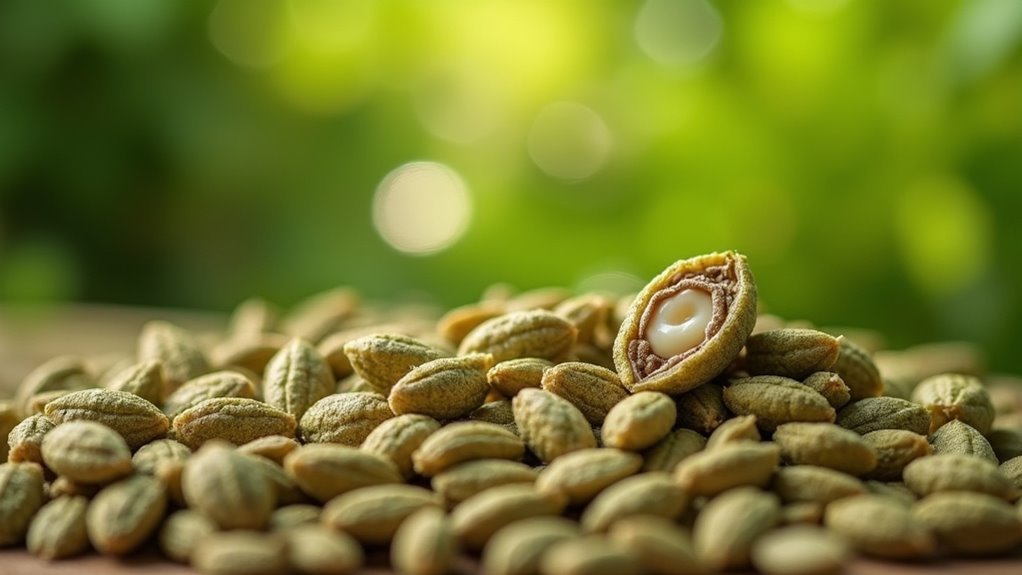
While hemp seeds might spark curiosity due to their botanical origins, these nutritional gems deliver an extraordinary 210 mg of magnesium per 100 grams—that’s over half your daily requirement in a single serving.
Hemp seeds pack an impressive 210 mg of magnesium per 100 grams—delivering over half your daily needs in one powerhouse serving.
You’ll find that hemp seeds offer a complete protein profile containing all nine essential amino acids, directly supporting neurotransmitter production for peak brain health.
Their rich omega-3 and omega-6 fatty acids maintain brain structure while protecting against cognitive decline. The high fiber content regulates blood sugar, ensuring your brain receives steady energy throughout the day.
Additionally, you’ll benefit from powerful antioxidants that shield brain cells from oxidative damage, potentially reducing neurodegenerative disease risk while enhancing mental performance.
How Magnesium Deficiency Affects Brain Function and Mood
When your body lacks sufficient magnesium, your brain pays the price through a cascade of neurological disruptions that directly compromise cognitive performance and emotional stability.
Magnesium deficiency creates a domino effect that impairs nerve transmission and disrupts the delicate biochemical processes your brain relies on for peak function.
Research reveals that inadequate magnesium levels correlate with memory problems, increased dementia risk, and accelerated cognitive decline.
Your mood suffers equally, as deficiency triggers:
- Persistent fatigue that clouds mental clarity
- Heightened anxiety affecting decision-making abilities
- Depression symptoms reducing motivation and focus
Studies consistently show lower magnesium concentrations in Alzheimer’s patients, suggesting this mineral plays a protective role against neurodegenerative conditions.
Without adequate magnesium, your brain function deteriorates while mood instability becomes increasingly problematic.
Optimal Daily Intake of Magnesium-Rich Seeds for Cognitive Benefits
Since your brain demands consistent magnesium levels to maintain ideal cognitive function, strategically incorporating magnesium-rich seeds into your daily routine provides a targeted approach to meeting this essential mineral’s requirements.
Strategic daily incorporation of magnesium-rich seeds ensures your brain receives consistent mineral support for optimal cognitive performance and enhanced mental clarity.
You’ll want to aim for 310-420 mg of magnesium daily, depending on your age and sex. One ounce of pumpkin seeds delivers 168 mg, covering 40% of your daily value.
Adding a tablespoon of flaxseeds contributes 40 mg, while an ounce of chia seeds provides 95 mg, representing 24% of your requirement.
Combining these seeds throughout your day helps optimize brain function while delivering cognitive benefits. This strategic approach guarantees you’re consistently fueling your brain with adequate magnesium for enhanced mental performance.
Creative Ways to Incorporate Brain-Boosting Seeds Into Your Diet
Because traditional approaches to consuming seeds can become monotonous, you’ll discover that creative incorporation methods transform these brain-boosting powerhouses into exciting culinary experiences.
Transform your meals with these innovative techniques:
- Blend pumpkin seeds into smoothie bowls for 168 mg of magnesium per ounce while creating creamy textures.
- Create homemade energy bars combining chia seeds (111 mg magnesium per ounce) with flaxseeds for sustained brain function.
- Make seed-crusted proteins using crushed sunflower seeds mixed with sesame seeds for cognitive-enhancing main dishes.
You’ll enhance brain function by incorporating these magnesium-rich foods through unexpected methods.
Try adding ground flaxseeds to pancake batter, sprinkling toasted sesame seeds on soups, or creating chia pudding parfaits. These approaches guarantee you’re consistently consuming brain-boosting nutrients without dietary boredom.
The Synergy Between Magnesium and Other Nutrients in Seeds
While magnesium serves as the star nutrient in brain-boosting seeds, it doesn’t work alone—it partners with a powerful ensemble of complementary compounds that amplify cognitive benefits.
| Nutrient Partnership | Brain Health Benefits |
|---|---|
| Magnesium + Essential Fatty Acids | Enhanced neurotransmitter function and memory |
| Magnesium + Vitamin E | Reduced oxidative stress and neuroprotection |
| Magnesium + B Vitamins | Improved cognitive processing and focus |
| Magnesium + Antioxidants | Decreased brain inflammation |
| Magnesium + Fiber | Strengthened gut-brain axis connection |
You’ll find that magnesium enhances the absorption of these vital nutrients, creating a synergistic effect that’s more powerful than individual components. This collaboration regulates neurotransmitter release, protects against cognitive decline, and supports best brain communication through multiple pathways working in harmony.
Gender Differences in Magnesium Requirements for Brain Health
Although both men and women benefit from magnesium’s brain-boosting properties, emerging research reveals that gender plays a considerable role in determining ideal intake levels and cognitive outcomes.
Women appear to experience greater cognitive benefits from magnesium intake, particularly after menopause when hormonal changes affect brain health.
The key differences you should understand include:
- Daily requirements differ: Women need 320mg while men require 420mg of magnesium daily
- Cognitive benefits: Women show more pronounced improvements, with brain ages appearing one year younger by age 55
- Enhancement potential: Increasing magnesium intake by 41% greatly boosts women’s cognitive function
You’ll want to prioritize adequate magnesium consumption starting in your 40s, regardless of gender, as neuroprotective benefits begin during this decade for ideal brain health maintenance.
Long-Term Cognitive Protection Through Regular Seed Consumption
Understanding your magnesium needs sets the foundation, but consistency in consumption determines your brain’s long-term protection. Regular seed consumption creates a sustained magnesium supply that actively combats age-related brain shrinkage and reduces Alzheimer’s risk.
You’ll experience enhanced cognitive function when you maintain consistent intake, as the 168 mg of magnesium per ounce works continuously to support neural pathways.
Your brain health benefits compound over time through daily consumption. Anti-inflammatory properties in magnesium-rich seeds improve blood flow and oxygen delivery, creating ideal conditions for cognitive preservation.
Daily magnesium-rich seed consumption creates compounding brain health benefits through improved blood flow and enhanced cognitive preservation over time.
Just a quarter cup daily provides substantial magnesium while delivering healthy fats, antioxidants, and fiber that reinforce memory function. This consistent approach transforms temporary cognitive boosts into lasting neuroprotection, ensuring your mental sharpness remains intact as you age.
Frequently Asked Questions
Which Magnesium Is Best for Brain Function?
You’ll find magnesium glycinate or magnesium L-threonate work best for brain function since they’re highly bioavailable and cross the blood-brain barrier effectively, supporting neurotransmission and cognitive performance better than other forms.
Which Seed Can Improve Brain Work?
You’ll find pumpkin seeds work best for brain function since they’re packed with magnesium and nutrients that boost memory. They contain 168mg magnesium per ounce, supporting cognitive performance effectively.
Which Seed Has the Highest Magnesium?
You’ll find pumpkin seeds contain the highest magnesium content at 168 mg per ounce, delivering about 40% of your daily value. They’re considerably richer in magnesium than other seeds available.
How Can I Increase My Brain Magnesium?
You can’t directly increase brain magnesium, but you’ll support ideal brain function by consuming magnesium-rich foods daily, managing stress, getting quality sleep, and maintaining proper hydration to enhance magnesium absorption.


Leave a Reply