
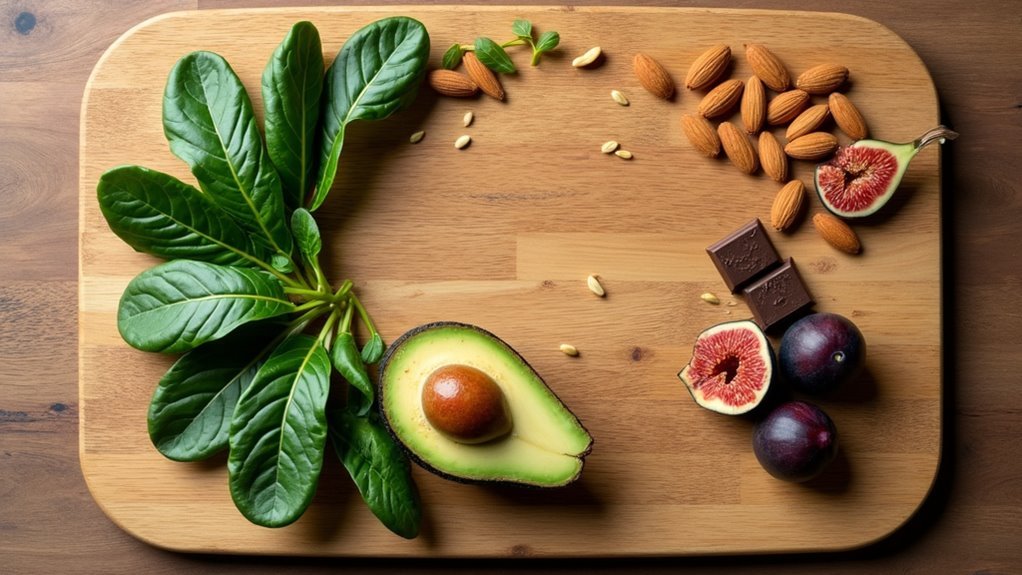
Choose magnesium-rich foods like dark leafy greens, nuts, seeds, and dark chocolate to enhance your sleep quality naturally. You’ll want to consume 310-430mg daily depending on your age and gender, focusing on evening meals 1-2 hours before bedtime. Almonds, quinoa, black beans, and 70% dark chocolate are excellent options that regulate GABA and melatonin production. Strategic timing of these foods helps calm your nervous system and promotes deeper rest, and there’s much more to discover about optimizing your magnesium intake.
Understanding Magnesium’s Role in Sleep Quality
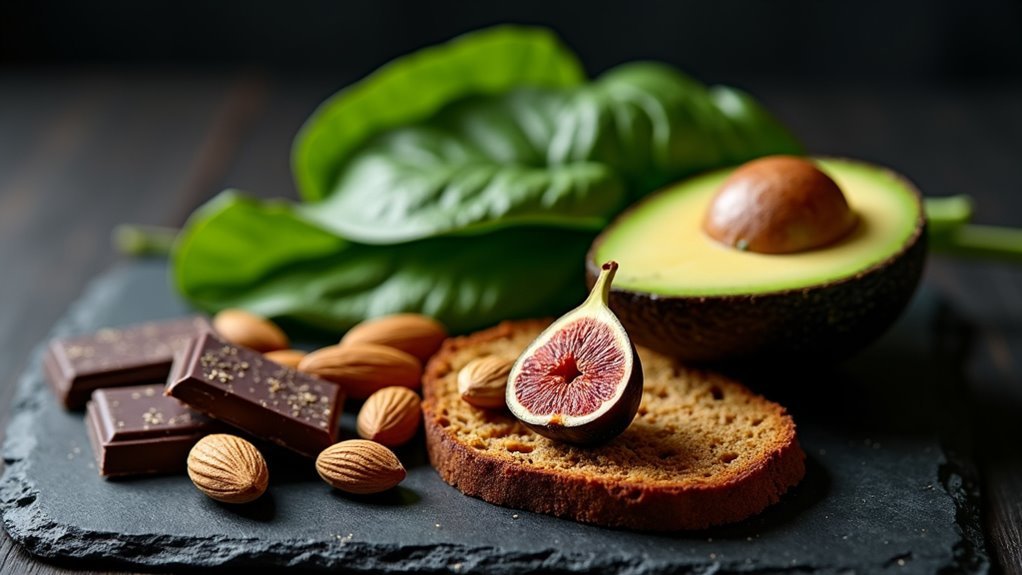
When you’re tossing and turning at night, your body might be signaling a magnesium deficiency that’s disrupting your natural sleep processes. This essential mineral acts as your sleep system’s conductor, orchestrating multiple mechanisms that promote restful nights.
Magnesium regulates GABA, a neurotransmitter that calms your nervous system and prepares you for deep sleep. It also supports melatonin production, maintaining your body’s natural sleep-wake rhythm.
Without adequate magnesium, your cortisol levels can spike, creating a cascade of stress that fuels insomnia. Research consistently shows that proper magnesium intake greatly improves sleep quality, especially in older adults struggling with sleep disturbances.
Whether you choose magnesium-rich foods or targeted supplements, addressing deficiency can transform your nights from restless to restorative, giving you the deep sleep your body craves.
Daily Magnesium Requirements for Optimal Sleep
Your magnesium needs aren’t one-size-fits-all—they change based on your age, sex, and life stage, with adult men requiring 400-430 mg daily while women need 310-320 mg.
You’ll need to account for magnesium’s low absorption rate of just 30-50%, meaning you must consume considerably more than your target amount to actually meet your body’s needs.
Certain groups face higher deficiency risks, making it essential to understand whether you’re getting enough of this sleep-supporting mineral from your current diet.
Age-Based Magnesium Targets
Since magnesium requirements vary greatly across different life stages, understanding these age-based magnesium targets becomes vital for enhancing your sleep quality through proper nutrition.
If you’re an adult man, you’ll need 400-430 mg daily, while women require 310-320 mg. Pregnant women should increase their magnesium intake to 350-400 mg to support both maternal and fetal health.
Children’s needs are considerably lower: 80 mg for ages 1-3 and 130 mg for ages 4-8.
Adolescents require more substantial amounts, ranging from 240 mg for younger teens to 410 mg for older boys.
Many older adults and those with health conditions struggle to meet these age-based magnesium targets through diet alone, making magnesium-rich foods essential for achieving ideal sleep.
Absorption Rate Factors
Understanding magnesium absorption becomes vital because your body only utilizes 30-50% of the magnesium you consume from food sources. Your absorption rate depends heavily on your gastrointestinal health, with conditions like irritable bowel disease markedly reducing uptake efficiency.
Your gut microbiome plays an essential role in maximizing dietary magnesium absorption. A healthy bacterial balance guarantees you’re getting the most from magnesium-rich foods like leafy greens, nuts, seeds, and whole grains.
These foods don’t just provide magnesium—they supply additional nutrients that enhance absorption and support your gut’s ecosystem.
To achieve ideal health and better sleep, you’ll need to consistently consume magnesium-rich foods rather than relying on sporadic intake.
Focus on maintaining gut health through balanced nutrition to maximize your body’s ability to absorb this essential sleep-supporting mineral.
Deficiency Risk Groups
Even with ideal absorption strategies, certain groups face heightened magnesium deficiency risks that can severely compromise sleep quality.
Older adults represent the highest-risk category due to decreased dietary intake and reduced absorption rates that naturally occur with aging.
If you’re managing gastrointestinal conditions like irritable bowel disease, your body’s ability to absorb magnesium becomes greatly impaired, creating a deficiency cycle that disrupts sleep patterns.
Those struggling with alcohol use disorders face dual challenges—alcohol interferes with both magnesium absorption and metabolism.
Consider that approximately 50% of Americans don’t meet recommended magnesium needs, making deficiency a widespread issue.
Understanding your risk category helps you prioritize magnesium-rich foods and potentially prevent sleep-disrupting deficiencies before they develop.
Signs You May Need More Magnesium in Your Diet
While many people attribute poor sleep to stress or caffeine, your body might actually be signaling a magnesium deficiency through subtle yet telling symptoms.
If you’re experiencing insomnia, fatigue, or muscle cramps, these could indicate your body needs more magnesium-rich nutrition. Frequent headaches and heightened anxiety often correlate with low magnesium levels, directly impacting your sleep health.
Gastrointestinal issues can worsen the problem by preventing proper nutrient absorption, creating a cycle that further disrupts healthy sleep patterns.
You’ll want to pay particular attention if you’re an older adult, as age-related changes in absorption efficiency increase your risk. Recognizing these signs early helps you identify when incorporating foods that contain magnesium becomes essential for restoring quality rest.
Leafy Greens That Support Nighttime Relaxation

You’ll find that certain leafy greens pack impressive amounts of magnesium to help your body wind down for sleep.
Spinach, Swiss chard, and kale top the list, with cooked spinach delivering about 157 mg of magnesium per cup.
How you prepare these greens can make a significant difference in both their magnesium content and your body’s ability to absorb this sleep-promoting mineral.
Top Magnesium-Rich Greens
Several powerhouse leafy greens can transform your evening routine into a natural pathway to better sleep. Spinach leads the pack among magnesium-rich options, delivering an impressive 157 mg per cooked cup. Swiss chard provides similar benefits, making both excellent choices for quality sleep support.
While kale offers approximately 31 mg per cooked cup, it’s still a valuable addition to your sleep-promoting arsenal.
These leafy greens rich in magnesium work double duty by supporting relaxation while providing essential vitamins and antioxidants. You’ll need 310-420 mg of magnesium daily as an adult, and incorporating various greens helps you reach this goal.
Try eating a dark leafy green salad an hour before bedtime to enhance relaxation and prepare your body for better sleep naturally.
Optimal Preparation Methods
How you prepare your magnesium-rich leafy greens can greatly impact their sleep-promoting benefits and your body’s ability to absorb this essential mineral.
Ideal preparation methods involve light cooking techniques like steaming or sautéing rather than boiling, which preserves nutrients while enhancing magnesium absorption. You’ll maximize bioavailability by pairing leafy greens with healthy fats such as olive oil or avocado, helping your body utilize both magnesium and fat-soluble vitamins more effectively.
Consider blending greens into smoothies with sleep-promoting ingredients like bananas or nut butter for a calming bedtime drink. Adding them to warm soups or stews creates comforting meals that promote relaxation.
Diversifying your choices with Swiss chard, spinach, kale, and collard greens ensures varied magnesium sources for ideal health and nighttime rest.
Nuts and Seeds for Evening Snacking
Nature’s sleep aids come conveniently packaged in small, portable forms that make perfect evening snacks. Nuts and seeds deliver impressive magnesium doses that support better sleep quality through natural relaxation pathways.
You’ll get 80 mg of magnesium from one ounce of almonds, while pumpkin seeds pack an impressive 156 mg per ounce. Chia seeds offer 111 mg, making them excellent for evening snacking routines.
Choose unsalted varieties to avoid sodium that disrupts sleep patterns and hydration. A handful consumed in the evening helps promote relaxation by boosting your magnesium levels effectively.
Opt for unsalted nuts and seeds in the evening to maximize magnesium absorption without sleep-disrupting sodium interference.
You can enhance these snacks’ calming effects by pairing them with yogurt or bananas, creating combinations that support deeper, more restorative sleep throughout the night.
Whole Grains That Enhance Sleep Duration
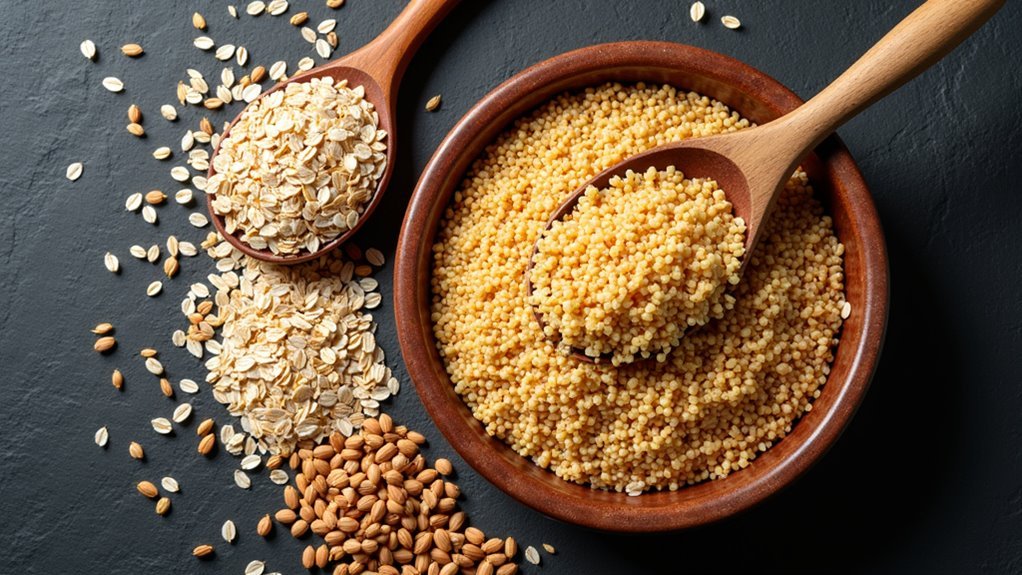
While most people focus on avoiding carbs at night, complex whole grains actually enhance sleep duration through their impressive magnesium content and blood sugar stabilizing effects.
You’ll find quinoa leads the pack with 118 mg of magnesium per cup, making it an excellent dinner choice for better sleep quality. Brown rice delivers 84 mg per cup while supporting digestive health, and oats provide 61 mg, perfect for evening snacks or breakfast.
These whole grains work by regulating blood sugar levels, preventing those disruptive nighttime awakenings that fragment your sleep cycles.
When you incorporate magnesium-rich grains into your meals, you’re supporting natural relaxation processes that help you fall asleep faster and stay asleep longer for truly restorative rest.
Legumes and Beans for Sustained Sleep Benefits
Beyond grains, legumes and beans offer some of the most concentrated magnesium sources you’ll find in any food category, delivering sustained sleep benefits that work throughout the night.
Black beans pack approximately 60 mg of magnesium per half-cup serving, supporting GABA neurotransmitter function that promotes deeper rest. You’ll experience sleep improvement through legumes’ dual action: magnesium regulates your sleep cycle while fiber stabilizes blood sugar levels, preventing disruptive nighttime awakenings.
Black beans deliver 60mg of magnesium per half-cup, supporting GABA function while fiber prevents disruptive nighttime blood sugar spikes.
Incorporate magnesium-rich options like lentils and chickpeas into salads, soups, or main dishes to boost your daily intake.
These protein powerhouses don’t just fill you up—they actively combat insomnia symptoms and extend sleep duration. Regular consumption of these nutrient-dense legumes creates a foundation for consistently better rest.
Dark Chocolate as a Bedtime Sleep Aid
Dark chocolate emerges as an unexpected yet powerful ally in your quest for better sleep, delivering approximately 50 mg of magnesium per ounce when you choose varieties with at least 70% cocoa content.
This delicious treat doesn’t just satisfy your sweet tooth—it actively supports your sleep goals through multiple mechanisms that promote relaxation.
- Magnesium content helps calm your nervous system and prepares your body for rest.
- Flavonoids enhance blood flow to your brain, supporting mental relaxation before sleep.
- Serotonin and tryptophan naturally regulate your sleep patterns and improve mood.
- High-quality options minimize added sugars that could disrupt your nighttime routine.
Choose premium dark chocolate as your bedtime snack to maximize these sleep-promoting benefits while maintaining a balanced approach to nutrition.
Fish and Seafood Rich in Sleep-Promoting Magnesium
Ocean treasures deliver exceptional magnesium content alongside premium protein, making fish and seafood your strategic allies for achieving restorative sleep.
Harness the power of ocean treasures to unlock premium magnesium and protein for deeply restorative, rejuvenating sleep tonight.
You’ll find that salmon provides 26 mg of this essential mineral per 3-ounce serving, while tuna offers slightly more at 30 mg. Shellfish deliver even better results—oysters contain an impressive 53 mg of magnesium, and shrimp contributes 24 mg per serving.
When you incorporate fish and seafood into your evening meals, magnesium helps relax your muscles and calm your nervous system.
These ocean-based proteins offer good amounts of magnesium while supplying omega-3 fatty acids that support heart health. Regular consumption of these magnesium-rich options can promote better sleep patterns while maintaining a balanced, nutritious diet.
Timing Your Magnesium-Rich Meals for Better Sleep
You’ll maximize magnesium’s sleep benefits by strategically timing when you consume these foods throughout your evening.
Your dinner should include magnesium-rich options like salmon or quinoa about 1-2 hours before bed to allow proper digestion while supporting relaxation.
Consider adding a light pre-bedtime snack with magnesium sources like almonds or yogurt to further enhance your body’s natural sleep preparation.
Evening Meal Timing
When you consume magnesium-rich foods plays an essential role in how effectively they’ll support your sleep quality.
Strategic evening meal timing maximizes magnesium’s calming effects on your nervous system, helping you achieve a deep sleep experience.
Here’s how to optimize your magnesium intake timing:
- Evening meals: Eat balanced dinners with leafy greens or nuts 1-2 hours before bedtime to support melatonin production and reduce cortisol levels.
- Light snacks: Choose magnesium-rich options like banana with almond butter or yogurt with chia seeds 30-60 minutes before bed to prevent nighttime leg cramps.
- Avoid heavy meals: Skip large portions close to bedtime, as they interfere with digestion and sleep quality.
- Heart rate benefits: Strategic timing helps lower your heart rate, promoting deeper relaxation for better sleep quality.
Pre-Bedtime Snack Strategy
How can you transform your pre-bedtime routine into a powerful sleep-enhancing ritual?
Timing your magnesium intake strategically about an hour before bedtime maximizes its calming effects on your nervous system.
Choose a pre-bedtime snack that combines magnesium-rich food sources with carbohydrates and protein for ideal sleep preparation.
Sugar-free yogurt with almonds, bananas, or bran flakes make excellent choices, delivering both magnesium and tryptophan to help you sleep more deeply.
These combinations support serotonin production while lowering cortisol levels, reducing stress naturally.
Aim for enough magnesium throughout your day—around 350 mg total—with your evening snack contributing considerably to this goal.
This strategic approach guarantees your body receives magnesium’s sleep-promoting benefits precisely when you need them most.
Creating Magnesium-Focused Meal Plans for Deep Rest
Building a magnesium-focused meal plan requires strategic timing and thoughtful food combinations that maximize this essential mineral’s sleep-promoting benefits.
Strategic timing and thoughtful food combinations unlock magnesium’s powerful sleep-promoting benefits throughout your day.
You’ll want to distribute magnesium-rich foods throughout your day while concentrating higher amounts in evening meals to help promote deep sleep naturally.
- Morning Foundation: Start with quinoa breakfast bowls topped with almonds, providing sustained energy and magnesium without requiring magnesium supplementation.
- Midday Balance: Incorporate spinach salads with chickpeas and pumpkin seeds to maintain steady magnesium levels throughout the day.
- Evening Focus: Design dinners around kale, black beans, and brown rice combinations that contain magnesium in substantial amounts.
- Nighttime Ritual: End with dark chocolate, delivering the final amount of magnesium needed for ideal sleep preparation.
Frequently Asked Questions
What Is the Best Form of Magnesium for Deep Sleep?
You’ll find magnesium glycinate’s the best form for deep sleep because it’s highly bioavailable and calms your nervous system. It won’t cause digestive issues like other forms can.
What Is the Best Source of Magnesium for Sleep?
You’ll find pumpkin seeds offer the highest magnesium concentration at 156mg per ounce, making them your best sleep-supporting source. Leafy greens like spinach provide excellent amounts too, delivering 157mg per cooked cup.
Is 1 Banana a Day Enough Magnesium?
One banana daily won’t provide enough magnesium for your needs. You’ll get only 32mg, which is just 8% of your daily requirement. You should combine bananas with nuts, seeds, and leafy greens for ideal intake.
Which Food Is Good for Deep Sleep?
You’ll sleep better with spinach, almonds, pumpkin seeds, dark chocolate, and bananas. These magnesium-rich foods help regulate neurotransmitters that promote relaxation and boost melatonin production for deeper, more restful sleep.


Leave a Reply