

You can ease muscle tension by eating magnesium-rich foods like dark leafy greens, nuts, and seeds. Spinach provides 157 mg of magnesium per cooked cup, while pumpkin seeds offer 150 mg per ounce. Black beans, quinoa, and fatty fish like mackerel also help muscles relax and recover. Even dark chocolate and bananas contribute to your daily magnesium needs of 310-420 mg. Understanding which foods pack the most magnesium will transform how you approach muscle health.
Why Magnesium Matters for Muscle Health
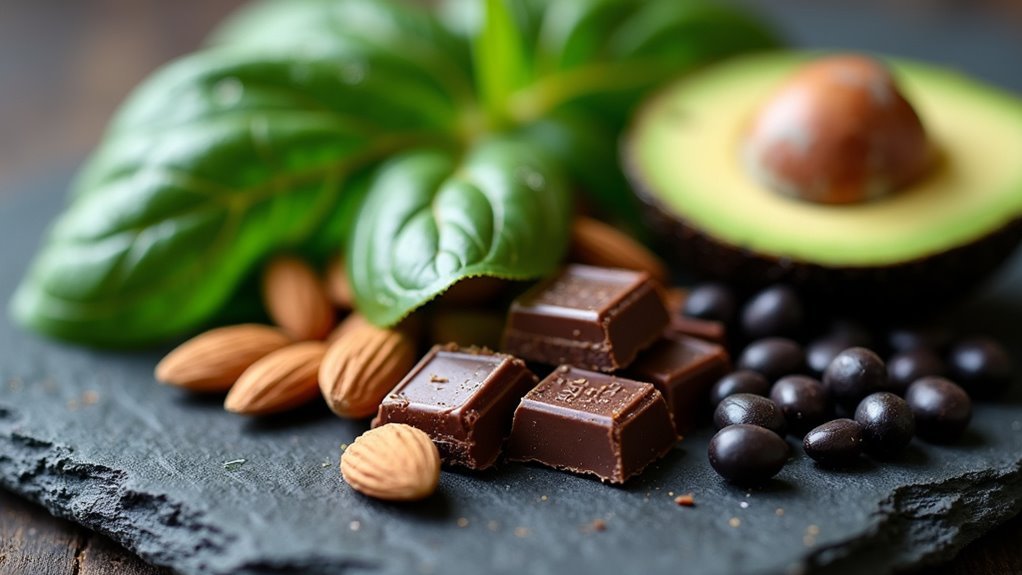
When your muscles contract and relax throughout the day, magnesium acts as an essential regulator behind the scenes, ensuring these movements happen smoothly and efficiently.
This crucial mineral directly influences muscle function by controlling calcium levels within muscle cells, preventing excessive contractions that lead to painful spasms.
You’ll notice magnesium deficiency’s effects quickly through increased muscle cramps, persistent tension, and slower recovery after physical activity.
Your body requires 310-420 mg daily, depending on your age and sex, to maintain ideal muscle performance.
Without adequate magnesium, your muscles can’t properly relax after contracting, creating a cycle of tension and discomfort.
Dark Leafy Greens: Nature’s Muscle Relaxers
Dark leafy greens pack a powerful magnesium punch that transforms your muscle health naturally. When you’re dealing with tight, tense muscles, these nutritional powerhouses deliver exactly what your body craves. Spinach and Swiss chard lead the charge, offering substantial magnesium content that helps relax muscles and combat stiffness.
| Green | Magnesium (per cooked cup) |
|---|---|
| Spinach | 157 mg |
| Swiss chard | 150 mg |
| Kale | 23 mg |
| Collard greens | 38 mg |
Beyond magnesium, dark leafy greens provide calcium, potassium, and vitamins A, C, and K—nutrients that support overall muscle function. You can easily incorporate these muscle relaxers into smoothies, salads, or side dishes, creating delicious meals while maintaining ideal magnesium levels and reducing tension over time.
Nuts and Seeds: Portable Magnesium Powerhouses
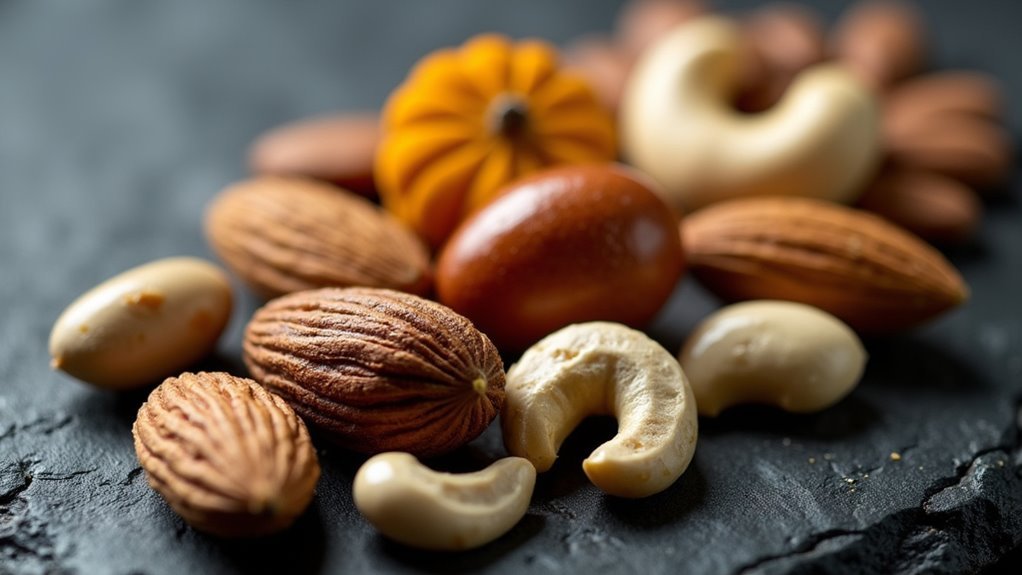
While dark greens excel in your kitchen, nuts and seeds bring magnesium convenience wherever you go. These portable powerhouses pack impressive mineral content that’ll help prevent muscle cramps during your busy day.
Pumpkin seeds lead the charge with 150 mg of magnesium per ounce, while almonds deliver 80 mg and cashews provide 72 mg. You can easily toss a handful into your bag for an instant source of electrolytes.
Chia seeds offer versatility at 40 mg per tablespoon—sprinkle them into smoothies or yogurt for seamless nutrition.
Sunflower seeds contain 325 mg per 100 grams, making them exceptional muscle-supporting snacks. Beyond magnesium, nuts and seeds supply healthy fats, protein, fiber, and antioxidants that enhance your overall well-being while keeping muscles relaxed.
Black Beans and Legumes for Muscle Recovery
Beyond portable snacking options, black beans and legumes deserve a spotlight in your muscle recovery arsenal. These protein-packed powerhouses deliver substantial magnesium doses that directly combat muscle cramps and support recovery. Black beans lead with approximately 120 mg of magnesium per cooked cup, while lentils and chickpeas contribute 71 mg and 79 mg respectively.
Here’s why you should prioritize legumes in your recovery diet:
Legumes provide the magnesium foundation your muscles need for optimal recovery and sustained performance.
- Enhanced muscle relaxation – Magnesium promotes muscle fiber recovery and reduces tension
- Improved blood sugar stability – High fiber content prevents energy crashes that worsen fatigue
- Reduced cramp frequency – Regular consumption decreases muscle spasm occurrence
- Complete nutrient profile – Essential vitamins and minerals support thorough muscle function
Incorporating these legumes into your meals creates a foundation for consistent muscle health and faster recovery.
Whole Grains That Support Muscle Function
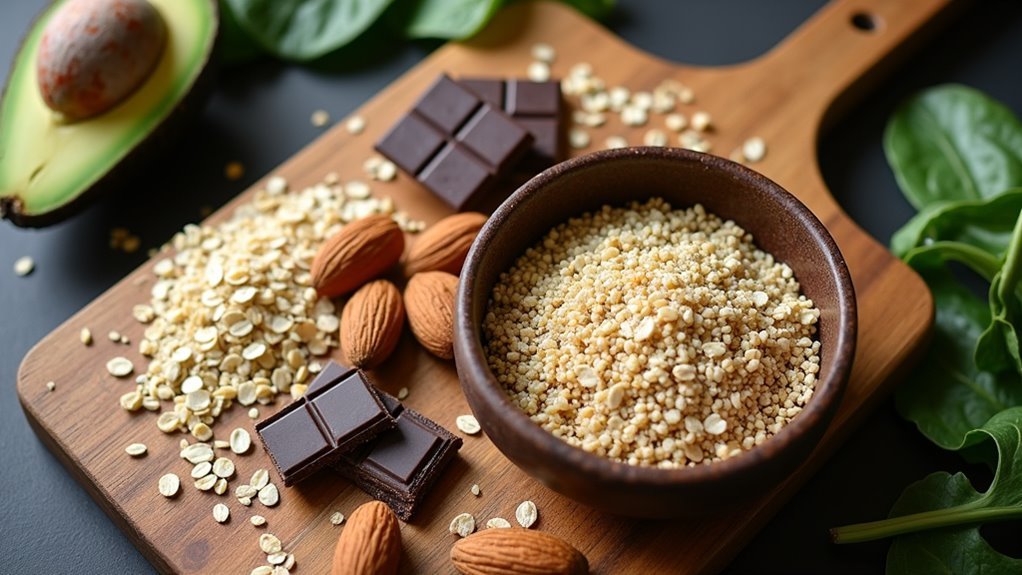
Whole grains form another cornerstone of magnesium-rich nutrition that directly supports your muscle function and recovery goals.
You’ll find quinoa delivers an impressive 118 mg of magnesium per cooked cup, making it essential for muscle relaxation. Brown rice provides 86 mg per cooked cup, helping reduce muscle cramps and aid recovery.
Oats pack the highest punch with 138 mg per half-cup serving, boosting energy production while supporting muscle health. Even wholemeal bread contributes 59 mg per 100 grams to your daily intake.
Avocados: Creamy Sources of Relief
You’ll find that avocados pack a powerful punch with 58 mg of magnesium per fruit, directly supporting muscle relaxation and tension relief.
The creamy texture you love also delivers nearly 1,000 mg of potassium, which works alongside magnesium to maintain proper muscle function and prevent cramps.
When you add avocados to your meals, you’re not just getting these essential minerals—you’re also consuming healthy fats that help your body absorb and utilize the magnesium more effectively.
Magnesium Content Benefits
When you’re searching for a delicious way to combat muscle tension, avocados deliver impressive magnesium content alongside their signature creamy texture. Each whole avocado provides approximately 58 mg of magnesium, directly targeting muscle relaxation and reducing the frequency of muscle cramps and spasms.
The magnesium content benefits extend beyond basic mineral intake:
- Enhanced muscle function through improved calcium regulation and nerve transmission
- Reduced cramping frequency as magnesium levels stabilize muscle contractions
- Better post-exercise recovery when combined with avocado’s healthy fats and potassium
- Improved hydration support that complements magnesium’s muscle-relaxing properties
You’ll find that incorporating avocados into your meals or snacks creates an enjoyable pathway to boost magnesium levels while supporting thorough muscle health and tension relief.
Muscle Function Support
Beyond their impressive magnesium profile, avocados pack a powerful combination of nutrients that work synergistically to support ideal muscle function. You’ll get approximately 58 mg of magnesium per whole avocado, which directly combats muscle cramps by enabling proper muscle contraction and relaxation cycles.
The potassium content—nearly 975 mg per fruit—works alongside magnesium to maintain peak muscle function and prevent tension buildup.
When you consume avocados regularly, you’re providing your muscles with essential nutrients for tension relief. The healthy fats enhance blood circulation, delivering these crucial minerals more efficiently to muscle tissues.
This improved circulation supports faster recovery and reduces stiffness. You’ll find that incorporating avocados into your daily routine creates a natural defense against muscle tension while promoting overall muscular health.
Sweet Potatoes and Root Vegetables
You’ll find sweet potatoes pack impressive magnesium alongside exceptional potassium and calcium levels that surpass many common foods like bananas.
When you roast or boil these vibrant root vegetables, you’re preserving their nutrient density while creating versatile meal additions that support muscle function.
Other root vegetables like carrots and beets also contribute meaningful magnesium content, especially when you incorporate proper preparation methods that maximize their nutritional benefits.
Sweet Potato Magnesium Content
Sweet potatoes stand out among root vegetables as an excellent source of magnesium, delivering approximately 27 mg per 100 grams to support muscle relaxation and cardiovascular health.
This versatile root vegetable offers multiple benefits that make it an ideal addition to your diet for preventing cramps and maintaining peak muscle function.
- Magnesium content – You’ll receive essential minerals that directly support muscle relaxation and reduce tension throughout your body.
- Potassium balance – The high potassium levels help maintain proper fluid balance, working alongside magnesium for enhanced muscle function.
- Immune support – Vitamins A and C strengthen your immune system while supporting overall health.
- Digestive benefits – High fiber content promotes healthy digestion, maximizing nutrient absorption from your sweet potato consumption.
Root Vegetable Preparation Methods
While sweet potatoes offer exceptional magnesium content, the cooking method you choose considerably impacts their nutritional value and bioavailability. Different preparation techniques affect how well your body absorbs these essential minerals.
| Method | Time | Nutrient Retention |
|---|---|---|
| Baking | 45-60 min | Highest |
| Steaming | 20-25 min | High |
| Boiling | 15-20 min | Moderate |
You’ll preserve maximum nutrient content by steaming sweet potatoes, as this method retains vitamins and minerals better than boiling. When boiling, cut them into uniform pieces for even cooking while minimizing nutrient loss. For baking, wrap sweet potatoes in foil at 400°F to retain moisture and natural sweetness. Creating a nutritious mash by adding olive oil enhances magnesium absorption.
Potassium and Calcium Benefits
Beyond their impressive magnesium content, sweet potatoes deliver approximately 475 mg of potassium per medium-sized potato, working alongside calcium to create a powerful mineral combination that relaxes your muscles and reduces tension.
Root vegetables like carrots and beets provide essential nutrients that support optimal muscle function and help prevent muscle cramps.
These nutrient-dense foods offer multiple benefits for your muscular system:
- Potassium maintains fluid balance – preventing dehydration-related muscle tension
- Calcium regulates muscle contractions – essential for proper muscle relaxation cycles
- Combined minerals enhance muscle function – supporting overall muscular health
- Consistent intake prevents muscle cramps – regular consumption reduces cramping episodes
You’ll maximize these benefits by incorporating various potassium and calcium-rich root vegetables into your daily meals, creating a natural defense against muscle tension.
Low-Fat Dairy Products for Dual Benefits
Since you’re looking to boost your magnesium intake while supporting overall health, low-fat dairy products offer an excellent two-for-one solution.
You’ll get about 42 mg of magnesium from an 8 oz serving of yogurt, while nonfat milk provides 24-27 mg per cup. These amounts help you reach the daily recommended 310-420 mg of magnesium needed to prevent muscle cramps.
What makes low-fat dairy particularly valuable is its calcium content, which works alongside magnesium for proper muscle contraction and relaxation.
You’re also supporting bone health while addressing muscle tension. The protein in these dairy products aids muscle repair and recovery, while their water and electrolyte content helps maintain hydration levels essential for preventing cramps and supporting peak muscle function.
Fatty Fish Rich in Magnesium
When you’re seeking magnesium-rich protein sources, fatty fish deliver exceptional nutritional value that extends far beyond muscle support. These omega-3 powerhouses provide substantial magnesium while simultaneously offering anti-inflammatory benefits that enhance muscle recovery and function.
Fatty fish are magnesium-rich protein powerhouses that provide anti-inflammatory benefits beyond basic muscle support.
Consider incorporating these magnesium-rich fatty fish into your weekly meal rotation:
- Salmon – Contains approximately 26 mg of magnesium per 85-gram serving
- Mackerel – Provides about 82 mg of magnesium per 85-gram serving
- Halibut – Offers significant magnesium content alongside lean protein
- Sardines – Delivers concentrated magnesium in convenient, affordable portions
You can easily prepare fatty fish through grilling, baking, or steaming methods. Eating these fish two to three times weekly helps you reduce muscle cramps while working toward the recommended daily magnesium intake of 310-420 mg, promoting ideal muscle health.
Dark Chocolate as a Therapeutic Treat
While fatty fish provides excellent magnesium through protein sources, you’ll find that satisfying your sweet tooth can also boost your mineral intake considerably.
Dark chocolate containing 70%-85% cocoa delivers approximately 64 mg of magnesium per ounce, making it an effective therapeutic treat for muscle tension relief.
The flavonoids in dark chocolate improve blood circulation, helping alleviate muscle tightness and discomfort throughout your body.
You’ll also benefit from powerful antioxidants that combat inflammation and potentially reduce muscle cramp frequency.
This delicious approach lets you satisfy cravings while contributing to your daily magnesium requirements.
Including moderate amounts of dark chocolate in your balanced diet enhances enjoyment while providing genuine therapeutic benefits for ongoing muscle tension management.
Bananas and Magnesium-Rich Fruits
Beyond indulgent treats, you’ll discover that common fruits offer surprisingly effective magnesium sources for muscle tension relief.
Bananas stand out as convenient powerhouses, delivering approximately 32 mg of magnesium per medium fruit while promoting muscle relaxation and function. Their impressive 422 mg potassium content maintains fluid balance and prevents cramping.
Consider incorporating these magnesium-rich fruits into your daily routine:
- Avocados – Provide 58 mg magnesium per whole fruit, supporting muscle recovery
- Bananas – Offer dual benefits with magnesium and potassium for ideal muscle function
- Figs – Contain 13 mg magnesium per medium fig, perfect for snacking
- Mixed fruit combinations – Create variety while maximizing magnesium intake
You’ll find that diversifying your fruit choices naturally boosts magnesium consumption, effectively supporting muscle health and alleviating tension throughout your body.
Water Sources of Hidden Magnesium
Your daily hydration routine presents an often-overlooked opportunity to boost magnesium intake through strategic water choices. Tap, mineral, and bottled waters vary dramatically in magnesium content, ranging from 1 to 120 mg per liter depending on the source.
Drinking 2 liters of mineral-rich water daily could provide up to 240 mg of magnesium, greatly supporting your nutritional needs.
Consuming 2 liters of high-magnesium mineral water daily delivers up to 240 mg of this essential nutrient to support optimal health.
Some bottled water brands specifically advertise their magnesium content, making it easier to select options that complement foods high in this essential mineral. This water content strategy helps bridge gaps between solid food sources.
Magnesium helps with muscle relaxation and potentially reduces cramps when you’re consistently consuming magnesium rich waters alongside your regular diet.
Daily Magnesium Intake Recommendations
Most adults require between 310-420 mg of magnesium daily, with women needing 310-320 mg and men requiring 400-420 mg to maintain ideal health.
Meeting daily magnesium intake recommendations through magnesium-rich foods can effectively prevent muscle tension and cramps without supplements.
Focus on these dietary sources of magnesium to reach your targets:
- Five servings of fruits and vegetables – Choose leafy greens, bananas, and avocados
- Three servings of whole grains – Include quinoa, brown rice, and oats
- One ounce of nuts or seeds – Almonds, pumpkin seeds, and cashews pack significant amounts
- Regular legume consumption – Black beans provide 120 mg per cup
Monitoring your intake from these sources guarantees peak health and prevents deficiencies that contribute to muscle tension.
Signs Your Body Needs More Magnesium
How can you tell if your body isn’t getting enough magnesium? Several warning signs indicate magnesium deficiency that you shouldn’t ignore.
Muscle cramps or spasms are common early indicators, showing your body needs more magnesium for proper muscle function and relaxation. You might also experience persistent fatigue and loss of appetite, since magnesium plays a crucial role in energy production.
Nausea or vomiting can signal inadequate levels of this essential mineral. More concerning symptoms include abnormal heart rhythms, tingling, or numbness in your extremities.
If you’re experiencing these signs, examine your dietary sources of magnesium. Include more leafy greens, nuts, and whole grains in your meals to prevent deficiency symptoms from developing into serious health complications.
Frequently Asked Questions
Which Magnesium Is Best for Muscle Tension?
You’ll find magnesium glycinate works best for muscle tension since it’s easily absorbed and won’t upset your stomach. It combines magnesium with glycine, which promotes relaxation and effectively reduces muscle tightness.
Does Magnesium Loosen Tight Muscles?
Yes, magnesium does loosen tight muscles by competing with calcium to regulate contractions. You’ll experience reduced muscle tension, cramps, and spasms when you maintain adequate magnesium levels through diet or supplements.
Which Food Is Highest in Magnesium?
You’ll find pumpkin seeds contain the highest magnesium concentration at 592 mg per 100 grams. They’re considerably richer than almonds, which provide 268 mg, making pumpkin seeds your best dietary choice for maximizing magnesium intake.
Can Lack of Magnesium Cause Muscle Tightness?
Yes, you’ll experience muscle tightness when you’re magnesium deficient. Your muscles can’t relax properly without adequate magnesium, leading to cramps, spasms, and stiffness since magnesium regulates muscle contraction and nerve function.


Leave a Reply