

You can heal your gut with three powerful legumes that target digestive wellness. Lentils deliver 15.6 grams of fiber per cup and cook in just 9 minutes, feeding beneficial bacteria efficiently. Black beans trigger colon fermentation that produces short-chain fatty acids, strengthening your gut lining and reducing inflammation. Chickpeas act as prebiotic powerhouses with 12.5 grams of fiber, fueling beneficial bacteria growth while regulating blood sugar. These nutrient-dense legumes offer deeper gut-healing mechanisms worth exploring.
Lentils: The Fast-Cooking Fiber Powerhouse for Gut Microbiome Balance
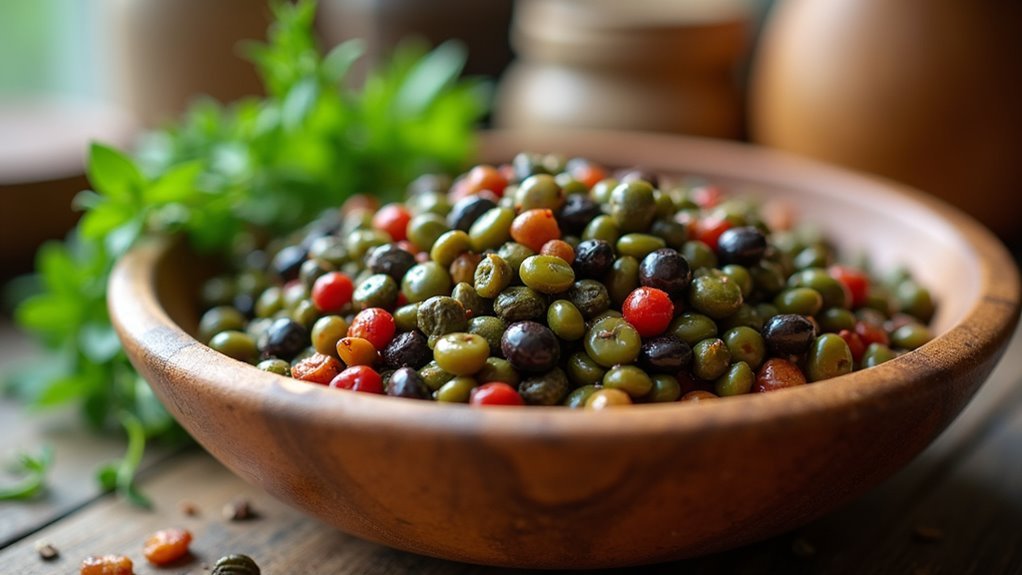
Speed meets nutrition when you discover lentils, the legume that transforms from dry to dinner-ready in just 9 minutes using a pressure cooker.
You’ll get 17.9 grams of plant-based protein and 15.6 grams of dietary fiber per cooked cup, plus impressive amounts of iron (37% DV) and folate (90% DV).
This fiber powerhouse directly supports your gut health by feeding beneficial bacteria in your microbiome, enhancing digestive wellness and bacterial diversity.
You’ll also experience improved blood sugar control when you substitute lentils for higher glycemic foods, while their soluble fiber actively works to lower cholesterol levels.
Regular lentil consumption creates a thriving microbiome environment that supports your overall health through better nutrient absorption and digestive function.
Black Beans: Short-Chain Fatty Acid Producers for Digestive Wellness
When black beans reach your colon, they’ll trigger a powerful fermentation process that produces short-chain fatty acids (SCFAs) like butyrate, acetate, and propionate—essential compounds that strengthen your gut lining and reduce inflammation throughout your digestive tract.
You’ll get approximately 15 grams of dietary fiber per cup of black beans, feeding beneficial bacteria that enhance your gut microbiome diversity. This fiber fermentation creates a favorable environment for digestive wellness while stabilizing your blood sugar levels through their low glycemic index.
Black beans’ antioxidants work alongside SCFAs to boost your immune health and prevent digestive disorders.
Chickpeas: Prebiotic-Rich Legumes That Boost Beneficial Bacteria Growth
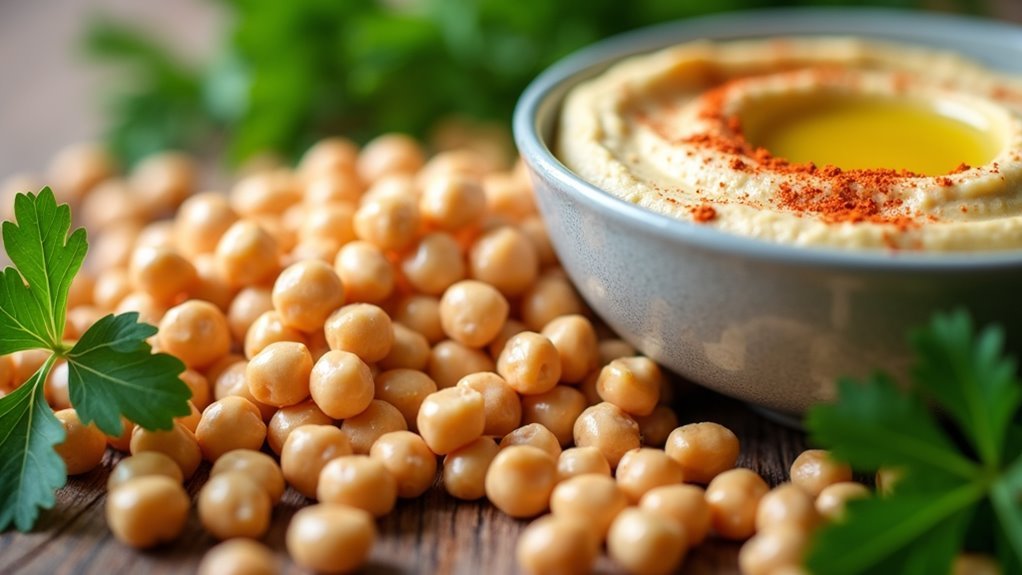
Chickpeas deliver an impressive 12.5 grams of fiber per cooked cup, making them exceptional prebiotic powerhouses that’ll fuel your beneficial bacteria like Bifidobacterium and Lactobacillus.
This dietary fiber becomes food for your gut microbiome, promoting the production of short-chain fatty acids that reduce inflammation and strengthen your immune system.
You’ll also benefit from chickpeas’ high folate content (71% DV) and iron (26% DV), which support overall gut health.
These legumes enhance insulin sensitivity and help regulate blood sugar levels after meals. Their prebiotic properties create an environment where beneficial bacteria thrive while harmful bacteria struggle to survive.
Frequently Asked Questions
Which Legumes Are Best for Gut Health?
You’ll find chickpeas, lentils, black beans, navy beans, and peas are your best options. They’re packed with fiber that promotes beneficial bacteria, increases short-chain fatty acids, and improves your gut microbiome diversity greatly.
What Is the Most Gut Healing Food?
You’ll find fermented foods like kefir, sauerkraut, and kimchi are among the most gut-healing options available. They’re packed with probiotics that directly replenish beneficial bacteria while reducing inflammation and supporting digestive wellness.
What Is the Healthiest Legume to Eat?
You’ll find lentils are the healthiest legume choice, offering 17.9g protein and 15.6g fiber per cup while considerably lowering blood sugar levels when you replace higher-carb foods like rice.
Are Legumes Good for a Leaky Gut?
Yes, legumes are excellent for leaky gut. They’re packed with fiber that feeds beneficial bacteria, promotes healing, and reduces inflammation. You’ll strengthen your intestinal lining while improving gut microbiome diversity naturally.


Leave a Reply