
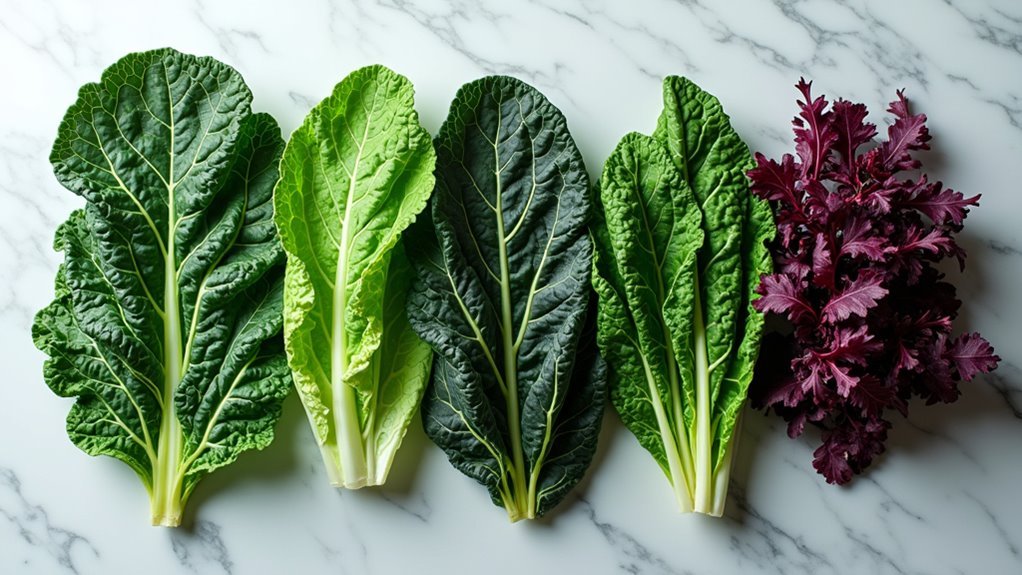
When you’re seeking maximum antioxidant protection from leafy greens, kale leads the pack as the most concentrated source of disease-fighting compounds. You’ll get powerful lutein and beta-carotene that combat oxidative stress, plus 68% of your daily vitamin K per cup. Spinach follows closely with exceptional lutein and zeaxanthin for eye protection, while microgreens deliver up to 40 times more nutrition than mature plants. Each green offers unique antioxidant profiles that’ll maximize your health benefits.
Kale: The Antioxidant Powerhouse Leading the Pack
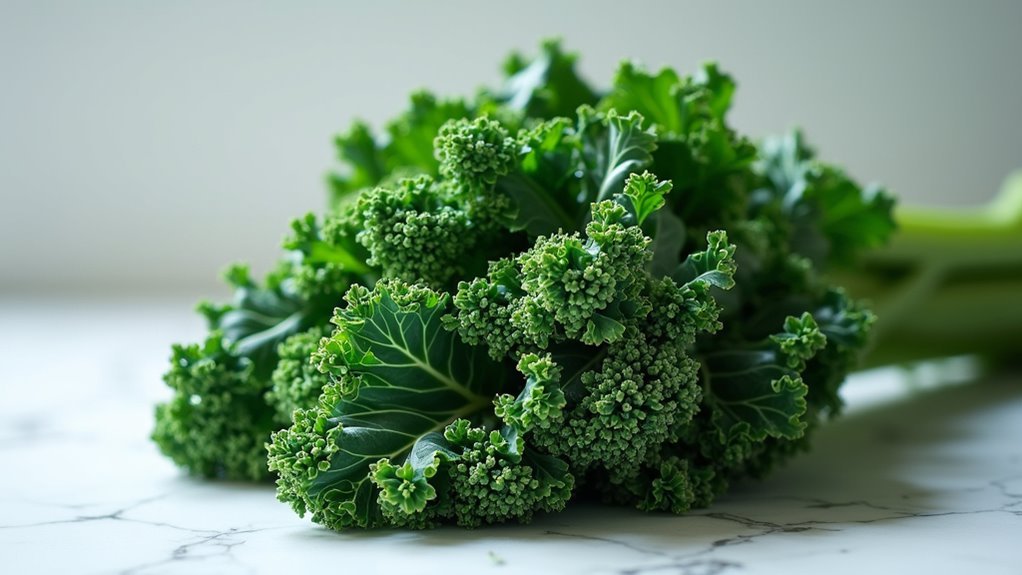
Kale stands out as nature’s most concentrated source of antioxidants among leafy greens, delivering powerful compounds like lutein and beta-carotene that actively fight oxidative stress in your body.
When you consume just one cup of raw kale, you’re getting 68% of your daily vitamin K requirement, supporting bone health and proper blood clotting.
This leafy green’s exceptional nutrient density makes it a formidable weapon against chronic diseases. The diverse antioxidants in kale work together to reduce your risk of heart disease and certain cancers.
Unlike other greens, kale’s robust texture retains its nutritional power when cooked, especially through steaming. You’ll maximize these health benefits by eating kale 2-3 times weekly, making it an essential addition to your antioxidant-rich diet.
Spinach: Lutein and Zeaxanthin for Maximum Eye Protection
While kale dominates discussions about antioxidant-rich greens, spinach delivers unmatched protection for your eyes through its concentrated levels of lutein and zeaxanthin.
Spinach’s lutein and zeaxanthin concentrations provide superior eye protection that surpasses even kale’s acclaimed antioxidant benefits.
These powerful antioxidants specifically target age-related macular degeneration and various eye disorders by fighting oxidative stress at the cellular level.
You’ll get 121% of your daily vitamin K needs from just one cup of raw spinach, supporting healthy vision alongside essential nutrients.
The beta-carotene content further strengthens your eye’s defenses against damage.
Regular spinach consumption considerably reduces your cataract risk thanks to its potent antioxidant properties.
When you incorporate spinach into meals, you’re not just protecting your eyesight—you’re boosting your overall nutrient intake with an extensive vitamin and mineral profile that supports total body health.
Swiss Chard: Syringic Acid and Colorful Antioxidant Benefits
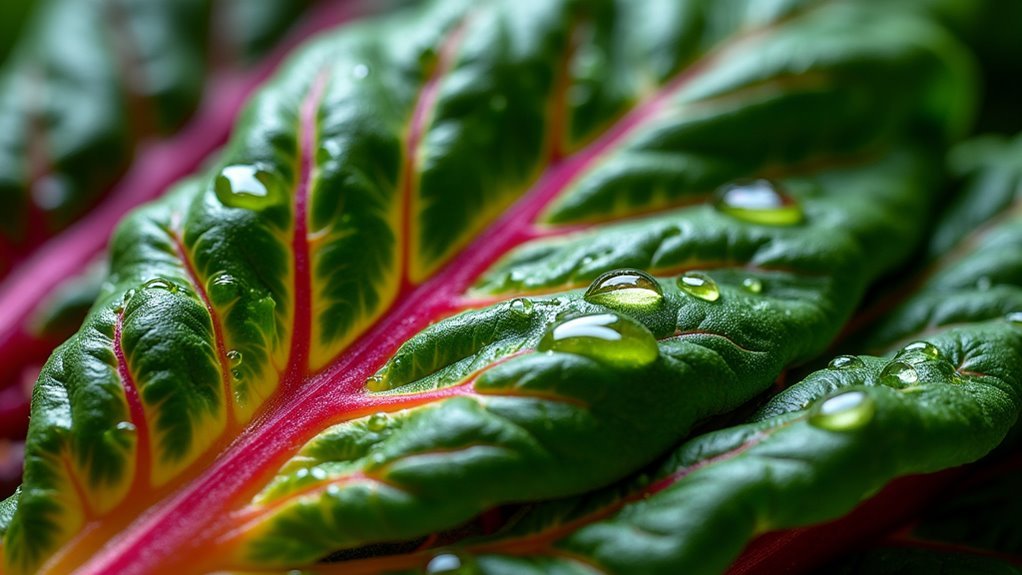
You’ll discover that Swiss chard’s unique antioxidant profile centers around syringic acid, a powerful compound that’s particularly effective at managing blood sugar levels and reducing inflammation throughout your body.
The vibrant rainbow of colors in Swiss chard’s stems isn’t just visually appealing—it signals the presence of diverse antioxidants like beta-carotene and lutein that work together to combat oxidative stress.
When you consume this nutrient-dense leafy green, you’re getting substantial amounts of vitamins A, C, and K that support everything from immune function to bone health.
Syringic Acid Properties
Among the rainbow of leafy greens available, Swiss chard stands out with its vibrant stems and deep green leaves that signal a powerhouse of antioxidant activity.
You’ll find syringic acid as one of its key compounds, offering remarkable benefits for your overall health. This potent antioxidant helps regulate blood sugar levels while providing anti-inflammatory properties that combat oxidative stress throughout your body.
When you consume Swiss chard, you’re getting antioxidant properties that protect your cells from damage and support heart health.
Research shows syringic acid may lower the risk of chronic diseases, making this colorful vegetable an excellent choice for enhancing your antioxidant intake. The compound works alongside vitamins A, C, and K to boost your body’s natural defense systems.
Blood Sugar Benefits
When you’re looking to stabilize your blood sugar naturally, Swiss chard’s syringic acid content makes it an exceptional choice for glucose management. This powerful compound enhances insulin sensitivity while helping regulate glucose levels effectively.
You’ll benefit from Swiss chard’s impressive magnesium content, which prevents insulin resistance and supports metabolic function.
Among leafy greens, Swiss chard stands out with its colorful betalain antioxidants that provide anti-inflammatory protection. Each cup delivers essential vitamins A, C, and K that support your overall metabolic health.
Regular consumption boosts your body’s antioxidant capacity, reducing oxidative stress that can interfere with blood sugar control. The combination of syringic acid and diverse antioxidants makes Swiss chard particularly effective for maintaining stable glucose levels throughout the day.
Colorful Stem Nutrition
Swiss chard’s vibrant stems aren’t just for show—they’re nutritional powerhouses that deliver unique phytonutrients beyond what you’ll find in the leaves alone. The red, yellow, and white varieties each contain distinct antioxidant compounds that reduce inflammation and combat oxidative stress throughout your body.
You’ll get concentrated doses of vitamins A, C, and K from these colorful stems, making Swiss chard one of the most nutrient-dense leafy green vegetables available.
The phytonutrients work synergistically with antioxidants like lutein and beta-carotene to support both eye health and heart health. When you consume the entire plant—stems included—you’re maximizing your intake of magnesium and potassium, which help regulate blood pressure while protecting against age-related macular degeneration.
Watercress: Ancient Medicine With Modern Antioxidant Science
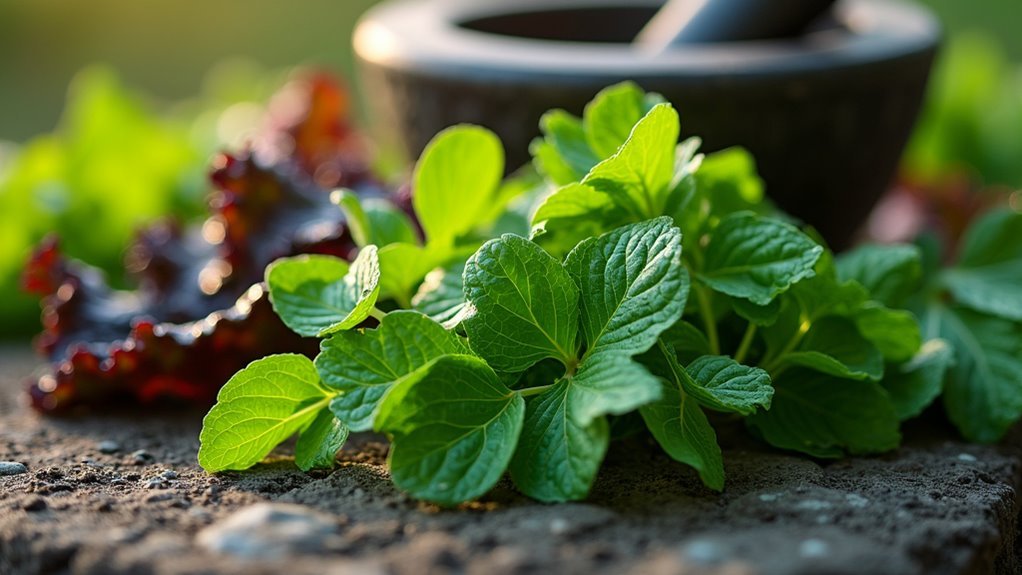
While watercress may look like an unassuming leafy green floating in streams and ponds, it’s actually a nutritional powerhouse that’s been valued for its medicinal properties for thousands of years. This nutrient-dense aquatic plant delivers impressive antioxidants, including flavonoids and carotenoids that combat oxidative stress and inflammation.
| Nutrient | Amount per Cup | Daily Value |
|---|---|---|
| Vitamin K | 85 mcg | 71% |
| Vitamin C | 15 mg | 17% |
| Vitamin A | 54 mcg | 6% |
| Weight | 34 g | – |
| Antioxidants | High | Variable |
You’ll find watercress’s slightly spicy flavor enhances salads and soups while providing cancer-preventive benefits. Modern science continues validating what herbal medicine practitioners have known for centuries about this remarkable green’s healing potential.
Arugula: Peppery Flavor With Blood Flow-Boosting Compounds
You’ll discover that arugula’s distinctive peppery bite comes packed with dietary nitrates that actively enhance your blood circulation and help lower blood pressure.
This spicy green delivers an impressive antioxidant profile, providing 18% of your daily vitamin K needs plus significant amounts of vitamins A and C in just one cup.
Understanding how arugula’s nitrates work alongside its vitamin-rich antioxidant compounds reveals why this Brassicaceae family member deserves a spot in your heart-healthy eating plan.
Nitrates and Blood Flow
When you bite into arugula’s distinctly peppery leaves, you’re getting more than just bold flavor—you’re consuming powerful dietary nitrates that can greatly enhance your blood flow and cardiovascular health.
These nitrates work by dilating your blood vessels, which helps lower blood pressure and improve overall circulation throughout your body.
The antioxidant properties of arugula complement its nitrate content, creating a dual benefit for your vascular system.
When you consume arugula regularly, you’ll likely notice improved exercise performance since nitrates reduce the oxygen cost of physical activity.
This means your body becomes more efficient during workouts, supporting better athletic performance and endurance.
Antioxidant Profile Breakdown
Arugula’s antioxidant arsenal extends far beyond its impressive nitrate content, offering an extensive blend of protective compounds that work synergistically to support your health. This peppery leafy green delivers a powerful antioxidant profile that stands out among other greens.
| Antioxidant | Health Benefit | Daily Value (1 cup) |
|---|---|---|
| Vitamin K | Bone health, blood clotting | 18% DV |
| Quercetin | Anti-inflammatory, immune support | Variable |
| Glucosinolates | Cancer-protective properties | High content |
| Vitamin C | Immune function, collagen synthesis | 3% DV |
The glucosinolates responsible for arugula’s distinctive peppery flavor provide cancer-protective benefits, while quercetin delivers anti-inflammatory effects. Combined with its cardiovascular health-supporting properties, arugula’s diverse antioxidants make it a nutritional powerhouse worth incorporating into your regular diet.
Collard Greens: Vitamin K Champions With Cancer-Fighting Properties
Collard greens pack an impressive nutritional punch, delivering 131% of your daily vitamin K needs in just one cup of raw leaves. This vitamin K powerhouse supports essential blood clotting functions and strengthens bone health.
You’ll also get substantial amounts of vitamin A, folate, and vitamin C, which boost your immune function and overall wellness.
These leafy greens belong to the same family as kale and cabbage, sharing their potent cancer-fighting properties through high antioxidants and glucosinolates. Regular consumption may reduce your cancer risk when you include them in a varied diet.
Their slightly bitter flavor becomes more palatable through sautéing or slow-cooking methods, which preserve the impressive health benefits that make collard greens nutritional champions.
Microgreens: Concentrated Nutrition in Tiny Antioxidant Packages
While they may look delicate and unassuming, microgreens deliver an extraordinary concentration of nutrients that far surpasses their mature plant counterparts.
These tiny vegetable and herb seedlings, measuring just 1-3 inches, pack incredible antioxidants and vitamins into their small frames. You’ll get up to 40 times more nutrition from broccoli and radish microgreens compared to full-grown versions.
When you incorporate microgreens into your meals, you’re adding concentrated doses of vitamins C, E, and K, plus powerful phytochemicals that support your health.
The benefits extend beyond basic nutrition—these antioxidant-rich greens can boost disease prevention and improve overall health outcomes.
Best of all, you can easily grow them at home year-round for fresh, accessible superfood nutrition.
Frequently Asked Questions
Which Is the Most Powerful Antioxidant?
You’ll find kale’s the most powerful antioxidant among leafy greens. It’s packed with vitamins A, C, and K, plus lutein and beta-carotene that effectively combat oxidative stress in your body.
What Is the King of Green Leafy Vegetables?
You’ll find kale holds the title as king of green leafy vegetables. It’s earned this reputation through its exceptional nutrient density, providing massive amounts of vitamins A, C, and K plus powerful antioxidants.
What Is the King of Super Antioxidants?
You’ll find blueberries often claim the “King of Super Antioxidants” title due to their anthocyanin content. However, kale’s impressive vitamin A, C, K levels and lutein make it a strong contender for this crown.
What Is the Healthiest Leafy Green?
You can’t go wrong with kale as the healthiest leafy green. It’s packed with vitamins A, C, and K, plus powerful antioxidants like lutein and beta-carotene that’ll protect you.


Leave a Reply