

Lacto-fermented vegetables heal your gut by introducing beneficial lactic acid bacteria like Lactobacillus plantarum and Bifidobacterium longum that enhance your microbiome diversity and reduce inflammation. These probiotics produce short-chain fatty acids that fuel your intestinal cells, strengthen gut barriers, and improve nutrient absorption while breaking down anti-nutrients that inhibit mineral uptake. University research shows consuming these foods five times weekly increases gut metabolite diversity and stimulates healing bacteria that support your overall digestive health and immune function.
Understanding the Science Behind Lacto-Fermentation and Gut Microbiome Balance

When you consume lacto-fermented vegetables, lactic acid bacteria break down sugars and produce beneficial probiotics that directly enhance your gut microbiome’s diversity and function.
This lacto-fermentation process creates an environment where butyrate-producing bacteria thrive, reducing inflammation throughout your digestive system.
Research shows that regularly eating fermented vegetables increases your fecal metabolite diversity, boosting production of health-promoting short-chain fatty acids like acetate and propionate.
These compounds serve as fuel for your intestinal cells and strengthen your gut barrier.
The potentially probiotic bacteria and fungi present in lacto-fermented foods positively influence your gut microbiome composition.
This improved balance supports your immune function and helps prevent gastrointestinal disorders by maintaining ideal digestive health through enhanced microbial diversity.
Essential Probiotics Found in Lacto-Fermented Vegetables and Their Digestive Benefits
Although dozens of bacterial strains populate lacto-fermented vegetables, specific probiotic species deliver the most notable digestive benefits to your gut health. These beneficial bacteria enhance digestive function by producing short-chain fatty acids that reduce inflammation and strengthen your intestinal barrier.
| Probiotic Strain | Primary Benefits | Food Sources |
|---|---|---|
| Lactobacillus plantarum | Enhances nutrient absorption, reduces bloating | Sauerkraut, kimchi |
| Lactobacillus brevis | Increases SCFA production, supports immunity | Pickled vegetables |
| Lactobacillus acidophilus | Improves lactose digestion, balances pH | Fermented cabbage |
| Bifidobacterium longum | Promotes diverse microbiome, anti-inflammatory | Cultured vegetables |
| Lactobacillus casei | Strengthens gut barrier, metabolic health | Traditional pickles |
Regular consumption of these lacto-fermented foods considerably increases butyrate-producing bacteria, creating ideal conditions for sustained gut health through natural fermentation processes.
How Fermentation Transforms Plant Nutrients for Enhanced Bioavailability
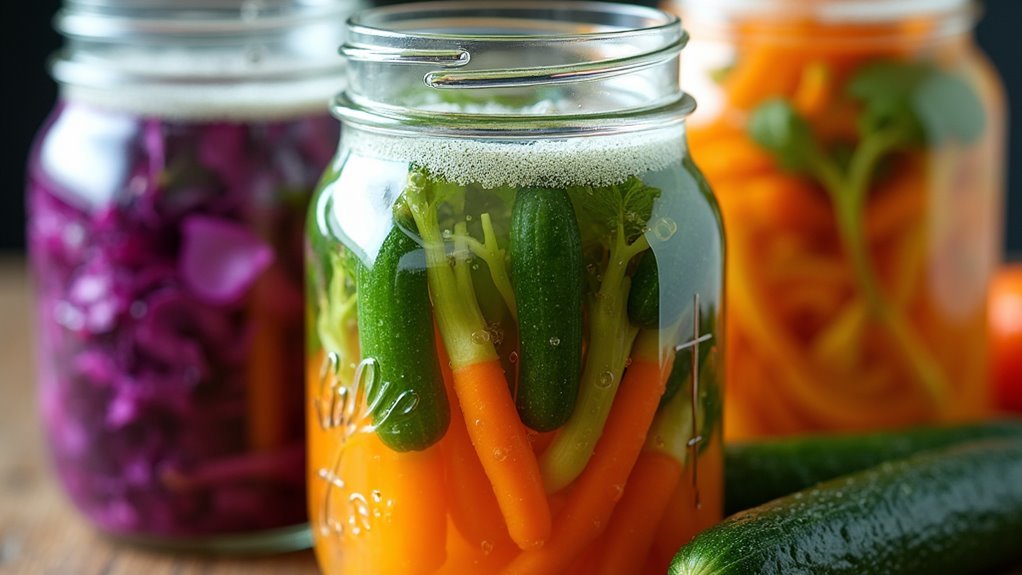
Fermentation acts as nature’s nutrient enhancer, fundamentally transforming the bioavailability of essential vitamins and minerals in plant foods. When beneficial bacteria work during the fermentation process, they break down anti-nutrients like phytates that typically block your body’s ability to absorb iron, zinc, calcium, and magnesium from vegetables.
Fermentation transforms plant foods into nutritional powerhouses by breaking down mineral-blocking compounds and enhancing vitamin absorption naturally.
The fermentation process creates remarkable nutritional improvements:
- Increases B-vitamin synthesis, including folate, riboflavin, niacin, and B12
- Breaks down complex carbohydrates for easier digestion
- Produces live probiotics that enhance your gut microbiome diversity
- Generates beneficial short-chain fatty acids that support nutrient absorption
These transformations make lacto-fermented vegetables considerably more nutrient-dense than their raw counterparts.
You’ll absorb more essential minerals while supporting your digestive system with fermented foods that actively improve your body’s ability to extract and utilize nutrients effectively.
Clinical Evidence Supporting Lacto-Fermented Foods for Intestinal Healing
Recent clinical research has provided compelling evidence that lacto-fermented vegetables deliver measurable healing benefits to your intestinal tract.
University of Minnesota researchers discovered that consuming these foods five times weekly for two years markedly increases your gut’s metabolite diversity, indicating enhanced gut health functions. The fermentation process creates probiotics and beneficial bacteria that colonize your digestive system, supporting intestinal healing mechanisms.
When you regularly consume lacto-fermented vegetables, you’re stimulating butyrate-producing bacteria that reduce inflammation and improve digestive function.
Your gut produces increased levels of short-chain fatty acids like acetate and propionate, which are directly linked to reduced risk of gut-related diseases. This clinical evidence demonstrates that lacto-fermented foods offer concrete therapeutic value for addressing obesity, neurodegenerative diseases, and other gut microbiome-related health conditions.
Making Your Own Therapeutic Lacto-Fermented Vegetables at Home

Creating your own lacto-fermented vegetables at home puts you in complete control of this powerful healing process while ensuring peak freshness and potency.
You’ll harness beneficial bacteria to transform ordinary vegetables into probiotic powerhouses that deliver exceptional health benefits for your healthy gut.
The fermentation process is straightforward:
- Mix your chosen vegetables with sea salt brine and place in sterilized jars
- Allow three to five days at room temperature for ideal fermentation
- Keep vegetables fully submerged in brine to prevent mold formation
- Monitor regularly and add salted water if needed to maintain submersion
Your homemade lacto-fermented vegetables will develop distinct flavors while creating essential probiotics that enhance gut microbiome diversity, improve digestion, and strengthen immune function naturally.
Incorporating Lacto-Fermented Foods Into Your Daily Healing Protocol
You’ll maximize your gut health benefits by following specific daily serving guidelines and strategically timing your fermented vegetable intake throughout your meals.
Smart meal integration strategies help you maintain consistency while making these therapeutic foods a natural part of your routine.
Proper storage and preparation techniques guarantee you’re getting the most potent probiotic benefits from your lacto-fermented vegetables every day.
Daily Serving Size Guidelines
How much lacto-fermented vegetables should you consume daily to maximize their gut-healing potential? The ideal serving size ranges from 1/4 to 1/2 cup daily, effectively introducing beneficial probiotics into your gut microbiome through the fermentation process.
For maximum health benefits, consider these guidelines:
- Consume lacto-fermented foods at least five times weekly to greatly enhance fecal metabolite diversity and promote butyrate-producing bacteria growth.
- Mix different types of fermented vegetables to promote broader probiotic diversity and enhance overall gut health.
- Regular intake produces beneficial short-chain fatty acids like acetate and propionate, supporting gut health and reducing inflammation.
- Consistent consumption improves digestion and nutrient absorption while enhancing overall gut microbiome functions.
This strategic approach guarantees you’re getting extensive benefits from these powerful foods.
Meal Integration Strategies
Knowing your ideal serving sizes sets the foundation, but strategic meal integration transforms lacto-fermented vegetables from supplements into seamless components of your healing protocol.
You’ll maximize probiotics by adding kimchi and sauerkraut as toppings or sides, introducing beneficial bacteria that enhance digestive health.
Incorporate fermented vegetables into salads and sandwiches for tangy crunch while boosting gut health naturally.
Create probiotic-rich dressings by blending kimchi with yogurt for versatile meal integration.
Always add lacto-fermented foods to cooked dishes at preparation’s end, since high heat destroys beneficial bacteria.
Aim for five weekly servings to stimulate butyrate-producing bacteria, optimizing your gut’s healing capacity.
This consistent approach guarantees fermented vegetables become powerful allies in your digestive restoration journey.
Storage and Preparation Tips
While lacto-fermented vegetables deliver maximum therapeutic benefits when fresh from the jar, proper storage techniques assure you’ll maintain their probiotic potency and vibrant flavors throughout their shelf life.
Store your lacto-fermented vegetables in the refrigerator where they’ll continue developing complex flavors for up to one month.
Here’s how to prepare and consume them effectively:
- Keep vegetables completely submerged in brine by adding salted water when levels drop
- Taste before serving and rinse if too salty to enhance palatability
- Add fermented vegetables as meal toppers or mix them in after cooking to preserve beneficial probiotics
- Prepare homemade varieties like spicy pickled vegetables for cost-effective gut health enhancement
Regular consumption of properly stored lacto-fermented foods assures you’re getting consistent probiotic benefits while enjoying their tangy, complex flavors.
Frequently Asked Questions
Are Fermented Vegetables Good for Your Gut?
Yes, fermented vegetables are excellent for your gut. They’ll boost beneficial bacteria diversity, increase short-chain fatty acid production, reduce gastrointestinal symptoms, and improve nutrient absorption while providing essential probiotics for ideal digestive health.
How Long Does It Take for Fermented Foods to Heal the Gut?
You’ll notice fermented foods beginning to heal your gut within days of regular consumption. Most significant improvements typically occur after two to four weeks of consistent intake, with sustained benefits developing over several months.
What Are the Benefits of Lacto Fermented Vegetables?
You’ll boost beneficial gut bacteria and improve digestion with lacto-fermented vegetables. They’ll increase short-chain fatty acids, enhance mineral absorption by reducing phytates, and help prevent obesity and neurodegenerative diseases.
How Does Fermentation Improve Gut Health?
Fermentation breaks down complex compounds, making nutrients easier for you to absorb. It creates beneficial probiotics that colonize your gut, increase microbial diversity, and produce inflammation-fighting compounds that strengthen your digestive system.


Leave a Reply