

You can naturally calm anxiety by eating magnesium-rich foods that regulate stress hormones and neurotransmitters. Dark chocolate with 70% cocoa provides 65mg of magnesium per ounce while reducing cortisol levels. Leafy greens like spinach deliver 158mg per cooked cup, and nuts such as cashews offer 83mg per ounce. Avocados, legumes, and fatty fish also boost your magnesium intake while supporting mood stability. Understanding proper preparation methods and absorption factors will maximize these anxiety-fighting benefits.
How Magnesium Affects Anxiety and Stress Response
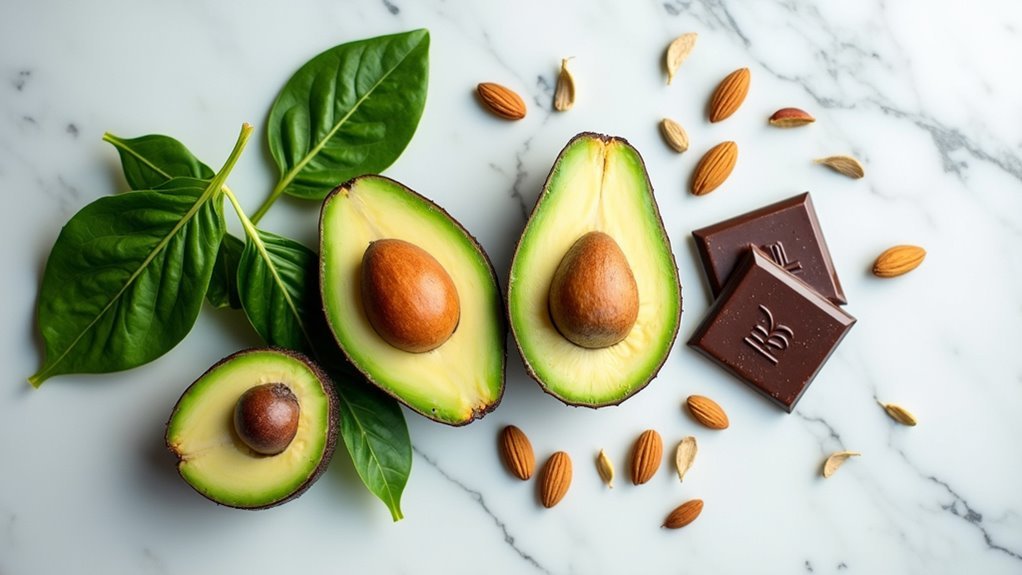
When you’re feeling anxious or overwhelmed, your body’s magnesium levels directly influence how your nervous system responds to stress.
Magnesium regulates neurotransmitters that send messages throughout your brain, affecting your mood and anxiety levels. When you don’t get enough magnesium through dietary intake, your body produces more cortisol, the stress hormone that worsens anxiety symptoms.
This essential mineral participates in over 300 biochemical reactions that control nerve function. Low levels trigger increased stress response and make relaxation difficult.
You’ll notice heightened anxiety symptoms when your magnesium stores are depleted because your nervous system can’t properly manage stress signals. Maintaining adequate magnesium levels helps your body’s natural stress response function effectively, promoting calmness and reducing the physiological effects of anxiety on your system.
Dark Chocolate: A Delicious Anxiety-Fighting Treat
You’ll find that dark chocolate isn’t just a tasty indulgence—it’s actually packed with magnesium that can help calm your anxious mind.
The antioxidants in quality dark chocolate work overtime to protect your brain from stress-related damage while supporting better mood regulation.
When you’re choosing dark chocolate for anxiety relief, you’ll want to reach for varieties containing at least 70% cocoa solids to maximize these mental health benefits.
Magnesium Content Benefits
Dark chocolate offers one of the most enjoyable ways to boost your magnesium content while fighting anxiety symptoms. Each ounce delivers approximately 65 mg of magnesium, providing 15% of your daily value to support nerve and muscle function.
The flavanols in dark chocolate improve blood flow and lower stress hormones, directly benefiting your mental health.
You’ll maximize these benefits by choosing varieties with at least 70% cocoa solids. The powerful antioxidants neutralize free radicals that contribute to neuroinflammation linked to anxiety disorders. This enhances your cognitive function while promoting relaxation.
Incorporating dark chocolate into your healthy diet satisfies sweet cravings while delivering therapeutic compounds. It’s a delicious strategy to reduce anxiety naturally while supporting overall wellness through essential mineral intake.
Antioxidant Stress Protection
Beyond its impressive magnesium content, dark chocolate delivers powerful antioxidant compounds that create a protective shield against stress-induced damage in your body.
These antioxidants neutralize harmful free radicals that contribute to oxidative stress, which can worsen anxiety and other mood disorders.
When you’re experiencing chronic stress, your body produces excess free radicals that damage cells and disrupt normal brain function.
Dark chocolate’s antioxidants combat this process, supporting your mental health through:
- Reducing neuroinflammation that contributes to anxiety symptoms
- Improving blood flow to brain regions controlling mood
- Protecting neural pathways from oxidative damage
- Supporting cellular repair mechanisms during stressful periods
- Enhancing your body’s natural stress-fighting capabilities
Choose dark chocolate with at least 70% cocoa solids to maximize these protective benefits for ideal anxiety management.
Optimal Cocoa Percentage
When selecting dark chocolate for anxiety relief, the cocoa percentage on the package becomes your most important guide to therapeutic benefits.
You’ll want to choose dark chocolate containing at least 70% cocoa solids to maximize magnesium content and flavonoids that support your mental well-being. Higher cocoa percentages deliver more concentrated amounts of these anxiety-fighting compounds, with approximately 65 mg of magnesium per ounce helping calm your nervous system.
The increased cocoa content also provides more antioxidants that neutralize stress-causing free radicals in your body.
These powerful flavonoids improve blood flow to your brain, directly enhancing your mood and reducing anxiety symptoms.
Remember that a few squares daily of 70% or higher cocoa dark chocolate offers the perfect balance between therapeutic benefits and delicious satisfaction for your mental health routine.
Leafy Greens That Support Mental Calmness
You’ll find that leafy greens like spinach and kale pack impressive magnesium levels that directly support your mental well-being.
Spinach delivers about 158 mg of magnesium per cooked cup, while kale offers similar anxiety-fighting benefits through its rich nutrient profile.
The way you prepare these greens can maximize their calming effects, making them powerful allies in your natural anxiety management strategy.
Spinach Magnesium Content Benefits
Spinach stands out as a nutritional powerhouse for anxiety relief, delivering an impressive 158 mg of magnesium per cooked cup—that’s 37% of your daily value in a single serving. This exceptional magnesium content directly supports your brain health by regulating neurotransmitters that enhance mood and promote mental calmness.
Spinach offers multiple anxiety-fighting benefits:
- High magnesium concentration supports muscle and nerve function essential for relaxation
- Neurotransmitter regulation helps alleviate anxiety symptoms naturally
- Rich iron, manganese, and vitamins A, C, and K boost overall brain health
- Beneficial plant compounds protect brain cells from inflammation
- Versatile preparation options make daily consumption convenient and enjoyable
You can easily incorporate spinach into salads, smoothies, or cooked dishes, making it an accessible way to combat anxiety through nutrition.
Kale Anxiety-Fighting Properties
While kale contains less magnesium than spinach at 47 mg per cooked cup, this nutritional superstar delivers powerful anxiety-fighting properties that make it an essential addition to your mental wellness diet.
This magnesium content helps your muscles relax and promotes natural calmness throughout your body.
Beyond magnesium, kale’s rich antioxidants like quercetin and kaempferol actively reduce inflammation and oxidative stress, which can lower your anxiety levels.
The leafy greens also pack vitamins A, C, and K that support mood regulation and overall mental health.
You’ll benefit from kale’s fiber content too, as it strengthens your gut-brain connection by aiding digestion and potentially boosting serotonin production.
Regular consumption of this anxiety-busting vegetable supports sustained mental well-being.
Best Preparation Methods
When you’re preparing leafy greens to maximize their anxiety-fighting benefits, the cooking method you choose directly impacts how much magnesium your body can absorb.
- Cook spinach to break down oxalates – This enhances magnesium absorption and delivers 158 mg per cooked cup.
- Steam collard greens instead of boiling – Steaming preserves more nutrient content while providing 36 mg of magnesium per cup.
- Sauté kale for dual benefits – You’ll get magnesium plus vitamins A, C, and K that support mental health.
- Add raw spinach to smoothies – This preserves magnesium while maintaining fiber and antioxidants.
- Combine leafy greens with healthy fats – Olive oil or avocado enhances absorption of fat-soluble vitamins for better overall nutrient uptake.
Nuts and Seeds for Natural Stress Relief
If you’re looking for a convenient way to boost your magnesium intake naturally, nuts and seeds offer an exceptional solution for managing anxiety and stress.
Cashews provide 83 mg of magnesium per ounce, supporting mood regulation, while pumpkin seeds deliver an impressive 168 mg per ounce. These powerhouse foods also contain antioxidants that protect against oxidative stress.
You’ll benefit from eating a daily handful of nuts, which improves blood sugar control and cholesterol levels—both essential for stress management.
Brazil nuts offer selenium alongside magnesium, reducing anxiety-related inflammation.
Don’t overlook chia and flaxseeds, which boost your omega-3 fatty acids intake. This combination of magnesium and omega-3s creates a synergistic effect that further enhances mental health and anxiety reduction.
Avocados: Creamy Comfort for Anxious Minds
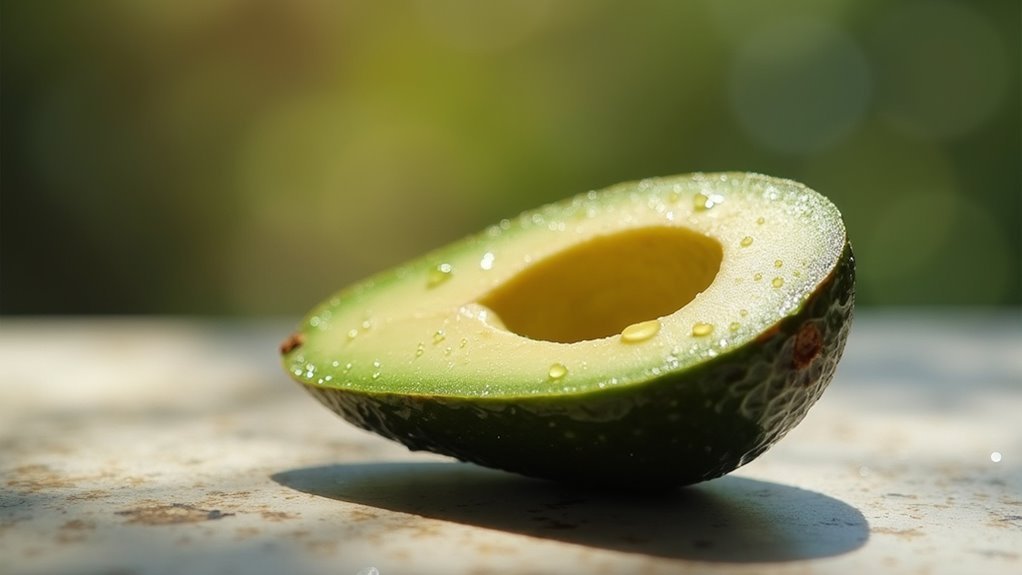
You’ll find that avocados pack an impressive 58 mg of magnesium per medium fruit, delivering about 14% of your daily value to help calm your anxious mind.
The monounsaturated fats in this creamy fruit don’t just taste good—they actively fight inflammation and support mood stability by keeping your heart and brain healthy.
When you eat avocados regularly, their high fiber content helps maintain steady blood sugar levels, preventing those energy crashes that can trigger anxiety spikes.
Magnesium Content Benefits
One medium avocado delivers 58 mg of magnesium—roughly 14% of your daily needs—making it a creamy ally in your fight against anxiety. This impressive magnesium content works directly to reduce anxiety by supporting your nervous system’s natural calming mechanisms.
When you incorporate avocados into your balanced diet, you’re boosting magnesium levels while gaining additional anxiety-fighting benefits:
- Heart-healthy monounsaturated fats promote lasting satiety, curbing stress-driven snacking
- High potassium content supports ideal brain health and neurological function
- B vitamins enhance cognitive performance and mood regulation
- Fiber aids in stabilizing blood sugar levels, preventing anxiety-triggering spikes
- Creamy texture provides psychological comfort during stressful moments
These healthy foods offer a multi-layered approach to anxiety management beyond just magnesium supplementation.
Stress-Fighting Healthy Fats
Beyond magnesium content alone, avocados pack a powerful punch of monounsaturated fats that directly combat stress and anxiety at the cellular level.
These healthy fats reduce inflammation throughout your body, creating an environment where your mind can naturally calm itself. When you eat avocados regularly, you’re supporting ideal nerve function through their potassium and B vitamins, which help stabilize your mood during stressful moments.
The fiber in avocados promotes gut health, strengthening the vital gut-brain connection that influences your anxiety levels.
You’ll also experience sustained energy and fullness, preventing those blood sugar crashes that often trigger anxious thoughts. By incorporating avocados into your meals, you’re giving your body the tools it needs to reduce anxiety and enhance mental well-being naturally.
Blood Sugar Stability
When your blood sugar levels spike and crash throughout the day, anxiety often follows in their wake. Avocados offer a powerful solution for maintaining stability and supporting your mental health. Each medium avocado delivers 58mg of magnesium—14% of your daily value—which directly helps stabilize blood sugar levels and reduces anxiety symptoms.
Here’s how avocados support blood sugar stability:
- Monounsaturated fats prevent dramatic spikes that trigger anxiety
- High fiber content slows glucose absorption for steady energy
- Magnesium helps regulate insulin sensitivity and glucose metabolism
- Potassium supports healthy blood pressure during stress
- Creamy texture provides comfort without processed sugar crashes
You’ll find that incorporating avocados into your meals creates sustained energy throughout the day, keeping both your blood sugar and anxiety levels balanced naturally.
Legumes That Balance Mood and Energy
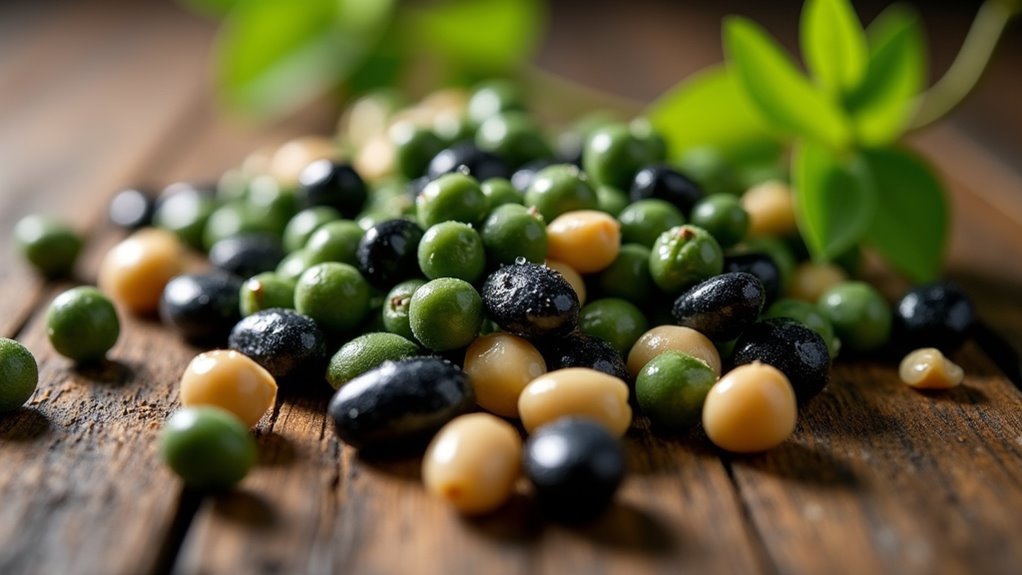
Legumes pack a powerful nutritional punch that directly supports your mental well-being through their impressive magnesium content and mood-stabilizing properties.
Black beans deliver approximately 120 mg of magnesium per cup, providing 29% of your daily value for ideal mood regulation and energy balance. You’ll benefit from their high fiber content, which stabilizes blood sugar levels and prevents anxiety-triggering mood swings throughout your day.
These plant-based protein powerhouses contain essential amino acids that boost serotonin production, naturally enhancing your mood.
Their low glycemic index maintains steady energy levels, reducing fatigue and irritability that often accompany anxiety.
Whole Grains for Steady Mental Health Support
Whole grains serve as nutritional anchors for sustained mental wellness, delivering consistent magnesium levels that support your brain’s natural anxiety-fighting mechanisms. These complex carbohydrates maintain stable blood sugar, preventing energy crashes that trigger anxious feelings.
- Quinoa, brown rice, and oats provide approximately 86mg magnesium per cooked cup
- Complex carbohydrates stabilize blood sugar levels for balanced mood regulation
- Anti-inflammatory properties reduce risk factors linked to anxiety and depression
- High fiber content supports gut health through the gut-brain axis connection
- Sustained energy release prevents mood-disrupting spikes and crashes
Since 95% of serotonin receptors reside in your gut, whole grains’ fiber content directly impacts your mental health. By incorporating these magnesium-rich foods into your daily meals, you’re supporting nerve function and emotional stability naturally.
Fatty Fish Rich in Magnesium and Omega-3s
Fatty fish deliver a powerful dual-action approach to anxiety management by combining magnesium with omega-3 fatty acids in one nutrient-dense package.
Salmon, mackerel, and halibut provide approximately 30 mg of magnesium per 3.5 oz serving, contributing 7% of your daily value. The omega-3 fatty acids in these fish regulate neurotransmitters and reduce inflammation, both vital for alleviating anxiety symptoms.
You’ll experience enhanced brain health benefits when magnesium and omega-3s work together to improve mood and emotional responses.
Regular consumption of fatty fish—at least two servings weekly—is linked to better mental health outcomes, including reduced anxiety and depression. Including these nutrient-rich fish in your balanced diet guarantees adequate intake of both essential nutrients for naturally calming anxiety.
Bananas: Quick Magnesium for Instant Calm
While fatty fish requires preparation and planning, bananas offer an incredibly accessible source of magnesium you can grab anytime anxiety strikes. One large banana delivers 37mg of magnesium, providing about 9% of your daily value to help reduce anxiety naturally.
Bananas support your mental well-being through multiple pathways:
- Magnesium content promotes calmness and reduces anxiety symptoms
- Vitamin B6 supports serotonin production for better mood regulation
- High fiber content stabilizes blood sugar, preventing anxiety-triggering drops
- Natural sugars provide quick energy to combat anxiety-related fatigue
- Portable convenience makes them perfect for on-the-go anxiety management
You’ll find bananas work quickly because they combine magnesium with mood-supporting nutrients.
Keep them handy for instant calm when stress levels rise.
Tofu and Soy Products for Plant-Based Anxiety Relief
If you’re following a plant-based diet, you’ll find tofu and other soy products are excellent sources of magnesium that can help manage your anxiety.
A 3.5-ounce serving of tofu provides 35 mg of magnesium—about 8% of your daily needs—while supporting muscle relaxation and serotonin production.
You can easily incorporate these versatile protein sources into various dishes, making it simple to boost your magnesium intake naturally.
Tofu’s Magnesium Content
When you’re searching for plant-based anxiety relief, tofu emerges as an excellent source of magnesium, delivering approximately 35 mg per 3.5-ounce serving—that’s about 8% of your daily value.
This complete protein doesn’t just offer magnesium for mental health support—it’s packed with additional minerals that enhance your overall well-being:
- Calcium – supports nerve transmission and muscle function
- Iron – helps oxygen transport to reduce fatigue-related anxiety
- Manganese – aids in neurotransmitter production
- Complete amino acids – provide building blocks for mood-regulating proteins
- Versatile preparation options – easily incorporated into various meals
Regular tofu consumption can help regulate cortisol levels through its nutritional profile.
You’ll find it simple to add this anxiety-fighting food to stir-fries, smoothies, or salads for sustained magnesium intake.
Plant-Based Anxiety Benefits
Beyond providing essential magnesium, tofu and other soy products offer a thorough approach to plant-based anxiety management that extends far beyond single-nutrient benefits.
When you’re following a plant-based diet, you’ll find that soy products deliver complete proteins essential for neurotransmitter production, directly supporting mood regulation.
Tofu’s combination of magnesium, protein, and healthy fats creates a powerful trio that stabilizes blood sugar levels, preventing anxiety spikes caused by glucose fluctuations.
You’ll experience enhanced satiety from tofu’s protein content, which helps maintain steady energy throughout the day.
This stability reduces stress-related cortisol production while supporting your nervous system’s natural calming mechanisms.
Signs Your Anxiety Might Be Linked to Magnesium Deficiency
Although anxiety can stem from various sources, recognizing the physical signs of magnesium deficiency may help you identify whether your symptoms are connected to this essential mineral shortage.
When your body lacks adequate magnesium, it struggles with regulating neurotransmitters and maintaining proper nerve and muscle function. This deficiency can manifest as various anxiety symptoms that you mightn’t immediately connect to nutrition.
Watch for these warning signs that your anxiety might be linked to magnesium deficiency:
- Persistent muscle cramps, numbness, or tingling sensations
- Chronic fatigue and weakness despite adequate rest
- Poor appetite combined with increased stress levels
- Heightened anxiety alongside mood disorders like depression
- Physical tension that doesn’t respond to typical relaxation methods
Incorporating high magnesium foods into your diet may help address these underlying deficiencies.
Daily Magnesium Requirements for Optimal Mental Health
Understanding how much magnesium your body needs can help you target your dietary choices to better support your mental health. Adult men require 400-420 mg daily, while women need 310-320 mg to maintain ideal mental wellness and reduce anxiety symptoms.
Unfortunately, about half of Americans don’t meet these requirements, contributing to increased mood issues and anxiety levels.
If you’re an older adult, you’ll need to pay extra attention to magnesium intake since absorption naturally decreases with age. Those with Type 2 diabetes or gastrointestinal conditions may require higher amounts to combat deficiency-related anxiety.
Magnesium directly influences neurotransmitters that regulate mood, making adequate intake essential for mental health. Meeting these daily requirements through magnesium-rich foods can meaningfully improve your anxiety management and overall emotional well-being.
Foods That Block Magnesium Absorption and Worsen Anxiety
While getting enough magnesium matters for anxiety management, certain foods that block magnesium absorption can sabotage your efforts by blocking absorption or depleting your body’s stores.
These problematic foods can worsen anxiety symptoms by preventing your body from utilizing this essential mineral effectively:
- High levels of calcium sources like dairy products interfere with magnesium uptake, potentially creating deficiencies that heighten anxiety.
- Processed foods containing refined sugars and unhealthy fats cause inflammation and poor gut health, impairing absorption.
- Excessive alcohol consumption depletes magnesium stores while hindering absorption, increasing stress responses.
- Caffeine from coffee and energy drinks blocks absorption and promotes nervousness.
- Phytates in whole grains and legumes bind magnesium, reducing bioavailability.
Limiting these foods helps maximize your magnesium intake’s anxiety-reducing benefits.
Creating an Anti-Anxiety Meal Plan With Magnesium-Rich Foods
Creating a structured meal plan with magnesium-rich foods transforms your daily eating habits into a powerful tool for anxiety management.
Start your morning with a spinach smoothie that delivers 158 mg of magnesium per cooked cup.
For lunch, incorporate black beans into soups or tacos, providing 120 mg of magnesium alongside quality protein.
Keep almonds or cashews handy for afternoon snacks, offering 80-83 mg of magnesium per ounce to stabilize your mood throughout the day.
Sprinkle pumpkin seeds on salads or yogurt for an exceptional 168 mg of magnesium per ounce, plus brain-healthy omega-3s.
End your day with dark chocolate containing at least 70% cocoa, delivering 65 mg of magnesium while supporting mood regulation through antioxidants.
Frequently Asked Questions
What Kind of Magnesium Is Best for Anxiety?
You’ll find magnesium glycinate works best for anxiety because it’s highly bioavailable and calms your nervous system. Magnesium citrate’s also effective, absorbing easily while promoting relaxation and reducing tension naturally.
What Foods Reduce Anxiety?
You can reduce anxiety by eating spinach, legumes, nuts, and dark chocolate with 70% cocoa. Try pumpkin seeds, quinoa, oats, and avocados too—they’re packed with magnesium and nutrients that naturally calm your nervous system.
Which Food Is Highest in Magnesium?
You’ll find pumpkin seeds contain the highest magnesium content at 168 mg per ounce, providing 40% of your daily value. They’re followed by cooked spinach and almonds as excellent magnesium sources.
What Food Has Magnesium for Anxiety?
You’ll find anxiety-fighting magnesium in cooked spinach, almonds, pumpkin seeds, black beans, and quinoa. These foods don’t just boost your magnesium intake—they’ll help calm your nerves naturally.


Leave a Reply