
Hemp seeds boost your immunity through their exceptional zinc content, providing 25-35% of your daily zinc requirements in just one 30-gram serving. This essential mineral activates your T lymphocytes, which coordinate your body’s defense mechanisms against infections. You’ll benefit from hemp seeds’ unique 3-to-1 omega fatty acid ratio that enhances zinc absorption while reducing inflammation. Their complete protein profile and antioxidants create synergistic immune-boosting effects that strengthen your natural defenses more effectively than many other plant sources.
Understanding Zinc’s Critical Role in Immune Function
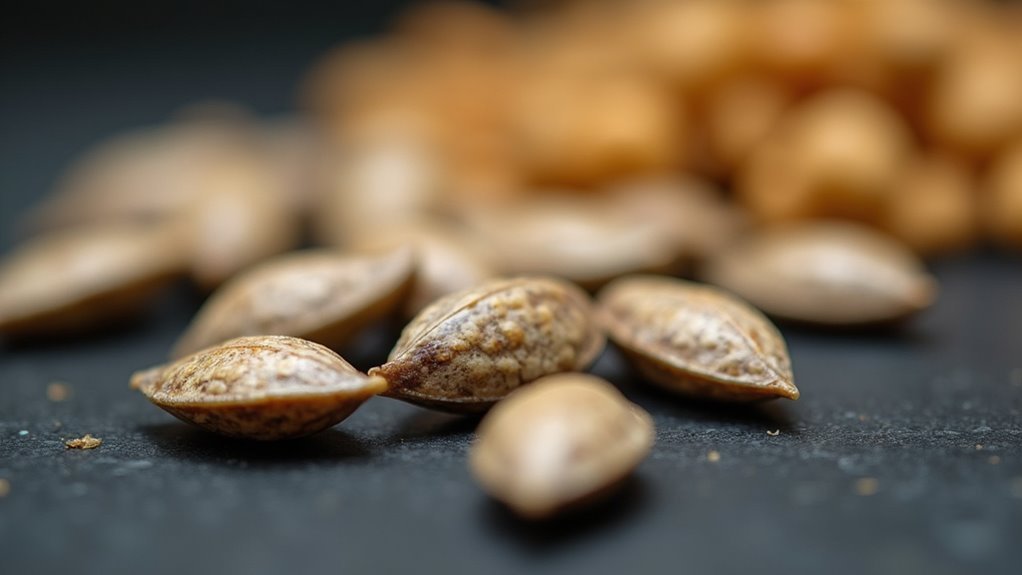
Your immune system’s frontline defense depends heavily on zinc, a trace mineral that powers the development and activation of T lymphocytes and other essential immune cells.
When you don’t get adequate zinc intake, your body struggles to mount effective responses against infections, leaving you vulnerable to illness.
Zinc functions as a powerful antioxidant, shielding your cells from oxidative stress and inflammation that can weaken immune health.
It’s vital for producing and activating the immune cells that protect you daily.
Hemp seeds offer excellent dietary sources of this important mineral, providing plant-based protein alongside immune-supporting zinc.
For those following vegetarian diets, hemp seeds become particularly valuable since many zinc-rich foods are animal-based.
Your immune system thrives when you consistently consume zinc through diverse, nutrient-dense sources.
Hemp Seeds: A Complete Nutritional Profile for Immunity
Beyond their impressive zinc content, hemp seeds deliver a powerhouse combination of nutrients that work synergistically to strengthen your immune defenses.
You’ll get nearly 10 grams of complete protein per serving, providing all nine essential amino acids your immune system needs to function effectively. The omega-3 fatty acids reduce inflammation while supporting your body’s natural defense mechanisms.
Hemp seeds contain essential vitamins like vitamin E and antioxidants that combat oxidative stress, protecting your immune cells from damage. The dietary fiber promotes gut health, which directly impacts immunity since 70% of your immune system resides in your digestive tract.
This thorough nutritional profile makes hemp seeds an exceptional choice for immune support beyond zinc alone.
Zinc Content in Hemp Seeds Compared to Other Plant Sources
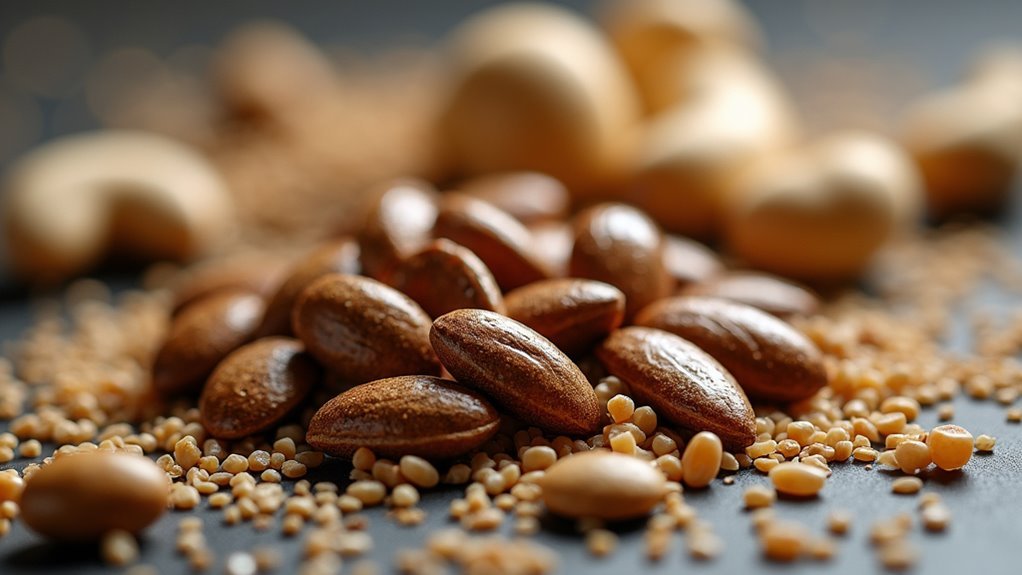
You’ll find that hemp seeds pack an impressive 2.97 mg of zinc per 30-gram serving, outperforming many popular plant-based alternatives.
They contain more than double the zinc found in lentils and offer a more concentrated source compared to chickpeas, pumpkin seeds, and cashews.
This superior zinc density makes hemp seeds an efficient choice when you’re aiming to boost your mineral intake with smaller portions.
Hemp Seeds Zinc Levels
Among plant-based zinc sources, hemp seeds deliver an impressive 2.97 mg of zinc per 30-gram serving, positioning them as a standout option for meeting your daily mineral needs.
These nutritional powerhouses outperform lentils and chickpeas in zinc content, making them particularly valuable for plant-based diets where zinc deficiency concerns often arise.
When you consider the daily zinc intake recommendations of 8 mg for women and 11 mg for men, hemp seeds provide roughly 25-35% of your requirements in just one serving.
Their exceptional nutritional profile extends beyond zinc levels, offering complete proteins and healthy fats that support overall health.
You can easily incorporate hemp seeds into smoothies, salads, or yogurt to boost immune function while enjoying their nutty flavor and versatile texture.
Plant Source Comparisons
Comparing zinc content across plant-based foods reveals hemp seeds’ exceptional nutritional advantage over common alternatives.
You’ll find hemp seeds deliver 2.97 mg of zinc per 30g serving, making them a remarkably rich source for supporting immune responses. When you’re planning your plant-based diet, hemp seeds outperform many popular options in zinc density.
- Lentils: Provide only 1.3 mg zinc per 100g serving
- Chickpeas: Offer around 2.5 mg zinc per cup
- Pumpkin seeds: Contain approximately 2 mg zinc per ounce
- Tofu: Delivers 4 mg zinc per cup but requires larger portions
- Hemp seeds: Concentrate more zinc in smaller servings with added protein
These essential minerals support daily zinc requirements while providing additional health benefits.
Hemp seeds’ compact nutritional profile makes meeting your zinc needs simpler and more efficient.
How Hemp Seed Zinc Activates Immune Cell Response
When zinc enters your body through hemp seed consumption, it immediately begins activating T lymphocytes—the specialized immune cells that serve as your body’s primary defense coordinators.
These T cells regulate your immune response and directly attack infected cells threatening your health. Hemp seeds deliver 2.97 mg of zinc per 30-gram serving, making them excellent dietary sources for maintaining ideal immune function.
This essential mineral stimulates production of various immune cells while acting as an antioxidant to shield them from oxidative damage.
Without adequate zinc, your immune system weakens considerably. Zinc deficiency impairs your body’s ability to generate effective immune responses, leaving you vulnerable to infections.
Hemp seeds provide a reliable, plant-based solution for preventing this deficiency and strengthening your natural defense mechanisms against illness.
Omega Fatty Acids in Hemp Seeds Enhance Zinc Absorption
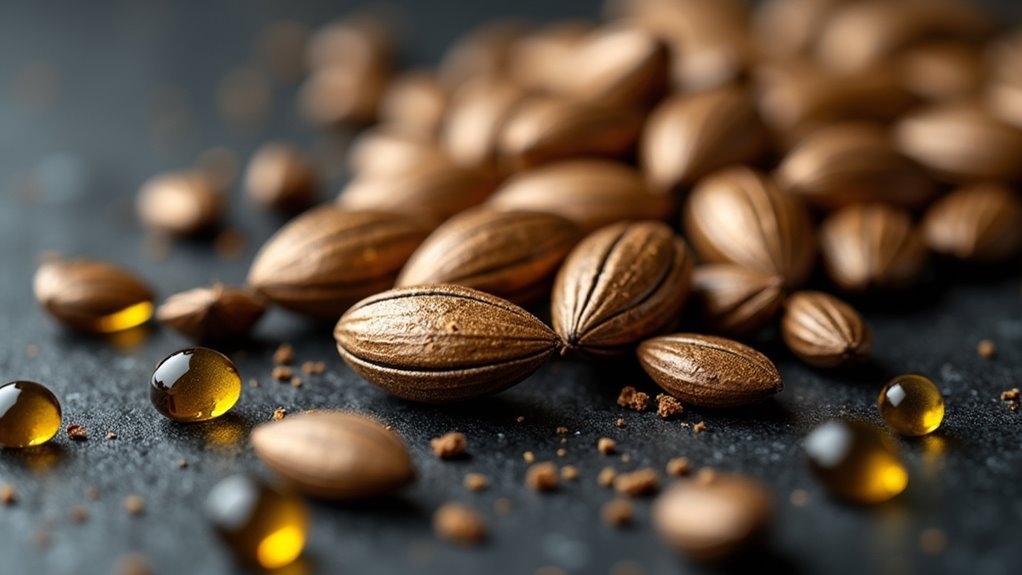
Hemp seeds contain an exceptional 3-to-1 ratio of omega-6 to omega-3 fatty acids that directly enhances your body’s ability to absorb and utilize zinc for immune function.
These omega-3 fatty acids create ideal conditions for zinc bioavailability while supporting T lymphocytes activation.
The anti-inflammatory properties of omega-3s help counteract phytates that typically inhibit zinc absorption in plant foods.
This synergistic relationship between omega fatty acids and zinc creates enhanced immune system efficiency for health maintenance.
- Omega-3 fatty acids improve zinc bioavailability and absorption rates
- Anti-inflammatory properties reduce phytate interference with zinc uptake
- 3-to-1 omega ratio supports ideal immune function
- Enhanced zinc levels boost T lymphocyte activation
- Combined nutrients create synergistic immune-boosting effects
Daily Zinc Requirements and Hemp Seed Serving Recommendations
Understanding these enhanced absorption benefits naturally leads to practical application – specifically how much hemp seeds you need to consume daily to meet your zinc requirements.
You’ll need approximately 90-110 grams of hemp seeds to fulfill complete daily zinc requirements, though that’s impractical for most dietary patterns. Instead, aim for 30-gram servings (3 tablespoons) providing nearly 3mg zinc, covering roughly 27% of men’s needs and 37% of women’s requirements.
Regular consumption of this plant-based source considerably contributes to immune function support.
You can easily incorporate these servings into smoothies, salads, or yogurt without excessive calories. For ideal health benefits, combine hemp seeds with other zinc-rich foods throughout your day, creating a varied approach that enhances overall zinc intake while supporting your body’s natural immunity.
Plant-Based Zinc Bioavailability From Hemp Seeds
How effectively does your body actually absorb zinc from hemp seeds compared to animal sources? Plant-based zinc bioavailability from hemp seeds faces unique challenges due to phytates, which can reduce absorption rates compared to animal-derived zinc.
Hemp seeds contain zinc, but phytates significantly reduce absorption compared to animal-based sources, creating bioavailability challenges for plant-based diets.
However, hemp seeds still contribute meaningfully to your immune health when incorporated into a balanced diet.
- Phytates in hemp seeds bind to zinc, potentially reducing bioavailability by 15-30% compared to animal sources.
- Soaking hemp seeds for 8-12 hours before consumption can considerably decrease phytate levels.
- Sprouting hemp seeds for 2-3 days further enhances zinc absorption while maintaining nutrient density.
- Combining hemp seeds with vitamin C-rich foods can improve zinc uptake in your digestive system.
- Regular consumption compensates for lower bioavailability, supporting consistent immune function over time.
Hemp Seeds’ Anti-Inflammatory Properties Support Immune Health
While zinc absorption sets the foundation for immune support, the anti-inflammatory compounds in hemp seeds create an equally powerful pathway to enhanced immunity.
Hemp seeds contain omega-3 fatty acids and gamma-linolenic acid (GLA) that actively reduce systemic inflammation throughout your body. This anti-inflammatory action directly supports immune health by lowering inflammation markers like C-reactive protein.
Your immune system benefits further from hemp seeds’ rich arginine content, which promotes nitric oxide production and vasodilation.
The extensive nutrient profile includes antioxidants that combat oxidative stress, preventing inflammation-related tissue damage.
When you consume hemp seeds regularly, these anti-inflammatory properties work synergistically with zinc to enhance your body’s immune response, improve recovery rates from infections, and build resilience against chronic diseases.
Combining Hemp Seeds With Other Zinc-Rich Foods
Since hemp seeds alone provide nearly 3 mg of zinc per 30-gram serving, you can amplify your immune support by strategically pairing them with other zinc-rich foods throughout your day.
Combining hemp seeds with chickpeas, lentils, and pumpkin seeds creates powerful nutrient-dense snacks that maximize zinc intake for your plant-based diet.
Strategic food combinations enhance zinc absorption and immune health:
- Mix hemp seeds with cashews or almonds for balanced meals rich in healthy fats and 2 mg additional zinc per ounce
- Pair with fortified cereals to boost overall mineral intake
- Add citrus fruits or bell peppers for vitamin C, which improves zinc absorption
- Create salads combining hemp seeds and pumpkin seeds for maximum zinc density
- Blend into smoothies with fortified plant milks for enhanced nutrient profiles
Scientific Evidence Supporting Hemp Seeds for Immune Enhancement
You’ll find compelling research demonstrating hemp seeds’ zinc content consistently measures around 2.97 mg per 30-gram serving, establishing them as a legitimate plant-based zinc source.
Studies show this zinc concentration effectively supports T lymphocyte activation, which directly strengthens your immune system’s ability to fight infections.
Research also reveals that maintaining adequate zinc levels through foods like hemp seeds can reduce cold duration and improve recovery rates in clinical settings.
Zinc Content Studies
Although zinc deficiency affects nearly two billion people worldwide, hemp seeds offer a concentrated plant-based solution that delivers approximately 2.97 mg of zinc per 30-gram serving.
Research demonstrates that adequate zinc levels from this dietary option can enhance T cell function, strengthening your immune system’s ability to fight infections effectively.
Studies reveal zinc’s powerful impact on immune health:
- Zinc supplementation reduces common cold duration and severity by up to 40%
- Low zinc levels increase illness susceptibility by compromising immune cell production
- Hemp seeds provide more bioavailable zinc than many plant sources
- Soaking hemp seeds for 4-6 hours increases zinc absorption rates
- Sprouting hemp seeds can boost zinc bioavailability by 25-30%
These preparation methods maximize hemp seeds’ immune-boosting potential for ideal health benefits.
Immune Function Research
Scientific research consistently validates hemp seeds’ immune-enhancing properties through multiple clinical studies and laboratory investigations.
You’ll find that dietary zinc from this plant-based source directly activates T lymphocytes, which are critical for mounting effective immune responses against pathogens.
Clinical trials demonstrate that adequate zinc intake reduces cold duration and severity, while COVID-19 studies show improved recovery rates in hospitalized patients receiving zinc supplementation.
Hemp seeds provide 2.97 mg of zinc per 30-gram serving, supporting your immune function through enhanced wound healing and skin barrier protection.
The anti-inflammatory properties of zinc help reduce systemic inflammation, creating ideal conditions for immune system performance.
These health benefits make hemp seeds particularly valuable for vegetarians and vegans seeking reliable zinc sources.
Practical Ways to Incorporate Hemp Seeds for Maximum Zinc Benefits
How can you seamlessly integrate hemp seeds into your daily routine to maximize their zinc benefits? These versatile seeds offer numerous ways to boost your immune system while enhancing your diet’s nutritional profile.
- Breakfast Enhancement: Add hemp seeds to smoothies or oatmeal for a morning zinc boost of approximately 2.97 mg per 30g serving, supporting your immune health from day’s start.
- Meal Toppers: Sprinkle hulled hemp seeds on salads or soups to incorporate their nutty flavor while increasing zinc intake effortlessly.
- Cooking Oils: Use hemp seed oil in dressings as a finishing touch for healthy fats without extra calories.
- Protein Powders: Blend hemp protein into shakes or baked goods for dual health benefits.
- Strategic Pairing: Combine with zinc-rich legumes like chickpeas for maximum absorption.
Frequently Asked Questions
Are Hemp Seeds a Good Source of Zinc?
You’ll find hemp seeds are an excellent zinc source, providing 2.97 mg per 30-gram serving. They’re especially valuable for vegetarians and vegans since you’ll get roughly 27-37% of your daily zinc requirements.
Are Hemp Seeds Good for the Immune System?
Yes, hemp seeds are excellent for your immune system. They’re packed with zinc, which activates your T cells to fight infections. You’ll also get complete proteins that help produce antibodies and repair tissues naturally.
What Do Hemp Seeds Do to Your Body?
Hemp seeds provide your body with essential nutrients including high-quality protein, healthy fats, zinc, and fiber. They’ll support your muscle development, reduce inflammation, strengthen your immune system, and promote digestive health throughout your body.
Is Hemp Seed Oil High in Zinc?
No, you won’t find much zinc in hemp seed oil. The extraction process removes minerals, leaving mainly healthy fats. You’ll get zinc from whole hemp seeds instead, not the oil.


Leave a Reply