

Almonds and walnuts heal your body through their powerful nutritional compounds that target multiple health systems. You’ll get 76 mg of bone-strengthening calcium per ounce of almonds, plus magnesium that enhances absorption. Walnuts deliver 2.5 grams of anti-inflammatory omega-3 fatty acids that reduce cholesterol and blood pressure. Both nuts provide vitamin E antioxidants that combat cellular damage while their fiber stabilizes blood sugar and supports digestive health. These mechanisms work together to create thorough healing effects throughout your system.
The Mineral Powerhouse of Raw Almonds
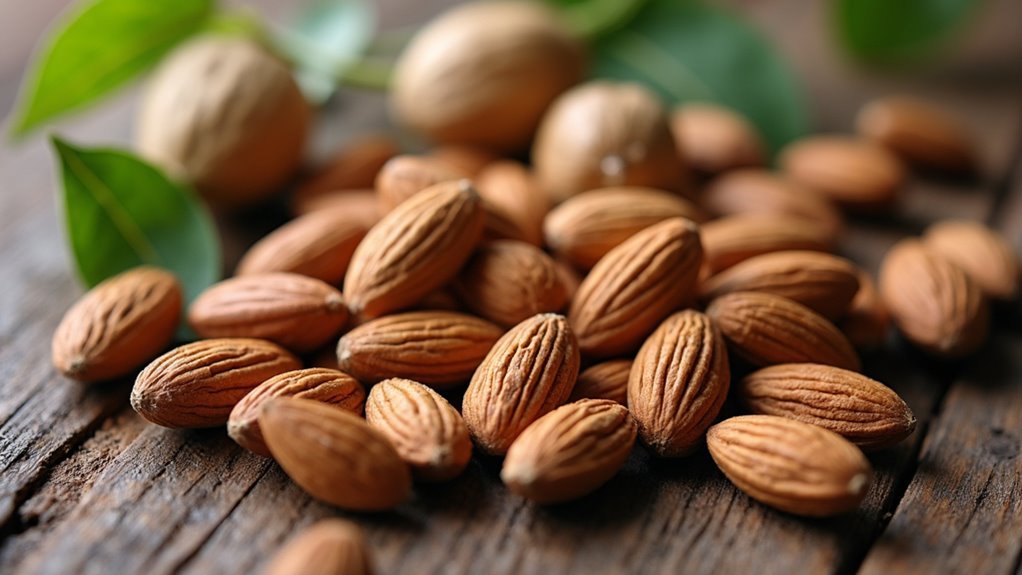
Raw almonds pack an impressive mineral profile that your body craves for ideal health. When you bite into these nutrient-dense nuts, you’re getting 76 mg of calcium per ounce—more than any other nut. This calcium supports your bone health and helps prevent osteoporosis.
Raw almonds deliver 76 mg of bone-building calcium per ounce—more than any other nut your body needs.
You’ll also receive 76 mg of magnesium, which powers your muscle function and energy production while keeping your heart rhythm steady.
The 208 mg of potassium works to balance sodium levels, directly supporting your cardiovascular health by helping reduce blood pressure.
What makes almonds even more powerful is their vitamin E content, which teams up with these minerals to shield your cells from oxidative stress and inflammation, maximizing the health benefits you receive.
Essential Omega-3 Fatty Acids in Walnuts
While almonds excel in minerals, walnuts dominate the omega-3 fatty acids arena with an exceptional 2.5 grams of alpha-linolenic acid (ALA) per ounce—making them the richest plant-based source you’ll find.
These omega-3 fatty acids deliver powerful anti-inflammatory properties that directly reduce blood pressure and enhance cardiovascular function.
Your brain particularly benefits from walnuts’ omega-3 content, with research demonstrating improved cognitive function and neurological support.
Regular walnut consumption actively lowers your LDL cholesterol and triglyceride levels through their healthy fat composition.
The concentrated ALA in walnuts greatly contributes to heart health, potentially reducing your risk of heart disease and stroke when you incorporate them into a balanced diet.
You’re fundamentally consuming one of nature’s most potent omega-3 sources.
Magnesium Content and Cardiovascular Protection
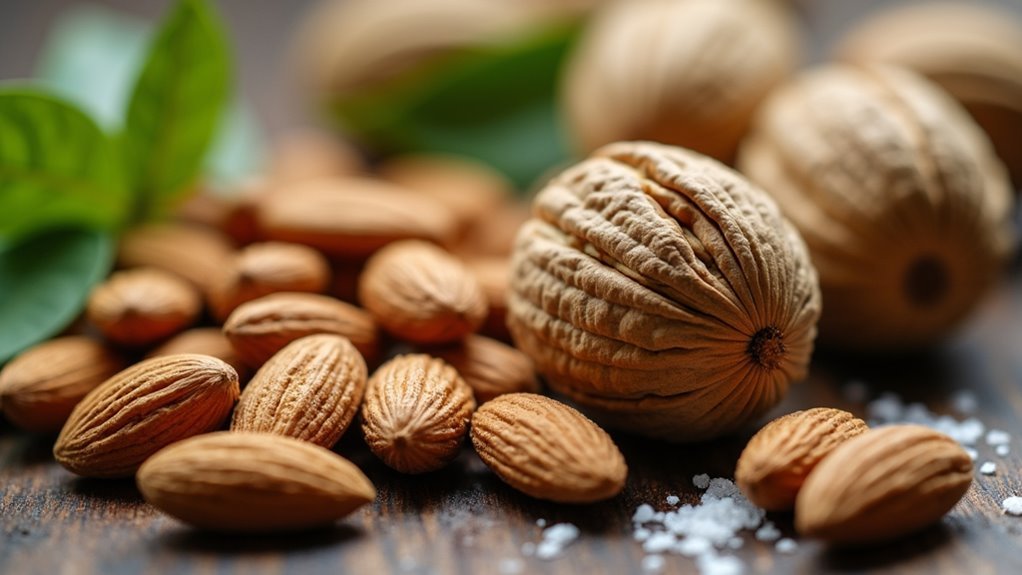
You’ll discover that magnesium acts as a powerful guardian for your heart, helping relax blood vessels and regulate blood pressure naturally.
Almonds pack an impressive 76 mg of magnesium per ounce, while walnuts contribute 45 mg, both working to support your cardiovascular system’s ideal function.
This essential mineral doesn’t just protect your heart—it actively helps maintain healthy cholesterol levels and reduces your risk of developing hypertension.
Magnesium’s Heart Protection Role
Magnesium deficiency affects nearly 50% of Americans, making the mineral content in almonds and walnuts particularly valuable for cardiovascular protection.
When you consume these nuts regularly, you’re delivering essential magnesium that actively relaxes your blood vessel walls and reduces hypertension risk. This mineral prevents arterial calcification while maintaining normal heart rhythms, directly lowering your chances of developing heart disease.
Almonds provide 76 mg of magnesium per ounce, while walnuts offer 45 mg, both contributing greatly to your daily needs.
This magnesium intake reduces inflammation throughout your cardiovascular system and improves your lipid profiles. You’ll experience better blood pressure regulation and enhanced muscle function, as magnesium supports proper cardiovascular health by maintaining healthy blood vessels and preventing dangerous arterial buildup.
Almond Magnesium Content Benefits
One ounce of almonds delivers 76 mg of magnesium—nearly a fifth of your daily requirement—making them a powerhouse for cardiovascular protection.
When you consume almonds, they provide essential magnesium that directly supports your heart health through multiple mechanisms.
Here’s how almond magnesium benefits your cardiovascular system:
- Blood Pressure Regulation – Magnesium helps relax blood vessels, naturally lowering blood pressure and reducing hypertension risk.
- Heart Rhythm Stabilization – This mineral maintains normal heart rhythm while preventing dangerous arrhythmias that can lead to cardiac events.
- Inflammation Reduction – Higher magnesium levels decrease cardiovascular inflammation and improve endothelial function for better circulation.
Regular almond consumption guarantees you’re getting sufficient magnesium to lower heart disease risk and maintain peak cardiovascular function throughout your life.
Walnut Cardiovascular Magnesium Effects
While almonds excel in magnesium content, walnuts deliver their own cardiovascular protection through 45 mg of magnesium per ounce—about 11% of your daily needs.
This magnesium works specifically to relax your blood vessels, reducing hypertension risk and improving blood flow throughout your circulatory system. You’ll benefit from enhanced cardiovascular function as magnesium supports healthy blood pressure regulation.
Research demonstrates that adequate magnesium intake greatly lowers your risk of cardiovascular disease and stroke.
When you incorporate walnuts into your balanced diet, you’re not just boosting magnesium levels—you’re actively reducing inflammation that threatens your heart health.
The cardiovascular protection from walnuts’ magnesium content makes them an essential addition to your heart-healthy eating plan.
Vitamin E as a Natural Antioxidant Shield
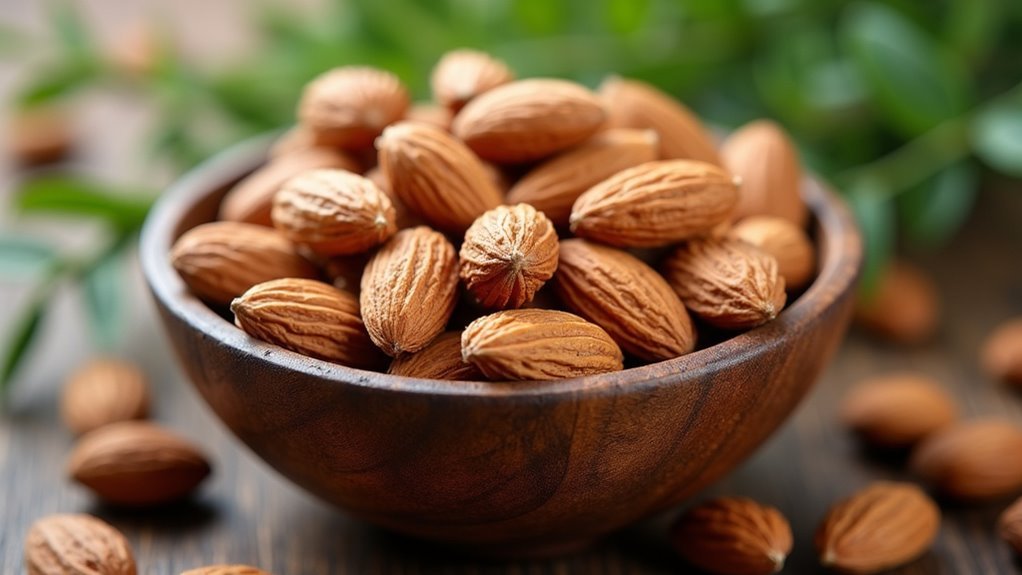
When you’re looking for a natural way to shield your cells from damage, almonds and walnuts deliver impressive amounts of vitamin E that act as your body’s frontline defense against harmful free radicals.
This powerful antioxidant doesn’t just protect your cells—it actively supports multiple aspects of your health.
Your vitamin E intake from these nuts provides three key protective benefits:
- Cellular Protection – Neutralizes oxidative damage that accelerates aging and compromises cell function
- Immune Enhancement – Strengthens immune cell growth and function for better disease resistance
- Chronic Disease Prevention – Reduces risk of heart disease and certain cancers through sustained cellular defense
Almonds pack over 30% of your daily vitamin E needs per ounce, while walnuts contribute additional antioxidant power for extensive health protection.
Calcium for Bone Health and Beyond
You’ll find that almonds pack an impressive 76 mg of calcium per ounce, making them the calcium champion among all nuts and a powerful ally for your bone health.
While walnuts contain less calcium than almonds, they still contribute valuable magnesium that helps your body absorb calcium more effectively.
Meeting your daily calcium requirements becomes easier when you understand how these nutrient-dense nuts can support not just your bones, but your muscles and nerves too.
Almond Calcium Content
Among all tree nuts, almonds stand out as the richest source of calcium, delivering an impressive 76 mg per one-ounce serving. This substantial calcium content makes almonds a powerhouse for bone health and numerous bodily functions.
You’ll benefit from this essential mineral that supports muscle contractions, nerve function, and blood clotting processes.
The health benefits of almonds extend beyond basic nutrition:
- Bone strength support – Regular almond consumption helps you meet your daily calcium RDA of 1,000 mg.
- Enhanced absorption – Almonds’ magnesium content boosts calcium absorption while preventing calcium loss through urine.
- Plant-based alternative – Perfect calcium source if you’re lactose intolerant or following a vegan lifestyle.
Incorporating almonds into your balanced diet provides vital calcium support for best health maintenance.
Walnut Bone Benefits
While almonds excel as a calcium-rich choice, walnuts offer their own impressive bone-supporting benefits that extend far beyond basic calcium content.
Walnuts are rich in calcium and magnesium, two minerals that work together to maintain bone density and structural integrity. You’ll also get omega-3 fatty acids that enhance calcium absorption and promote proper bone mineralization.
The anti-inflammatory properties in walnuts help protect against osteoporosis and other bone-related diseases that commonly affect aging populations.
These healthy nutrients create a thorough approach to bone health that goes beyond simple calcium supplementation. When you consume walnuts regularly, you’re supporting your skeletal system through multiple pathways, making them an excellent addition to your bone-strengthening diet.
Daily Calcium Requirements
Understanding your daily calcium requirements forms the foundation of maintaining ideal bone health throughout your lifetime.
Adults need approximately 1,000 mg of calcium daily, while women over 50 and men over 70 require 1,200 mg to prevent osteoporosis effectively.
Almonds and walnuts contribute notably to meeting these requirements through their natural calcium content:
- Almonds provide 76 mg of calcium per ounce – making them the highest calcium-containing nuts available
- Calcium supports muscle function and nerve signaling – extending benefits beyond just bone strength
- Magnesium in nuts enhances calcium absorption – maximizing your body’s utilization of this essential mineral
You’ll find that consuming adequate calcium from dietary sources like almonds and walnuts helps mitigate age-related bone density loss while supporting blood clotting functions.
Protein Quality and Muscle Repair Benefits
Both almonds and walnuts pack impressive protein content that directly supports your muscle repair and recovery goals. Almonds deliver approximately 6 grams of protein per ounce, while walnuts provide about 4.3 grams.
Almonds and walnuts deliver significant protein per ounce, making them powerful allies for muscle repair and recovery.
You’ll benefit from their high-quality protein containing essential amino acids that your muscles need for effective repair and maintenance after physical activity.
When you’re managing caloric intake, almonds become particularly valuable since they offer substantial protein without excessive calories.
Both nuts also supply healthy fats that enhance hormone production and overall muscle function, creating a thorough recovery package.
The combination of quality protein and beneficial fats makes these nuts ideal for post-exercise nutrition.
You’re getting amino acids for muscle repair alongside fats that support your body’s natural recovery processes, maximizing your fitness results.
Fiber’s Role in Digestive Healing
When you eat almonds and walnuts regularly, you’re getting a significant fiber boost that actively heals and strengthens your digestive system.
The fiber in these nuts doesn’t just promote gut health by feeding beneficial bacteria—it also stabilizes your blood sugar levels and prevents dangerous spikes after meals.
You’ll find that this same fiber works double duty by binding to cholesterol in your digestive tract and helping remove it from your body.
Fiber Promotes Gut Health
While many people focus on protein and healthy fats when choosing nuts, the fiber content in almonds and walnuts plays an essential role in maintaining ideal digestive health.
This fiber content directly impacts your gut health by creating an environment where beneficial bacteria can thrive and multiply.
Here’s how fiber from these nuts transforms your digestive system:
- Supports beneficial bacteria growth – Almonds provide 4 grams of fiber per ounce, while walnuts contribute 2 grams, feeding your gut’s healthy microorganisms.
- Regulates blood sugar levels – Prevents harmful spikes that can disrupt your digestive balance.
- Prevents gastrointestinal disorders – Regular consumption reduces your risk of digestive issues while maintaining regular bowel movements.
You’ll experience improved overall gut function and feel fuller longer, supporting healthy weight management.
Blood Sugar Stabilization
Beyond supporting gut bacteria, the fiber in almonds and walnuts acts as a powerful stabilizer for your blood sugar levels throughout the day. When you consume almonds, you’re getting approximately 4 grams of dietary fiber per ounce, while walnuts provide about 2 grams. This fiber slows sugar absorption, preventing those dramatic spikes that leave you feeling drained.
The combination of fiber and healthy fats in these nuts creates a synergistic effect that enhances your insulin sensitivity. You’ll experience more sustained energy as this powerful duo helps your body process glucose more efficiently.
The prebiotic compounds in both nuts further support blood sugar stabilization by promoting beneficial gut bacteria linked to improved metabolic health, making these nuts essential for managing diabetes and insulin resistance.
Cholesterol Level Reduction
The fiber in almonds and walnuts doesn’t just stabilize blood sugar—it actively combats high cholesterol by intercepting bile acids in your digestive tract.
When you consume these nuts, their fiber binds to bile acids, forcing your liver to use cholesterol to produce new ones. This process directly lowers your LDL cholesterol levels and can reduce the risk of heart disease.
Here’s how fiber transforms these nuts into a cholesterol-fighting healthy snack:
- Almonds deliver 4 grams of fiber per ounce – doubling the cholesterol-lowering power compared to walnuts
- Enhanced gut motility from walnut fiber improves cholesterol elimination through regular bowel movements
- Prebiotic compounds in both nuts feed beneficial bacteria that support ideal cholesterol management
Heart-Protective Compounds in Both Nuts
Although many nuts offer cardiovascular benefits, almonds and walnuts stand out as exceptional sources of heart-protective compounds that can greatly impact your cardiovascular health.
You’ll find these nuts packed with unsaturated fats that actively lower your bad cholesterol while supporting ideal heart health.
Walnuts deliver the highest omega-3 fatty acid levels among all nuts, providing powerful anti-inflammatory properties that regulate your blood pressure.
Meanwhile, almonds supply abundant vitamin E antioxidants that shield your cells from oxidative damage.
You’ll also benefit from phytosterols in walnuts, which block cholesterol absorption in your intestines.
When you consume these nuts regularly, you’re reducing inflammation and improving your artery health, considerably lowering your risk of cardiovascular events through these concentrated protective compounds.
Anti-Inflammatory Properties of Walnut Polyphenols
When you eat walnuts, your gut bacteria transform their polyphenols into powerful compounds called urolithins through a fascinating conversion process.
These urolithins don’t just sit idle—they actively work to suppress inflammatory markers throughout your body, including reducing C-reactive protein levels that signal heart disease risk.
You’ll benefit from this natural anti-inflammatory cascade that starts in your digestive system and extends protection to your cardiovascular health and beyond.
Polyphenol Conversion Process
Once consumed, walnut polyphenols undergo a fascinating transformation within your digestive system that reveals their powerful anti-inflammatory potential.
Your gut microbiota converts these polyphenols into powerful compounds called urolithins, which serve as your body’s natural defense against inflammation.
This conversion process depends on three key factors:
- Your unique gut microbiome composition – Individual bacterial populations determine how effectively you’ll convert polyphenols into beneficial urolithins.
- Regular walnut consumption – Consistent intake elevates urolithin levels in your bloodstream, maximizing anti-inflammatory responses.
- Combined antioxidant action – Walnut polyphenols provide dual protection by acting as antioxidants while converting to urolithins.
These urolithins actively inhibit inflammatory pathways, reducing markers associated with chronic diseases and protecting your cells from oxidative stress.
Urolithin Inflammation Reduction
Urolithins emerge as powerful inflammation fighters once they’re circulating in your bloodstream, targeting specific cellular pathways that drive chronic inflammatory responses.
These metabolites actively modulate key inflammatory markers throughout your body, reducing your risk of developing chronic diseases. When you consume walnuts regularly, you’ll notice improved gut health as urolithins work to balance your microbiome and strengthen intestinal barriers.
Your tissues benefit from sustained anti-inflammatory effects as urolithins accumulate in various organs.
Research demonstrates that consistent walnut intake elevates urolithin levels in your blood, creating lasting protection against inflammatory damage. This natural defense system supports your overall health by addressing inflammation at its source, making urolithins essential allies in maintaining ideal wellness and preventing disease progression.
Blood Sugar Regulation Through Healthy Fats
While blood sugar spikes can wreak havoc on your energy levels and long-term health, almonds and walnuts offer a powerful defense through their unique combination of healthy fats, protein, and fiber.
These nuts work synergistically to stabilize your glucose levels and improve glycemic control.
Here’s how these nutrient-dense nuts regulate your blood sugar:
- Fiber Creates a Protective Barrier – Almonds deliver 4 grams of fiber per ounce, slowing sugar absorption into your bloodstream and preventing dangerous spikes.
- Omega-3s Enhance Insulin Function – Walnuts’ omega-3 fatty acids improve your insulin sensitivity, making your cells more responsive to glucose uptake.
- Magnesium Powers Metabolic Control – Both nuts provide magnesium, supporting better blood sugar regulation and reducing type 2 diabetes risk.
Brain Health and Cognitive Enhancement
Your brain craves the specialized nutrients found in almonds and walnuts, and these powerhouse nuts deliver exactly what’s needed to sharpen your mental edge and protect against cognitive decline.
Walnuts pack omega-3 fatty acids, specifically alpha-linolenic acid, which directly enhances cognitive function and reduces neurodegenerative disease risk. You’ll experience improved memory and mental performance thanks to their potent antioxidants and anti-inflammatory compounds.
Almonds contribute vitamin E, which shields against cognitive decline while supporting overall brain health.
When you consume both nuts regularly, their healthy fats, antioxidants, and phytosterols work together to combat oxidative stress and inflammation that damages brain cells.
Walnuts’ polyphenols and melatonin also improve sleep quality, ensuring peak cognitive function throughout your day.
Weight Management and Metabolic Benefits
Beyond their cognitive benefits, almonds and walnuts serve as powerful allies in your weight management journey, delivering the perfect combination of protein, fiber, and healthy fats that naturally suppress appetite and boost metabolic efficiency.
Almonds particularly excel at targeting stubborn waistline fat while promoting sustained fullness. Their 4 grams of fiber per ounce stabilizes blood sugar and cholesterol levels, supporting ideal metabolic health.
While walnuts show promise for weight loss, almonds demonstrate superior research-backed results for reducing visceral fat linked to heart disease and diabetes.
Here’s how these nuts transform your metabolism:
- Appetite Control: High protein and fiber content keeps you satisfied longer
- Fat Burning: Healthy fats regulate metabolism and target dangerous belly fat
- Blood Sugar Stability: Fiber prevents energy crashes that trigger cravings
Potassium for Blood Pressure Control
When your blood pressure readings climb into dangerous territory, the potassium powerhouse found in almonds and walnuts can become your cardiovascular system’s best defense mechanism.
You’ll get 208 mg of potassium from one ounce of almonds, while walnuts deliver 125 mg per ounce. This essential mineral actively counteracts sodium’s harmful effects, helping you maintain healthier blood pressure levels naturally.
Your heart health greatly improves when you consume adequate potassium regularly. This crucial nutrient reduces your stroke and heart disease risks while promoting better cardiovascular function.
Phytosterols and Cholesterol Reduction
Phytosterols in almonds and walnuts work as nature’s cholesterol-blocking agents, mimicking cholesterol’s structure to prevent its absorption in your intestines. These plant compounds effectively compete with dietary cholesterol, reducing the amount that enters your bloodstream and ultimately lowering your overall cholesterol levels.
Nature’s cholesterol blockers in almonds and walnuts compete with dietary cholesterol, preventing absorption and reducing levels in your bloodstream.
When you regularly consume these nuts, you’ll experience significant cardiovascular benefits:
- Almonds deliver high concentrations of beta-sitosterol – this specific phytosterol has proven effectiveness in clinical studies for reducing both total and LDL cholesterol levels.
- Walnuts provide diverse phytosterols – their variety of compounds work together to promote heart health and lower harmful cholesterol.
- Both nuts reduce cardiovascular disease risk – incorporating them into your balanced diet creates a protective effect against heart-related health issues.
Frequently Asked Questions
What Happens if I Eat Almonds and Walnuts Every Day?
You’ll boost your heart health, enhance brain function, and support weight management. You’re getting healthy fats, protein, fiber, and antioxidants that reduce inflammation and improve metabolic health when consumed daily.
What Do Walnuts and Almonds Do for Your Health?
Walnuts and almonds boost your heart health by lowering bad cholesterol and reducing inflammation. They’ll stabilize your blood sugar, support brain function, protect your skin from damage, and improve digestion through fiber.
Do Walnuts Have Healing Properties?
You’ll find walnuts possess remarkable healing properties through their omega-3 fatty acids, antioxidants, and phytosterols. They’ll reduce inflammation, combat oxidative stress, lower cholesterol, and support your brain health while promoting better sleep patterns.
Are Almonds and Walnuts Anti-Inflammatory?
You’ll find that almonds and walnuts are indeed anti-inflammatory. They’re packed with antioxidants, omega-3s, vitamin E, and polyphenols that actively reduce inflammation markers and help combat chronic inflammatory conditions.


Leave a Reply