
Cultured vegetables heal gut inflammation by delivering beneficial probiotics like Lactobacillus rhamnosus and Bifidobacterium lactis that actively reduce 19 inflammatory proteins, including interleukin 6. These fermented foods strengthen your gut barrier function while producing short-chain fatty acids that repair intestinal permeability. The fermentation process creates powerful bacteriocins and bioactive compounds that combat harmful microorganisms and enhance nutrient absorption. Consuming 1/4 to 1/2 cup daily restores microbial diversity and transforms your digestive system into an anti-inflammatory powerhouse with remarkable therapeutic potential.
The Science Behind Fermented Vegetables and Gut Healing
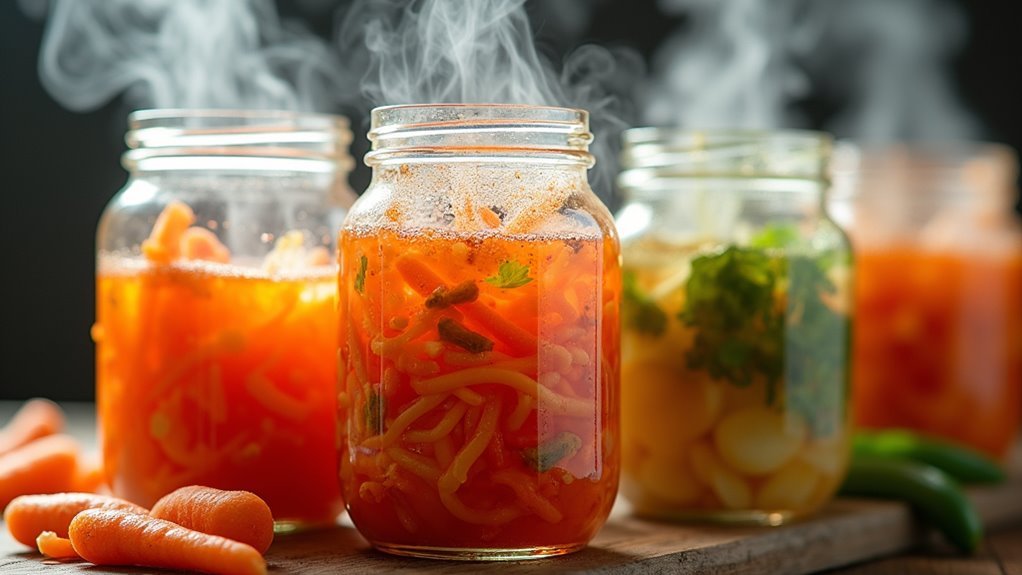
While you might think of fermented vegetables as simple pickled foods, these cultured powerhouses actually function as living medicines for your digestive system. When you consume fermented vegetables like sauerkraut and kimchi, you’re delivering beneficial probiotics that dramatically enhance your gut health by increasing microbial diversity and reducing inflammation.
The fermentation process transforms ordinary vegetables into therapeutic foods by creating beneficial bacteria and increasing nutrient bioavailability.
Research demonstrates that eating fermented vegetables decreases 19 inflammatory proteins, including interleukin 6, which contributes to chronic inflammatory conditions. These probiotics restore your gut microbiome balance, reducing inflammation and strengthening immune responses.
Fermented vegetables reduce 19 inflammatory proteins while restoring gut microbiome balance and strengthening your body’s immune responses.
The enhanced nutrient absorption supports overall gut healing, making fermented vegetables essential tools for combating digestive inflammation and promoting peak intestinal health.
Understanding Gut Inflammation and Its Root Causes
Before you can effectively address gut inflammation through cultured vegetables, you need to understand what’s actually happening inside your digestive system. Your gut becomes inflamed when triggered by processed foods, chronic stress, infections, or microbiome imbalances. This inflammation isn’t just uncomfortable—it’s linked to serious conditions like IBD, IBS, obesity, and diabetes.
Your microbiome plays a critical role in controlling inflammatory responses. When you have low microbial diversity, your body produces heightened inflammation that can damage your intestinal lining. The root cause often stems from modern lifestyle factors that disrupt your beneficial bacteria.
However, you can counteract this damage. Probiotics from cultured vegetables help reduce inflammation markers while restoring healthy gut balance and promoting healing throughout your digestive system.
How Fermentation Creates Powerful Healing Compounds
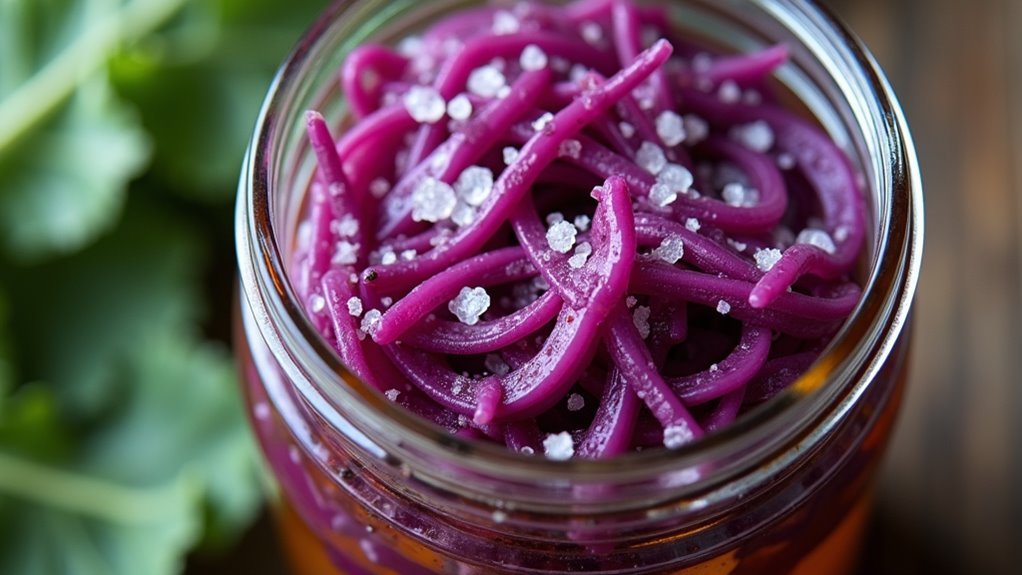
When you ferment vegetables, you’re triggering a complex microbial transformation that fundamentally changes their chemical composition.
The beneficial bacteria break down plant compounds and create entirely new molecules that aren’t present in fresh vegetables. This process generates powerful anti-inflammatory compounds that can directly target gut inflammation and promote healing throughout your digestive system.
Microbial Transformation Process
Fermentation transforms ordinary vegetables into potent healing foods through a sophisticated microbial dance that’s been occurring for thousands of years.
When you start the fermentation process, beneficial bacteria break down sugars in vegetables, creating organic acids and gases that don’t just preserve the food—they generate powerful healing compounds.
Lactic acid bacteria take center stage during this transformation, producing bacteriocins that actively fight harmful microorganisms while supporting your gut microbiome.
These fermented vegetables become rich in bioactive compounds, including antioxidants and anti-inflammatory agents that directly target gut inflammation.
- Bacteria convert vegetable sugars into beneficial organic acids and protective compounds
- Bacteriocins produced during fermentation inhibit harmful bacteria growth
- Bioactive antioxidants and anti-inflammatory agents develop naturally
- Nutrient availability increases as fermentation breaks down absorption inhibitors
- Gut microbiome diversity improves through regular consumption
Anti-Inflammatory Compound Formation
Beyond the basic preservation benefits, something remarkable happens at the molecular level during fermentation—your vegetables undergo a complete biochemical makeover that creates entirely new healing compounds.
Beneficial bacteria like Lactobacillus work as your microscopic chemists, transforming ordinary plant matter into potent medicine. They produce bioactive compounds such as phenolic acids and flavonoids, which deliver powerful anti-inflammatory properties directly to your digestive system.
These probiotics don’t just preserve your food—they enhance it. The fermentation process boosts vitamin levels, particularly B vitamins and vitamin K, which actively modulate inflammation and support gut health.
You’re fundamentally getting a concentrated dose of healing compounds that target gut inflammation while simultaneously introducing beneficial microbes that continue working long after you’ve eaten them.
Probiotic Strains That Target Inflammatory Pathways
Although gut inflammation affects millions worldwide, specific probiotic strains offer targeted relief by directly modulating inflammatory pathways in your digestive system.
These beneficial bacteria work strategically to calm inflammation and restore balance.
These beneficial bacteria work strategically to calm inflammation and restore balance in your digestive system.
Lactobacillus rhamnosus and Bifidobacterium lactis actively suppress inflammatory cytokines, reducing gut inflammation at the cellular level.
Meanwhile, Lactobacillus plantarum strengthens your gut barrier function, preventing harmful bacteria translocation and decreasing systemic inflammation.
- Lactobacillus rhamnosus suppresses inflammatory cytokines effectively
- Bifidobacterium lactis reduces gut inflammation at cellular levels
- Lactobacillus plantarum enhances gut barrier function considerably
- Fermented foods like kimchi promote diverse microbiome development
- Probiotic supplementation increases anti-inflammatory compound production
Research shows these probiotic strains lower interleukin-6 levels, a key inflammatory marker.
The Role of Beneficial Bacteria in Restoring Gut Barrier Function
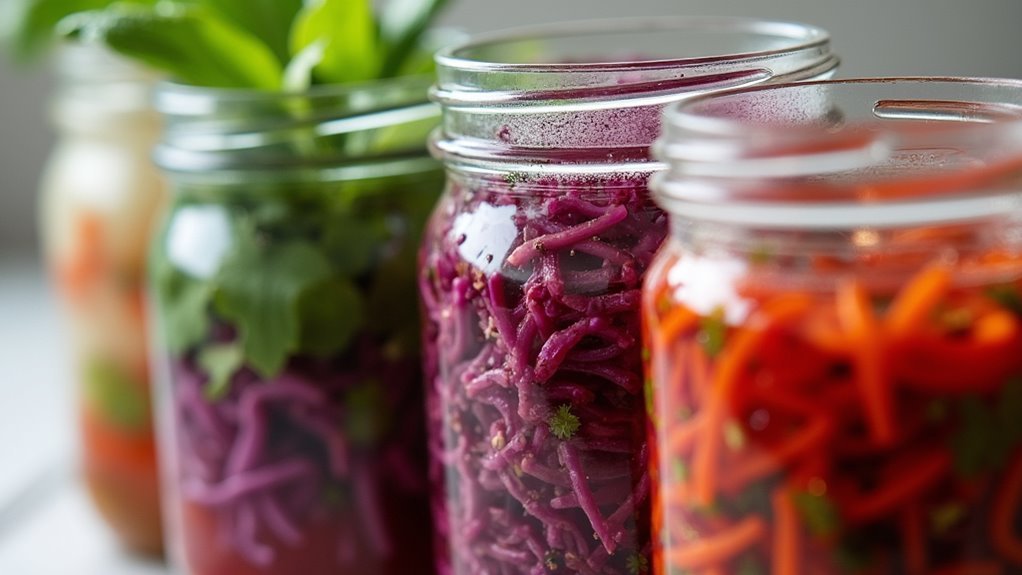
When you consume cultured vegetables, the beneficial bacteria they contain work directly to repair and strengthen your compromised gut barrier.
These probiotic strains produce short-chain fatty acids that reduce intestinal permeability while creating a protective environment where harmful pathogens can’t establish themselves.
You’ll experience enhanced barrier function as the diverse microbial community from fermented foods competes with inflammatory bacteria and promotes ideal gut wall integrity.
Probiotic Barrier Restoration
As you consume cultured vegetables, the beneficial bacteria they contain immediately begin working to restore your gut’s protective barrier.
These probiotics actively enhance your epithelial integrity while reducing intestinal permeability that often leads to systemic inflammation. The beneficial microorganisms promote mucus production, creating a protective layer that shields your gut lining from harmful substances.
Your gut microbiome becomes more diverse through regular consumption of fermented vegetables, which directly correlates with lower inflammation markers like interleukin 6.
The probiotics compete with pathogenic bacteria for space and resources, effectively rebalancing your internal ecosystem.
- Enhanced epithelial integrity reduces gut permeability
- Increased mucus production protects intestinal lining
- Diverse microbiome correlates with reduced inflammation markers
- Probiotics outcompete harmful bacteria for resources
- Regular intake stimulates beneficial immune responses
Microbial Diversity Benefits
Since your gut houses trillions of microorganisms, the diversity of these bacterial communities directly determines your intestinal barrier’s strength and resilience.
When you consume cultured vegetables, you’re introducing beneficial bacteria that dramatically increase your microbial diversity, leading to enhanced gut health and reduced inflammation.
Research demonstrates that fermented foods boost gut microbial diversity, which correlates with improved immune responses and decreased inflammatory immune cell activation.
You’ll experience lower levels of inflammatory proteins like interleukin 6, a key contributor to chronic diseases.
This increased microbial diversity strengthens your gut barrier function while promoting proper nutrient absorption and immune regulation.
The probiotics in cultured vegetables populate your intestinal tract with diverse beneficial bacteria, restoring gut lining integrity and creating an environment that actively combats inflammation.
Sauerkraut’s Anti-Inflammatory Properties and Healing Benefits
Although sauerkraut might seem like a simple side dish, this fermented cabbage powerhouse delivers remarkable anti-inflammatory benefits that can transform your gut health.
The fermentation process creates abundant probiotics that actively restore your microbiome balance, directly targeting inflammation at its source.
When you consume sauerkraut regularly, you’re flooding your system with enhanced nutrients.
Fermentation boosts vitamin C and K bioavailability, strengthening your immune response while reducing inflammatory markers like interleukin-6.
- Probiotics restore gut microbiome balance and reduce systemic inflammation
- Enhanced vitamin C and K support immune function and healing
- High fiber content promotes beneficial bacteria growth
- Regular consumption decreases inflammatory markers linked to chronic conditions
- Improved gut barrier function prevents inflammatory bowel disease onset
Kimchi’s Unique Fermentation Profile for Digestive Recovery
You’ll find kimchi’s fermentation process creates an exceptionally diverse probiotic ecosystem, with multiple Lactobacillus strains working together to restore your gut balance.
The spicy compounds from gochugaru and garlic don’t just add flavor—they actively combat inflammation in your digestive tract while supporting beneficial bacteria growth.
When you consume kimchi that’s fermented for the ideal 3-4 week timeline, you’re getting maximum concentrations of these healing compounds right when your gut needs them most.
Kimchi’s Probiotic Strain Diversity
When kimchi undergoes its traditional fermentation process, it develops an exceptionally diverse ecosystem of probiotic strains that sets it apart from other fermented foods.
You’ll find Lactobacillus kimchii leading this beneficial bacterial community, working alongside multiple other strains to enhance your gut health. These probiotics actively combat inflammation while strengthening your microbiome’s diversity.
The fermentation timeline of several days to weeks allows these strains to multiply and establish a robust bacterial profile that directly targets digestive recovery.
You’re getting a concentrated dose of beneficial bacteria that work synergistically to reduce gut inflammation.
- Lactobacillus kimchii specifically targets digestive inflammation
- Multiple probiotic strains enhance microbiome diversity
- Extended fermentation develops stronger bacterial colonies
- Diverse bacterial ecosystem improves immune function
- Synergistic probiotic action accelerates digestive healing
Spicy Compounds Reduce Inflammation
Beyond the probiotic powerhouse that kimchi’s fermentation creates, the spicy compounds within this Korean staple pack their own inflammation-fighting punch. When you consume kimchi regularly, you’re flooding your digestive system with capsaicin and other heat-generating elements that actively combat gut inflammation.
These spicy compounds work alongside beneficial probiotics to create a dual-action approach for peak gut health. The capsaicin in kimchi’s chili peppers delivers potent anti-inflammatory properties that specifically target inflammatory markers like interleukin-6.
You’ll also benefit from garlic and ginger’s antioxidant effects, which further reduce digestive tract inflammation. This powerful combination doesn’t just mask symptoms – it addresses underlying inflammation while supporting your gut’s natural healing processes and promoting long-term digestive wellness.
Fermentation Timeline Maximizes Benefits
As kimchi’s fermentation timeline unfolds over days to weeks, you’re witnessing a remarkable transformation that enhances digestive benefits through carefully orchestrated bacterial development.
This extended process creates ideal conditions for lactic acid bacteria to flourish, establishing kimchi as one of the most effective fermented foods for gut health. You’ll notice the complex flavors evolving as probiotics multiply, delivering anti-inflammatory compounds that target gut inflammation directly.
- Lactic acid bacteria concentrations increase considerably during extended fermentation periods
- Vitamins A, B, and C become more bioavailable for enhanced digestive absorption
- Longer fermentation produces higher probiotic counts for maximum gut health benefits
- Anti-inflammatory properties strengthen over time, supporting microbiome diversity
- Fermentation timeline directly correlates with inflammation-reducing effectiveness
Cultured Cabbage Varieties That Reduce Intestinal Inflammation
Since cultured cabbage varieties like sauerkraut and kimchi undergo fermentation, they develop powerful anti-inflammatory properties that can transform your gut health.
These fermented cabbage options are packed with probiotics, particularly Lactobacillus bacteria, which actively reduce inflammation markers like interleukin 6 in your intestinal tract.
Lactobacillus bacteria in fermented cabbage actively combat intestinal inflammation by reducing harmful markers like interleukin 6 throughout your digestive tract.
When you consume these cultured vegetables regularly, you’ll enhance your gut microbiome diversity and create a healthier intestinal environment.
The fermentation process doesn’t just add beneficial bacteria—it also increases nutrient bioavailability, making vitamins and minerals easier for your body to absorb. This improved absorption directly contributes to reducing inflammation throughout your digestive system.
Studies show that incorporating fermented cabbage into your diet positively influences immune function, providing additional support for managing gut-related inflammation and promoting long-term digestive wellness.
Fermented Vegetable Enzymes That Aid Digestive Repair
When you consume fermented vegetables, you’re getting powerful enzymes like amylase and protease that your gut produces during the lacto-fermentation process.
These live cultures don’t just break down food particles more effectively—they actually stimulate your body to produce more of its own digestive enzymes.
You’ll find that this dual action helps restore your gut barrier while reducing the inflammation that damages your intestinal lining.
Enzyme Production During Fermentation
While your digestive system works hard to break down food, fermented vegetables provide essential enzymatic support that can dramatically ease this process.
During fermentation, beneficial bacteria transform ordinary vegetables into enzyme-rich powerhouses that actively support digestive repair.
The enzyme production occurs when beneficial bacteria break down sugars and starches, creating specific digestive aids your body needs:
- Amylase enzymes help break down complex carbohydrates more efficiently
- Protease enzymes assist in protein digestion and reduce bloating
- Lipase enzymes improve fat breakdown and absorption
- Enhanced nutrient absorption allows vitamins and minerals to enter your bloodstream easily
- Reduced gut inflammation results from decreased digestive workload
These naturally produced enzymes work alongside your body’s digestive processes, reducing strain on your gastrointestinal tract while promoting healing and reducing inflammatory responses.
Digestive Benefits of Cultures
Although digestive enzymes naturally decline with age and stress, fermented vegetables deliver a concentrated supply of bioactive cultures that actively repair and restore your gut’s damaged lining.
These live probiotics work systematically to reduce inflammation while establishing ideal digestive health conditions. You’ll experience enhanced nutrient absorption as fermentation increases bioavailability of essential vitamins and minerals your gut needs for repair.
The enzymes break down complex carbohydrates that typically cause gastrointestinal discomfort, making digestion smoother and more efficient.
Regular consumption diversifies your gut microbes, strengthening immune function and lowering systemic inflammation markers like interleukin 6.
This protective barrier shields you from chronic inflammatory diseases while promoting sustained gut health recovery through consistent probiotic reinforcement.
Gut Barrier Restoration
As your intestinal lining faces daily assault from toxins, stress, and processed foods, fermented vegetable enzymes act as specialized repair crews that target damaged gut barrier cells.
These powerful enzymes work alongside probiotics like Lactobacillus to strengthen your intestinal wall’s integrity and combat leaky gut syndrome.
The restoration process involves multiple mechanisms that enhance your gut health:
- Beneficial bacteria reduce intestinal permeability by sealing tight junctions between cells
- Short-chain fatty acids production supports cellular repair and reduces inflammation
- Enhanced nutrient bioavailability provides essential building blocks for tissue regeneration
- Antioxidant levels increase through fermentation, protecting against oxidative damage
- Inflammatory markers like interleukin-6 decrease with regular consumption
This thorough approach helps your digestive system rebuild its protective barrier naturally.
Prebiotic Fiber in Cultured Vegetables Supporting Microbiome Balance
When you consume cultured vegetables like sauerkraut and kimchi, you’re feeding your gut beneficial prebiotic fiber that acts as fuel for your microbiome’s health-promoting bacteria.
This specialized fiber becomes even more potent through fermentation, creating an enhanced foundation for gut health and ideal microbiome balance.
You’ll experience increased microbial diversity as prebiotic fiber stimulates probiotic growth throughout your digestive system. This process reduces gut inflammation while strengthening your immune responses.
Regular consumption helps lower inflammatory markers in your body, potentially alleviating symptoms of inflammation-related disorders.
Daily intake of fermented vegetables may significantly reduce inflammatory markers, offering natural relief for inflammation-related health conditions.
The fermentation process doesn’t just preserve these vegetables—it amplifies their fiber content, making them more effective at supporting your digestive system.
You’re fundamentally creating an environment where beneficial gut bacteria can thrive and maintain long-term intestinal wellness.
Clinical Evidence for Fermented Foods Reducing Gut Inflammation
Beyond understanding how these fiber-rich foods work mechanistically, researchers have documented compelling evidence that fermented vegetables deliver measurable anti-inflammatory benefits.
A groundbreaking Cell journal study demonstrated that participants following a 10-week fermented foods diet experienced considerable increases in gut microbial diversity while simultaneously reducing inflammation markers throughout their bodies.
The research revealed decreased levels of 19 inflammatory proteins, including interleukin 6, which you’ll recognize as a key driver of chronic inflammatory diseases.
Larger servings of fermented foods like kimchi produced stronger anti-inflammatory effects compared to high-fiber diets alone.
- Fermented foods increased gut microbial diversity more effectively than fiber-rich diets
- 19 inflammatory proteins decreased considerably after 10 weeks
- Interleukin 6 levels dropped, reducing chronic disease risk
- Larger servings amplified anti-inflammatory benefits
- Immune cell activation measurably decreased
Optimal Serving Sizes and Frequency for Therapeutic Benefits
While establishing the right dosage matters for any therapeutic intervention, fermented foods offer flexibility in how you can incorporate them into your routine.
Research shows you’ll see significant gut health improvements with 1/4 to 1/2 cup of fermented vegetables daily. These ideal serving sizes effectively enhance microbial diversity and reduce inflammation markers like interleukin 6.
Just 1/4 to 1/2 cup of fermented vegetables daily can significantly boost gut health and reduce harmful inflammation markers.
You can maximize health benefits by gradually increasing your intake, allowing your gut microbiome to adapt properly. Larger servings produce stronger therapeutic effects, so you might work up to higher amounts over time.
Consistency matters more than perfection—aim for daily consumption or several times weekly. This regular pattern supports ongoing gut health improvements and helps prevent chronic inflammatory diseases through sustained microbial balance.
Making Your Own Anti-Inflammatory Cultured Vegetables at Home
Since you understand the therapeutic benefits of fermented vegetables, creating your own cultured varieties at home empowers you to control ingredients and maximize anti-inflammatory properties.
You’ll start with fresh, organic vegetables like cabbage, carrots, or beets that deliver essential nutrients and probiotics for ideal gut health.
The fermentation process requires a simple brine solution using 1-3 tablespoons of sea salt per quart of water. This creates the perfect environment for beneficial bacteria to flourish.
- Pack chopped vegetables tightly into sterilized glass jars, leaving one inch headspace
- Cover with fermentation lids or loosely fitted standard lids for gas escape
- Ferment at room temperature for 3-7 days, tasting for desired tanginess
- Refrigerate finished cultured vegetables to preserve probiotics and flavor
- Consume within one month for maximum therapeutic benefits
Combining Cultured Vegetables With Other Gut-Healing Foods
Creating homemade cultured vegetables provides the foundation for building an extensive gut-healing protocol that extends far beyond fermented foods alone. You’ll maximize your gut health benefits by strategically pairing cultured vegetables with complementary foods that work synergistically to reduce inflammation.
| Cultured Vegetables | Pair With | Gut-Healing Benefit |
|---|---|---|
| Kimchi | Black beans | Prebiotics feed probiotics |
| Sauerkraut | Quinoa | Enhanced fiber digestion |
| Fermented carrots | Blueberries | Antioxidant protection |
| Cultured beets | Spinach | Reduced oxidative stress |
| Pickled cabbage | Greek yogurt | Amplified probiotic diversity |
These combinations create powerful synergies where prebiotics in high-fiber foods nourish the probiotics in your cultured vegetables. Studies show this approach decreases inflammatory proteins while strengthening immune responses, making your gut-healing efforts considerably more effective than consuming fermented foods alone.
Frequently Asked Questions
Are Fermented Vegetables Good for Your Gut?
Yes, fermented vegetables are excellent for your gut. They’ll boost beneficial bacteria, reduce inflammation, improve nutrient absorption, and enhance your immune response. You’ll experience better digestion and overall gut health with regular consumption.
How Long Does It Take for Fermented Foods to Heal the Gut?
You’ll typically notice gut improvements within a few weeks of eating fermented foods regularly. However, you’ll need consistent consumption for at least 10 weeks to see sustained healing and significant inflammation reduction.
Are Fermented Foods Like Kimchi Really That Good for Your Gut?
Yes, fermented foods like kimchi are excellent for your gut. You’ll benefit from their probiotics, especially Lactobacillus species, which reduce inflammation, improve microbial diversity, and help regulate your microbiome effectively.
Does Eating Fermented Foods Help With Inflammation?
Yes, you’ll reduce inflammation by eating fermented foods. They decrease inflammatory proteins like interleukin 6, increase gut microbial diversity, and reduce immune cell activation, directly improving your body’s inflammatory response.


Leave a Reply