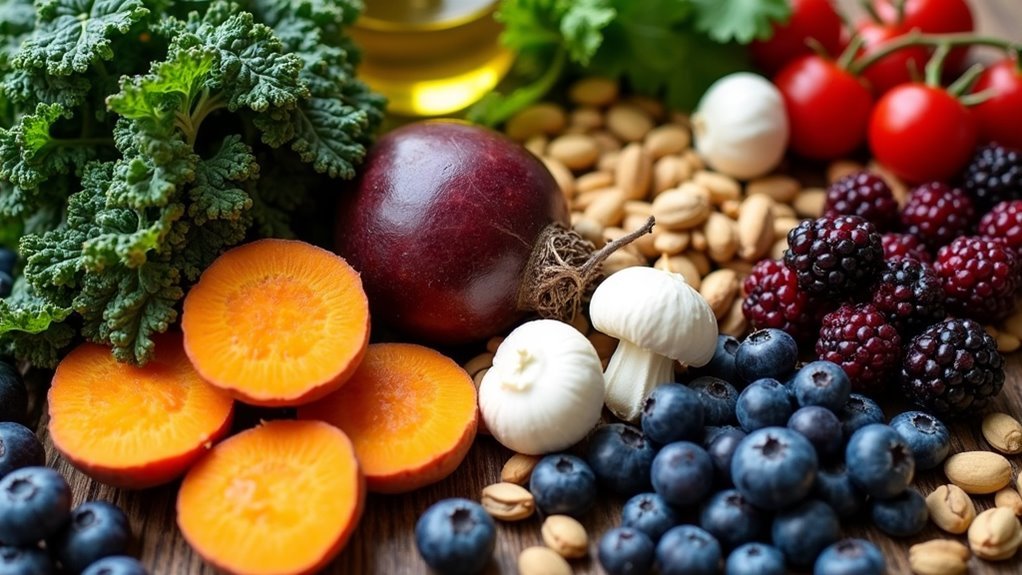
You can boost your bone marrow health naturally by eating protein-rich foods like turkey, lentils, and seafood that support blood cell production. Include iron-dense options such as beef liver, shellfish, and leafy greens paired with vitamin C for better absorption. Don’t forget calcium sources like collard greens, canned salmon, and fortified plant milks. Add antioxidant-rich berries, nuts, and dark leafy vegetables to protect marrow cells from damage. The complete nutritional strategy involves much more nuanced planning.
Understanding Bone Marrow and Its Critical Functions

While you mightn’t think about it often, your bone marrow works tirelessly as one of your body’s most essential manufacturing centers. This soft, fatty tissue inside your bone cavities produces nearly every blood component your body needs to survive.
Your marrow cranks out billions of red blood cells daily, ensuring oxygen reaches every tissue while simultaneously creating white blood cells that fight infections and platelets that control bleeding.
You’ve got two types working for you: red marrow actively produces blood cells, while yellow marrow stores fat and converts when needed.
Your marrow’s health directly depends on proper nutrition—specifically proteins, vitamin B9, vitamin B12, and minerals like iron. Without these healthy building blocks, your blood cell production suffers, potentially leading to serious complications.
Essential Nutrients Your Bone Marrow Needs to Thrive
Since your bone marrow’s remarkable blood-producing capabilities depend entirely on the nutrients you consume, understanding these essential building blocks becomes crucial for maintaining ideal health.
Your bone marrow’s blood-producing power relies entirely on the nutrients you feed it daily.
Your bone marrow requires specific nutrients to manufacture red blood cells effectively. Protein serves as the foundation, with recommendations of 1.4-1.5 grams per kilogram of body weight.
Meanwhile, folic acid and vitamin B-6 work together to support hemoglobin formation and red blood cell production.
Key nutrients for ideal bone marrow health include:
- Protein – 1.4-1.5g per kg body weight for cellular repair
- Iron – 10-20mg daily for red blood cell production
- Folic acid – 0.2-0.4mg daily for DNA synthesis
- Vitamin B-6 – 1.2-1.4mg daily for hemoglobin formation
- Nutrient-dense foods – Leafy greens and seafood for extensive support
Protein-Rich Foods That Support Blood Cell Production
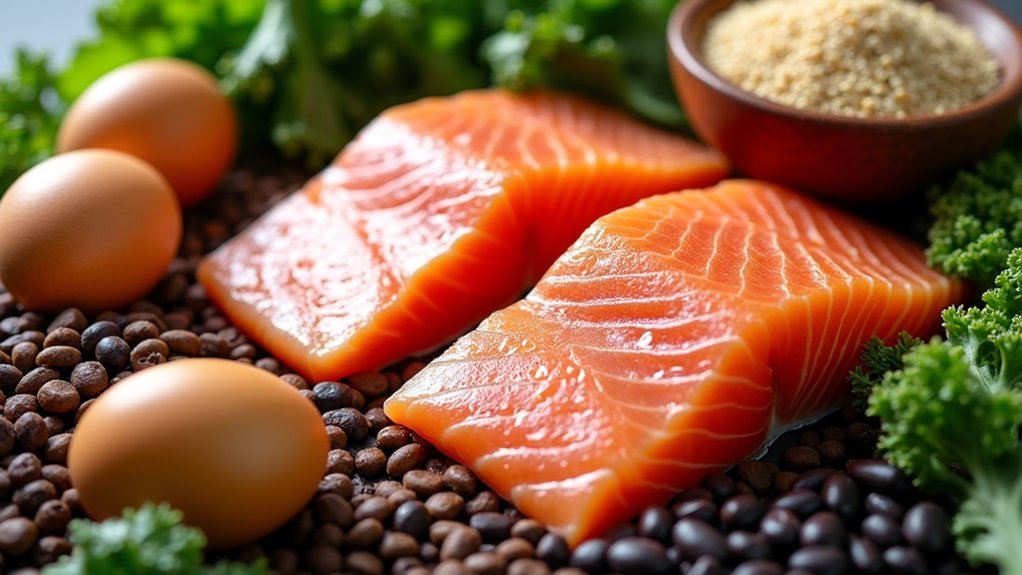
As your bone marrow works tirelessly to produce billions of blood cells daily, the protein you consume becomes the vital building material for this remarkable process.
Turkey stands out as an exceptional choice, delivering high-quality protein alongside phosphorus and vitamin B that directly support bone marrow health.
If you’re vegetarian, lentils provide excellent protein while supplying folic acid that’s necessary for red blood cell generation.
Seafood like tuna and sardines offer another powerful option, combining abundant protein with vitamin B to enhance blood cell production.
You’ll need 46-56 grams of protein daily to maintain ideal bone marrow function.
However, if you’re recovering from bone marrow transplants, increase your daily protein requirement to 1.4-1.5 grams per kilogram of body weight for proper healing.
Iron-Dense Foods for Healthy Red Blood Cell Formation
Your bone marrow needs iron to produce healthy red blood cells, and you’ll find the richest sources in organ meats like liver and shellfish that contain easily absorbed heme iron.
If you prefer plant-based options, you can get non-heme iron from nuts, seeds, and leafy greens, though your body doesn’t absorb it as readily.
You’ll maximize iron absorption from plant sources by pairing them with vitamin C-rich foods like citrus fruits.
Organ Meats Iron Sources
Powerhouses of nutrition, organ meats like liver and kidney deliver exceptional iron content that’s crucial for robust red blood cell production in your bone marrow.
These nutrient-dense foods provide heme iron, which your body absorbs more efficiently than plant-based iron sources.
- Beef liver contains up to 15 milligrams of iron per 3-ounce serving—exceeding daily requirements
- Heme iron from organ meats gets absorbed faster than non-heme iron from vegetables
- Iron deficiency anemia prevention becomes achievable through regular organ meat consumption
- Vitamin A and B vitamins in organ meats support peak healthy bone marrow function
- Complete protein content aids overall bone marrow health and cellular repair processes
You’ll find that incorporating organ meats into your diet effectively combats iron deficiency while providing essential nutrients for sustained bone marrow health.
Plant-Based Iron Options
While organ meats offer superior iron absorption, plant-based sources deliver impressive iron content that effectively supports red blood cell formation in your bone marrow.
Lentils provide 3.3 mg of iron per cooked cup, directly supporting bone marrow health.
Spinach delivers an outstanding 6.4 mg per cooked cup, though oxalates can reduce absorption.
Chickpeas offer 4.7 mg of iron plus folic acid, creating a powerful combination for red blood cell production.
Quinoa contributes 2.8 mg of iron while providing complete protein for all-encompassing nutrition.
Pumpkin seeds pack 2.5 mg of iron per ounce alongside other minerals essential for blood cell formation.
These plant-based options guarantee your bone marrow receives adequate iron for peak function.
Iron Absorption Enhancement
Since your body absorbs only 10% of consumed iron, strategic food combinations become essential for maximizing the 10-20 milligrams you need daily.
Vitamin C-rich foods dramatically enhance iron absorption when paired with dietary iron sources, making hemoglobin production more efficient for healthy red blood cells.
Enhance your iron absorption with these proven strategies:
- Combine leafy vegetables like spinach with citrus fruits or bell peppers
- Pair legumes and nuts with tomatoes or strawberries
- Cook iron-rich meals in cast iron cookware to increase mineral content
- Add lemon juice to your green salads for better nutrient uptake
- Include organ meats with vitamin C-dense side dishes
Cooking with cast iron provides additional dietary iron through natural leaching.
Maintaining consistent dietary sources guarantees your bone marrow receives adequate nutrition for ideal red blood cell formation.
Calcium Sources Beyond Dairy for Bone Marrow Strength
You don’t need dairy to meet your calcium requirements for strong bone marrow function.
Plant-based options like calcium-enriched tofu and white beans deliver substantial amounts of this essential mineral while offering additional nutritional benefits.
Fortified plant milks and other calcium-rich foods can easily help you reach your daily targets without compromising your dietary preferences.
Plant-Based Calcium Sources
Although dairy products often steal the spotlight in calcium discussions, numerous plant-based foods deliver impressive amounts of this bone marrow-supporting mineral. You’ll find excellent plant-based sources that easily fit into your healthy diet.
- Fortified plant milks deliver 350-400 mg of calcium per 8-ounce glass, matching dairy’s nutritional power.
- Tofu, particularly calcium-enriched varieties, provides up to 430 mg per 4-ounce serving while adding versatile protein.
- Dark leafy greens like collard greens offer 357 mg of calcium per cooked cup, plus additional nutrients.
- Canned salmon with edible bones contains 180 mg per 3-ounce serving for non-vegetarians.
- Dried figs contribute 65 mg per two figs, adding natural sweetness to your calcium intake.
These options guarantee you’re meeting your calcium needs without relying solely on dairy products.
Fortified Foods Benefits
Fortified foods transform everyday meals into powerful calcium-delivery systems that support your bone marrow health without requiring major dietary overhauls.
Fortified plant-based drinks like almond and soy milk deliver 350-400 mg of calcium per serving, while fortified breakfast cereals can provide up to 1,000 mg.
You’ll find calcium-set tofu offers 430 mg per 4-ounce serving, doubling as an excellent source of protein for vegetarians.
Canned fish with edible bones contributes 180 mg per 3-ounce serving, supporting bone health naturally.
Even fortified bread becomes a convenient calcium source when made with enriched flour.
These strategic food choices help you meet daily calcium intake requirements while maintaining dietary flexibility and supporting ideal bone marrow function.
Vitamin D and Its Role in Bone Marrow Health

When it comes to maintaining robust bone marrow health, vitamin D stands as one of the most critical nutrients your body needs. This essential vitamin enhances calcium absorption, directly supporting healthy bone marrow function and blood cell production.
Without adequate vitamin D, you’ll face increased risks of weakened bone marrow and decreased cellular activity.
Vitamin D deficiency compromises bone marrow strength and significantly reduces your body’s ability to produce healthy blood cells efficiently.
Key benefits of vitamin D for bone marrow health include:
- Optimizes calcium absorption for stronger bone structure
- Supports efficient blood cell production within marrow
- Reduces osteoporosis risk through improved bone density
- Prevents deficiency-related bone marrow dysfunction
- Enhances overall skeletal system performance
You can obtain vitamin D from various sources including oily fish, egg yolks, fortified foods, and sunlight exposure.
Adults need approximately 400 IU daily, with winter months requiring special attention to maintain healthy levels.
B Vitamins and Folic Acid for Optimal Blood Cell Generation
Beyond vitamin D’s foundational support, B vitamins form the backbone of your bone marrow’s blood cell production machinery. You need adequate B6, B9 (folic acid), and B12 to prevent anemia and maintain ideal blood cell generation.
| B Vitamin | Daily Requirement | Key Function | Food Sources |
|---|---|---|---|
| B6 | 1.2-1.4 mg | Red blood cell production | Fortified cereals, chickpeas |
| Folic Acid (B9) | 0.2-0.4 mg | DNA synthesis/repair | Spinach, leafy greens |
| B12 | 2.4 mcg | Red blood cell maturation | Meat, fish, dairy |
| Combined | Daily intake | Bone marrow health | Brussels sprouts, legumes |
Folic acid’s particularly vital for rapidly dividing bone marrow cells, while B12 guarantees proper red blood cell maturation. You’ll find these nutrients in leafy greens, fortified cereals, and animal products, making regular consumption necessary for preventing deficiencies.
Leafy Greens and Vegetables That Nourish Bone Marrow
While B vitamins provide the biochemical foundation for blood cell production, leafy greens and vegetables deliver a powerhouse of nutrients that directly nourish your bone marrow’s cellular environment.
Your bone marrow health depends on these essential leafy greens and colorful vegetables:
- Spinach and kale – Rich in vitamins A, C, and K that maintain healthy bone marrow and promote blood cell production
- Broccoli – Provides phosphorus for bone marrow support and neutralizes blood toxins
- Swiss chard – Packed with magnesium for bone density and biochemical reactions
- Collard greens – High calcium and vitamin K content for ideal bone function
- Beets and carrots – Deliver antioxidants and phytonutrients that protect marrow cells
You’ll maximize benefits by incorporating diverse colorful vegetables into your daily meals.
Seafood and Fish Rich in Bone-Supporting Nutrients
Ocean-sourced proteins deliver an exceptional combination of nutrients that directly fuel your bone marrow’s production capabilities.
Tuna stands out as an excellent vitamin B source, supporting healthy bone marrow function while contributing to overall bone health. You’ll find sardines particularly beneficial since they provide rich vitamin B content and boost your calcium intake, essential for maintaining strong bones.
Both tuna and sardines pack high-quality protein that’s crucial for maintaining and synthesizing new bone marrow cells.
When you include this seafood in your diet, you’re enhancing phosphorus levels that further benefit bone marrow health. Regular consumption of these nutrient-rich fish links directly to improved blood cell production, thanks to their exceptional vitamin and mineral profiles that specifically target your body’s cellular regeneration processes.
Plant-Based Superfoods for Vegetarian Bone Marrow Support
Plant-based nutrition offers powerful alternatives that can effectively support your bone marrow health without relying on animal products.
These plant-based superfoods deliver essential nutrients that promote red blood cells production and maintain ideal bone marrow function.
- Lentils provide excellent protein and folic acid, vital for generating red blood cells and supporting healthy bone marrow function.
- Spinach delivers iron and folate, essential nutrients that assist in red blood cells production and contribute to overall bone marrow health.
- Broccoli contains phosphorus and vitamins that neutralize blood toxins, supporting bone marrow health and improving well-being.
- Wheatgrass offers high chlorophyll content, promoting healthy bone marrow production and enriching your blood.
- Chickpeas supply protein, folate, and iron, enhancing blood cell generation and bone marrow function.
Antioxidant-Rich Foods That Reduce Bone Marrow Inflammation
Beyond choosing nutrient-dense whole foods, you’ll want to focus specifically on antioxidant-rich options that actively combat inflammation in your bone marrow. Berries top the list, delivering powerful compounds that reduce oxidative stress and promote healthier bone marrow function.
Leafy greens like spinach and kale provide vitamins A and C, protecting your bone marrow cells from damage.
You’ll find excellent support from nuts and seeds, particularly walnuts and flaxseeds, which combine antioxidants with omega-3 fatty acids to fight inflammation.
Dark chocolate with high cocoa content offers flavonoids that enhance bone marrow health by mitigating inflammatory responses.
Don’t overlook vitamin E sources like almonds and sunflower seeds—they lower inflammatory markers while supporting ideal bone marrow function through their antioxidant properties.
Creating a Balanced Diet Plan for Long-Term Bone Marrow Health
You’ll need to identify the essential nutrients your bone marrow requires daily, including adequate protein, iron, B vitamins, and minerals like calcium and phosphorus.
Creating a weekly meal plan helps guarantee you’re consistently getting these critical nutrients from sources like turkey, lentils, leafy greens, and iron-rich foods.
Your long-term bone marrow health depends on maintaining this nutritional consistency rather than relying on sporadic healthy eating.
Essential Nutrient Requirements
When creating a balanced diet plan for long-term bone marrow health, you’ll need to focus on specific nutrients that directly support blood cell production and marrow function.
Your daily intake should prioritize these essential nutrients:
- Protein-rich foods like turkey and lentils that provide essential amino acids and support red blood cell production
- Iron-rich foods including liver, shellfish, and green leafy vegetables for hemoglobin synthesis
- Vitamins B6 (1.2-1.4 mg daily) from poultry and fish to maintain healthy bone marrow function
- Folic acid (0.2-0.4 mg daily) from legumes and fish for proper cell division
- Vitamin D (400 IU daily) for calcium absorption and overall bone health
You’ll also want to include phosphorus-rich vegetables like broccoli, which help neutralize blood toxins and support peak marrow performance.
Weekly Meal Planning
Creating a structured weekly meal plan transforms these nutritional requirements into practical, daily eating habits that consistently support your bone marrow health.
You’ll want to rotate protein sources like turkey, lentils, and fish throughout your week, guaranteeing each meal contains adequate building blocks for healthy marrow synthesis.
Focus your meal planning around iron-rich foods such as liver, shellfish, and leafy greens, targeting 10-20 milligrams daily. Include vegetables like broccoli and Brussels sprouts for their phosphorus content.
Add superfoods like wheatgrass to smoothies or salads for chlorophyll benefits.
Balance each day with folic acid and Vitamin B sources including chickpeas and fortified cereals.
This systematic approach guarantees you’re consistently providing your bone marrow with essential nutrients needed for peak red blood cell production and overall function.
Frequently Asked Questions
How Can I Increase My Bone Marrow Naturally?
You can boost bone marrow naturally by eating protein-rich foods like turkey and lentils, iron-rich options including liver and leafy greens, plus wheatgrass and vitamin B-rich foods like spinach.
Which Food Is Rich in Bone Marrow?
You’ll find bone marrow in beef, lamb, and pork bones. It’s the fatty tissue inside bones that you can roast and eat directly, providing rich nutrients for supporting your body’s natural bone marrow health.
How Do I Replenish My Bone Marrow?
You’ll replenish your bone marrow by eating protein-rich foods like turkey and lentils, consuming iron sources such as liver and leafy greens, and including vitamin B foods like tuna regularly.
What Stimulates Bone Marrow Growth?
You’ll stimulate bone marrow growth by consuming protein-rich foods like turkey, iron sources such as leafy greens, folic acid from spinach, vitamin B from seafood, and phosphorus-containing vegetables like broccoli for ideal production.


Leave a Reply