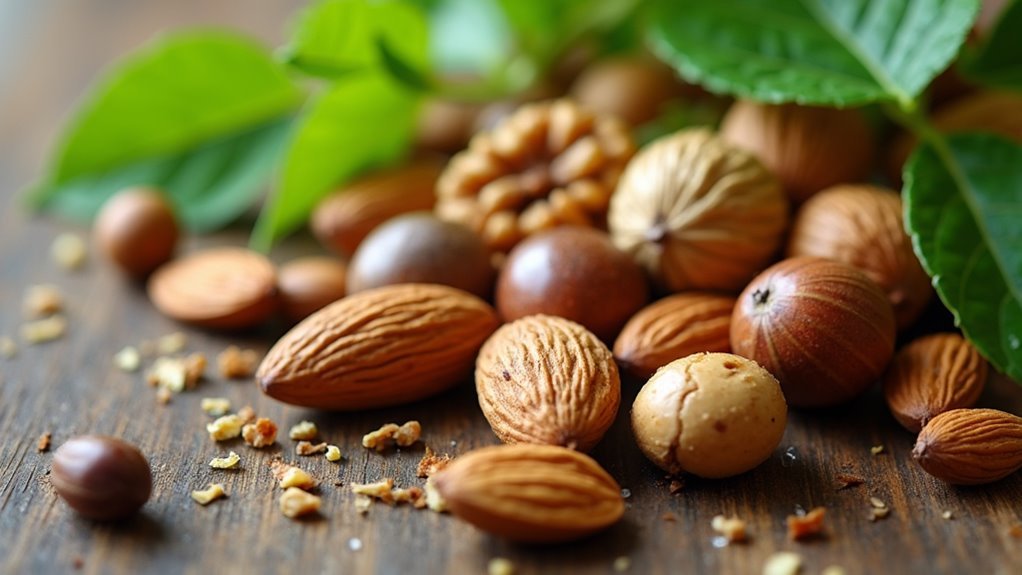
You’ll find excellent folate sources in walnuts (28 mcg per ounce) and peanuts (41 mcg per ounce), which provide essential nutrients your cells need for DNA synthesis and repair during daily regeneration. These nuts also deliver healthy fats, protein, and fiber while supporting the nucleotide production essential for accurate cell division and tissue healing. Strategic pairings like spinach with walnuts can boost your folate intake considerably, and proper storage preserves these critical nutrients for ideal cellular health benefits.
What Makes Nuts Exceptional Sources of Folate
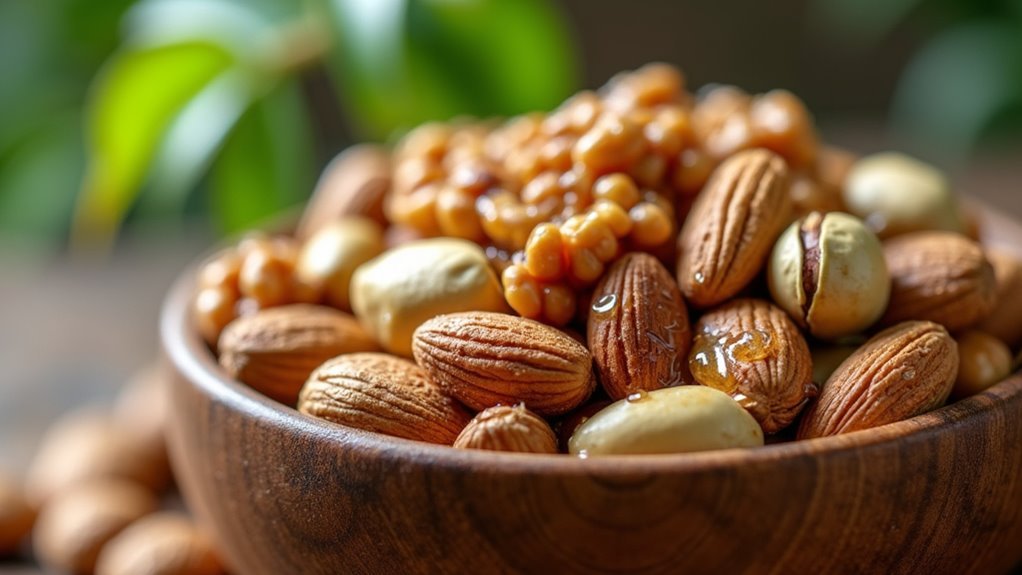
While many people associate folate primarily with leafy greens and fortified grains, nuts stand out as surprisingly rich sources of this essential B vitamin. When you consume just one ounce of walnuts, you’re getting approximately 28 mcg of folate, while peanuts deliver around 41 mcg per ounce.
What makes nuts exceptional isn’t just their folate content—it’s the powerful combination of nutrients they provide. You’ll benefit from healthy fats, protein, and fiber alongside folate, creating a nutritional powerhouse that supports cellular repair and metabolic functions.
The antioxidants in nuts work synergistically with folate to reduce inflammation and promote heart health, making them an ideal choice for maintaining peak cellular function and overall wellness.
The Science Behind Folate and Cellular Repair Mechanisms
When you consume folate-rich nuts, you’re providing your body with the essential building blocks for DNA synthesis, the fundamental process that creates and repairs your genetic material.
Your cells rely on this B-vitamin to accurately replicate DNA strands during cellular division, ensuring each new cell receives a complete and error-free genetic blueprint.
Without adequate folate, you’ll experience disrupted DNA synthesis that can lead to cellular dysfunction and compromised tissue repair throughout your body.
DNA Synthesis Processes
As your cells divide and multiply throughout your body, folate serves as an essential cofactor in the intricate machinery of DNA synthesis and repair. This vital B-vitamin enables your body to create and maintain genetic material during periods of rapid cellular growth.
Your body’s DNA synthesis processes depend on folate through four key mechanisms:
- Nucleotide Production – Folate helps synthesize purines and thymidine, essential building blocks for DNA.
- Methylation Reactions – The active form 5-MTHF converts homocysteine to methionine, supporting gene regulation.
- Error Prevention – Adequate folate levels maintain genomic stability by preventing DNA replication mistakes.
- Damage Repair – Folate supports cellular repair mechanisms that fix oxidative stress damage.
Folate deficiency disrupts these processes, potentially causing megaloblastic anemia and increasing cancer risk through impaired DNA integrity.
Cellular Division Support
Beyond supporting DNA synthesis, folate actively facilitates your body’s cellular division processes by maintaining the delicate balance between cell growth and repair.
During rapid cell division periods, your cells require ideal folate levels to guarantee proper chromosome separation and nucleus formation. Without adequate folate, you’ll experience disrupted cellular division that leads to megaloblastic anemia, where your red blood cells become abnormally large and ineffective.
Folate’s cellular division support becomes critically important during pregnancy, when your body undergoes accelerated tissue growth. Insufficient folate during early pregnancy increases the risk of neural tube defects in developing fetuses.
While folate-rich nuts provide natural sources, many people turn to nutritional supplements to meet increased demands during periods of rapid cellular growth and repair.
Top Folate-Rich Nuts and Their Nutritional Profiles
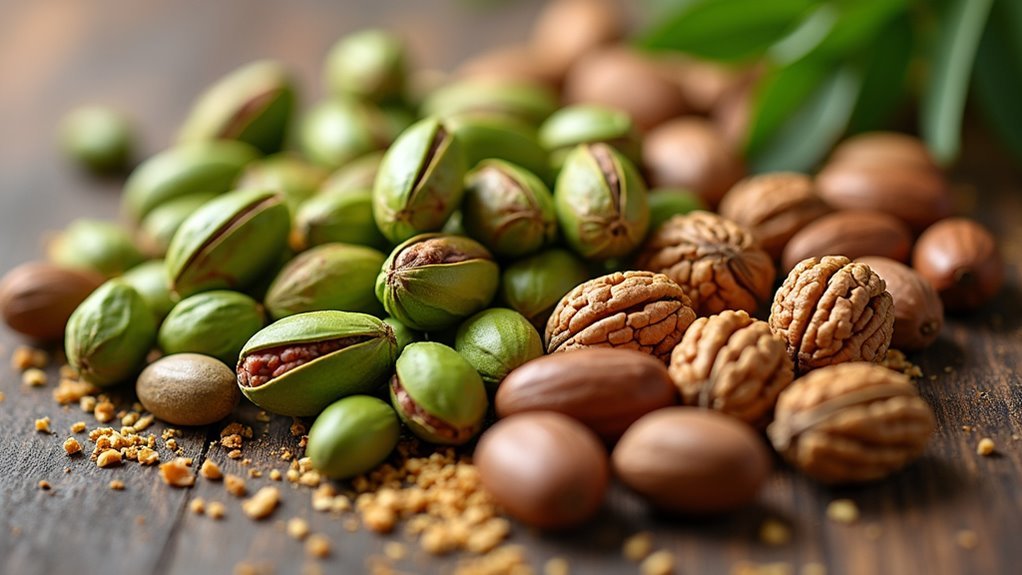
Although you mightn’t think of nuts as a primary folate source, several varieties pack impressive amounts of this essential B vitamin alongside their well-known benefits.
These nutritional powerhouses support cellular repair while delivering healthy fats, protein, and essential minerals your body needs.
Here are the top folate-rich nuts to include in your diet:
- Walnuts – Provide approximately 28 mcg (7% DV) per ounce
- Flax seeds – Contain about 24 mcg (6% DV) per ounce
- Sunflower seeds – Offer solid folate content with additional vitamin E
- Peanuts – Deliver folate along with heart-healthy monounsaturated fats
Understanding these nutritional profiles helps you make informed choices about incorporating nuts into your meals and snacks, ensuring you’re maximizing both folate intake and overall nutrient diversity.
How Walnuts Support DNA Synthesis and Cell Division
You’ll get 28 mcg of folate per ounce when you eat walnuts, directly fueling your body’s DNA synthesis processes.
This folate content enables your cells to produce the nucleic acids they need for proper replication and repair.
Your cellular machinery depends on this B-vitamin to maintain the methylation processes that control gene expression and keep your cells functioning at their best.
Walnut Folate Content
While walnuts mightn’t top the charts as folate powerhouses, they provide a meaningful 28 mcg per ounce—that’s about 7% of your daily folate needs. This modest yet valuable contribution supports your body’s cellular repair mechanisms through enhanced nutrient absorption.
The folate in walnuts works synergistically with their healthy fats and antioxidants to enhance cellular function:
- DNA synthesis enhancement – Supporting new cell production during growth periods
- Homocysteine regulation – Helping reduce cardiovascular disease risk factors
- Cellular maintenance – Facilitating ongoing repair of existing tissues
- Nutrient absorption – Maximizing folate utilization through complementary compounds
You’ll find that incorporating walnuts into your daily routine offers a convenient way to boost folate intake while supporting superior cellular function and overall health maintenance.
DNA Repair Mechanisms
When your cells divide and replicate, they depend on folate’s essential role in nucleotide synthesis—the molecular building blocks that form your DNA’s structural foundation. Walnuts provide 28 mcg of folate per ounce, supplying 7% of your daily value to fuel this critical process.
This folate directly supports DNA synthesis by enabling proper nucleotide formation, ensuring accurate cellular repair during replication cycles. Your body’s genetic integrity relies on adequate folate intake to prevent mutations and maintain stable DNA structures.
The folate in walnuts works alongside powerful antioxidants to create a protective environment for your cells. This dual protection shields your DNA from oxidative damage while simultaneously supporting repair mechanisms.
Regular walnut consumption strengthens your body’s natural ability to fix damaged genetic material, reducing disease risk and promoting ideal cellular health.
Almonds: Powerhouses for Cellular Energy Production
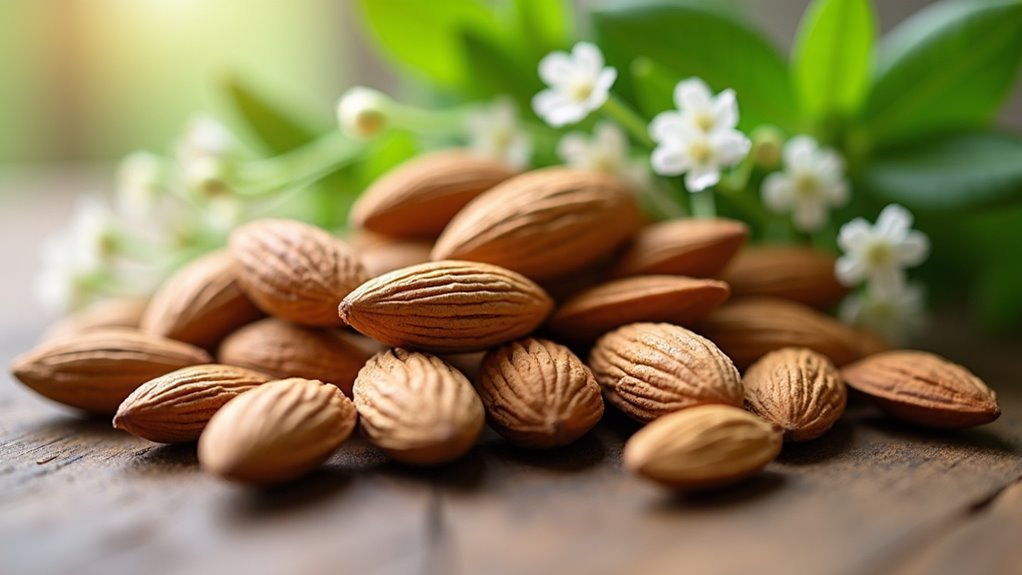
Almonds pack a nutritional punch that extends far beyond their satisfying crunch. These nutrient-dense nuts deliver essential folate alongside powerful compounds that fuel your body’s cellular machinery. With 14 mcg of folate per ounce, almonds contribute meaningfully to your daily nutritional needs while supporting critical cellular health processes.
Your body benefits from almonds’ extensive nutrient profile in multiple ways:
- Energy metabolism – Rich healthy fats and protein support sustained cellular energy production.
- Antioxidant protection – High vitamin E content combats oxidative damage at the cellular level.
- Heart health support – Regular consumption helps regulate cholesterol and reduces inflammation.
- Weight management – High fiber and protein content promote satiety and metabolic efficiency.
You’ll find that incorporating almonds into your diet provides sustained energy while supporting your body’s natural repair mechanisms.
The Role of Folate in Tissue Regeneration and Wound Healing
Although wound healing might seem like a simple process, your body orchestrates an intricate cellular symphony that depends heavily on adequate folate levels.
Folate drives DNA synthesis and repair, which are fundamental for tissue regeneration and effective wound healing. When you maintain adequate folate levels, you’re supporting red blood cell production that delivers oxygen to damaged tissues, accelerating your recovery process.
Folate also powers the methylation process, regulating gene expression and maintaining cellular integrity during cellular repair.
Without sufficient folate, you’ll experience impaired wound healing and face increased complication risks because your body can’t form the new cells necessary for tissue repair.
Combining Nuts With Other Folate-Rich Foods for Maximum Benefits
You can maximize your folate intake by strategically pairing nuts with other folate-rich foods rather than eating them alone.
When you combine walnuts or flax seeds with foods like lentils, spinach, or fortified grains, you’re creating meals that deliver considerably more folate than any single ingredient could provide.
This approach also enhances nutrient absorption since certain vitamins and minerals work together synergistically in your body.
Strategic Food Pairings
Five powerful combinations can transform your daily folate intake from adequate to exceptional. These strategic food pairings maximize your body’s ability to support healthy cell function while delivering thorough nutrition.
You’ll achieve ideal folate absorption through these nutrient-dense combinations:
- Lentils + sunflower seeds – This protein-packed duo delivers 382 mcg of folate per serving while adding substantial fiber.
- Spinach + walnuts – Together they provide 86.2 mcg of folate plus essential minerals for cellular repair.
- Avocado + almonds – This heart-healthy pairing offers 97 mcg of folate with beneficial monounsaturated fats.
- Orange + cashews – You’ll get 79 mcg of folate plus immune-boosting vitamin C.
Each combination guarantees you’re getting diverse nutrients that work synergistically, supporting your body’s folate utilization while creating satisfying foods that nourish every healthy cell.
Synergistic Nutrient Absorption
When you combine nuts with other folate-rich foods, you’re creating powerful synergistic effects that dramatically enhance your body’s nutrient absorption. The healthy fats in nuts act as absorption enhancers, helping your body utilize folate more effectively from leafy greens, legumes, and citrus fruits.
| Nut Type | Folate Partner | Combined Benefits | Absorption Enhancement |
|---|---|---|---|
| Walnuts | Spinach Salad | Maximized bioavailability | Fat-soluble vitamin uptake |
| Almonds | Lentil Dishes | Enhanced methylation support | Nutrient density boost |
| Mixed Nuts | Citrus Fruits | Improved vitamin absorption | Synergistic interactions |
| Cashews | Leafy Greens | Cellular health optimization | Enhanced folate utilization |
These strategic combinations don’t just boost folate intake—they provide balanced protein, fiber, and essential fatty acids that support cellular health and repair processes throughout your body.
Daily Folate Requirements and Optimal Nut Consumption
While most adults need 400 micrograms of dietary folate equivalents (DFE) daily, pregnant women require 600 mcg DFE to support proper fetal development and prevent serious birth defects like spina bifida.
Natural folate from nuts contributes to meeting these daily requirements while supporting cellular repair processes throughout your body.
To optimize your folate intake through nuts:
- Mix walnuts (28 mcg per ounce) with almonds in your morning oatmeal
- Combine nuts with leafy greens and legumes for maximum folate absorption
- Snack on various nuts throughout the day rather than consuming large portions at once
- Choose raw or lightly roasted nuts to preserve their natural folate content
If you have conditions affecting folate absorption like celiac disease, focusing on natural folate sources becomes especially important for maintaining adequate levels.
Folate Deficiency Signs and How Nuts Can Help
Fatigue that won’t lift despite adequate sleep often signals your body’s struggling with folate deficiency, a condition that affects millions of adults worldwide.
This vitamin B9 shortage manifests through megaloblastic anemia, persistent weakness, and cognitive difficulties that disrupt daily functioning. Your cells can’t synthesize and repair DNA properly without adequate folate, compromising healthy cell function throughout your body.
Folate-rich nuts offer a practical solution to combat this deficiency. Walnuts deliver 28 mcg of folate per ounce, while flax seeds provide 24 mcg.
Regular consumption supports cellular repair mechanisms that keep your body functioning effectively. Beyond folate content, these nuts supply healthy fats, protein, and fiber that enhance nutrient absorption and overall health, making them ideal additions to your deficiency-prevention strategy.
The Connection Between Folate and Red Blood Cell Formation
Although your bone marrow constantly produces millions of red blood cells daily, this critical process can’t function properly without adequate folate levels in your system.
Folate drives DNA synthesis and repair, making it indispensable for healthy red blood cell formation. Without sufficient folate, you’ll develop megaloblastic anemia, where your body creates oversized, dysfunctional red blood cells.
Here’s how folate deficiency impacts your blood health:
- Reduced red blood cell production leads to fatigue and weakness
- Elevated homocysteine levels increase cardiovascular disease risk
- Impaired DNA synthesis prevents normal cell division
- Megaloblastic anemia development causes oxygen transport problems
You need 400 mcg DFE daily to maintain ideal red blood cell formation.
Folate-rich nuts provide natural supplementation, supporting your body’s continuous blood cell regeneration process effectively.
Storage and Preparation Methods to Preserve Folate Content
Since folate is a water-soluble vitamin that’s sensitive to heat, light, and air exposure, you’ll need to handle your nuts carefully to maintain their nutritional value.
Store your folate-rich nuts in airtight containers in cool, dry places or refrigerate them to prevent rancidity and preserve their nutrient content.
Proper preparation methods can maximize nutrient absorption from your nuts. Soaking them before eating breaks down phytic acid, which typically inhibits folate uptake.
You can also lightly toast nuts to enhance flavor without greatly damaging their folate levels—just avoid high heat that destroys nutrients.
Consider grinding nuts for smoothies or baked goods, as this preparation method retains folate while improving digestibility.
Incorporate various folate-rich varieties like walnuts and pistachios to optimize your intake.
Special Considerations for Pregnancy and Increased Folate Needs
While proper storage and preparation help you maximize the folate content in nuts, certain life stages require special attention to folate intake.
During pregnancy, your folate needs increase considerably to 600 mcg DFE daily to support fetal development and prevent neural tube birth defects.
Pregnancy significantly increases folate requirements to 600 mcg DFE daily for proper fetal development and neural tube defect prevention.
You should prioritize folate intake even before conception, as neural tube defects occur within the first few weeks of pregnancy.
Consider these essential strategies:
- Include folate-rich nuts like walnuts (28 mcg per ounce) in your daily diet
- Combine dietary sources with folic acid supplementation as recommended by your healthcare provider
- Start increasing folate intake before trying to conceive
- Maintain consistent intake throughout pregnancy for ideal fetal development
Pregnant women benefit greatly from incorporating nuts into a balanced, folate-rich diet.
Potential Risks and Safe Upper Limits for Folate Intake
Even though folate from nuts and other natural food sources is generally safe, you must understand the risks associated with excessive folic acid intake from supplements and fortified foods.
The upper limit for adults is 1,000 mcg daily from fortified sources, excluding natural folate intake. Exceeding this amount can mask vitamin B12 deficiency symptoms, potentially causing serious neurological damage if undetected.
Potential toxicity signs include irritability, digestive upset, and in severe cases, seizures and cognitive decline.
You’re unlikely to reach toxic levels through nuts and whole foods since your body naturally excretes excess folate. However, if you have absorption issues or take certain medications, monitor your folate levels closely and consult healthcare professionals for personalized guidance.
Frequently Asked Questions
Which Nuts Are High in Folate?
You’ll find peanuts contain the highest folate levels at 41 mcg per ounce, followed by walnuts at 28 mcg. Flaxseeds, hazelnuts, and almonds also provide folate, ranging from 15-24 mcg per ounce.
Does Folate Help Cell Growth?
Yes, folate absolutely helps your cell growth. You’ll find it’s essential for DNA synthesis and repair, enabling proper cellular division and reproduction while supporting healthy red blood cell production throughout your body.
What Is the Richest Source of Folate?
You’ll find leafy greens like spinach and romaine lettuce are folate’s richest sources, providing hundreds of micrograms per serving. Legumes, fortified cereals, and citrus fruits also deliver high amounts for your daily needs.
How Can I Raise My Folate Levels Quickly?
You can quickly raise folate levels by eating fortified cereals, legumes like lentils, and leafy greens daily. Don’t forget citrus fruits and nuts as snacks—they’ll boost your intake considerably within weeks.


Leave a Reply