
As you age, your body’s ability to absorb zinc considerably decreases, even when you’re consuming the same amounts as younger adults. This decline leads to systemic inflammation and weakened immunity precisely when you need strong defenses most. With approximately 30% of elderly nursing home residents showing low serum zinc levels, deficiency becomes a serious health concern that increases infection risk and prolongs recovery times. Understanding proper supplementation strategies can help restore your immune strength.
Age-Related Decline in Zinc Absorption
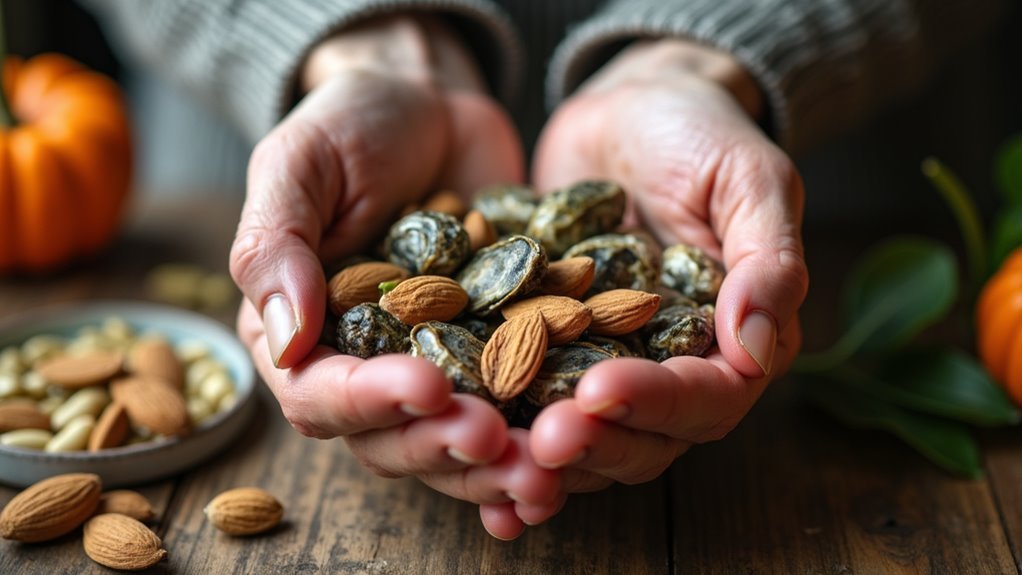
As you age, your body’s ability to absorb zinc naturally decreases, creating a challenging cycle where maintaining adequate levels becomes increasingly difficult despite consuming the same amounts as younger adults.
This physiological decline means you’re absorbing less zinc from the same foods that once provided sufficient nutrition.
The consequences extend far beyond simple deficiency. When your zinc absorption becomes compromised, your immune system suffers considerably.
Research reveals that 30% of elderly nursing home residents show low serum zinc levels, demonstrating how widespread this issue has become among older adults.
This reduced absorption efficiency directly impacts your health, leading to systemic inflammation and weakened immunity.
You’ll find yourself more vulnerable to infections and chronic diseases, making adequate zinc intake even more critical as you age.
Zinc’s Critical Role in Immune System Function
Your immune system depends heavily on zinc to function properly, especially as you age and face increased vulnerability to infections.
When you maintain adequate zinc levels, you’re directly supporting your T-cells’ ability to develop and activate, which strengthens your body’s defense against harmful pathogens.
Without sufficient zinc, you’ll face higher infection risks and potentially longer recovery times from illnesses like pneumonia.
Immune Cell Protection
While many people focus on vitamins C and D for immune support, zinc plays an equally important role in protecting your immune cells and maintaining robust defenses against infection.
When you’re elderly, your immune system naturally weakens, making zinc supplementation vital for ideal function. Research shows that 30% of nursing home residents have inadequate serum zinc levels, directly correlating with increased infection rates, especially pneumonia.
Zinc deficiency impairs your T-cell function, leaving you vulnerable to various health problems.
Daily zinc supplementation of 30 mg noticeably improves immune cell performance and reduces inflammation associated with aging. This enhanced protection helps prevent chronic diseases and decreases all-cause mortality from infections, making adequate zinc intake essential for your immune health as you age.
Infection Risk Reduction
When infection rates soar among seniors, zinc deficiency often lurks as the underlying culprit. You’re facing a heightened vulnerability to infections like pneumonia when your serum zinc levels drop below ideal ranges.
Research reveals that 30% of elderly nursing home residents exhibit dangerously low zinc levels, directly correlating with increased infection frequency and duration.
Your immune defense system relies heavily on adequate zinc for proper T-cell function. Without sufficient zinc, your body can’t mount effective responses against pathogens.
Studies demonstrate that zinc deficiency considerably compromises your infection risk reduction capabilities, leaving you exposed to preventable illnesses.
Zinc supplementation offers a proven solution. Taking 30 mg daily can restore your serum zinc levels and strengthen immune defenses.
This targeted approach reduces both infection incidence and severity, ultimately protecting your overall health and reducing mortality risk.
T-Cell Function Enhancement
Behind this infection-fighting power lies zinc’s fundamental role in T-cell development and function. Your T-cells serve as specialized immune warriors, identifying and eliminating threats throughout your body. However, zinc deficiency greatly compromises their effectiveness.
| Zinc Status | T-Cell Response | Health Impact |
|---|---|---|
| Adequate | Ideal function | Strong immunity |
| Mild deficiency | Reduced activity | Frequent infections |
| Moderate deficiency | Impaired development | Prolonged illness |
| Severe deficiency | Minimal response | Serious complications |
| Post-supplementation | Enhanced performance | Improved resistance |
Research demonstrates that elderly individuals with improved serum zinc concentrations through supplementation experienced a remarkable 16% increase in zinc levels, directly correlating with enhanced T-cell numbers and function. Since aging impairs zinc absorption, maintaining adequate levels becomes essential for preserving your immune response and reducing vulnerability to infections like pneumonia.
The Hidden Epidemic of Zinc Deficiency in Nursing Homes
If you’re concerned about a loved one in a nursing home, you should know that roughly 30% of residents suffer from dangerously low zinc levels.
This widespread deficiency creates a cascade of health problems, weakening their immune systems when they’re already vulnerable to infections.
You’ll find that residents with zinc deficiency face considerably higher risks of serious complications that could otherwise be prevented with proper monitoring and intervention.
Widespread Deficiency Among Residents
Although nursing homes provide round-the-clock care for our most vulnerable elderly population, a silent health crisis lurks within their walls—zinc deficiency affects approximately 30% of residents, yet it often goes undetected and untreated.
This widespread zinc deficiency among older adults creates serious health risks you can’t ignore:
- Low serum zinc levels compromise immune function when residents need protection most.
- Decreased absorption with aging makes deficiency inevitable despite adequate dietary intake.
- Overlooked symptoms like poor wound healing mask the underlying nutritional crisis.
- Increased infection risk threatens already vulnerable nursing home populations.
You’ll find that regular monitoring and targeted supplementation could transform health outcomes for these residents.
The statistics reveal a hidden epidemic requiring immediate attention from healthcare providers and families alike.
Compromised Immunity Increases Infections
When nursing home residents develop zinc deficiency, their compromised immune systems become sitting ducks for the 1 to 3 million serious infections that sweep through these facilities annually. You’ll find that elderly individuals with low serum zinc levels face a remarkably higher risk of contracting pneumonia and other serious illnesses.
Zinc deficiency directly impairs immune function, creating a dangerous cycle where infections become more frequent and severe. Your body’s ability to fight off pathogens weakens considerably when zinc levels drop below ideal ranges.
| Zinc Status | Immune Response | Infection Risk | Recovery Time | Severity |
|---|---|---|---|---|
| Adequate | Strong | Low | Fast | Mild |
| Mild Deficiency | Weakened | Moderate | Slower | Moderate |
| Severe Deficiency | Compromised | High | Extended | Severe |
| With Supplementation | Improving | Reduced | Normal | Decreased |
| Ideal Levels | Robust | Minimal | Quick | Minor |
Daily supplementation can restore protective immunity effectively.
How Zinc Deficiency Accelerates Inflammation and Disease
As zinc levels drop in your body, inflammatory processes begin to spiral out of control, creating a dangerous cascade that accelerates aging and disease progression.
Zinc deficiency doesn’t just weaken your immune function—it actively fuels chronic inflammation that damages your tissues and organs.
Zinc deficiency creates a destructive cycle where chronic inflammation damages your body’s tissues and accelerates aging processes.
This inflammatory response creates four critical health risks for the elderly:
- Impaired DNA repair mechanisms that allow genetic damage to accumulate unchecked
- Increased susceptibility to cancer and heart disease through systemic inflammation
- Compromised wound healing that prolongs recovery times and complications
- Enhanced disease burden that compounds existing age-related health challenges
Without adequate zinc, your body can’t regulate inflammation properly.
This creates a vicious cycle where inflammation begets more inflammation, making wound healing slower and your overall health deteriorate faster than normal aging would suggest.
Recognizing the Signs and Symptoms of Zinc Deficiency
Three distinct categories of symptoms can help you identify zinc deficiency before it severely impacts your health. Physical manifestations include a scaly red skin rash around your mouth, hands, and groin areas. You’ll also notice poor wound healing that takes considerably longer than normal.
| Physical Signs | Systemic Effects |
|---|---|
| Scaly red rash | Diarrhea |
| Poor wound healing | Loss of appetite |
| Skin irritation | Fatigue |
| Delayed recovery | Taste changes |
Your impaired immune function becomes evident through increased susceptibility to infections. The elderly face particular challenges since signs of zinc deficiency often overlap with chronic health issues, making detection difficult. Unfortunately, scalable testing methods for mild deficiency remain limited, so healthcare providers typically diagnose based on observing these related symptoms rather than direct zinc measurements.
Optimal Zinc Dosage and Supplementation for Older Adults
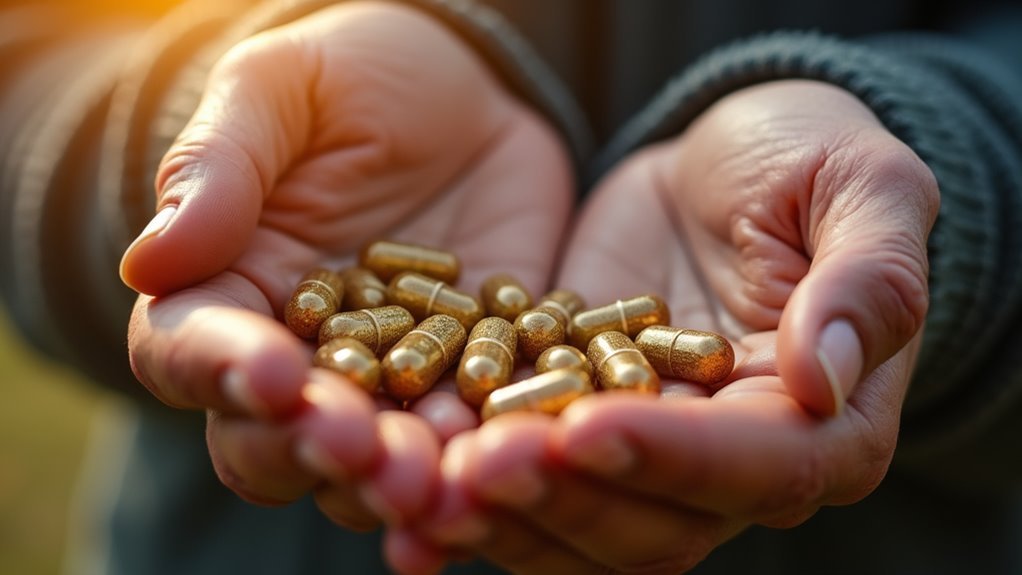
Once you’ve identified potential zinc deficiency symptoms, determining the right supplementation approach becomes your next priority.
Your zinc intake needs careful consideration as an elderly individual, since absorption naturally decreases with age.
Here’s your ideal supplementation strategy:
- Start with recommended amounts: You’ll need 11 mg daily if you’re male, 8 mg if you’re female for adequate nutrient levels.
- Consider therapeutic dosing: Your doctor might recommend 30 mg daily for three months to boost low serum zinc levels effectively.
- Stay within safe limits: Never exceed 40 mg daily to prevent copper deficiency and nutrient absorption issues.
- Monitor regularly: Schedule periodic blood tests to track your serum levels and adjust supplementation accordingly.
Best Food Sources of Zinc for Senior Nutrition
Getting adequate zinc through food sources offers you better absorption rates and additional nutritional benefits compared to supplements alone.
Oysters top the list for seniors, delivering 74 mg of zinc per 3-ounce serving—well above your daily requirements. If you prefer land-based options, red meat like beef and lamb provides 7 mg per serving, while chicken offers 2.4 mg.
Oysters deliver an impressive 74 mg of zinc per serving, making them the ultimate zinc powerhouse for seniors.
For plant-based sources, incorporate legumes such as beans and lentils into your diet, though their phytates may reduce absorption. Nuts and seeds, particularly almonds and pumpkin seeds, contribute 1-2.5 mg per ounce.
These diverse sources guarantee you’ll maintain ideal zinc levels while supporting your overall health through varied nutrition.
Safety Considerations and Interactions With Medications
While food sources provide the safest way to meet your zinc needs, supplements require careful consideration due to potential risks and medication interactions. Important safety considerations include:
- Daily Limits: Don’t exceed 40 mg of zinc intake daily to prevent copper deficiency and neurological complications.
- Antibiotic Timing: Take quinolone and tetracycline antibiotics at least 2 hours before or 4-6 hours after zinc supplements to maintain effectiveness.
- Rheumatoid Arthritis Medications: Space penicillamine at least 1 hour away from zinc to prevent reduced efficacy.
- Gastrointestinal Side Effects: High doses can cause diarrhea, dizziness, and nausea, particularly problematic when you’re managing multiple medications.
Always consult healthcare professionals before starting zinc supplements, especially if you’re taking medications that might interact with absorption.
Frequently Asked Questions
Do Seniors Need More Zinc?
You don’t necessarily need more zinc than younger adults, but you’re more likely to become deficient due to poor absorption and limited dietary intake, making adequate zinc intake essential.
What Are the Symptoms of Zinc Deficiency in the Elderly?
You’ll notice scaly red skin rashes around your mouth, hands, and groin, along with diarrhea, appetite loss, and hair loss. You’re also more susceptible to infections due to weakened immunity.
Is 50MG of Zinc Too Much for a 70 Year Old Woman?
Yes, 50mg exceeds the 40mg daily upper limit and could cause copper deficiency or nutrient absorption issues. You should consult your healthcare provider for appropriate dosing, as you only need 8mg daily.
How Much Zinc Should a 65 Year Old Take Daily?
You should aim for 11 mg daily if you’re a 65-year-old man or 8 mg if you’re a woman. Don’t exceed 40 mg to avoid copper absorption issues.


Leave a Reply