
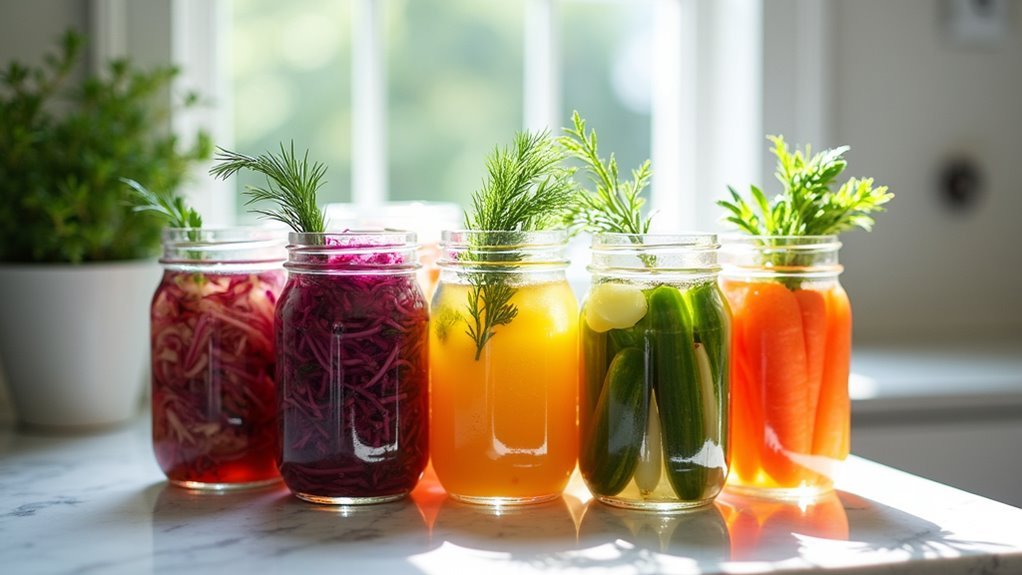
You can heal SIBO naturally with cultured vegetables like sauerkraut, kimchi, and naturally fermented pickles that introduce beneficial probiotics to rebalance your gut microbiome. These fermented foods provide Lactobacillus plantarum and other strains that compete with harmful bacteria, reduce inflammation, and improve intestinal motility. Start with one tablespoon daily alongside meals, gradually increasing as your tolerance improves. The right approach will help you maximize these powerful healing benefits.
What Is Small Intestinal Bacterial Overgrowth (SIBO)?
Small Intestinal Bacterial Overgrowth (SIBO) develops when excessive bacteria colonize your small intestine, disrupting its primary role of absorbing nutrients from food.
You’ll likely experience uncomfortable symptoms including bloating, gas, diarrhea, and abdominal pain. These digestive issues can lead to nutrient malabsorption, causing deficiencies and unintended weight loss that affect your overall health.
SIBO’s uncomfortable symptoms like bloating, gas, and abdominal pain can lead to nutrient deficiencies and unintended weight loss.
Several factors can trigger SIBO, including food poisoning episodes, slow intestinal motility, leaky gut syndrome, and thyroid conditions like hypothyroidism.
Healthcare providers typically diagnose SIBO through specialized breath tests that measure hydrogen and methane levels, indicating bacterial overgrowth in your small intestine.
Managing SIBO requires a thorough approach focusing on gut health restoration.
While treatment often involves eliminating problematic foods, incorporating specific fermented foods can support your healing journey naturally.
How Cultured Vegetables Support Gut Healing
When you’re battling SIBO, cultured vegetables offer powerful healing properties that directly address your gut’s imbalanced bacterial environment.
These fermented foods flood your system with beneficial probiotics that actively compete with harmful bacteria for space and nutrients in your small intestine.
The fermentation process maximizes nutritional bioavailability, making essential vitamins and minerals more accessible to your compromised digestive system.
Cultured vegetables reduce gut inflammation while enhancing overall digestive function, creating ideal conditions for healing.
Specific probiotic strains like Lactobacillus plantarum found in these foods actively inhibit pathogenic bacterial growth.
Additionally, consuming cultured vegetables improves gut motility, preventing the stagnation that allows bacterial overgrowth to flourish.
This thorough approach helps restore your healthy gut microbiome naturally.
The Science Behind Fermentation and SIBO Recovery
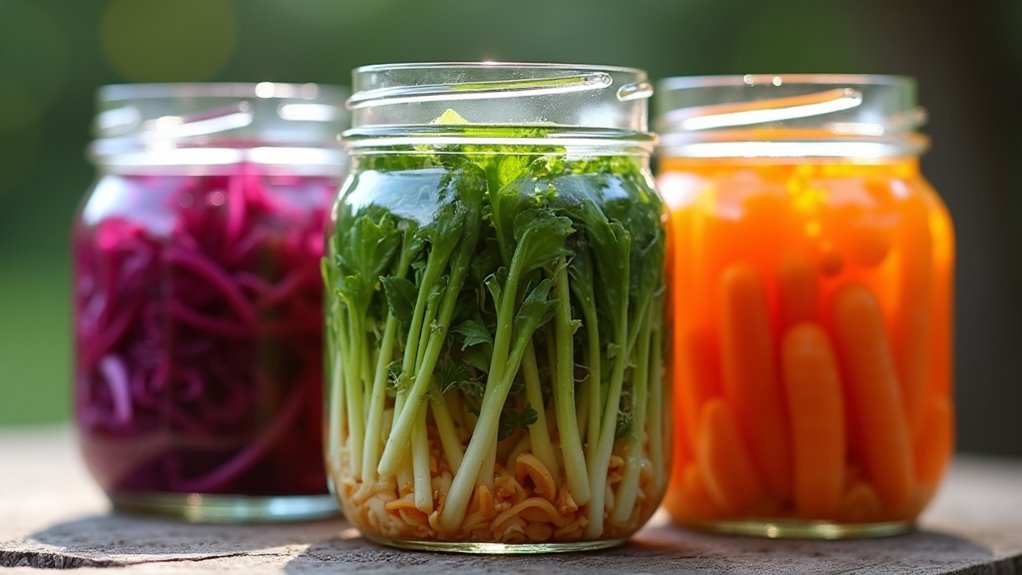
During fermentation, beneficial bacteria transform simple vegetables into therapeutic powerhouses that target SIBO’s underlying mechanisms. The science reveals how this process creates compounds that directly support your recovery.
| Fermentation Product | SIBO Benefit | Mechanism |
|---|---|---|
| Probiotics | Restore gut balance | Good bacteria crowd out harmful overgrowth |
| Short-chain fatty acids | Improve motility | Enhance intestinal muscle contractions |
| Enhanced nutrients | Support healing | Increased bioavailability of vitamins/minerals |
When you consume fermented vegetables, you’re introducing specific bacterial strains that combat inflammation and strengthen your gut barrier. These good bacteria produce SCFAs that regulate intestinal movement, addressing one of SIBO’s core issues—impaired motility. The fermented compounds also increase nutrient absorption, giving your compromised digestive system the building blocks it needs for repair.
Best Cultured Vegetables for SIBO Management
Certain cultured vegetables stand out as particularly effective allies in your SIBO recovery journey. Sauerkraut leads the pack, offering abundant probiotics that help rebalance your gut microbiome.
You’ll find kimchi equally beneficial, providing diverse bacterial strains essential for combating dysbiosis. When choosing pickles, opt for naturally fermented varieties rather than vinegar-brined options to maximize probiotic content.
For best results, verify your cultured vegetables have fermented for at least 24 hours at temperatures between 60°F to 75°F. This process enhances their therapeutic potential for SIBO management.
Don’t limit yourself to just one type – incorporating various cultured vegetables into your diet provides diverse probiotic strains while delivering essential nutrients your digestive system needs for healing.
Sauerkraut: Lactobacilli Powerhouse for Gut Balance
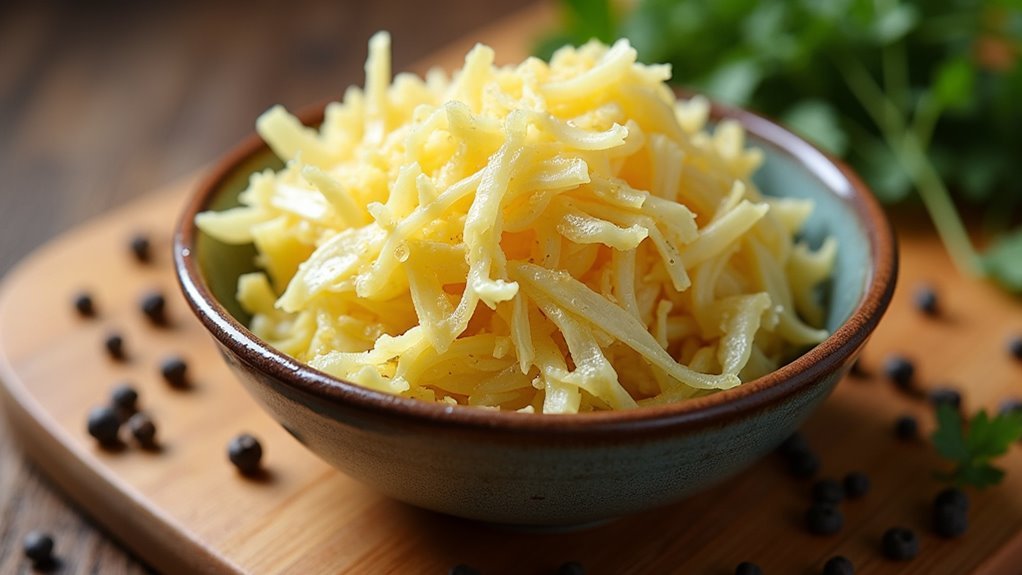
As one of nature’s most potent probiotic foods, sauerkraut delivers an impressive arsenal of lactobacilli that directly targets the bacterial imbalances characteristic of SIBO.
The fermentation process amplifies its probiotic content, creating a powerful weapon against harmful bacteria colonizing your small intestine.
When you consume naturally fermented sauerkraut regularly, you’re introducing beneficial bacteria that help restore gut microbiome balance while improving digestion and reducing gas.
You’ll also enhance nutrient absorption—critical for SIBO recovery. Unlike many fermented foods, sauerkraut’s low in FODMAPs, making it safe for your sensitive digestive system without triggering symptom flare-ups.
Beyond probiotics, this fermented vegetable provides vitamins C and K, supporting both gut health and immune function as you heal from SIBO naturally.
Kimchi: Spicy Fermented Medicine for Digestive Health
You’ll find kimchi’s potent blend of Lactobacillus strains creates a hostile environment for SIBO-causing bacteria while simultaneously strengthening your gut’s natural defenses.
The capsaicin in kimchi’s spicy kick doesn’t just add flavor—it actively reduces inflammation in your digestive tract and helps combat the bacterial overgrowth that’s wreaking havoc on your system.
When you make therapeutic kimchi at home, you can control the fermentation process to maximize these anti-SIBO properties and tailor the spice level to your tolerance.
Kimchi’s Anti-SIBO Properties
While many people know kimchi as a flavorful Korean side dish, this fermented vegetable powerhouse packs serious medicinal punch against SIBO. The probiotics in kimchi, especially Lactobacillus species, directly combat harmful bacteria that cause small intestinal bacterial overgrowth.
You’ll benefit from kimchi’s enhanced nutritional profile created through fermentation, delivering essential vitamins and minerals that support digestive healing.
Research demonstrates kimchi consumption reduces SIBO symptoms like bloating and abdominal pain. Its anti-inflammatory compounds and antioxidants help calm intestinal inflammation caused by bacterial overgrowth.
Additionally, kimchi’s spicy chili peppers promote gut motility, encouraging regular intestinal movement that prevents bacteria from accumulating in your small intestine. This fermented food addresses SIBO’s root causes while providing symptom relief.
Making Therapeutic Kimchi
Creating your own therapeutic kimchi puts you in complete control of every ingredient that enters your digestive system, ensuring maximum SIBO-fighting potential without unwanted additives or excessive sugars found in commercial versions.
Start with fresh napa cabbage and sea salt, allowing natural fermentation to develop beneficial probiotics over 3-7 days at room temperature. Add ginger and moderate garlic for antimicrobial properties while keeping FODMAPs manageable for sensitive digestive systems.
Monitor fermentation carefully – you’ll notice bubbling and tangy aromas as lactic acid bacteria multiply.
Store your fermented kimchi in the refrigerator once desired sourness develops. This homemade approach delivers concentrated probiotics specifically targeting harmful small intestine bacteria while promoting healthy digestion through enhanced gut motility and improved nutrient absorption.
Fermented Carrots and Beets for SIBO Relief
Because fermented carrots and beets undergo a natural transformation that breaks down their sugars, they become powerful allies in your fight against SIBO.
These fermented vegetables deliver beneficial probiotics directly to your small intestine, helping restore bacterial balance and strengthen your gut barrier.
Unlike their raw counterparts, fermented carrots and beets won’t feed harmful bacteria since fermentation has already converted problematic sugars.
Fermentation transforms problematic sugars in carrots and beets, making them safe for SIBO sufferers unlike their raw forms.
You’ll experience reduced inflammation and improved digestion as these probiotics work to heal your intestinal lining.
Both vegetables pack essential vitamins A and C, boosting your immune system while supporting gut recovery.
You can easily incorporate them into meals as tangy side dishes or mix them into salads, providing delicious flavor while enhancing gut motility and overall digestive health.
Making Your Own SIBO-Friendly Cultured Vegetables
You can create your own SIBO-friendly cultured vegetables at home with just a few basic supplies and the right technique.
The process involves preparing your equipment, following specific fermentation steps, and storing your vegetables safely to maximize their probiotic benefits.
Let’s explore what you’ll need and how to ferment vegetables that won’t aggravate your SIBO symptoms.
Essential Equipment and Supplies
Making SIBO-friendly cultured vegetables requires just a handful of basic supplies that you likely already have in your kitchen. You’ll need a clean, wide-mouth quart-sized glass jar to provide adequate space for fermentation. Non-iodized sea salt is essential for creating the proper brine environment that supports beneficial probiotics while inhibiting harmful bacteria. Use filtered water to avoid chlorine interference that can disrupt the fermentation process.
Fresh vegetables like cabbage, carrots, or cucumbers work best for culturing. You’ll also need either a fermentation lid or standard lid fitted loosely to allow gases to escape while preventing contamination. A scale helps measure salt accurately for ideal results. Keep your cultured vegetables at 65-75°F in a dark location for consistent fermentation.
Step-by-Step Fermentation Process
While the fermentation process might seem complex at first, it’s actually quite straightforward once you understand the basic steps.
Start by selecting fresh vegetables like carrots, cucumbers, or cauliflower, which provide nutrients that support gut health. Create your brine using filtered water and sea salt, ensuring complete dissolution to encourage proper fermentation.
Cut vegetables and pack them tightly into sterilized canning jars, leaving one inch headspace for gas expansion. Pour brine over vegetables until completely submerged—exposure to air causes spoilage rather than beneficial fermentation.
Seal with fermentation lids or loosely fitted standard lids to allow gas escape.
Let jars sit at room temperature for 3-5 days, developing flavor while cultivating probiotics essential for SIBO recovery.
Storage and Safety Tips
Three critical safety measures will determine whether your SIBO-friendly cultured vegetables remain beneficial or become harmful.
Proper storage and fermentation safety protocols protect your investment while maximizing therapeutic benefits.
Follow these essential safety guidelines:
- Sterilize all equipment – Thoroughly clean jars, utensils, and surfaces before fermentation to prevent harmful bacteria contamination.
- Use proper lids – Choose fermentation lids or loosely fitted standard lids that allow gas escape while blocking air exposure.
- Maintain brine submersion – Keep vegetables completely covered in liquid to prevent mold growth and guarantee even fermentation.
- Refrigerate after fermentation – Store finished cultures in the refrigerator to slow fermentation and extend shelf life up to one month.
- Monitor for spoilage – Check regularly for off odors, unusual colors, or mold formation.
Timing and Dosage for Cultured Vegetable Consumption
When introducing cultured vegetables into your SIBO management plan, you’ll need to start small and progress slowly to avoid triggering uncomfortable symptoms.
Begin with just one tablespoon daily to prevent overwhelming your gut with probiotics. This conservative dosage allows you to monitor your body’s response and identify any adverse reactions like increased bloating or discomfort.
Timing plays a vital role in maximizing benefits. Consume cultured vegetables alongside your meals to enhance digestion and nutrient absorption while minimizing gas production.
Gradually increase your serving size as tolerance improves, aiming for consistent daily consumption or several times weekly.
Monitor your symptoms carefully throughout this process. If you experience worsening discomfort, reduce your intake or try different cultured vegetable varieties that may be better tolerated.
Potential Reactions and What to Watch For
When you introduce cultured vegetables into your SIBO diet, you’ll need to monitor your body’s response carefully for any adverse reactions.
Initial digestive symptoms like increased gas, bloating, or abdominal pain can signal that these fermented foods aren’t agreeing with your current gut condition.
Knowing when to stop consumption becomes essential if you experience worsening symptoms or changes in your bowel habits.
Initial Digestive Symptoms
Digestive turbulence often marks the beginning stages of SIBO, creating a cascade of uncomfortable symptoms that can disrupt your daily routine.
The overgrowth of bacteria in your small intestine triggers these initial digestive symptoms, which can worsen when you consume fermentable carbohydrates.
Common early warning signs include:
- Persistent bloating and excessive gas formation
- Sharp or cramping abdominal pain episodes
- Irregular bowel movements with frequency changes
- Nausea accompanied by decreased appetite
- Worsening symptoms after eating high-FODMAP foods
When introducing cultured vegetables containing probiotics, you’ll need to monitor your body’s response carefully.
Some individuals experience temporary symptom flare-ups initially, as beneficial bacteria compete with harmful overgrowth.
These reactions don’t necessarily indicate the treatment isn’t working—they often reflect your digestive system’s adjustment process.
When to Stop
Something isn’t working if your symptoms dramatically worsen after introducing cultured vegetables into your SIBO healing protocol. You should discontinue use immediately if you experience severe bloating, increased gas, or intense abdominal pain. These reactions indicate your body isn’t tolerating the probiotics effectively.
Watch for histamine intolerance symptoms like headaches or skin reactions, which signal you’re consuming too much or you’re sensitive to histamine-rich foods. Since SIBO affects everyone differently, your tolerance levels won’t match others’ experiences.
Stop temporarily and reassess your approach when digestive discomfort persists beyond initial adjustment periods.
Most importantly, consult your healthcare professional if complications arise or symptoms worsen consistently, as they can guide modifications to your treatment plan.
Combining Cultured Vegetables With Other SIBO Treatments
Although SIBO treatment traditionally focuses on antimicrobials and dietary restrictions, integrating cultured vegetables into your extensive treatment plan can greatly enhance therapeutic outcomes.
Adding cultured vegetables to traditional SIBO protocols creates powerful synergies that accelerate healing and restore optimal gut function.
These fermented foods provide beneficial probiotics that help restore microbiome balance during your healing journey.
Combining cultured vegetables with other SIBO treatments offers multiple synergistic benefits:
- Prokinetics partnership: Pairing fermented vegetables with ginger root improves small intestine motility and prevents bacterial overgrowth
- Gradual introduction: Start with fully fermented vegetables (24+ hours) for better tolerance
- Gut barrier reinforcement: Kimchi and sauerkraut reduce inflammation while strengthening intestinal walls
- Individual monitoring: Track your tolerance levels, as Bifidobacteria strains may work better for some patients
- Enhanced antimicrobial support: Probiotics complement traditional treatments by promoting beneficial bacterial growth
Frequently Asked Questions
What Vegetables Are Best for SIBO?
You’ll want to focus on low-FODMAP vegetables like carrots, spinach, zucchini, bell peppers, and green beans. These won’t trigger symptoms while providing essential nutrients for healing your gut.
What Fermented Foods Are Good for SIBO?
You’ll benefit from sauerkraut, kimchi, and naturally fermented pickles for probiotics. Choose yogurt with Lactobacillus Gasseri and Reuteri strains. Miso and kefir also support gut health, but make certain they’re fully fermented and match your tolerance levels.
What to Eat to Heal a SIBO?
You’ll heal SIBO by eating fermented foods like sauerkraut and kimchi, plus low-FODMAP vegetables. Avoid sugary, starchy foods that feed harmful bacteria. Include probiotic yogurt and miso while focusing on nutrient-dense options.
What Is the Best Fermented Food for the Gut?
You’ll find kefir offers the most diverse probiotic strains for ideal gut health. It contains beneficial bacteria and yeasts that work synergistically to restore microbiome balance, improve digestion, and strengthen your intestinal barrier function.


Leave a Reply