

You’ll accelerate wound healing by consuming seven powerful citrus fruits rich in vitamin C and antioxidants. Oranges provide 70mg of vitamin C for collagen synthesis, while pink grapefruits offer lycopene for reduced inflammation. Lemons and limes deliver flavonoids that combat oxidative stress, and tangerines supply 30% of your daily vitamin C needs. Pomelos contain 61mg vitamin C per 100 grams, and blood oranges provide unique anthocyanins for enhanced recovery. These fruits’ combined nutrients optimize your body’s natural healing mechanisms.
Oranges: Vitamin C Powerhouses for Collagen Synthesis
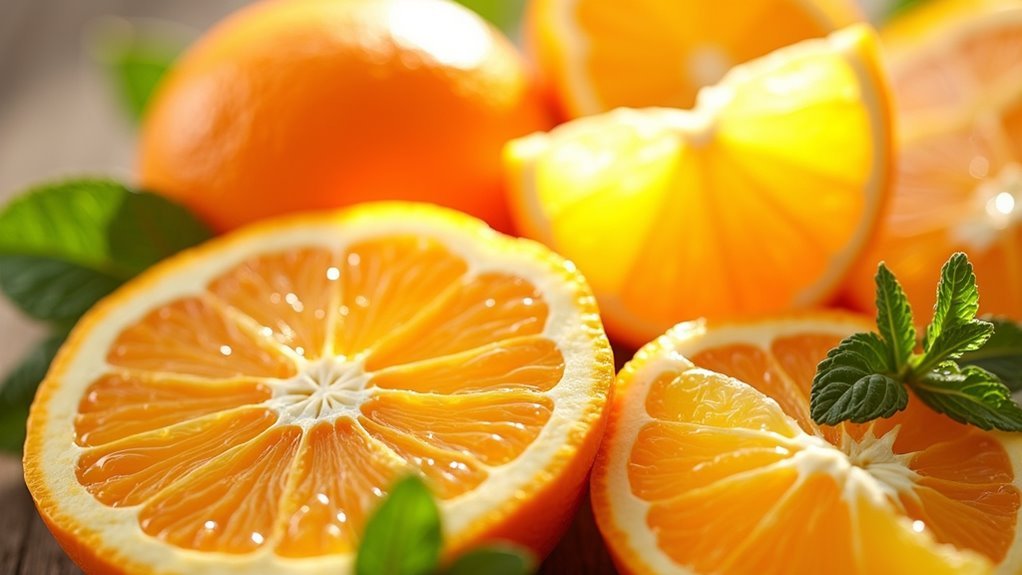
When you’re dealing with a wound, oranges stand out as one of nature’s most effective healing allies. Each medium orange delivers approximately 70 mg of vitamin C, directly fueling collagen production essential for tissue repair. This powerful nutrient accelerates your wound healing process by reducing inflammation and enhancing blood circulation to damaged areas.
Oranges deliver 70mg of vitamin C per fruit, directly fueling collagen production and accelerating wound healing through enhanced circulation and reduced inflammation.
You’ll benefit from oranges’ flavonoids, which actively fight infection through their antimicrobial properties. Regular orange consumption boosts your white blood cell production, strengthening immune function and reducing recovery complications.
The vitamin C enhances your body’s ability to synthesize collagen, the structural protein that rebuilds damaged skin and tissues.
Beyond vitamin C, oranges provide potassium and fiber, supporting your overall health during recovery and optimizing your body’s natural healing mechanisms.
Grapefruits: Pink and White Varieties for Enhanced Recovery
Grapefruits deliver exceptional wound-healing benefits through their distinct pink and white varieties, each offering unique advantages for tissue repair.
You’ll find both varieties packed with vitamin C, which drives collagen synthesis crucial for wound healing. The pink variety stands out with higher lycopene levels, actively reducing inflammation and accelerating your recovery timeline.
When you consume grapefruits regularly, you’re strengthening your skin barrier against infections while wounds heal. The natural sugars provide immediate energy for metabolic processes your body needs during recovery.
Additionally, grapefruit flavonoids possess antimicrobial properties that bolster your immune system throughout the healing phase. You’re fundamentally giving your body a thorough healing toolkit that addresses multiple aspects of tissue repair, from initial inflammation control to final skin restoration.
Lemons: Citric Acid and Antioxidants for Tissue Repair
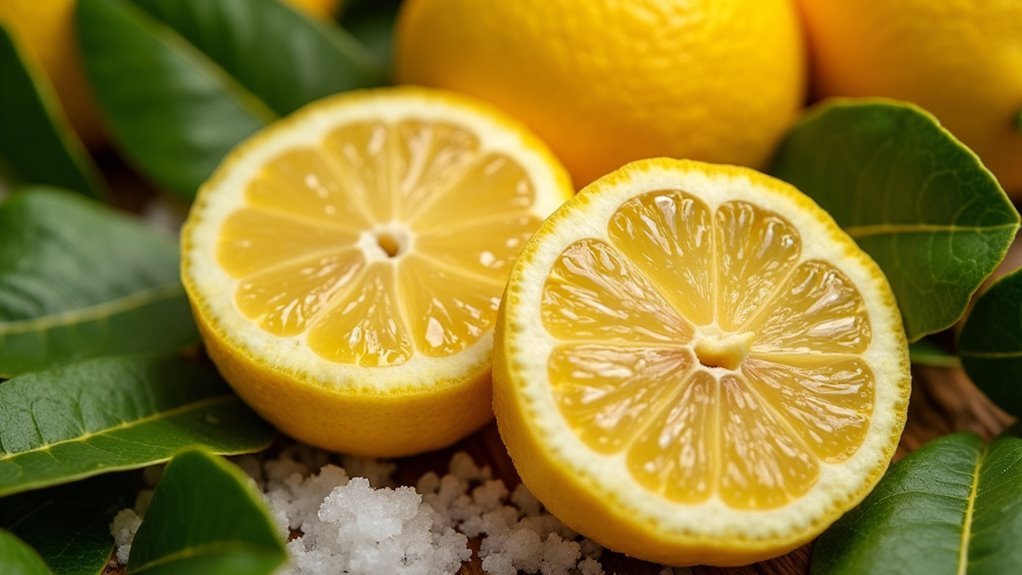
While grapefruits offer impressive healing properties, lemons provide an equally powerful arsenal of tissue repair compounds that’ll accelerate your recovery process.
These citrus powerhouses contain high concentrations of vitamin C, which boosts white blood cell production and strengthens your immune system against infection-causing bacteria.
Lemons’ citric acid content enhances collagen production, making tissue repair more efficient and thorough.
The flavonoids and antioxidants found in lemons actively combat oxidative stress, reducing inflammation at wound sites while promoting faster healing.
Limes: Flavonoids and Nutrients for Accelerated Healing
You’ll find that limes pack powerful flavonoids like hesperidin and quercetin that actively reduce inflammation while boosting your immune system’s healing response.
These citrus gems deliver essential vitamin C for collagen production and citric acid that enhances your body’s mineral absorption, creating ideal conditions for tissue repair.
When you regularly include limes in your diet, you’re giving your body antimicrobial protection and improved hydration that accelerates the entire wound healing process.
Lime Flavonoid Benefits
Among the most potent citrus fruits for wound healing, limes pack an impressive concentration of flavonoids that can greatly accelerate your body’s recovery process.
The high vitamin C content works synergistically with these powerful compounds to support collagen synthesis, directly enhancing tissue regeneration at injury sites.
Lime flavonoids, particularly hesperidin and quercetin, deliver exceptional antioxidant properties that combat inflammation while promoting cellular repair.
These compounds enhance blood circulation, ensuring oxygen and nutrients reach damaged tissues efficiently.
You’ll also benefit from their antimicrobial effects, which help prevent infections that could otherwise delay healing.
When you incorporate limes into your diet, you’re boosting your immune response through elevated antioxidant levels, enabling your body to fight pathogens more effectively during recovery periods.
Essential Nutrient Content
Beyond their impressive flavonoid profile, limes deliver a thorough array of essential nutrients that work together to accelerate your body’s healing mechanisms.
You’ll get approximately 29 mg of vitamin C per 100 grams, which directly supports collagen synthesis for proper tissue health. This vitamin’s vital for rebuilding damaged skin and strengthening your wound healing process.
Limes also provide potassium, which regulates fluid balance and maintains muscle and nerve function during recovery. The citric acid enhances your body’s absorption of iron, ensuring ideal oxygen transport to healing tissues.
When you consume lime juice regularly, you’re boosting your immune system through its antimicrobial properties, reducing infection risks that could complicate recovery. These nutrients work synergistically to enhance your body’s natural healing capabilities.
Healing Process Enhancement
When you incorporate limes into your diet, the flavonoids work directly at the cellular level to accelerate your body’s healing timeline. Hesperidin, the primary flavonoid in limes, reduces inflammation while promoting efficient tissue repair.
Your body’s vitamin C levels spike with lime consumption, triggering enhanced collagen synthesis that’s essential for rebuilding damaged skin and connective tissues.
The powerful antioxidants in limes combat oxidative stress that typically slows wound healing, while supporting your immune system’s infection-fighting capabilities.
Citric acid improves your absorption of healing-critical nutrients like iron and calcium. Additionally, limes’ high water content boosts hydration levels, maintaining ideal skin elasticity during recovery.
This multi-faceted approach creates a perfect internal environment for accelerated healing and tissue regeneration.
Tangerines: Easy-to-Absorb Vitamin C for Wound Care
Why do tangerines stand out as one of nature’s most convenient wound healing allies?
You’ll get about 30% of your daily vitamin C needs from just one medium tangerine, providing essential support for collagen synthesis and tissue repair. This vitamin C strengthens your skin barrier, helping prevent infections while accelerating recovery from wounds.
The antioxidants in tangerines combat inflammation by reducing oxidative stress at wound sites, creating ideal healing conditions.
You’re also getting folate and potassium, which support your overall recovery process.
What makes tangerines particularly valuable is their convenience factor.
They’re easy to peel and taste sweet, encouraging you to consume more vitamin C-rich fruits consistently. This regular intake guarantees your body maintains the nutrients necessary for effective wound care.
Pomelos: High Fiber and Vitamin Content for Recovery Support
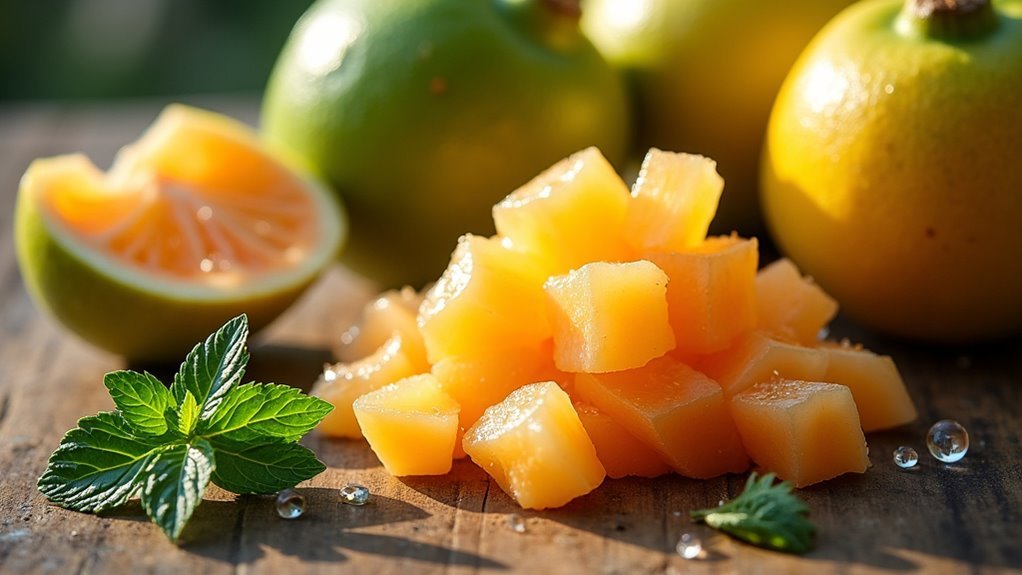
You’ll find pomelos pack impressive fiber levels that support your body’s healing processes by optimizing nutrient absorption and gut health.
With 61 mg of vitamin C per 100 grams, pomelos deliver essential building blocks for collagen synthesis and tissue repair.
This citrus powerhouse combines antioxidants, potassium, and immune-boosting flavonoids to create an ideal nutrient profile that accelerates your recovery timeline.
Fiber Accelerates Healing
Three grams of fiber per 100 grams makes pomelos a powerhouse for wound healing support. This high fiber content works directly to accelerate your recovery by regulating blood sugar levels, which is critical for proper tissue repair.
When your blood sugar remains stable, your body can focus energy on healing rather than managing glucose spikes.
The fiber in pomelos also enhances nutrient absorption, ensuring your body efficiently uses the vitamin C and antioxidants needed for wound healing.
These antioxidants reduce inflammation at injury sites, while vitamin C supports collagen production. Additionally, fiber keeps you satisfied longer, encouraging consistent nutritional intake that sustains your healing process.
You’ll find that pomelos’ fiber content creates an ideal internal environment for faster recovery.
Vitamin C Content
Powerhouse nutrition defines pomelos when it comes to vitamin C content, delivering more than 100% of your daily recommended intake in a single serving.
This exceptional vitamin C concentration directly supports wound healing by enhancing collagen synthesis, which forms the foundation for tissue repair. You’ll benefit from the fruit’s potent antioxidants that combat oxidative stress and reduce inflammation at injury sites.
The vitamin works synergistically with other nutrients like potassium and vitamin B6 to optimize your immune function during recovery.
When you consume pomelos regularly, you’re strengthening your skin barrier, making it more resilient against infection while accelerating the healing process.
This citrus fruit’s concentrated vitamin C makes it an invaluable addition to your recovery diet.
Recovery Nutrient Profile
Beyond their impressive vitamin C levels, pomelos deliver a thorough recovery nutrient profile that makes them exceptional healing allies. You’ll benefit from their complete nutritional package that supports every aspect of wound healing and skin repair.
| Nutrient | Recovery Benefit | Daily Impact |
|---|---|---|
| Dietary Fiber | Enhances gut health and nutrient absorption | Optimizes healing efficiency |
| Antioxidants | Reduces inflammation and supports immunity | Accelerates tissue repair |
| High Water Content | Maintains hydration and skin elasticity | Supports cellular recovery |
When you’re recovering, pomelos provide low-calorie nutrition that maintains your energy levels without excess intake. Their antioxidants actively combat inflammation while supporting your immune system’s healing responses. The high water content keeps you hydrated, promoting skin elasticity during recovery. This all-encompassing nutrient profile makes pomelos ideal for sustained wound healing support.
Blood Oranges: Anthocyanins and Anti-Inflammatory Properties
While most citrus fruits offer wound-healing benefits, blood oranges stand out for their unique anthocyanin content—the same compounds that give them their distinctive red hue.
These powerful antioxidants reduce oxidative stress and inflammation, directly accelerating your wound healing process. You’ll also benefit from blood oranges’ exceptional vitamin C levels, which boost collagen synthesis crucial for tissue repair and skin elasticity.
Blood oranges’ potent antioxidants combat oxidative stress while their vitamin C content supercharges collagen production for optimal tissue repair.
The anti-inflammatory properties of anthocyanins help minimize swelling and pain around wounds, making your recovery more comfortable.
Blood oranges contain flavonoids that strengthen your immune function, protecting against infections that could delay healing. Additionally, regular consumption improves your blood circulation, ensuring essential nutrients and oxygen reach wound sites efficiently for faster recovery.
Frequently Asked Questions
Is Citrus Good for Wound Healing?
Yes, you’ll benefit from citrus fruits for wound healing. They’re packed with vitamin C that’s essential for collagen production, plus antioxidants that reduce inflammation and support your immune system during recovery.
Which Fruit Is Best for Wound Healing?
You’ll find kiwis are best for wound healing since they contain more vitamin C than other fruits. They’re packed with antioxidants that accelerate cell regeneration and reduce oxidative stress during recovery.
What Speeds up Wound Healing?
You’ll speed wound healing by getting adequate protein, staying hydrated, managing blood sugar levels, avoiding smoking, getting quality sleep, reducing stress, taking vitamin C supplements, and keeping wounds clean and properly dressed.
Can Citric Acid Heal Wounds?
You can’t directly apply citric acid to heal wounds, but consuming it supports healing by boosting collagen synthesis, fighting bacteria, reducing oxidative stress, and enhancing your body’s nutrient absorption.


Leave a Reply