

Cinnamon regulates your blood sugar by enhancing your body’s insulin sensitivity and mimicking insulin’s cellular effects. The bioactive compounds cinnamaldehyde and polyphenols help move glucose from your bloodstream into your cells more efficiently. You’ll also benefit from cinnamon’s ability to slow gastric emptying and inhibit digestive enzymes, which stabilizes post-meal blood sugar spikes. Clinical studies show you can achieve 18-29% reductions in fasting glucose levels, while the spice’s antioxidant properties protect against diabetes complications and cardiovascular risks.
The Science Behind Cinnamon’s Blood Sugar Benefits

While cinnamon has been prized as a culinary spice for centuries, modern science reveals it’s also a powerful ally in blood sugar management. The key lies in cinnamon’s bioactive compounds, particularly cinnamaldehyde and polyphenols, which enhance insulin sensitivity and mimic insulin’s cellular effects.
These compounds facilitate glucose metabolism by helping move sugar from your bloodstream into cells more efficiently.
Clinical research demonstrates impressive results for people with type 2 diabetes, showing fasting serum glucose reductions of 18-29% with regular cinnamon supplementation.
You’ll also benefit from cinnamon’s ability to slow gastric emptying and inhibit digestive enzymes, which stabilizes post-meal blood sugar spikes.
Beyond glucose control, studies reveal cinnamon improves overall metabolic health by reducing triglycerides and LDL cholesterol levels simultaneously.
Ceylon Vs Cassia: Choosing the Right Type for Diabetes Management
When choosing cinnamon for diabetes management, you’ll encounter two primary varieties that differ markedly in safety and effectiveness. Ceylon cinnamon, known as “true cinnamon,” offers superior antioxidant properties and considerably lower coumarin content compared to Cassia cinnamon. This makes Ceylon the safer choice for long-term diabetes management.
| Feature | Ceylon Cinnamon | Cassia Cinnamon |
|---|---|---|
| Coumarin Content | Low (safer) | High (liver risk) |
| Antioxidant Properties | Superior | Lower |
| Blood Sugar Benefits | More effective | Effective but risky |
While Cassia cinnamon is more widely available and less expensive, its higher coumarin levels pose toxicity risk with prolonged use. The recommended daily coumarin intake is 0.045 mg per pound of body weight, making Ceylon cinnamon the ideal choice for managing blood sugar levels safely.
How Cinnamon Mimics Insulin and Enhances Cellular Glucose Uptake

Understanding how cinnamon works at the cellular level reveals why it’s become such a powerful tool for diabetes management.
When you consume cinnamon, its bioactive compound cinnamaldehyde acts like insulin by facilitating glucose movement from your bloodstream into cells. This insulin-mimicking action considerably improves your body’s sensitivity to its own insulin production.
Research shows cinnamon supplementation can reduce your fasting blood glucose levels by 18-29% if you have type 2 diabetes.
The spice also lowers fasting insulin levels, indicating your cells are responding more effectively to glucose signals.
Clinical Research Evidence on Cinnamon’s Anti-Diabetic Effects
Multiple clinical studies have validated cinnamon’s promising effects on blood sugar management, providing concrete evidence for what happens at the cellular level.
Clinical research demonstrates that you can achieve significant reductions in fasting serum glucose levels—dropping 18-29%—when consuming 1-6 grams of cinnamon daily for 40 days if you have type 2 diabetes mellitus.
Studies published in The American Journal of Clinical Nutrition show cinnamon supplementation improves blood sugar control in people with obesity and prediabetes.
You’ll also experience impressive lipid-lowering effects, with triglycerides decreasing 23-30% and LDL cholesterol dropping 7-27%.
Cinnamon’s bioactive compounds enhance insulin sensitivity and support gut health, though the American Diabetes Association emphasizes that more research is needed.
Optimal Dosage and Safe Consumption Guidelines
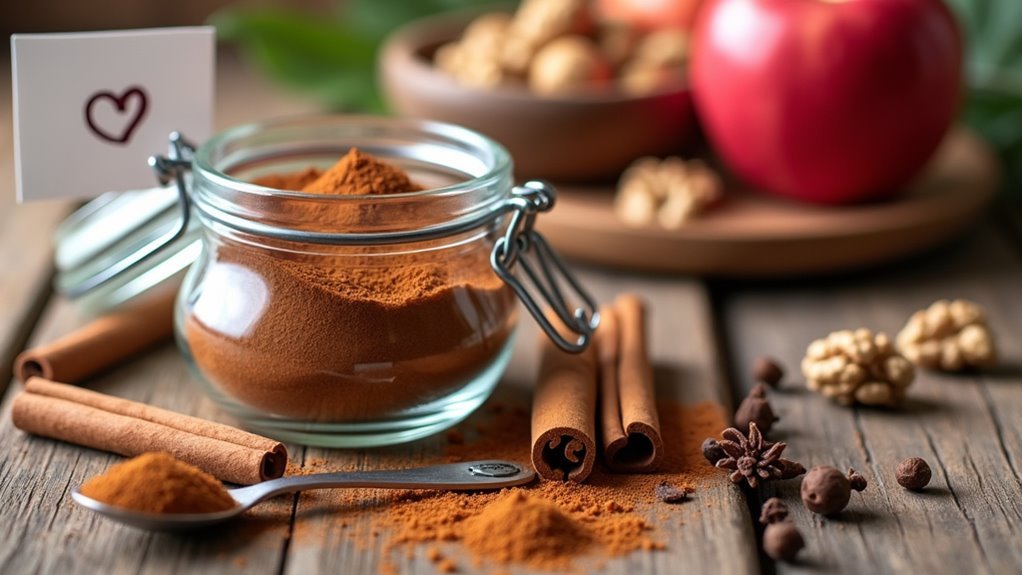
While the clinical evidence for cinnamon’s blood sugar benefits is compelling, determining the right amount for your needs requires careful consideration of dosage, safety, and individual health factors.
The ideal dosage for blood sugar regulation typically ranges from 1 to 6 grams daily, though you’ll want to start conservatively. Ceylon cinnamon offers superior health benefits with lower toxicity risks compared to Cassia varieties.
Essential guidelines for safe consumption include:
- Start with lower doses: Begin with 0.5-1 gram daily, especially with Cassia cinnamon
- Choose Ceylon over Cassia: Higher antioxidants, reduced coumarin exposure
- Seek professional guidance: Consultation with healthcare provider before starting supplements
- Track your response: Regular monitoring blood sugar levels to assess effectiveness
You shouldn’t use cinnamon supplements without medical supervision, particularly if you’re taking diabetes medications or are pregnant.
Cinnamon’s Role in Post-Meal Blood Sugar Spike Prevention
When you consume cinnamon with your meals, it actively slows your gastric emptying rate, which means food moves more gradually from your stomach into your small intestine where glucose absorption occurs.
This delayed process gives your body more time to process incoming sugars rather than experiencing a sudden flood of glucose into your bloodstream.
Additionally, cinnamon blocks specific carbohydrate-digesting enzymes, preventing some of the starches and sugars you’ve eaten from breaking down into absorbable glucose in the first place.
Slowing Gastric Emptying Rate
One of cinnamon’s most notable mechanisms for controlling blood sugar involves its ability to slow gastric emptying—the rate at which food moves from your stomach into your small intestine.
This delayed process prevents rapid glucose absorption, creating more stable postprandial blood sugar levels.
Cinnamon’s impact on glucose metabolism works through several pathways:
- Prolonging food digestion in your stomach before nutrients enter the bloodstream
- Reducing the speed at which carbohydrates break down into glucose
- Inhibiting digestive enzymes responsible for carbohydrate processing
- Creating sustained energy release instead of sharp blood sugar spikes
For individuals with diabetes, this slower gastric emptying translates into improved glycemic control.
Studies demonstrate that cinnamon consumption with meals considerably lowers post-meal glucose levels, making it a valuable tool for natural blood sugar management.
Blocking Carbohydrate Enzymes
Beyond slowing gastric emptying, cinnamon employs another powerful mechanism to regulate your blood sugar: blocking the enzymes responsible for breaking down carbohydrates.
Cinnamon inhibits carbohydrate-digesting enzymes like alpha-glucosidase, which slows carbohydrate breakdown into glucose and reduces post-meal blood sugar spikes. The phenolic compounds in cinnamon, particularly cinnamaldehyde, contribute to this enzyme-blocking ability, leading to gradual glucose release into your bloodstream after meals.
Studies show cinnamon supplementation greatly reduces postprandial blood sugar levels, with participants experiencing up to 24% decreases.
This mechanism helps improve glucose metabolism by preventing rapid glucose increases following carbohydrate intake. For individuals with type 2 diabetes, incorporating 1-6 grams of cinnamon daily has been linked to improved overall blood sugar management through this enzyme-blocking action.
Antioxidant Properties and Their Impact on Diabetes Complications
While diabetes primarily affects blood sugar regulation, the condition’s most devastating consequences often stem from oxidative stress that damages blood vessels, nerves, and organs throughout your body.
Cinnamon’s antioxidant properties offer powerful protection against these diabetes complications by neutralizing harmful free radicals that fuel inflammation and insulin resistance.
Ceylon cinnamon provides superior antioxidant content compared to common Cassia varieties, making it your best choice for therapeutic benefits.
Research shows cinnamon’s antioxidants can markedly reduce oxidative markers in type 2 diabetes patients.
Key benefits include:
- Reduced inflammation that contributes to insulin resistance
- Protection against nerve and blood vessel damage
- Improved blood lipid profiles reducing cardiovascular risks
- Enhanced overall metabolic health through cellular protection
Regular cinnamon consumption creates a protective shield against diabetes’s most serious long-term consequences.
Potential Drug Interactions and Safety Precautions
You’ll need to take into account important safety factors before adding cinnamon supplements to your diabetes management routine.
Blood sugar medications can interact with cinnamon, potentially causing dangerous drops in glucose levels that require careful monitoring.
You should also assess liver health risks and supplement quality standards to guarantee you’re choosing safe, effective products.
Blood Sugar Medication Interactions
If you’re taking blood sugar-lowering medications, cinnamon can amplify their effects and potentially drive your glucose levels dangerously low. This interaction affects common diabetes medications like metformin, sulfonylureas, and insulin, making careful monitoring vital.
Before adding cinnamon to your routine, you’ll need to:
- Consult your healthcare provider about potential hypoglycemia risks
- Monitor blood sugar levels more frequently when starting cinnamon supplementation
- Choose Ceylon cinnamon over Cassia varieties to avoid liver toxicity
- Avoid combining cinnamon with other glucose-lowering supplements like alpha-lipoic acid
The American Diabetes Association emphasizes caution when mixing cinnamon with blood sugar medications due to additive effects.
Regular glucose monitoring becomes significant since cinnamon alters insulin sensitivity and glucose metabolism, potentially requiring medication dosage adjustments.
Liver Health Considerations
Beyond blood sugar interactions, cinnamon poses considerable liver health risks that demand your attention. High doses of Cassia cinnamon contain coumarin, a compound that’s toxic to your liver when consumed excessively. This becomes particularly concerning when you’re using cinnamon supplements to manage blood sugar levels.
| Risk Factor | Safety Consideration |
|---|---|
| Coumarin toxicity | Limit Cassia cinnamon intake |
| Existing liver disease | Avoid high doses entirely |
| Lead contamination | Choose quality-tested products |
| Medication interactions | Monitor blood glucose closely |
If you have liver conditions, you should avoid high cinnamon amounts altogether. Quality control matters greatly, as contaminated products may contain lead, further threatening your liver health. Your healthcare provider can evaluate cinnamon’s safety for your specific situation and help monitor any adverse effects.
Supplement Quality Standards
When selecting cinnamon supplements for blood sugar management, understanding quality standards becomes critical since these products aren’t regulated for safety or effectiveness.
You’ll need to prioritize products with quality seals that guarantee ingredient integrity and reduce contamination risks like lead exposure.
Here’s what you should consider:
- Choose Ceylon over Cassia cinnamon supplements to avoid potential liver damage from coumarin toxicity
- Look for third-party testing certificates that verify purity and potency
- Consult your healthcare provider before starting, especially if you’re taking blood sugar medications
- Start with lower doses while monitoring blood sugar levels to prevent hypoglycemia
Your safety depends on informed cinnamon consumption choices.
Always discuss supplement plans with your healthcare provider, particularly if you have existing liver conditions or take diabetes medications.
Incorporating Cinnamon Into Your Daily Diabetes Management Plan
Adding cinnamon to your daily diabetes management routine requires a strategic approach that balances potential benefits with safety considerations. Start with 1-6 grams of Ceylon cinnamon daily, incorporating it into meals like oatmeal or smoothies. This daily intake may improve your insulin sensitivity and reduce fasting serum glucose levels, as studies show promising results for blood sugar regulation.
Monitor your blood sugar levels regularly to track cinnamon’s effects on your diabetes management plan. Combine this spice with plant-based foods and regular exercise for enhanced metabolic health.
Always consult your healthcare provider before adding cinnamon supplements, especially if you’re taking diabetes medications. Stay within recommended dosages to avoid coumarin toxicity while maximizing potential benefits for your overall glucose control.
Long-Term Effects on Hemoglobin A1c and Insulin Sensitivity
While short-term benefits of cinnamon supplementation are encouraging, the long-term effects on key diabetes markers reveal even more promising results for your glucose management strategy.
Research shows cinnamon’s sustained impact on type 2 diabetes management over several months. You’ll experience significant improvements in hemoglobin A1c levels, with studies documenting decreases of 0.5% to 1% over 3-4 months.
Your insulin sensitivity also improves dramatically, as evidenced by fasting insulin levels dropping 18-29% with regular consumption.
Key long-term benefits include:
- Hemoglobin A1c reduction of up to 1% over 3-4 months
- Enhanced insulin sensitivity with 18-29% lower fasting insulin levels
- Sustained blood sugar control through improved glucose uptake
- Meta-analysis support for cinnamon as effective adjunct therapy
These bioactive compounds continue working to mimic insulin action, providing lasting improvements in your diabetes management approach.
Frequently Asked Questions
How to Use Cinnamon to Control Blood Sugar?
You can sprinkle 1-6 grams of Ceylon cinnamon daily on oatmeal, yogurt, or smoothies to reduce blood sugar spikes. It’ll improve insulin sensitivity and slow gastric emptying, but monitor levels closely if you’re taking diabetes medication.
How Long Does It Take Cinnamon to Lower Blood Sugar?
You’ll notice cinnamon beginning to lower your blood sugar within hours, but you’ll see significant results after 20-40 days of consistent daily use, with reductions ranging from 18-29%.
What Spice Lowers Blood Sugar Quickly?
You’ll find cinnamon’s the most effective spice for quickly lowering blood sugar. It enhances insulin sensitivity and mimics insulin’s effects, with studies showing it can reduce glucose levels within hours of consumption.
Is It Better to Take Cinnamon in the Morning or at Night?
You’ll likely benefit more from taking cinnamon in the morning since it helps stabilize blood sugar throughout the day and improves your body’s insulin response after fasting overnight.


Leave a Reply