
You can boost your child’s immunity with these ten zinc-rich foods: oysters (providing nearly 500% daily zinc), lean beef and red meat (3.8mg per serving), dark meat chicken (16% daily needs), Alaskan King Crab (43% requirements), chickpeas (18% per cup), Greek yogurt (11% daily zinc), cashews (11% per ounce), fortified cereals (up to 25%), quinoa (2mg per cup), and pumpkin seeds (15% daily needs). These nutrient-dense options strengthen white blood cell function while supporting cognitive development and growth—discover creative preparation methods that’ll make even picky eaters excited about zinc.
Oysters: The Ultimate Zinc Powerhouse for Growing Bodies

When you’re searching for the most powerful zinc source to boost your child’s immunity, oysters stand unmatched as nature’s ultimate mineral treasure.
These shellfish deliver nearly 500% of the daily recommended zinc intake in just a 3-ounce serving, making them unbeatable for children’s health.
Zinc from oysters directly strengthens your child’s immune system by enhancing white blood cell development and function.
These essential immune cells become more effective at fighting infections and illnesses when properly nourished with adequate zinc levels.
Beyond immunity, oysters support your child’s overall growth, brain development, and cognitive performance.
You can make them appealing by preparing dishes like Oysters Au Gratin, transforming this nutritional powerhouse into an enjoyable family meal that delivers exceptional health benefits.
Lean Beef and Red Meat: Premium Protein With High Zinc Content
Power-packed lean beef delivers exceptional zinc content that transforms your child’s nutritional foundation. A 3-ounce serving supplies 3.8 mg of zinc, meeting considerable daily requirements while providing premium protein for muscle development.
| Cut | Zinc (mg) | Protein (g) |
|---|---|---|
| Bottom Sirloin | 3.8 | 23 |
| Eye of Round | 3.5 | 24 |
| Top Round | 3.2 | 22 |
Red meat greatly enhances children’s health by supporting cognitive functions through improved brain development. You’ll notice enhanced memory and learning capabilities when zinc intake becomes adequate. The immune system strengthens markedly as zinc optimizes immune cell function, reducing infection risks. Beyond zinc benefits, lean beef provides essential iron that maintains energy levels and prevents anemia, creating extensive nutritional support for growing bodies.
Poultry and Dark Meat Chicken: Kid-Friendly Zinc Sources
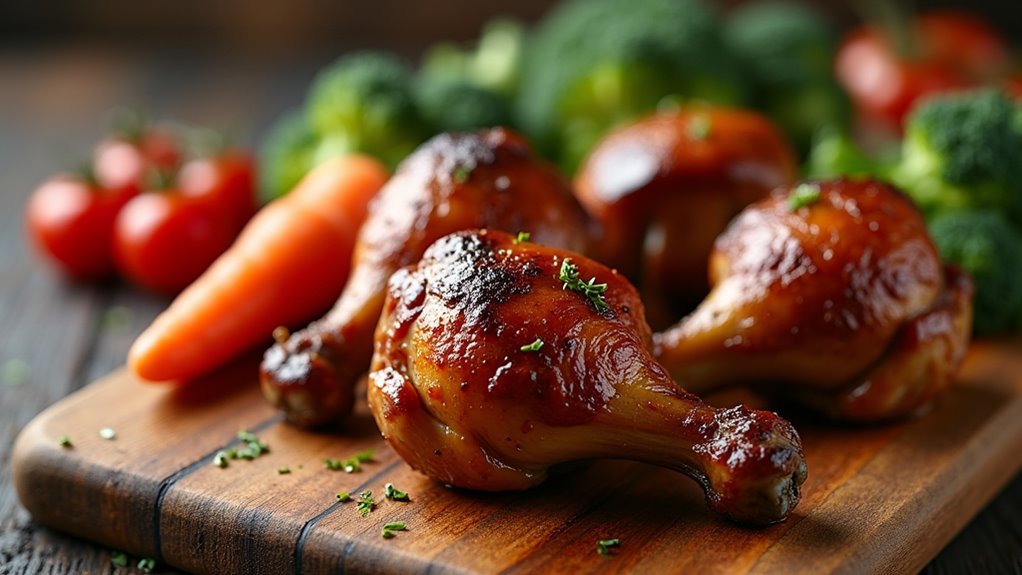
Dark meat chicken emerges as a champion zinc source that children actually enjoy eating. Unlike white meat, dark meat chicken contains considerably higher zinc levels, making it an excellent addition to children’s diets.
You’ll find that a 3-ounce serving provides about 16% of your child’s daily zinc needs while supporting their growth and immune function.
Poultry’s versatility makes it perfect for picky eaters. You can prepare dark meat chicken through various cooking methods that appeal to children’s taste preferences.
Key benefits of incorporating poultry as zinc sources include:
- Enhanced nutrition – Combines zinc with essential proteins for muscle development
- Meal flexibility – Pairs well with zinc-rich legumes and whole grains
- Kid-approved preparation – Easily baked, grilled, or roasted for maximum appeal
Shellfish and Crab: Ocean Treasures for Immune Support
You’ll find that shellfish pack an incredible zinc punch for your child’s immune system, with oysters delivering nearly 500% of daily zinc needs in just one serving.
Crab and lobster also provide substantial zinc levels while offering kid-friendly flavors that won’t overwhelm young palates.
The key is preparing these ocean treasures in appealing ways that’ll make your children excited about eating these immune-boosting powerhouses.
Zinc Content Benefits
Ocean waters deliver some of nature’s most concentrated zinc sources through shellfish, making them exceptional allies for your child’s immune system.
These seafood treasures dramatically boost zinc levels in your child’s diet, with oysters providing nearly 500% of daily requirements in just one serving.
The remarkable zinc content in shellfish directly strengthens your child’s immune system by supporting immune cell development and function. This enhanced immune response helps reduce infection severity and builds resilience against illness.
- Oysters: Deliver nearly 500% of daily zinc needs per 3-ounce serving
- Alaskan King Crab: Provides 43% of daily zinc requirements
- Lobster: Offers 23% of essential zinc intake per serving
These excellent sources of zinc help prevent situations where zinc deficiency include compromised immunity, making shellfish invaluable for growing children.
Kid-Friendly Preparation Methods
How can you transform zinc-rich shellfish into meals that’ll actually excite your children? Kid-friendly preparation methods make incorporating the best zinc sources into your child’s diet both delicious and appealing.
Try preparing crab-stuffed mushrooms or lobster ravioli – these creative dishes disguise shellfish in familiar formats kids love. You can also make crab cakes shaped like fun characters or blend crab meat into mac and cheese for a zinc boost.
These approaches help boost immunity while introducing diverse textures and flavors. Since oysters provide nearly 500% of daily zinc recommendations and Alaskan king crab offers 43% per serving, these preparation methods guarantee your child receives essential nutrients.
Making shellfish consumption enjoyable encourages children to embrace new foods while supporting their immune system development.
Legumes and Chickpeas: Plant-Based Zinc for Vegetarian Families

Legumes stand out as nutritional powerhouses for vegetarian families seeking to boost their children’s zinc intake naturally. Chickpeas, lentils, and beans provide excellent plant-based zinc sources, with cooked chickpeas delivering approximately 18% of daily zinc requirements per cup.
Legumes like chickpeas, lentils, and beans deliver essential zinc while supporting healthy growth in vegetarian children’s diets.
This mineral supports vital children’s health aspects including immune function, cognitive development, and proper growth during formative years.
- Easy meal integration: Add legumes to soups, stews, and create appealing dips like hummus for picky eaters
- Nutritional benefits: Beyond zinc, you’ll boost fiber, protein, and essential nutrients in your child’s diet
- Deficiency prevention: Regular legume consumption helps prevent zinc deficiency-related delayed growth and poor immune response
You’ll find legumes offer versatile, kid-friendly options that make maintaining adequate zinc levels simple for vegetarian households.
Pumpkin Seeds and Sunflower Seeds: Crunchy Snacks Packed With Minerals
When you’re looking for zinc-rich snacks your kids will actually enjoy, pumpkin seeds and sunflower seeds offer an impressive mineral boost in small servings.
Pumpkin seeds pack about 15% of daily zinc needs per ounce, while sunflower seeds provide around 10%, making both excellent choices for growing children.
You’ll find these crunchy seeds work perfectly in trail mixes, sprinkled over yogurt, or even eaten plain as an after-school snack.
Zinc Content Comparison
Two popular seed varieties offer distinctly different zinc contributions to your child’s diet, with pumpkin seeds delivering considerably more of this essential mineral than their sunflower counterparts.
When comparing foods rich in zinc, pumpkin seeds provide approximately 15% of daily zinc recommendations per ounce, while sunflower seeds offer only 6%. This significant difference makes pumpkin seeds superior good sources of zinc for supporting your child’s immune function.
Key zinc content comparisons:
- Pumpkin seeds contain 2.5 times more zinc than sunflower seeds per serving
- One ounce of pumpkin seeds meets nearly one-sixth of daily zinc requirements
- Sunflower seeds still contribute valuable essential nutrients despite lower zinc levels
Both seeds offer versatility in your child’s meals, but prioritizing pumpkin seeds guarantees the best zinc intake for developing immunity and growth.
Child-Friendly Serving Ideas
Making these zinc-rich seeds appealing to children requires creative serving approaches that transform them from simple snacks into exciting treats. You can roast pumpkin and sunflower seeds with cinnamon or a light sprinkle of salt to create irresistible crunchy snacks.
Mix them into yogurt parfaits, sprinkle over salads, or incorporate into homemade trail mixes for added texture and nutrition.
These zinc-rich foods seamlessly blend into children’s diets when added to granola bars, smoothie bowls, or baked goods. You’ll find that kids enjoy the satisfying crunch while unknowingly supporting their healthy growth and immune system.
Since pumpkin seeds provide 15% daily zinc per ounce and sunflower seeds offer 10%, these creative serving methods guarantee your children receive essential minerals alongside protein, fiber, and antioxidants for peak immunity.
Dairy Products and Greek Yogurt: Calcium and Zinc Combined
While many parents focus solely on calcium when choosing dairy products, these versatile foods deliver a powerful one-two punch by providing both calcium and zinc in kid-friendly packages.
You’ll find that an 8-ounce serving of yogurt supplies approximately 11% of your child’s daily zinc needs while supporting bone development through calcium content.
Greek yogurt stands out as an exceptional choice for immune health, offering higher protein levels and beneficial probiotics that strengthen your child’s gut health and immune system.
Consider these dairy options to boost zinc intake:
- Mix Greek yogurt with berries for a protein-packed snack
- Serve cheese cubes with whole grain crackers
- Blend milk into smoothies with zinc-rich nuts
Combining dairy products with other zinc-rich foods enhances overall nutrient absorption and supports improved physical and cognitive performance.
Nuts and Cashews: Portable Zinc-Rich Energy Boosters
Cashews pack an impressive zinc punch, delivering about 11% of your child’s daily requirement in just one ounce while serving as convenient, portable snacks that fit easily into lunchboxes or backpacks.
These nutrient-dense nuts don’t just boost zinc levels—they’re loaded with healthy fats, fiber, and magnesium that support your child’s overall nutritional needs.
Beyond zinc, cashews deliver a powerhouse of healthy fats, fiber, and magnesium to fuel your child’s growing body.
You’ll find that incorporating cashews and almonds into your child’s diet enhances their immunity, helping them fight off infections more effectively.
The zinc content in these nuts also supports cognitive development, which directly impacts academic performance and learning abilities.
Since they’re naturally portable and require no preparation, nuts make boosting your child’s zinc intake effortless whether they’re at school, playing sports, or traveling.
Fortified Cereals: Breakfast Options for Picky Eaters
Finding nutritious breakfast options that picky eaters will actually enjoy can feel like an uphill battle, but fortified cereals offer a strategic solution that delivers up to 25% of your child’s daily zinc needs in a single bowl.
These cereals excel at meeting children’s nutritional needs while appealing to selective appetites through sweet flavors and satisfying textures. You’ll maximize zinc intake by pairing fortified cereals with milk or yogurt, which adds protein and calcium alongside the mineral boost.
- Choose whole grain varieties to combine zinc fortification with digestive-supporting fiber
- Look for cereals providing at least 25% daily zinc value per serving
- Pair with dairy products to enhance overall nutritional content
This breakfast strategy transforms mealtime battles into nutritional victories, ensuring picky eaters receive essential immunity-supporting zinc.
Whole Grains and Quinoa: Complex Carbohydrates With Added Zinc Benefits
You’ll find that whole grains and quinoa pack a powerful zinc punch while delivering the complex carbohydrates your child needs for sustained energy and healthy growth.
These nutrient-dense foods contain impressive zinc levels—quinoa offers about 2 mg per cooked cup—that support your child’s developing immune system alongside essential vitamins, minerals, and fiber.
The best part is you can easily transform these ingredients into kid-friendly meals through simple preparation methods that’ll have your little ones asking for seconds.
Zinc Content Levels
When you’re looking to boost your child’s zinc intake through everyday staples, whole grains and quinoa offer excellent dual benefits as both energy sources and immune supporters.
Understanding zinc content levels in these foods helps you make informed choices for your child’s nutrition.
Quinoa stands out among whole grain sources, delivering approximately 2 mg of zinc per cooked cup. This complete protein powerhouse supports your child’s immune system while providing sustained energy.
Other whole grains like oats, brown rice, and whole wheat bread contain about 1.1 mg of zinc per 100 grams.
- Fortified whole grain cereals provide an easy way to meet daily zinc requirements of 5 mg for children aged 4-8
- Quinoa’s complete protein profile makes it superior to other grain sources for growing children
- Variety in whole grains guarantees balanced nutrition with fiber, vitamins, and essential minerals
Energy and Growth
Beyond their zinc content, these whole grains and quinoa serve as nutritional powerhouses that fuel your child’s growth and development through sustained energy release.
Brown rice, oatmeal, and whole wheat bread deliver complex carbohydrates that prevent energy crashes while supporting your child’s immune system through zinc absorption. Quinoa stands out as a complete protein containing 2 mg of zinc per cooked cup, making it exceptional for muscle growth and repair.
These foods stabilize blood sugar levels, helping your active child maintain focus and energy throughout the day. The dietary fiber promotes healthy digestion, ensuring ideal nutrient absorption.
When you combine these zinc-rich whole grains with other nutrient-dense foods, you’re creating a foundation for robust immune function and enhanced growth potential in your developing child.
Kid-Friendly Preparation Methods
Making whole grains and quinoa appealing to children requires creative preparation methods that transform these nutritious powerhouses into exciting meals.
You’ll find that quinoa salads mixed with colorful vegetables and mild dressings create visually appealing dishes that kids love. Whole grain pancakes offer familiar comfort while delivering essential nutrients.
- Quinoa “fried rice” – Mix cooked quinoa with scrambled eggs, peas, and carrots for a fun twist on a favorite dish.
- Whole grain pizza bases – Use whole wheat flour to create homemade pizzas topped with zinc-rich ingredients.
- Breakfast bowls – Combine oats with fruits, nuts, and honey for a sweet morning treat.
These zinc-rich foods become more acceptable when you focus on familiar flavors and textures.
The health benefits remain intact while encouraging positive eating habits.
Frequently Asked Questions
How Can I Increase My Child’s Zinc?
You can increase your child’s zinc by serving lean meats, seafood, legumes, nuts, and dairy products. Try zinc-rich snacks like pumpkin seeds and hummus, or offer fortified cereals for breakfast.
What Food Is Highest in Zinc?
Oysters contain the highest zinc levels you’ll find in any food, delivering nearly 500% of your daily recommended intake in just a 3-ounce serving, making them incredibly nutrient-dense.
What Form of Zinc Is Best for Kids?
You’ll want zinc picolinate for your kids since it’s absorbed better than other forms. Choose liquid supplements for younger children who can’t swallow pills, but consult your pediatrician first.
How to Give Zinc to Kids?
You can give zinc to kids through lean meats, seafood, dairy products, legumes, and nuts. If they’re picky eaters, consider supplements like gummies or liquids, but consult your pediatrician first.


Leave a Reply