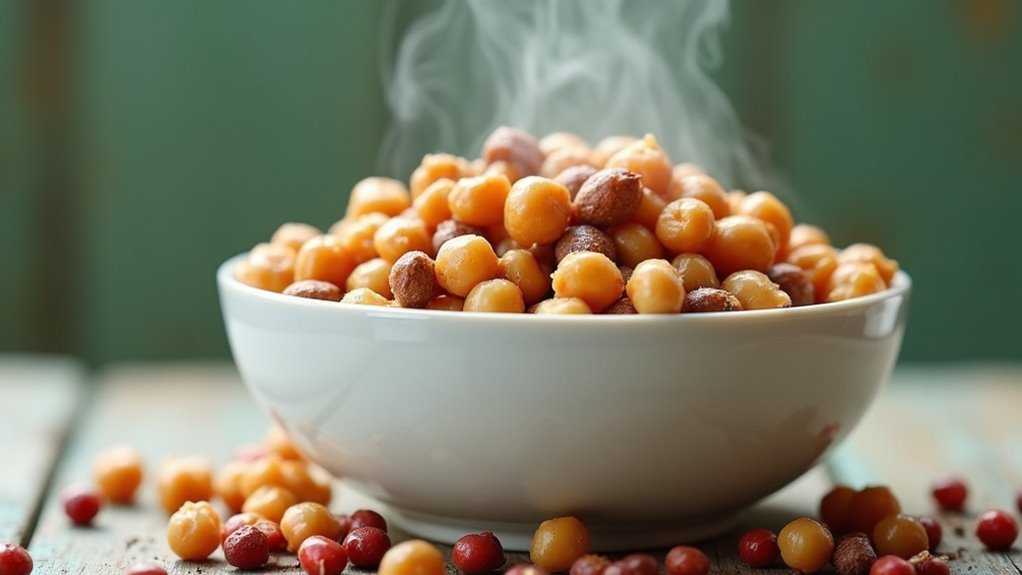
Chickpeas and lentils are zinc powerhouses that’ll strengthen your immune system naturally. You’ll get 1.13 mg of zinc per 100g of chickpeas and an impressive 3.27 mg from lentils, helping you meet daily requirements of 8-11 mg for adults. These legumes also provide protein, fiber, and antioxidants that support immune cell production and reduce inflammation. When you pair them with vitamin C-rich foods, you’ll boost zinc absorption by up to 50%, maximizing their immune-enhancing potential and discovering ideal preparation methods.
Why Zinc Is Essential for Immune Function
When your body faces an infection, zinc acts as a powerful ally by supporting the development and function of immune cells that combat harmful pathogens. This essential mineral modulates your immune response, reducing inflammation while promoting faster wound healing.
Without adequate zinc levels, you’re more susceptible to infections and prolonged illness. Zinc deficiency greatly compromises your immune system’s effectiveness, particularly if you’re in a vulnerable population.
Zinc deficiency leaves your immune system vulnerable, making you more prone to frequent infections and slower recovery times.
Research shows zinc supplementation can shorten common cold duration by approximately 2.25 days, demonstrating its clinical importance. You can strengthen your immune function by consuming foods rich in zinc like chickpeas and lentils.
These legumes provide natural zinc while contributing to a balanced diet that supports your long-term health and immune resilience.
How Chickpeas Support Your Body’s Defense System
Chickpeas pack a powerful nutritional punch that directly strengthens your immune defenses through multiple pathways. These versatile legumes deliver essential nutrients that work synergistically to fortify your body’s natural protection mechanisms.
When you incorporate chickpeas into your meals, you’re providing your immune system with vital building blocks:
- 1.13 mg of zinc per 100g – fueling immune cell production when your body needs it most
- 19g of protein per serving – repairing damaged tissues and creating antibodies that fight infections
- 7.6g of fiber – nourishing beneficial gut bacteria that serve as your first line of defense
- Vitamin B6 and minerals – supporting biochemical reactions that keep your immune responses sharp
This nutrient diversity enhances your overall health, creating resilience against infections and strengthening your body’s ability to recover quickly.
Lentils: A Powerhouse of Immune-Boosting Nutrients
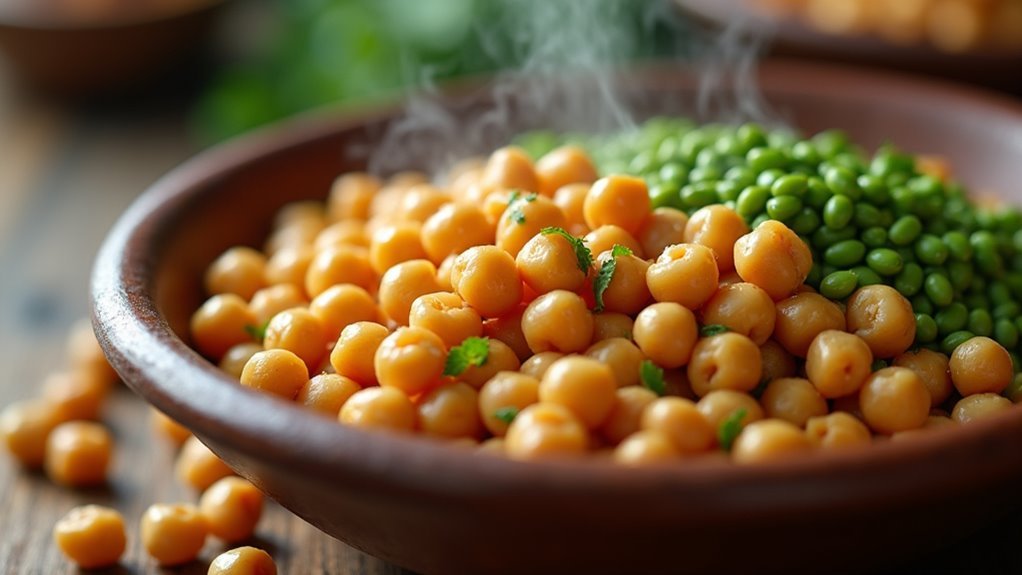
You’ll find that lentils pack an impressive 3.27 mg of zinc per 100g, making them excellent allies for your immune system’s daily battles.
This essential mineral doesn’t work alone – it teams up with lentils’ protein, fiber, iron, and folate to create a nutrient powerhouse that strengthens your body’s natural defenses.
When you regularly include lentils in your meals, you’re giving your immune system the building blocks it needs to function at peak performance.
Lentil Zinc Content
As one of nature’s most nutritionally dense legumes, lentils pack an impressive 3.27 mg of zinc per 100g serving, establishing themselves as a cornerstone for anyone seeking robust immune support from plant-based sources.
You’ll find that lentils don’t just deliver zinc—they’re loaded with protein, fiber, folate, and potassium that work synergistically to strengthen your immune system. This powerful nutrient combination enhances your body’s natural defense mechanisms while supporting tissue repair processes.
Here’s why lentils should become your go-to zinc source:
- Daily zinc needs met easily through regular consumption
- Enhanced bioavailability when you soak or sprout them
- Perfect plant-based alternative for those avoiding animal products
- Immune-boosting nutrient synergy that goes beyond just zinc content
You can maximize zinc absorption by properly preparing your lentils before cooking.
Immune System Benefits
When you’re looking to fortify your immune system naturally, lentils deliver far more than just their impressive zinc content—they’re packed with a complete arsenal of immune-supporting nutrients that work together to keep your defenses strong.
These nutrient-rich legumes provide essential protein, fiber, iron, and folate that contribute to overall immune health while maintaining your energy levels. The high fiber content supports digestive health, which directly impacts immune function since your gut plays a vital role in immune response.
Lentils also contain powerful antioxidants that combat oxidative stress and inflammation. You’ll maximize zinc absorption and immune benefits by pairing lentils with vitamin C-rich foods like tomatoes or bell peppers in your meals.
Daily Zinc Requirements for Optimal Health
Understanding your body’s zinc requirements helps you make informed dietary choices that support peak health. Your daily zinc requirements vary based on age, gender, and life stage.
Adult men need 11 mg daily, while women require 8 mg. Pregnant and breastfeeding women have increased zinc needs at 12 mg daily.
Meeting these requirements becomes essential when you consider zinc’s role in your immune system function, wound healing, and DNA synthesis.
If you’re following a plant-based diet, you’ll need to pay extra attention to zinc sources since plant foods offer lower bioavailability.
Your zinc needs by life stage:
- Children (1-10 years): 3-5 mg daily – supporting rapid growth and development
- Adult men: 11 mg daily – maintaining robust immune function
- Adult women: 8 mg daily – ensuring ideal cellular processes
- Pregnant/breastfeeding women: 12 mg daily – supporting both mother and baby’s health
Comparing Zinc Content in Different Legume Varieties
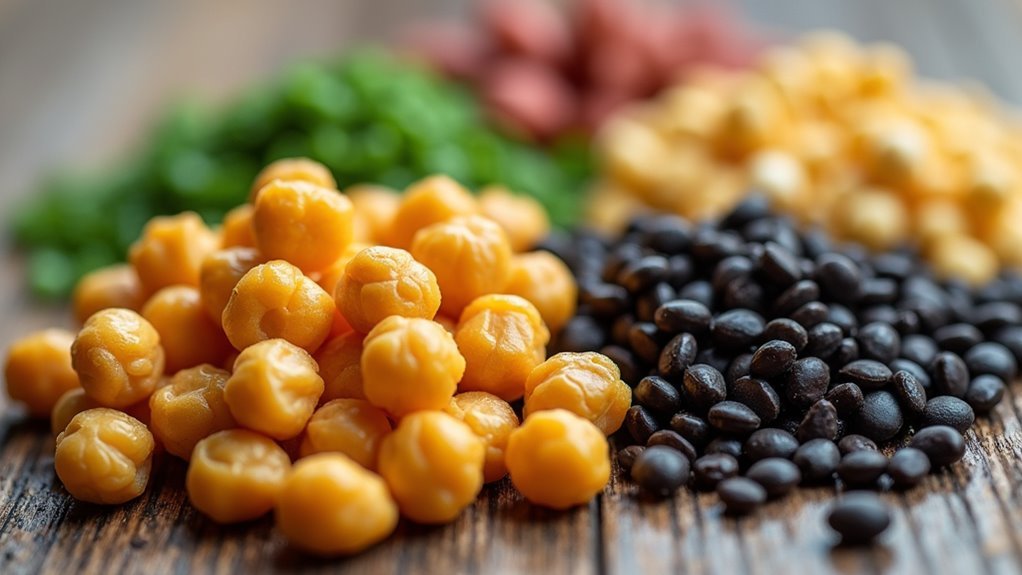
Which legumes pack the most zinc punch for your plant-based diet?
Lentils lead the pack with 3.27 mg zinc per 100 grams, making them your top legume option for meeting daily requirements. Black beans follow with 1.9 mg, while edamame provides 2.1 mg zinc per serving. Chickpeas offer 1.13 mg, still representing a valuable source for regular consumption.
Even peas contribute 0.5 mg, proving that various plant-based foods can boost your intake.
When you’re planning zinc-rich meals, lentils deliver nearly three times more zinc than chickpeas. However, you’ll benefit from rotating different legumes throughout your week.
This variety guarantees you’re maximizing nutritional diversity while consistently meeting your zinc needs through delicious, plant-based options that support immune function.
Maximizing Zinc Absorption From Plant-Based Sources
You can considerably boost zinc absorption from chickpeas and lentils by reducing their phytate content through soaking, sprouting, or fermenting before cooking.
Pairing these legumes with citrus fruits or other vitamin C sources creates an acidic environment that enhances your body’s ability to absorb zinc.
Strategic meal timing and combining zinc-rich foods with absorption enhancers rather than inhibitors will help you maximize the nutritional benefits from plant-based sources.
Phytate Reduction Techniques
While chickpeas and lentils pack impressive zinc content, phytates naturally present in these legumes can greatly hinder your body’s ability to absorb this essential mineral.
You can dramatically boost zinc absorption by using these proven phytate reduction techniques:
- Soak your legumes overnight – This simple step breaks down phytates that steal your zinc.
- Try sprouting chickpeas and lentils – Sprouting activates enzymes that destroy phytates while increasing zinc content.
- Ferment your legumes – Fermentation naturally reduces phytate levels through beneficial bacterial activity.
- Cook thoroughly using boiling or steaming – Heat processing greatly lowers phytate concentration.
You’ll maximize zinc absorption by pairing these prepared legumes with vitamin C-rich foods like bell peppers or citrus fruits, which counteract remaining phytates.
Citrus Acid Pairing
Three simple citrus additions to your zinc-rich legume meals can boost mineral absorption by up to 50%. When you pair chickpeas and lentils with citrus fruits like oranges, lemons, or grapefruits, you’re maximizing your body’s ability to absorb zinc.
The citric acid in these vitamin C-rich foods counteracts phytates that normally inhibit mineral uptake.
You’ll find it easy to incorporate this pairing into your daily routine. Squeeze fresh lemon juice over your chickpea salad, add orange segments to lentil dishes, or drizzle lime on your hummus.
These combinations don’t just enhance flavor—they greatly increase zinc bioavailability from zinc-rich plant-based sources. This enhancement becomes essential for maintaining proper immune function and ensuring your body receives adequate zinc levels for ideal health.
Meal Timing Strategies
Beyond enhancing your citrus pairings, strategic meal timing can considerably impact how much zinc your body absorbs from chickpeas and lentils. Your body’s nutrient uptake varies throughout the day, making timing essential for maximizing zinc absorption.
Optimal timing strategies for enhanced zinc absorption:
- Schedule your chickpeas and lentils during mid-morning hours when your digestive system operates at peak efficiency.
- Target early afternoon meals to capitalize on your body’s natural absorption cycles.
- Combine with vitamin C-rich foods during these prime windows for maximum bioavailability.
- Avoid evening consumption when your metabolism naturally slows down.
These meal timing strategies guarantee you’re getting the most nutritional value from your plant-based zinc sources, supporting stronger immunity when your body needs it most.
Simple Ways to Add More Chickpeas to Your Diet
Since chickpeas pack 1.13 mg of zinc per 100g serving, you’ll want to find creative ways to incorporate them into your daily meals.
These versatile legumes support your immune system while fitting perfectly into any plant-based diet.
Chickpeas deliver immune-boosting zinc while seamlessly adapting to your favorite plant-based recipes and dietary preferences.
Toss chickpeas into leafy green salads for an instant zinc boost that’ll keep you satisfied longer. Create homemade hummus by blending them with tahini and lemon – it’s a flavorful dip packed with essential nutrients.
For added crunch, roast chickpeas and sprinkle them over soups or grain bowls.
You can even blend chickpeas into smoothies for extra protein without altering the taste. Replace meat in tacos or stir-fries with chickpeas to create satisfying plant-based meals rich in both zinc and fiber.
Creative Lentil Recipes for Immune Support
Lentils deliver even more zinc than chickpeas at 3.27 mg per 100g, making them powerhouse ingredients for strengthening your immune system.
These plant-based zinc champions offer incredible versatility in creating nourishing meals that provide essential immune support. You’ll find lentils are among the best foods you can eat for consistent zinc intake.
Transform your immunity with these creative recipes rich in zinc:
- Hearty Mediterranean lentil stew – Simmer red lentils with tomatoes, garlic, and herbs for a comforting zinc source that warms your soul.
- Spiced Indian dahl – Cook yellow lentils with turmeric and ginger for anti-inflammatory benefits.
- Lentil-vegetable curry – Combine green lentils with bell peppers for enhanced zinc absorption.
- Cold lentil salad – Mix cooked lentils with citrus vinaigrette for invigorating nutrition.
Signs You May Need More Zinc in Your Diet
How can you tell if your body isn’t getting enough zinc from foods like chickpeas and lentils? Several signs indicate zinc deficiency that you shouldn’t ignore.
Your immune system may struggle, leading to frequent infections and slow wound healing. You might notice changes in taste and smell, as zinc maintains these essential senses. Hair loss, loss of appetite, and skin lesions are additional warning signals your health needs attention.
Children experiencing delayed growth may need more zinc-rich foods in their diet.
If you’re an older adult facing cognitive decline, low zinc levels could be contributing to brain function issues. These signs suggest your body requires increased zinc intake from nutritious sources like chickpeas and lentils to restore peak health and support proper immune system function.
Combining Legumes With Other Immune-Supporting Foods
You’ll maximize zinc absorption from chickpeas and lentils by pairing them with vitamin C-rich citrus fruits like oranges or lemons.
Adding nuts and seeds creates a powerhouse combination that provides complementary minerals and healthy fats to support your immune system.
Combining these legumes with whole grains like quinoa or brown rice doesn’t just complete the protein profile—it amplifies the overall nutritional synergy for better immunity.
Citrus Enhances Zinc Absorption
While zinc-rich legumes like chickpeas and lentils provide essential immune support, you’ll maximize their benefits by pairing them with citrus fruits. The citric acid in oranges, lemons, and other citrus enhances zinc absorption from these plant sources, creating a powerful nutritional combination for your immune system.
Here’s how citrus transforms your legume dishes:
- Boosts absorption rates by up to 50% – turning every meal into a nutrient powerhouse
- Delivers vitamin C alongside zinc – creating an unstoppable immune-fighting duo
- Reduces mineral-blocking compounds – especially when you soak chickpeas and lentils beforehand
- Creates delicious flavor combinations – like lentil souvlaki with grilled lemon or chickpea salads with citrus vinaigrette
This strategic pairing guarantees you’re getting maximum nutritional value from every bite.
Nuts and Seeds Pairing
Beyond citrus fruits, nuts and seeds create another powerful pairing strategy that amplifies the zinc content of your chickpea and lentil dishes.
You’ll maximize immune support by combining cashews (1.7 mg zinc per ounce) or pumpkin seeds (2.2 mg per ounce) with these legumes. This combination delivers healthy fats, protein, and fiber alongside enhanced zinc absorption.
You can improve zinc bioavailability by soaking or sprouting your chickpeas and lentils before cooking, which reduces phytates that inhibit mineral absorption.
Try incorporating these zinc-rich foods into salads, stews, or curries for satisfying, nutrient-dense meals. A chickpea and cashew curry exemplifies how nuts and seeds transform ordinary legume dishes into immune-boosting powerhouses that provide sustained energy and ideal nutrition.
Whole Grains Synergy
When you combine chickpeas and lentils with whole grains like quinoa or brown rice, you’re creating a nutritional powerhouse that enhances zinc absorption through complementary amino acid profiles.
This pairing improves protein quality while the fiber in whole grains supports gut health—essential for ideal immune function. Soaking or sprouting grains before cooking reduces phytates, boosting zinc bioavailability from your zinc-rich foods.
Transform your immune system with these powerful combinations:
- Lentil quinoa bowls deliver 3.27mg zinc from lentils plus 1.9mg from quinoa per serving.
- Chickpea brown rice dishes provide complete proteins for immune cell production.
- Sprouted grain legume salads enhance nutrient absorption for stronger defenses.
- Fiber-rich combinations nourish beneficial gut bacteria that support immunity.
These legumes paired with whole grains considerably contribute to your daily zinc requirements.
Frequently Asked Questions
Do Lentils Boost Immune System?
You’ll strengthen your immune system by eating lentils regularly. They’re packed with zinc, protein, fiber, iron, and folate that support immune cell production and function, helping your body fight infections more effectively.
Are Lentils High in Zinc?
Lentils aren’t extremely high in zinc, but they’re a decent plant-based source. You’ll get about 1.3 mg from a half-cup serving, which contributes meaningfully to your daily zinc needs for immune function.
Are Chickpeas High in Zinc?
You’ll find chickpeas contain moderate zinc levels at 1.13mg per 100 grams. They’re not extremely high, but they’re still a valuable plant-based zinc source that’ll help support your immune system effectively.
How Do You Get 100% of Zinc Daily?
You’ll get 100% daily zinc by eating varied sources like fortified cereals, legumes, and meat. Soak or sprout chickpeas and lentils, then pair with vitamin C foods for better absorption.


Leave a Reply