

You’ll find the most powerful catechin sources in green tea, which contains 50-90mg of EGCG per cup and can boost your metabolic rate by 4-5%. Dark chocolate with 70% cocoa provides significant epicatechin levels, while apples deliver 1-2mg of catechins with metabolism-enhancing fiber. Berries like blueberries and strawberries offer catechins plus anthocyanins for fat oxidation. White tea and oolong tea also provide potent catechin concentrations that increase energy expenditure and support weight management through enhanced fat burning mechanisms.
What Are Catechins and How Do They Enhance Metabolism
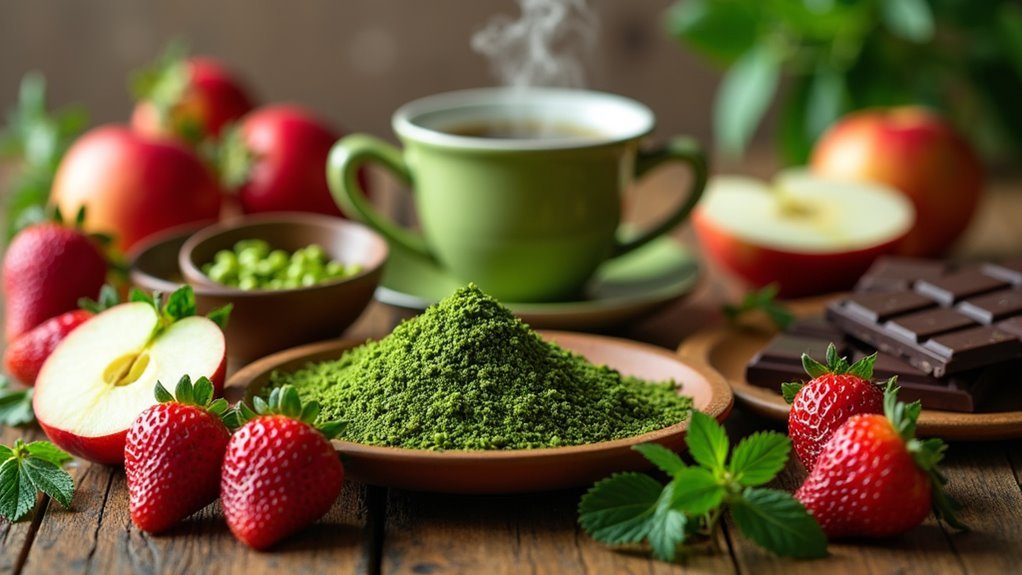
Catechins are powerful phytochemical compounds that naturally occur in plant-based foods and beverages, working as potent antioxidants while delivering remarkable metabolic benefits.
When you consume catechin-rich foods, you’re activating your body’s natural fat-burning mechanisms. These compounds, particularly epigallocatechin gallate (EGCG), directly enhance your metabolism by increasing energy expenditure and promoting fat oxidation at the cellular level.
Your metabolic rate receives a significant boost as catechins stimulate thermogenesis, helping your body burn more calories throughout the day. This enhanced metabolic activity supports effective weight management by targeting stored body fat.
Additionally, catechins improve your overall metabolic health by supporting healthy gut microbiota, which plays an essential role in metabolic efficiency and helps reduce your risk of developing chronic diseases.
Green Tea: The Ultimate Catechin Powerhouse for Fat Burning
Green tea stands as nature’s most concentrated source of metabolism-boosting catechins, delivering an impressive 50-90 milligrams of EGCG per cup.
You’ll experience a 4-5% increase in your metabolic rate when you drink this powerful beverage regularly. The synergistic combination of caffeine and catechins in green tea enhances fat oxidation, making it your go-to choice for effective weight loss.
When you consume green tea before exercise, you’ll boost your calorie burning and overall energy expenditure.
Regular consumption improves your insulin sensitivity and reduces metabolic syndrome risk. You’ll see modest yet meaningful results by drinking 2-3 cups daily, contributing to better body composition over time.
Green tea’s concentrated catechins make it the ultimate fat-burning powerhouse for naturally accelerating your metabolism.
Dark Chocolate and Cacao: Rich Sources of Metabolism-Boosting Catechins
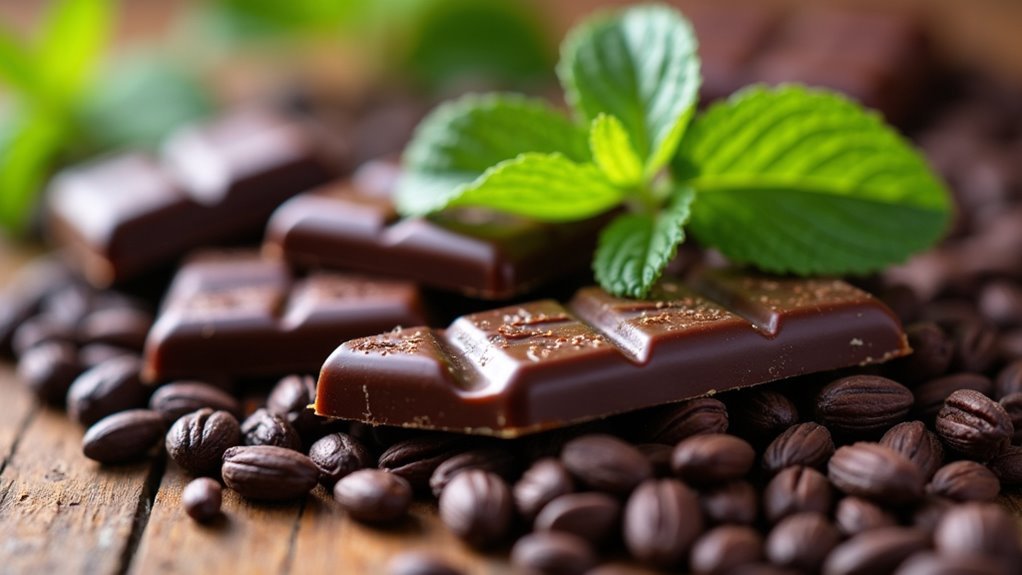
While green tea often steals the spotlight for catechin content, dark chocolate and cacao offer surprisingly potent alternatives that’ll satisfy your sweet tooth while boosting your metabolism.
Cacao beans pack an impressive punch with 88.5 mg of catechin and 99.2 mg of epicatechin per 100 grams, while dark chocolate provides 12.0 mg and 41.5 mg respectively. These metabolism-boosting compounds support your body’s fat oxidation processes and enhance metabolic health.
High-quality dark chocolate (70% cocoa or higher) delivers additional benefits:
- Improved endothelial function and reduced cardiovascular disease risk
- Enhanced fat oxidation that supports weight management efforts
- Rich flavonoid content that promotes overall metabolic wellness
Remember to choose products with minimal added sugars to maximize these metabolic benefits without excess calories.
Apples and Their Catechin Content for Metabolic Support
You’ll find that apples contain significant amounts of epicatechin, with concentrations that can meaningfully impact your metabolic rate when consumed consistently.
The catechins in apples work to enhance fat oxidation while their high fiber content helps regulate your appetite and energy expenditure throughout the day.
To maximize these metabolic benefits, you should aim for one to two medium apples daily as part of your regular eating routine.
Apple Catechin Concentration Levels
Although apples aren’t the highest catechin sources compared to tea or berries, they still provide meaningful amounts that can support your metabolic goals. Each medium apple delivers 1-2 mg of catechins like epicatechin, which promote fat oxidation and boost metabolism naturally.
The catechin concentration varies greatly between apple varieties:
- Red Delicious and Fuji apples contain higher catechin levels than other varieties
- Green apples typically have moderate catechin concentrations compared to red varieties
- Processing methods like juicing reduce catechin content substantially versus whole apples
Apple’s fiber content works synergistically with catechins to enhance metabolic benefits. This combination helps maintain satiety longer, potentially reducing your overall calorie intake throughout the day.
When you’re building a metabolism-boosting diet, apples provide an accessible, affordable catechin source that complements other antioxidant-rich foods perfectly.
Metabolic Rate Enhancement Effects
When you eat apples regularly, their catechin content triggers several metabolic processes that can increase your body’s calorie-burning capacity.
The epicatechin found in apples directly enhances fat oxidation, helping your body burn stored fat more efficiently. This boost in energy expenditure means you’ll burn more calories throughout the day, supporting your weight management goals.
Apple’s 4 grams of fiber per medium fruit creates sustained fullness, naturally reducing your calorie intake.
The soluble fiber, particularly pectin, blocks fat absorption while supporting healthy digestion. These combined effects work synergistically to elevate your metabolic rate.
Optimal Daily Consumption Guidelines
Understanding these metabolic benefits naturally leads to the question of how many apples you should eat daily for optimal catechin intake. One medium apple provides approximately 4 grams of dietary fiber and beneficial catechins like epicatechin, making it an excellent choice for metabolic health support.
For best weight management and metabolism enhancement, consider these daily consumption guidelines:
- Consume 1-2 medium apples daily to maximize catechins while maintaining balanced nutrition
- Eat apples with skin intact since most catechins concentrate in the peel
- Space apple consumption throughout the day to sustain fat absorption benefits
This approach guarantees you’re getting enough dietary fiber and catechins to support your metabolism without excessive sugar intake.
The pectin in apples works continuously to reduce fat absorption and stabilize blood sugar levels.
Berries: Antioxidant-Rich Fruits That Rev Up Your Metabolism
You’ll find that berries pack impressive amounts of catechins and anthocyanins that directly stimulate your metabolic processes.
These colorful fruits don’t just taste great—they’re actively working to increase your body’s fat-burning capacity and improve insulin sensitivity.
When you regularly include strawberries, blueberries, and raspberries in your diet, you’re giving your metabolism the antioxidant boost it needs to function at peak efficiency.
Berry Catechin Content
Nature’s candy comes packed with powerful metabolism-boosting compounds that’ll transform how your body burns energy.
When you’re looking to maximize fat oxidation through natural antioxidants, understanding berry catechin content helps you make smarter choices for your cardiovascular health.
Here’s what you’ll find in your favorite berries:
- Blueberries deliver approximately 9.7 mg of catechins per 100 grams, making them metabolism powerhouses.
- Strawberries contain about 8.0 mg of catechins per 100 grams plus vitamin C for enhanced iron absorption.
- Raspberries combine catechins with high fiber content, boosting digestion and controlling appetite naturally.
These catechins work synergistically with other compounds in berries to reduce inflammation while supporting your body’s natural fat-burning processes.
You’ll experience improved metabolic efficiency when you incorporate these antioxidant-rich fruits into your daily routine.
Metabolism Boosting Effects
When you consume berries regularly, your metabolic engine shifts into higher gear through a cascade of biochemical processes that amplify calorie burning. The catechins in strawberries, blueberries, and raspberries directly enhance fat oxidation, forcing your body to work harder during digestion and metabolism.
This increased metabolic demand translates to greater calorie burn throughout the day.
You’ll also benefit from berries’ high fiber content, which requires additional energy to process while promoting satiety. This dual action supports effective weight management by reducing overeating tendencies.
The abundant antioxidants in berries combat inflammation, creating ideal conditions for metabolic efficiency. When you incorporate these nutrient-dense fruits into your daily routine, you’re fundamentally programming your metabolism to function at peak performance levels.
Red Wine and Grapes: Catechins That Support Metabolic Function

While many people associate red wine and grapes primarily with their antioxidant benefits, these foods pack a powerful metabolic punch through their catechin content.
Red wine contains epicatechin, which enhances fat oxidation and improves metabolic functions. Black and red grapes offer rich catechin concentrations that boost plasma antioxidant activity while supporting cardiovascular health.
When you consume moderate amounts of red wine, you’ll benefit from improved lipid profiles that aid weight management and metabolic efficiency.
The catechins in both grapes and red wine help reduce LDL oxidation, promoting overall metabolic health.
You can incorporate these foods into your balanced diet to:
- Leverage epicatechin for enhanced fat burning
- Support cardiovascular and metabolic health simultaneously
- Enjoy flavorful options while boosting metabolism
White Tea: A Lesser-Known Catechin Source for Weight Management
Though green tea often steals the spotlight in metabolism discussions, white tea deserves recognition as an equally powerful catechin source for weight management.
You’ll find that white tea contains high levels of catechins, particularly EGCG, which actively boost your metabolism and enhance fat oxidation.
When you drink white tea regularly, you’re supporting increased calorie burning through its thermogenic effect.
Studies show it can help reduce body fat by elevating your metabolic rate throughout the day.
The catechin content rivals that of green tea, making it a valuable addition to your weight loss strategy.
You’ll also benefit from white tea’s rich antioxidant profile, which supports overall health while you work toward your weight management goals.
Oolong Tea: Traditional Metabolism Enhancer With Powerful Catechins
Steeped in centuries of tradition, oolong tea stands out as a metabolism-boosting powerhouse that combines the best properties of green and black teas. This semi-oxidized tea delivers potent catechins like epicatechin and epicatechin gallate that enhance fat oxidation and boost metabolism considerably.
Oolong tea’s semi-oxidized processing creates a metabolism-boosting powerhouse that delivers potent fat-burning catechins for enhanced weight management.
You’ll experience approximately 10% increased energy expenditure for hours after drinking oolong tea, translating to higher calorie burn throughout your day.
The unique processing method preserves concentrated catechins while creating oolong tea’s distinctive flavor profile. These compounds work synergistically with caffeine to:
- Regulate fat absorption and improve metabolic efficiency
- Reduce body fat accumulation over time with regular consumption
- Lower obesity risk through enhanced weight management support
You’ll find oolong tea’s traditional preparation method maintains higher catechin levels than fully oxidized alternatives.
How to Maximize Catechin Absorption for Optimal Metabolic Benefits
Since your body’s ability to absorb catechin absorption directly impacts their metabolism-boosting effects, strategic consumption methods can greatly enhance their bioavailability and therapeutic benefits.
| Timing Strategy | Food Pairing | What to Avoid |
|---|---|---|
| Empty stomach consumption | Add healthy fat sources | Skip dairy products |
| Morning or between meals | Include nuts or avocado | Avoid calcium-rich foods |
| 30 minutes before eating | Pair with olive oil | Don’t drink milk nearby |
| Consistent daily timing | Combine with seeds | Limit processed options |
You’ll boost metabolism more effectively by choosing freshly brewed tea over bottled versions. Include foods rich in catechins like dark chocolate and berries regularly. This approach guarantees superior metabolic benefits while supporting overall metabolic health through enhanced absorption.
Daily Dosage Recommendations for Catechin-Rich Foods and Supplements
You’ll want to aim for 300-400 mg of catechins daily to maximize metabolic benefits, which you can achieve through 3-5 cups of green tea or strategic food combinations.
When choosing supplements, stick to 200-500 mg of catechins to stay within safe limits while still supporting your metabolism.
Understanding these dosage guidelines helps you create an effective daily routine that incorporates both catechin-rich foods and supplements without overdoing it.
Optimal Daily Catechin Amounts
When determining how much catechin you need daily for metabolic benefits, research suggests an ideal range of 150-300 mg from green tea sources.
You can achieve this suitable daily dosage by drinking 3-5 cups of green tea throughout your day to naturally boost metabolism.
If you prefer supplements, green tea extract offers concentrated catechins between 300-600 mg, focusing on EGCG for enhanced metabolic benefits.
However, you shouldn’t rely solely on supplements for healthy metabolism.
Consider these additional catechin sources to diversify your intake:
- Dark chocolate (70%+ cocoa): 100-200 grams provides 30-50 mg catechins
- Fresh blackberries: One cup delivers approximately 37 mg catechins
- Mixed fruits and vegetables: Complement your tea consumption naturally
This varied approach guarantees you’re getting thorough catechins while supporting suitable metabolic function.
Food-Based Dosage Guidelines
To maximize catechin’s metabolic benefits, you’ll need specific daily amounts from various food sources rather than relying on guesswork.
For ideal metabolism support, aim for 3-5 cups of green tea daily, delivering 240-320 mg of catechins. You can supplement this with 1-2 ounces of dark chocolate containing 70% cocoa or higher, providing an additional 20-30 mg of catechins while supporting antioxidant levels.
If you prefer black tea, 3-5 cups will give you 100-150 mg of catechins. Include a cup of brewed berries for 30-40 mg more.
For maximum benefits, consume 30-50 grams of raw cacao or cocoa powder daily. This strategic daily consumption approach guarantees you’re getting therapeutic catechin levels for enhanced metabolic function.
Supplement Safety Limits
While catechin-rich foods offer significant metabolic benefits, understanding safe dosage limits prevents potential health risks and guarantees you’re getting ideal results.
When considering catechin supplements, you’ll want to stay within the recommended range of 300-600 mg daily to maximize health benefits while avoiding complications.
Here are key safety guidelines for catechin supplementation:
- Never exceed 800 mg daily – Higher doses can cause serious liver toxicity
- Start with lower doses – Begin at 300 mg to assess your body’s response
- Monitor for side effects – Watch for nausea, stomach upset, or unusual fatigue
You should always consult a healthcare provider before starting any supplement regimen.
They’ll help determine the appropriate dosage based on your individual health profile and make sure you’re maximizing metabolic benefits safely.
Frequently Asked Questions
What Foods Increase Metabolism the Most?
You’ll boost metabolism most with green tea, which increases fat oxidation by 4-5 percent. Dark chocolate, berries, apples, and legumes also enhance calorie burn through their catechin content and thermic effects.
Do Catechins Help Weight Loss?
Yes, catechins help you lose weight by boosting your metabolism 4-5%, enhancing fat oxidation, and reducing appetite. You’ll burn more calories during exercise and find it easier to maintain a caloric deficit for weight loss.
What Are 5 Superfoods to Boost Metabolism for Weight Loss?
You’ll boost your metabolism with lean proteins like chicken and fish, green tea rich in EGCG, spicy chili peppers with capsaicin, metabolism-enhancing ginger, and fiber-packed legumes that increase calorie burn.
Which Food Is Best for Fast Metabolism?
You’ll find green tea’s your best choice for fast metabolism since it contains high levels of EGCG catechins that’ll boost your metabolic rate by 4-5 percent effectively.


Leave a Reply