

You’ll achieve ideal digestive relief by consuming 1-3 grams of ginger daily, with fresh ginger offering superior bioavailability compared to dried forms. Take ginger 30 minutes before meals to enhance gastric motility, or sip ginger tea after eating to combat bloating. Combine it with turmeric and black pepper for enhanced anti-inflammatory benefits, and start with smaller doses to assess your tolerance. Monitor your body’s response through a food diary, and the following strategies will maximize your therapeutic results.
Understanding the Therapeutic Range: 1-3 Grams Daily for Digestive Relief
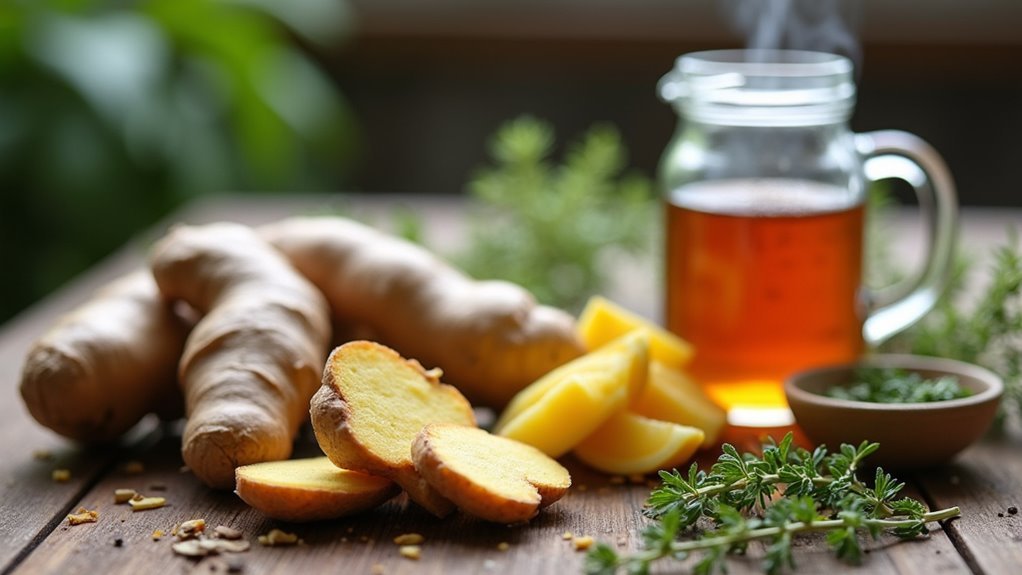
Finding the right ginger dosage can transform your digestive health, with research consistently pointing to 1-3 grams daily as the ideal therapeutic dosage. This range effectively enhances gastrointestinal motility while providing significant relief from digestive discomfort.
Research consistently shows 1-3 grams of ginger daily as the optimal therapeutic dosage for transforming digestive health and enhancing gastrointestinal function.
You’ll experience improved intestinal movement with just 1 gram of ginger, which aids your body’s natural digestive efficiency. The therapeutic benefits extend beyond basic digestion—this dosage range effectively manages nausea, making ginger particularly valuable if you’re pregnant or undergoing chemotherapy treatments.
Within this 1-3 gram range, you’ll also notice reduced bloating and gas as ginger minimizes fermentation and prevents constipation.
However, you should consult your healthcare provider before starting ginger supplementation, especially if you’re taking medications or have existing health conditions.
Fresh vs. Dried Ginger: Which Form Offers Better Bioavailability
When you’re choosing between fresh and dried ginger, you’ll find that fresh ginger contains considerably higher levels of gingerol, the primary bioactive compound responsible for its medicinal effects.
Your body absorbs fresh ginger’s compounds more readily, giving you better bioavailability and more potent anti-inflammatory responses than dried alternatives.
The way you prepare your ginger—whether you peel and slice fresh root or use pre-processed dried powder—directly impacts how much of these therapeutic compounds your digestive system can actually utilize.
Bioactive Compound Concentrations
Two distinct forms of ginger offer different concentrations of bioactive compounds, directly impacting their therapeutic effectiveness in your body.
Fresh ginger contains considerably higher levels of gingerol, the primary compound responsible for ginger’s medicinal properties. When you choose fresh ginger over dried, you’re getting enhanced bioavailability that allows your body to absorb and utilize these powerful compounds more effectively.
The drying process reduces volatile oils and active compounds that make fresh ginger particularly potent. Studies show fresh ginger outperforms dried varieties in promoting gastrointestinal motility and reducing nausea, especially at 1-3 gram doses.
While both forms provide health benefits, fresh ginger’s intense flavor reflects its superior bioactive compound concentration, making it your best choice for ideal ginger consumption and digestive healing results.
Absorption Rate Differences
Beyond compound concentrations, the speed at which your body absorbs ginger’s beneficial compounds varies dramatically between fresh and dried forms. Fresh ginger delivers superior bioavailability, allowing gingerol to enter your bloodstream more efficiently than its dried counterpart. This enhanced absorption rate translates directly to improved digestive health outcomes.
| Form | Absorption Rate | Therapeutic Effect |
|---|---|---|
| Fresh Ginger | High | Immediate relief |
| Dried Ginger | Moderate | Delayed response |
| Ginger Powder | Lower | Requires higher doses |
Your digestive system processes fresh ginger’s active compounds faster, making it more effective for acute nausea and stomach discomfort. While dried ginger offers convenience, you’ll need larger quantities to match fresh ginger’s bioavailability and therapeutic impact on your digestive wellness.
Preparation Method Impact
How you prepare ginger fundamentally alters its therapeutic potential and bioavailability in your system.
Fresh ginger contains considerably higher levels of gingerol, the primary bioactive compound responsible for digestive healing benefits. When you consume fresh ginger in its raw form, you’ll experience improved bioavailability and enhanced gastrointestinal motility, providing quicker relief for digestive issues.
Dried ginger, while convenient for storage and cooking applications, loses essential volatile oils during processing. This reduction decreases its overall therapeutic effectiveness compared to fresh alternatives.
However, dried ginger still offers health benefits and works well in teas or baking.
For peak digestive healing, incorporate fresh ginger into your meals and beverages whenever possible. Reserve ginger powder for convenience when fresh isn’t available.
Timing Your Ginger Intake for Maximum Digestive Benefits
While ginger’s digestive benefits are well-documented, the timing of your intake can greatly amplify its effectiveness. For ideal gastric motility, consume 1-3 grams of ginger 30 minutes before meals to stimulate digestive juices and enhance proper digestion. This dosage effectively prevents nausea while supporting overall digestive health.
After eating, switch to ginger tea to combat bloating and gas. Fresh ginger provides more potent effects than dried varieties for post-meal relief.
During cold months or before travel, time your ginger intake strategically to manage motion sickness and nausea.
Rather than taking one large dose, distribute smaller amounts throughout the day. This approach maintains consistent digestive support without causing gastrointestinal discomfort, ensuring sustained benefits for your digestive system.
Combining Ginger With Other Natural Anti-Inflammatory Compounds
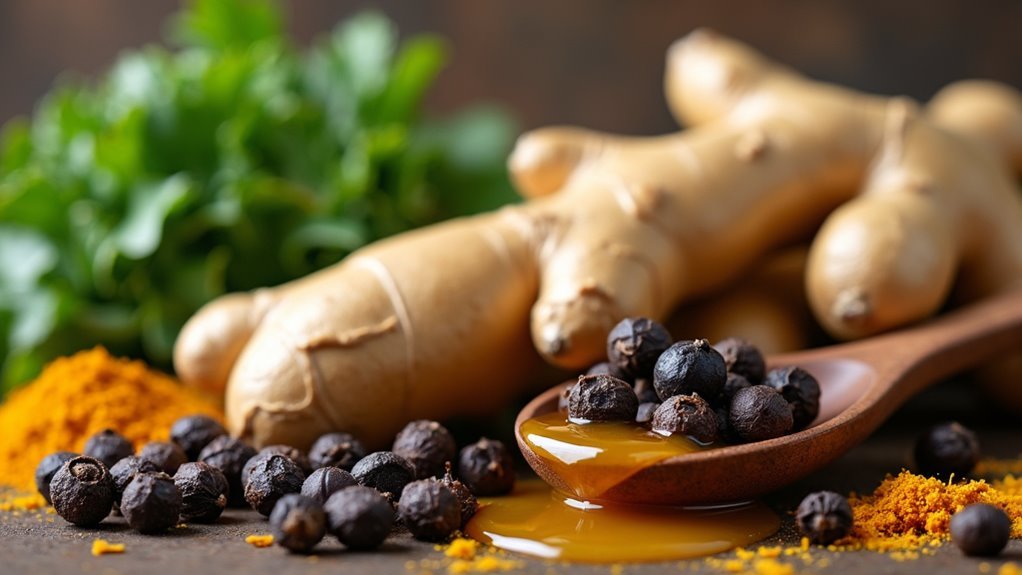
You’ll maximize ginger’s anti-inflammatory potential by strategically pairing it with complementary compounds that enhance its therapeutic effects.
The combination of ginger with turmeric creates a powerful synergy that amplifies both compounds’ ability to reduce inflammation and support digestive health.
Adding honey or green tea to your ginger routine can further boost these benefits while providing additional antioxidant protection.
Turmeric and Ginger Synergy
When you combine ginger with turmeric, you’re creating a powerful anti-inflammatory duo that works synergistically to reduce oxidative stress and enhance digestive health. This combination maximizes both spices’ therapeutic potential, offering superior benefits compared to using either alone.
Here’s how turmeric and ginger work together:
- Enhanced bioavailability – Adding black pepper’s piperine increases curcumin absorption, making the ginger-turmeric combination more effective.
- Improved gastrointestinal function – Together, they promote gastric motility and reduce IBS and IBD symptoms.
- Superior pain management – Ginger reduces pain while turmeric addresses inflammation, particularly beneficial for osteoarthritis.
- Amplified anti-inflammatory effects – The synergistic action provides stronger oxidative stress reduction than individual use.
Incorporating both spices into your meals enhances flavor while maximizing digestive healing and inflammation reduction benefits.
Honey’s Complementary Anti-Inflammatory Effects
Beyond turmeric, honey serves as another exceptional partner for ginger, creating a naturally sweet combination that amplifies anti-inflammatory benefits while soothing digestive irritation.
You’ll find that honey’s anti-inflammatory properties work synergistically with ginger’s gingerol compounds to enhance overall digestive health. Both ingredients contain powerful antioxidants that combat oxidative stress and reduce gastrointestinal inflammation.
When you combine honey with ginger tea, you’re creating an effective remedy for nausea and digestive discomfort.
Honey’s natural sugars complement ginger’s bioactive compounds, providing gentle relief for gastrointestinal irritation while promoting better digestive motility.
Traditional medicine has long recognized this combination for treating gastritis and GERD symptoms, making it an excellent addition to your anti-inflammatory digestive protocol.
Green Tea Combination Benefits
Green tea creates one of the most potent anti-inflammatory partnerships when combined with ginger, as the catechins in green tea work synergistically with ginger’s gingerol compounds to deliver enhanced digestive benefits.
This powerful combination offers multiple advantages for your digestive health:
- Enhanced metabolism boost – The pairing promotes weight loss more effectively than either ingredient alone.
- Superior antioxidant protection – Both compounds combat oxidative stress while reducing gastrointestinal inflammation.
- Improved nausea relief – You’ll experience better stomach soothing and enhanced digestive motility.
- Amplified anti-inflammatory effects – The synergistic relationship between catechins and gingerol provides stronger inflammation reduction.
When you’re seeking natural digestive support, this antioxidant-rich combination delivers extensive gut health benefits that surpass what each ingredient provides individually.
How to Prepare Ginger Tea for Optimal Gingerol Extraction

Although you’ll find countless ginger tea recipes online, mastering the art of ideal gingerol extraction requires specific techniques that maximize the therapeutic compounds in your cup.
To prepare ginger tea effectively, start with fresh ginger slices rather than dried varieties, as they contain higher levels of active compounds. Boil your sliced ginger in water for at least 10-15 minutes to properly release gingerol and other beneficial elements.
Fresh ginger slices release more active compounds than dried varieties when boiled for 10-15 minutes in water.
Once you’ve finished steeping, strain out the ginger pieces before adding lemon or honey. Adding these enhancers after steeping prevents high temperatures from diminishing their properties.
Regular consumption of this properly prepared ginger tea, containing 1-3 grams of ginger, supports digestive health by promoting gastrointestinal motility and reducing discomfort.
Recognizing Signs Your Ginger Dosage Needs Adjustment
When you’re fine-tuning your ginger intake, your body provides clear signals about whether you’ve found the right amount or need to make changes. Monitoring these responses helps you maximize the health benefits of ginger while avoiding unwanted effects.
Key warning signs your ginger dosage needs adjustment:
- Digestive distress – Bloating, gas, or diarrhea indicates you’re taking too much and should reduce your intake.
- Cardiovascular changes – Persistent increased heart rate suggests your dosage is too high.
- Blood-related concerns – Unusual bruising or bleeding, especially if you’re on blood thinners, requires immediate dosage reconsideration.
- Blood sugar fluctuations – Heightened effects on glucose levels mean you should consult a healthcare provider.
Effective ginger dosage should reduce nausea and vomiting without causing adverse reactions.
Safety Considerations When Using Ginger for Chronic Digestive Issues
While ginger offers significant benefits for chronic digestive issues, you’ll need to contemplate several safety factors before incorporating it into your routine.
If you’re taking blood-thinning medications, have gallbladder stones, or suffer from bleeding disorders, ginger supplementation could pose serious health risks.
You should also stick to recommended dosage limits of 1-3 grams daily, as exceeding 5 grams can actually worsen digestive symptoms rather than improve them.
Medication Interaction Risks
Before incorporating ginger into your routine for chronic digestive issues, you must understand its potential interactions with common medications. Ginger supplements can markedly amplify certain drug effects, creating serious health risks you shouldn’t ignore.
Key Medication Interaction Risks:
- Blood thinners – Ginger increases bleeding risk when combined with anticoagulants, requiring careful monitoring of dosage levels.
- NSAIDs – Enhanced anti-inflammatory effects can worsen gastrointestinal issues, causing severe stomach discomfort or ulcers.
- Diabetes medications – Ginger’s blood sugar-lowering properties may trigger dangerous hypoglycemia when combined with glucose-controlling drugs.
- High doses complications – Supplement forms particularly increase interaction severity, causing diarrhea, heartburn, and amplified side effects.
Always consult your healthcare provider before starting any ginger regimen.
Proper Dosage Limits
How much ginger should you take to manage chronic digestive issues safely? For ideal digestive health, you’ll want to stick with 1-3 grams of ginger daily. One gram effectively increases intestinal motility without overwhelming your gastrointestinal system.
Don’t exceed 5 grams per day, as excessive dosage can trigger upset stomach and diarrhea—the opposite of what you’re trying to achieve.
If you’re taking anticoagulant medications, high-dose ginger supplements may increase bleeding risk, so moderation’s essential.
You should avoid ginger entirely if you have gallbladder stones or hemorrhagic diseases.
For personalized dosage guidance tailored to your specific digestive concerns, schedule a consultation with a clinical dietitian who can assess your individual needs and health conditions.
Contraindicated Health Conditions
Understanding proper dosage limits sets the foundation for recognizing when ginger isn’t appropriate for your situation. Certain health conditions make ginger contraindicated, requiring careful consideration before supplementation.
Key contraindicated health conditions include:
- Gallbladder stones – Ginger can worsen symptoms and trigger dangerous complications in affected individuals.
- Hemorrhagic diseases – The blood-thinning properties increase bleeding risks for those with bleeding disorders.
- Anticoagulant therapy – If you’re taking warfarin or similar medications, ginger enhances blood-thinning effects dangerously.
- Chronic digestive issues – High doses exceeding 5g daily cause severe gastrointestinal discomfort, including stomach pain and diarrhea.
You must consult your healthcare provider before starting ginger supplementation, especially with pre-existing conditions that could interact adversely.
Creating a Ginger Supplementation Schedule That Works
When should you take ginger to maximize its benefits? Your ginger supplementation schedule depends on your specific needs and lifestyle.
For digestive support, take 1-3 grams of ginger daily, spreading doses throughout the day with meals to enhance absorption and minimize stomach irritation.
If you’re managing nausea from motion sickness, consume 1 gram about 30 minutes before travel.
For chemotherapy-related nausea, take 1-1.5 grams several times daily as prescribed by your healthcare provider.
You can use ginger powder by mixing 1 teaspoon into warm water or food. Alternatively, incorporate ginger tea into your morning routine for consistent long-term benefits.
This approach maintains recommended dosage levels while making supplementation convenient and sustainable for your daily schedule.
Enhancing Ginger Absorption Through Strategic Food Pairing
While timing your ginger intake matters, you’ll get even better results by pairing it strategically with certain foods that boost absorption.
Smart food pairing can dramatically increase how your body utilizes ginger’s bioactive compounds, maximizing its digestive health benefits.
Strategic food combinations can amplify ginger’s bioactive compounds by thousands of percent, transforming your digestive health outcomes.
Here are four proven combinations to enhance ginger absorption:
- Add black pepper – Contains piperine, which increases gingerol bioavailability by up to 2000%
- Include healthy fats – Olive oil or coconut oil help your body absorb ginger’s beneficial compounds more effectively
- Combine with vitamin C – Citrus fruits create synergistic antioxidant effects that improve ginger’s effectiveness
- Mix with digestive aids – Lemon juice or mint promotes gastric motility and enhances overall absorption
Remember that cooking ginger breaks down its cellular structure, making these bioactive compounds more accessible to your digestive system.
Monitoring Your Body’s Response to Different Ginger Preparations
Since each person’s digestive system responds uniquely to ginger, you’ll need to carefully track how different preparations affect your body.
Start with small amounts—one teaspoon of fresh grated ginger or one gram of ginger powder—then gradually increase to assess your personal tolerance. Fresh ginger typically provides stronger gastrointestinal benefits in 1-3 gram doses, while ginger powder’s potency can vary greatly.
Keep a food diary to monitor how each form impacts your digestive health. Record preparation types, dosages, timing, and any reactions you experience.
This tracking method helps you identify which ginger preparations work best for your system and determine your ideal dosages. Pay special attention to concentrated forms like ginger extract, as they may produce different effects than whole ginger preparations.
Frequently Asked Questions
Can I Take Ginger With Prescription Medications for Acid Reflux?
You should consult your doctor before combining ginger with prescription acid reflux medications. Ginger can interact with certain drugs, potentially affecting their effectiveness or causing unwanted side effects in your digestive system.
How Long Should I Wait to See Digestive Improvements From Ginger?
You’ll typically notice digestive improvements from ginger within a few days to two weeks of consistent use. Start with small doses and gradually increase. Individual responses vary, so don’t expect immediate results overnight.
Is Ginger Safe During Pregnancy for Morning Sickness Relief?
You can safely use ginger for morning sickness, but limit intake to 1 gram daily. Consult your doctor first, especially if you’re experiencing severe nausea or have pregnancy complications before starting any herbal remedies.
Can Children Take Ginger for Digestive Issues and at What Dosage?
You can give children ginger for digestive issues, but consult your pediatrician first. Generally, children over two can take 0.5-1 gram daily. Start with smaller amounts and watch for reactions before increasing dosage.
Does Ginger Interact With Blood Thinning Medications Like Warfarin?
You should exercise caution when taking ginger with warfarin, as ginger can potentially increase bleeding risk. Always consult your doctor before combining ginger supplements with any blood-thinning medications you’re currently taking.


Leave a Reply