
Athletes need considerably more zinc daily because you’ll lose 1 mg per liter through sweat during intense training, while your body’s increased metabolic demands require extra zinc for protein synthesis and muscle repair. Your daily needs jump to 30-60 mg compared to the standard 8-11 mg for sedentary individuals. Without adequate zinc, you’ll experience slower recovery, decreased strength, compromised immune function, and reduced energy production that directly impacts your athletic performance and consistency in competition.
How Intense Training Increases Zinc Losses in Athletes

When you push your body through intense training sessions, you’re not just burning calories and building muscle—you’re also rapidly depleting your zinc stores through multiple pathways.
Athletes face significant zinc losses primarily through sweat, losing up to 1 mg per liter during prolonged exercise. This creates substantially higher requirements compared to sedentary individuals.
Your elevated metabolic processes during intense training demand more zinc for protein synthesis and muscle repair.
If you’re an endurance athlete, you’ll experience even greater depletion due to extended exertion periods.
Additionally, intense training disrupts your hormonal balance, particularly testosterone levels, requiring extra zinc to maintain peak performance.
These combined factors explain why athletes need 30-60 mg of zinc daily—far exceeding standard recommendations.
The Role of Zinc in Energy Production and Metabolism
Beyond simply losing zinc through sweat and metabolic demands, your body depends on this mineral to actually produce the energy that powers your athletic performance.
Zinc participates directly in carbohydrate, protein, and fat metabolism, converting these nutrients into usable fuel. It’s essential for ATP synthesis, your cells’ primary energy currency that sustains prolonged physical activity.
Zinc transforms the food you eat into cellular energy, making it indispensable for sustained athletic performance and endurance.
You’ll also benefit from zinc’s role in enzyme function, particularly carbonic anhydrase, which transports carbon dioxide and maintains acid-base balance during intense exercise.
Additionally, zinc supports ideal testosterone levels, vital for muscle growth and energy metabolism.
When you’re zinc-deficient, your energy production becomes impaired, leading to fatigue and diminished athletic performance during training and competition.
Zinc’s Impact on Muscle Strength and Power Output
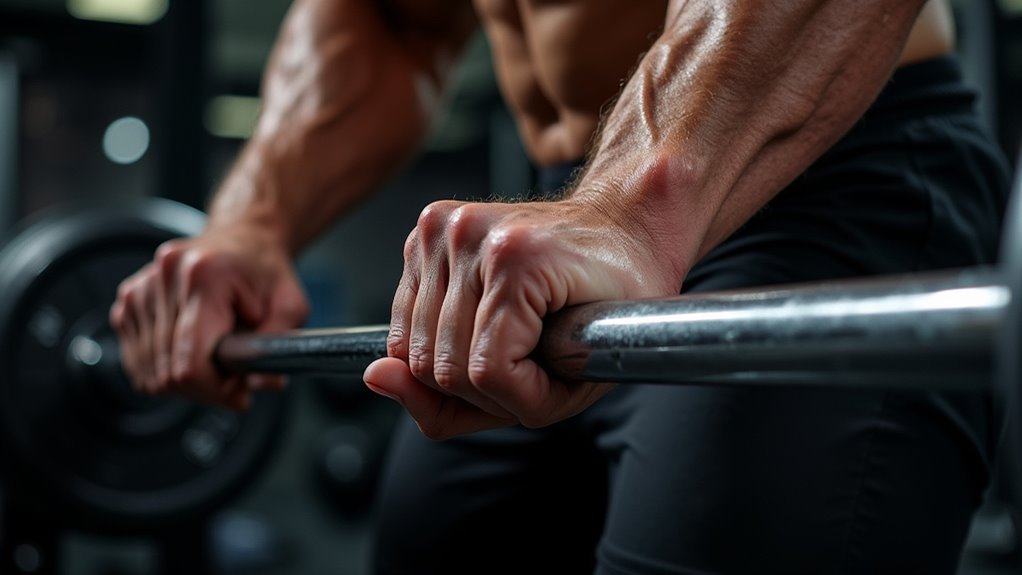
As your muscles contract and generate force during training, zinc works behind the scenes to enhance every aspect of strength and power development.
You’ll find that adequate zinc levels directly support protein synthesis, the fundamental process your body uses for muscle repair and growth. When you maintain proper zinc intake, you’re enhancing your muscle strength capabilities considerably.
Research demonstrates that male athletes with sufficient zinc levels experience measurable increases in muscle strength compared to those with deficiencies.
Zinc supplementation has also been shown to boost testosterone production, which is essential for muscle development and recovery between training sessions.
If you’re zinc-deficient, you’ll likely notice reduced power output and compromised athletic performance.
Ensuring ideal zinc intake prevents these performance decreases and helps you achieve peak strength potential.
Enhanced Immune Function Through Adequate Zinc Intake
While intense training pushes your body to its limits, zinc serves as a cornerstone for maintaining the robust immune function you need to stay healthy and consistent in your athletic pursuits.
Your immune system faces constant challenges from physical stress and training intensity, making adequate zinc intake essential for peak performance.
Research shows zinc supplementation can reduce infection rates by up to 50% in athletes, keeping you training consistently without illness-related interruptions.
When you maintain proper zinc levels, you’re enhancing immune cell activity and reducing inflammation that accompanies intense workouts.
Zinc deficiency leaves you vulnerable to increased illness susceptibility, derailing your training schedule and compromising performance.
Zinc Deficiency Signs Every Athlete Should Recognize

Since your body can’t store zinc for extended periods, recognizing deficiency signs becomes crucial for maintaining athletic performance.
You’ll notice decreased appetite and persistent low energy levels when zinc deficiency develops. These signs of zinc shortage directly impact your training capacity and recovery.
Watch for reduced endurance during workouts, as low levels affect energy metabolism.
Physical symptoms include white spots on your nails and unexpected hair loss, which can damage confidence. Skin problems like rashes and acne may emerge, causing discomfort during competitions.
You might experience impaired taste and smell, making nutritional choices difficult.
Memory problems can also occur with zinc deficiency.
Athletes must monitor these warning signs carefully, as they indicate your performance and health are compromised by inadequate zinc intake.
Daily Zinc Requirements for Different Types of Athletes
Different athletic disciplines place varying demands on your body’s zinc reserves, requiring tailored intake strategies to maintain peak performance.
Understanding the specific required amounts for your sport helps optimize zinc levels and supports both immune function and performance recovery.
Here’s what different athletes typically need:
- Endurance athletes – 30-60 mg daily due to significant sweat losses during prolonged training sessions
- Strength athletes – 20-40 mg daily to support muscle repair and testosterone production
- Female athletes – 8-12 mg daily based on physiological needs and training intensity
- Male athletes – 11-30 mg daily depending on workout volume and dietary zinc intake
Athletes engaged in high-volume training often benefit most from supplementation, especially when deficiency symptoms appear.
Regular monitoring guarantees you’re meeting your body’s increased demands without exceeding safe limits.
Top Dietary Sources of Zinc for Athletic Performance
You’ll find zinc in three main categories of foods that can greatly boost your athletic performance and recovery.
Seafood leads the pack as the ultimate zinc powerhouse, while animal proteins offer consistently high amounts that your body absorbs efficiently.
Plant-based options provide excellent alternatives for vegetarian and vegan athletes who need to meet their zinc requirements through strategic food choices.
Seafood Zinc Champions
Ocean treasures deliver some of nature’s most concentrated zinc sources, making seafood an athlete’s secret weapon for meeting daily mineral requirements.
When you’re pushing your body to peak performance, these zinc-rich foods become essential for maintaining your immune system and supporting recovery.
Here are the top seafood zinc champions you’ll want on your plate:
- Oysters – The undisputed king, delivering nearly 500% of daily value in just 3 ounces
- King crab – Provides 5.9 mg per serving, boosting muscle recovery and immune function
- Mussels – Contains 2.7 mg per 3 ounces, supporting intense training demands
- Sardines – Offers 1.3 mg per serving in a convenient, nutritious package
You’ll get bonus omega-3 fatty acids from this seafood, creating a powerful combination that supports both this essential mineral intake and overall athletic performance.
Animal Protein Sources
Beyond seafood, land-based animal proteins pack impressive zinc concentrations that can supercharge your athletic nutrition plan. Red meat leads the charge, with beef delivering approximately 6.6 mg of zinc per 3-ounce serving—a substantial contribution to your daily intake requirements.
You’ll find poultry like turkey provides around 2.0 mg per serving, making it an excellent lean option for muscle-building athletes.
These animal protein sources don’t just meet your zinc needs; they actively enhance your performance potential. The high bioavailability of zinc from these proteins supports muscle recovery, strengthens immune function, and optimizes protein synthesis.
Plant-Based Zinc Options
Plant-based athletes can meet their zinc requirements through strategic food choices that deliver impressive mineral concentrations.
These foods rich in zinc provide substantial amounts to support your athletic performance and recovery needs.
Consider incorporating these plant-based sources of zinc into your daily nutrition plan:
- Pumpkin seeds – Pack 10.3 mg per ounce, making them an exceptional snack choice.
- Chickpeas – Deliver 3.4 mg per cooked cup when added to meals or salads.
- Fortified cereals – Provide up to 25% of daily value per serving at breakfast.
- Dark chocolate – Contains 3.3 mg per 100 grams for a satisfying treat.
To maximize absorption from these plant sources, you’ll want to soak, sprout, or ferment foods.
These preparation methods reduce phytates that typically inhibit zinc bioavailability, ensuring athletes get ideal mineral uptake.
The Connection Between Zinc and Testosterone Levels
You’ll find that zinc directly supports your body’s testosterone production, making it essential for maintaining ideal hormone levels as an athlete.
When you’re zinc deficient, your testosterone levels can drop considerably, leading to reduced muscle growth, slower recovery, and decreased performance capacity.
To maximize your hormonal health and athletic potential, you’ll want to aim for 20-40 mg of zinc daily, ensuring your body has what it needs to produce adequate testosterone for peak performance.
Zinc’s Testosterone Production Role
Although many athletes focus primarily on macronutrients for performance enhancement, zinc’s role in testosterone production represents one of the most critical micronutrient relationships for athletic success.
When you’re deficient in zinc, your testosterone production plummets, directly sabotaging your muscle growth and recovery potential.
Here’s how zinc impacts your hormonal performance:
- Hormone synthesis regulation – Zinc acts as a cofactor in testosterone manufacturing.
- Deficiency consequences – Low zinc status reduces testosterone levels and athletic performance.
- Supplementation benefits – Zinc supplementation considerably boosts testosterone in deficient individuals.
- Male athlete vulnerability – You’re particularly susceptible to reduced testosterone production and fertility issues.
Maintaining ideal zinc levels isn’t optional—it’s essential for maximizing your body’s natural testosterone production and achieving peak athletic performance.
Deficiency Impacts Hormone Levels
When your zinc levels drop below ideal ranges, your testosterone production follows suit, creating a cascade of performance-limiting effects that can derail your athletic goals.
Zinc deficiency directly correlates with diminished testosterone levels in male athletes, triggering reduced muscle mass and compromised physical endurance. Research demonstrates that inadequate zinc intake causes measurable drops in plasma testosterone concentrations, severely hampering your recovery between training sessions and limiting strength gains.
You’ll notice decreased energy, slower muscle development, and prolonged fatigue when zinc deficiency disrupts your hormonal balance. Your athletic performance suffers as testosterone-dependent processes slow down.
The recommended daily zinc intake for athletes ranges from 30-60 mg, considerably higher than general population guidelines, specifically because your training demands optimal hormone production for peak performance and recovery.
Optimal Zinc Dosage Guidelines
Understanding these deficiency risks leads directly to determining your precise zinc requirements for peak testosterone support and athletic performance.
Your ideal zinc dosage depends on training intensity and sweat losses during exercise.
Here’s your targeted supplementation approach:
- Daily baseline: 20-40 mg maintains adequate levels without toxicity risks
- High-intensity training: 30-60 mg compensates for increased losses through sweat
- Recovery phases: 25-35 mg supports hormonal balance for muscle repair
- Maintenance periods: 20-30 mg sustains testosterone production during lighter training
As an essential nutrient, zinc supplementation offers significant health benefits when properly dosed.
Athletes who follow these guidelines experience enhanced strength, endurance, and recovery.
Monitor your body’s response and adjust dosage within safe ranges to maximize performance benefits.
Zinc’s Role in Post-Workout Recovery and Tissue Repair
The intensity of your training sessions places significant demands on your body’s repair mechanisms, making zinc an essential mineral for effective post-workout recovery.
When you exercise intensely, zinc facilitates protein synthesis, directly supporting muscle repair and growth. This mineral also reduces inflammation and oxidative stress that occurs after challenging workouts, allowing your body to recover more efficiently from exercise-induced muscle damage.
Your zinc levels directly impact testosterone production, which is vital for muscle development and recovery processes.
Research shows that zinc supplementation accelerates injury healing, helping you return to training sooner.
As an athlete experiencing high physical stress, you’ll likely need 30-60 mg of zinc daily to optimize tissue repair and support your body’s enhanced recovery demands.
When Athletes Should Consider Zinc Supplementation
Several specific circumstances signal that you should consider adding zinc supplementation to your athletic regimen. Your body’s zinc needs increase considerably with intense physical activity, making supplementation vital in certain situations.
Consider zinc supplementation when you’re experiencing:
- Frequent infections or slow recovery – Your immune function depends on adequate zinc levels to fight off illness and reduce inflammation.
- Following plant-based diets – Vegetarian and vegan athletes face higher deficiency risk due to phytates inhibiting zinc absorption.
- Engaging in strength training – You’ll need ideal testosterone levels for muscle growth and performance enhancement.
- Recovering from injuries – Zinc accelerates tissue repair and healing processes.
Athletes lose considerable zinc through sweat and muscle damage, making supplementation essential for maintaining peak performance and health.
Optimal Timing and Dosage for Zinc Intake
Once you’ve determined that zinc supplementation fits your training needs, getting the timing and dosage right becomes your next priority.
For athletes, ideal timing involves taking zinc with meals to enhance absorption and minimize stomach upset. You’ll want to aim for 20-40 mg daily, which falls within the safe range while meeting your elevated requirements from intense training and sweating.
Consider nighttime dosage to support muscle repair during sleep, when recovery processes peak. Always pair your zinc intake with 1-2 mg of copper to prevent deficiencies.
Potential Risks of Zinc Deficiency on Athletic Performance
While proper zinc supplementation supports your athletic goals, falling short of adequate levels can sabotage your performance in ways you mightn’t expect.
Zinc deficiency affects athletes through multiple pathways that directly undermine your training efforts.
Here’s what happens when you don’t get enough zinc:
- Reduced muscle strength and endurance – Your power output decreases, making workouts feel harder than usual.
- Lower testosterone production – This hormone is essential for muscle growth and recovery between training sessions.
- Compromised immune function – You’ll catch illnesses more frequently, disrupting your training consistency.
- Impaired wound healing – Cuts, scrapes, and minor injuries take longer to heal, potentially sidelining you.
These symptoms create a cascade effect where poor performance leads to frustration, while slower recovery keeps you from bouncing back quickly.
Frequently Asked Questions
Why Do Athletes Need More Zinc?
You’ll lose more zinc through sweat and urine during intense training. Your body needs extra zinc for muscle repair, protein synthesis, maintaining testosterone levels, and boosting immune function to prevent infections.
How Much Zinc Should an Athlete Take Daily?
You should aim for 30-60 mg of zinc daily, considerably higher than the standard 8-11 mg recommendation. However, you’ll want to consult a healthcare professional before exceeding normal doses to prevent toxicity issues.
Is 50MG of Zinc Daily Too Much?
You’re approaching the upper safe limit with 50mg daily zinc. It exceeds the 40mg upper intake level and could cause copper deficiency, gastrointestinal issues, and immune problems without medical supervision.
What Are the Symptoms of Zinc Deficiency in Athletes?
You’ll notice frequent infections, slow injury healing, decreased appetite, and fatigue during training. White nail spots, hair loss, skin issues, and reduced endurance also indicate zinc deficiency affecting your athletic performance.


Leave a Reply