
You can leverage five powerful allicin-based mechanisms to combat atherosclerosis: anti-inflammatory effects that reduce pro-inflammatory cytokines like IL-1β and TNF-α, cholesterol-lowering pathways that enhance LDL receptor expression while reducing PCSK9, antioxidant properties that neutralize arterial wall damage, TMAO reduction that disrupts harmful microbial conversions, and endothelial protection through increased nitric oxide production. These compounds deliver statin-comparable results with 6.6% LDL reductions. Understanding each mechanism’s specific application reveals garlic’s full cardiovascular potential.
Allicin’s Anti-Inflammatory Properties Target Atherosclerotic Plaque Formation
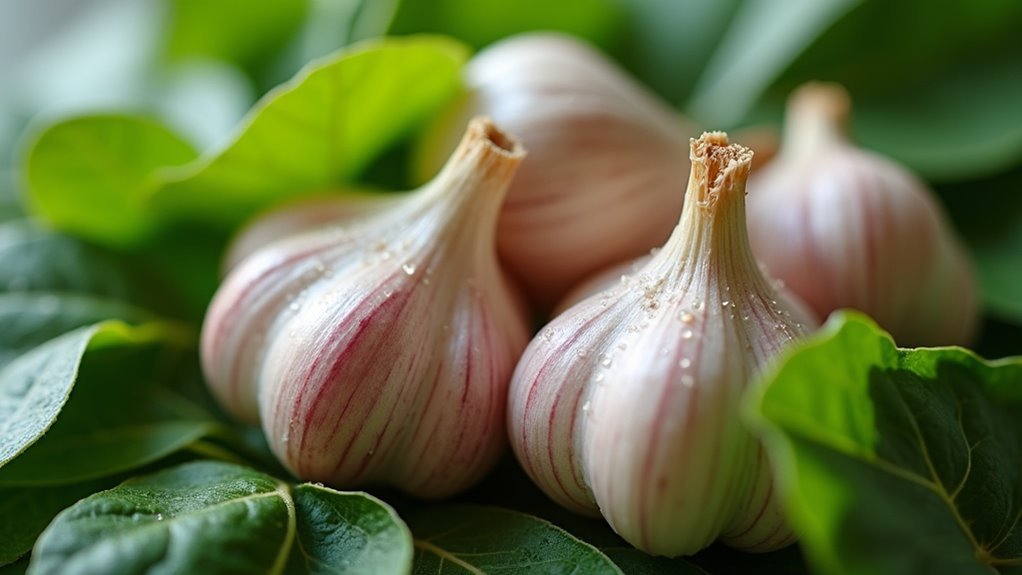
While atherosclerotic plaque formation typically begins with chronic inflammation in arterial walls, allicin’s powerful anti-inflammatory properties can help interrupt this dangerous process before it progresses.
You’ll benefit from allicin’s ability to reduce pro-inflammatory cytokines like IL-1β, IL-6, and TNF-α while boosting anti-inflammatory IL-10 levels. This compound works by inhibiting TLR4 and NF-κB signaling pathways that drive atherosclerosis inflammation.
Daily allicin intake lowers your malondialdehyde levels, reducing oxidative stress that fuels plaque development.
You’ll see measurable improvements in carotid intima-media thickness, indicating reduced atherosclerosis progression.
Most importantly, allicin enhances cholesterol efflux in foam cells, preventing lipid accumulation that leads to dangerous plaque formation in your arterial walls.
Cholesterol-Lowering Mechanisms Through PCSK9 and LDL Receptor Regulation
Beyond reducing inflammation, allicin tackles atherosclerosis through sophisticated cholesterol-lowering mechanisms that directly target your liver’s regulatory pathways.
You’ll benefit from allicin’s ability to enhance LDL receptor expression by activating the SREBP2 signaling pathway, which dramatically improves cholesterol clearance from your bloodstream.
What’s particularly impressive is how allicin reduces PCSK9 expression—a protein that normally destroys LDL receptors. By suppressing PCSK9, allicin guarantees more receptors remain available for cholesterol metabolism.
Studies demonstrate allicin’s lipid-lowering effects rival atorvastatin, reducing total cholesterol by 4.2% and LDL cholesterol by 6.6%.
Additionally, allicin modulates the PPARγ/LXRα pathway, enhancing cholesterol efflux from foam cells and preventing atherosclerosis progression through multiple complementary mechanisms.
Antioxidant Effects Reducing Oxidative Stress in Arterial Walls
Although cholesterol regulation forms the foundation of allicin’s anti-atherosclerotic effects, its antioxidant properties provide equally essential protection by directly combating oxidative stress within arterial walls.
Allicin’s powerful antioxidant properties directly neutralize oxidative stress within arterial walls, providing essential protection against atherosclerosis development.
When you take allicin supplements, you’re greatly reducing reactive oxygen species levels that damage vascular tissues and accelerate atherosclerosis progression.
Studies show allicin lowers serum malondialdehyde levels, indicating reduced lipid peroxidation in your arteries.
You’ll also experience enhanced activity of key antioxidant enzymes like superoxide dismutase, glutathione, and catalase.
These enzymes work together to neutralize harmful oxidants threatening your vascular integrity.
TMAO Reduction Pathways That Prevent Cardiovascular Disease
When you supplement with allicin, you’re targeting one of the most dangerous cardiovascular risk factors through its ability to considerably reduce trimethylamine N-oxide (TMAO) levels in your bloodstream.
This compound effectively disrupts reduction pathways that lead to atherosclerosis by modulating your gut microbiota’s metabolism of harmful metabolites.
Research demonstrates allicin’s superior effectiveness in lowering serum levels compared to other compounds:
- Prevents microbial conversion of γ-butyrobetaine to TMA
- Considerably reduces both TMA and TMAO concentrations in blood
- Shows systemic effects with decreased urine TMAO levels
- Outperforms l-carnitine in cardiovascular disease prevention studies
- Works through raw garlic juice containing 0.89 mg/mL allicin
Endothelial Protection Through Nitric Oxide and Vasodilation Enhancement
Since allicin’s cardiovascular protection extends beyond TMAO reduction, its ability to enhance endothelial function through nitric oxide pathways provides another powerful mechanism against atherosclerosis.
You’ll benefit from allicin’s upregulation of endothelial nitric oxide synthase, which increases NO production and promotes vasodilation. This process improves your vascular health by reducing systolic blood pressure and enhancing blood flow.
Studies show 80 mg/kg daily allicin produces effects comparable to losartan in hypertensive rats through NO-sGC-cGMP signaling.
Animal research demonstrates that daily allicin supplementation delivers blood pressure benefits matching those of prescription ACE inhibitors through nitric oxide pathways.
You’re also getting cardioprotective effects from hydrogen sulfide production, which complements nitric oxide signaling. By addressing endothelial dysfunction associated with hypertension, allicin considerably reduces your atherosclerosis risk while maintaining ideal vascular reactivity and cardiovascular function.
Frequently Asked Questions
What Is the Best Source of Allicin?
You’ll get the best allicin from fresh garlic that’s crushed or chopped, which activates alliinase enzymes. Raw garlic juice contains high concentrations, while fermented preparations maintain allicin’s stability in acidic environments.
Can Garlic Reverse Plaque From Arteries?
You can’t completely reverse arterial plaque, but garlic’s allicin may help reduce some plaque accumulation by improving lipid profiles, decreasing oxidative damage, and targeting lipid metabolism through its anti-inflammatory properties.
What Is the Best Diet to Reverse Atherosclerosis?
You’ll reverse atherosclerosis best with a Mediterranean diet rich in fatty fish, vegetables, whole grains, and healthy fats. Limit processed foods, include fiber-rich oats and legumes, and emphasize plant-based options.
What Dissolves Atherosclerosis?
You can’t completely “dissolve” atherosclerosis, but you’ll reduce plaque through lifestyle changes, medications like statins, proper diet, exercise, and compounds with anti-inflammatory properties that improve cholesterol profiles and arterial health.


Leave a Reply