
You can heal gut dysbiosis by consistently consuming diverse cultured foods that introduce beneficial bacteria to restore your microbiome’s balance. Start with 1 cup of yogurt daily, add 6-8 oz of kefir, and include 2-4 tablespoons each of kimchi and sauerkraut to maximize probiotic diversity. These fermented foods actively reduce inflammatory markers like interleukin 6 while enhancing digestive function. Pair them with prebiotic-rich foods like bananas and oats for best results. The complete strategy involves specific timing, dosages, and monitoring techniques that’ll transform your gut health.
Understanding Gut Dysbiosis and Microbiome Imbalance
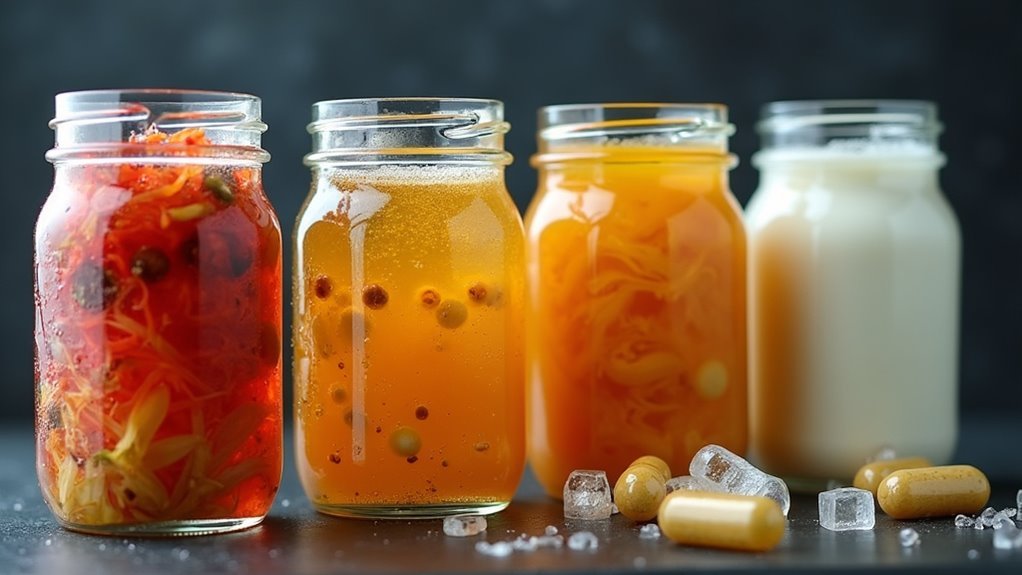
When your gut microbiome falls out of balance, you’re experiencing what scientists call gut dysbiosis—a condition where harmful bacteria outnumber beneficial ones, reducing the diversity your digestive system needs to function properly.
This imbalance doesn’t just affect your digestion; it disrupts your gut microbiome’s interactions with your immune and endocrine systems, potentially triggering chronic inflammation throughout your body.
You’ll likely notice symptoms like bloating, irregular bowel movements, and increased susceptibility to infections.
Several factors contribute to dysbiosis, including antibiotic use, poor dietary choices, and chronic stress. These disruptors can lead to serious health consequences, from gastrointestinal diseases to mood disorders.
Fortunately, incorporating fermented foods into your diet offers a natural solution to restore microbial balance and rebuild your gut’s protective ecosystem.
The Role of Cultured Foods in Restoring Gut Health
When you’re battling gut dysbiosis, cultured foods become your most powerful allies in restoring microbial balance through their abundant probiotic content.
These fermented powerhouses don’t just repopulate your gut with beneficial bacteria—they actively reduce inflammatory proteins like interleukin 6 that fuel chronic health issues.
Your recovery strategy hinges on incorporating diverse cultured foods that work synergistically to rebuild your microbiome’s diversity and functionality.
Probiotics Combat Microbial Imbalance
Since gut dysbiosis stems from an imbalance between beneficial and harmful bacteria, incorporating cultured foods into your diet provides a direct solution by delivering live probiotics that actively restore microbial equilibrium.
These probiotics work by inhibiting harmful bacterial growth while promoting beneficial microorganisms that produce short-chain fatty acids essential for gut health.
When you consume fermented foods like yogurt, kefir, kimchi, and sauerkraut, you’re introducing diverse probiotic strains that enhance your immune response and reduce inflammatory proteins such as interleukin 6.
This targeted approach increases gut microbial diversity, which directly combats dysbiosis.
The consistent intake of various cultured foods guarantees ongoing probiotic support, maintaining the delicate balance necessary for peak digestive health and preventing future microbial imbalances.
Fermented Foods Reduce Inflammation
Beyond restoring microbial balance, fermented foods deliver powerful anti-inflammatory benefits that target the root causes of gut dysbiosis. When you consume yogurt, kefir, and kimchi regularly, you’re actively decreasing inflammatory proteins throughout your body. Research shows that high fermented food intake reduces 19 inflammatory markers, including interleukin 6, which drives chronic conditions.
| Fermented Food | Anti-Inflammatory Impact |
|---|---|
| Yogurt | Decreases systemic inflammation markers |
| Kefir | Reduces interleukin 6 production |
| Kimchi | Combats dysbiosis-related inflammation |
| Sauerkraut | Restores immune balance |
| Kombucha | Enhances anti-inflammatory responses |
The quantity matters—higher servings of fermented foods reduce inflammation more effectively. These probiotics don’t just balance your gut; they fundamentally alter your immune status, helping you combat chronic inflammatory diseases linked to dysbiosis.
Dietary Strategies for Recovery
Although fermented foods provide immediate anti-inflammatory benefits, strategic dietary planning requires you to understand how different cultured foods work synergistically to rebuild your gut microbiome.
You’ll need to incorporate multiple varieties of cultured foods to maximize probiotic diversity. Start with yogurt and kefir for their easily digestible properties, especially if you’re lactose intolerant.
Add kimchi, sauerkraut, and other fermented vegetables to introduce different bacterial strains. These probiotics work together to restore balance more effectively than single sources alone.
Consume cultured foods consistently rather than sporadically to maintain beneficial bacterial populations. Rotate different varieties weekly to expose your gut to diverse probiotic strains, supporting long-term recovery from dysbiosis while strengthening your immune function.
Best Fermented Foods for Healing Dysbiosis
The diversity of fermented foods available today gives you powerful options for healing gut dysbiosis naturally. These probiotic-rich foods restore microbial balance and reduce inflammation more effectively than fiber alone.
| Food | Primary Benefits | Serving Size |
|---|---|---|
| Yogurt | Live cultures, digestibility | 1 cup daily |
| Kefir | Higher probiotic diversity | 6-8 oz daily |
| Kimchi | Anti-inflammatory compounds | 2-4 tbsp daily |
| Sauerkraut | Lacto-fermented probiotics | 2-4 tbsp daily |
| Miso | Digestive enzymes | 1-2 tbsp daily |
You’ll want naturally fermented options rather than vinegar-pickled varieties, which lack live cultures. Stanford research shows that larger servings of fermented foods greatly increase gut microbial diversity while reducing inflammatory proteins linked to chronic disease. Incorporating multiple varieties maximizes your healing potential.
How Probiotics From Cultured Foods Combat Inflammation
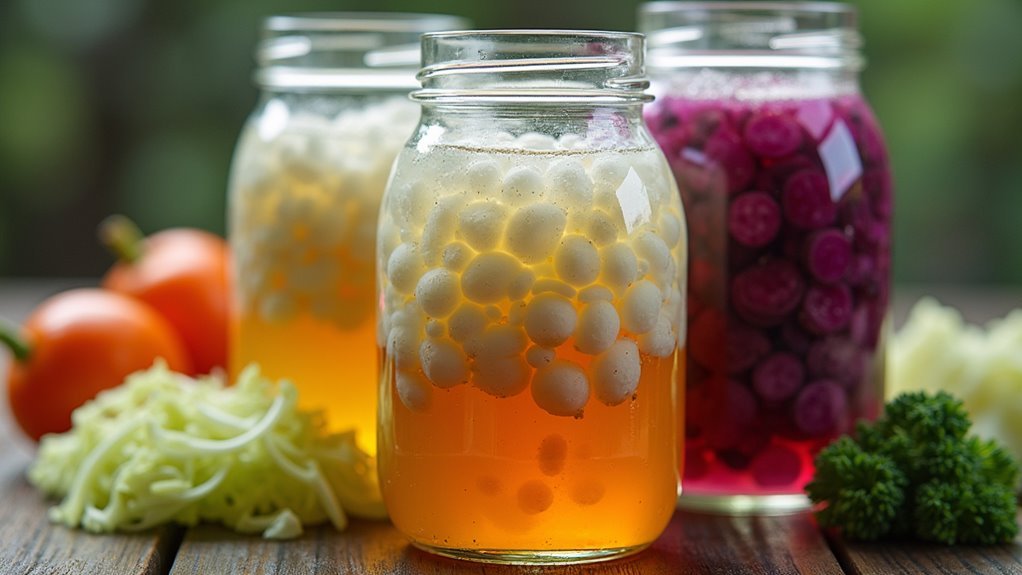
When you consume fermented foods like yogurt and kimchi, the probiotics actively reduce inflammatory proteins such as interleukin 6, which directly links to chronic conditions including obesity and diabetes.
These beneficial bacteria boost your immune system by increasing gut microbial diversity, creating a stronger defense against disease-causing inflammation.
You’ll experience less immune cell activation throughout your body, as the enhanced gut diversity works to combat systemic inflammation and restore your body’s natural balance.
Probiotics Reduce Inflammatory Proteins
Beyond their role in digestive health, probiotics from cultured foods actively combat inflammation by reducing harmful proteins circulating throughout your body. These beneficial microorganisms specifically target interleukin 6, a key inflammatory protein linked to various chronic conditions.
When you consume fermented foods regularly, you’re fundamentally deploying a natural defense system against chronic inflammation.
Research reveals that people following a diet rich in fermented foods experienced dramatic reductions in 19 different inflammatory proteins. This isn’t just minor improvement—it’s significant systemic change.
The probiotics in yogurt, kefir, and other cultured foods work by modulating your immune response, leading to less activation of immune cells. This decreased immune activation translates to lower chronic inflammation levels, supporting your overall health and helping restore balance to your gut microbiome.
Fermented Foods Boost Immunity
Fermented foods don’t just reduce inflammation—they actively strengthen your immune system by creating a more diverse and resilient gut microbiome.
When you consume yogurt, kefir, and other cultured foods, you’re introducing beneficial probiotics that restore microbial diversity essential for healthy immune responses.
Research shows that eating fermented foods regularly decreases the activation of immune cells, helping prevent chronic inflammatory diseases.
You’ll experience reduced levels of inflammatory proteins like interleukin 6, which is linked to obesity and diabetes.
The probiotics in these foods work by balancing your gut microbiome, creating an environment where beneficial bacteria can thrive.
Gut Diversity Fights Disease
Your gut’s microbial diversity acts as a powerful defense system against chronic disease, and cultured foods serve as the key to accessing this protection.
When you consume fermented foods like yogurt, kefir, and kimchi, you’re introducing beneficial gut bacteria that dramatically increase your microbiome diversity. Research shows a 10-week diet rich in fermented foods reduces 19 inflammatory proteins, including interleukin 6, which links to various health conditions.
This increased diversity leads to less immune cell activation, creating a lower inflammatory response throughout your body. The probiotics in cultured foods restore balance to your gut bacteria, countering dysbiosis effects and supporting overall health.
These dietary interventions show promise in altering your immune status and potentially reducing obesity and diabetes risks associated with poor microbiome diversity.
Creating Your Own Naturally Fermented Vegetables at Home
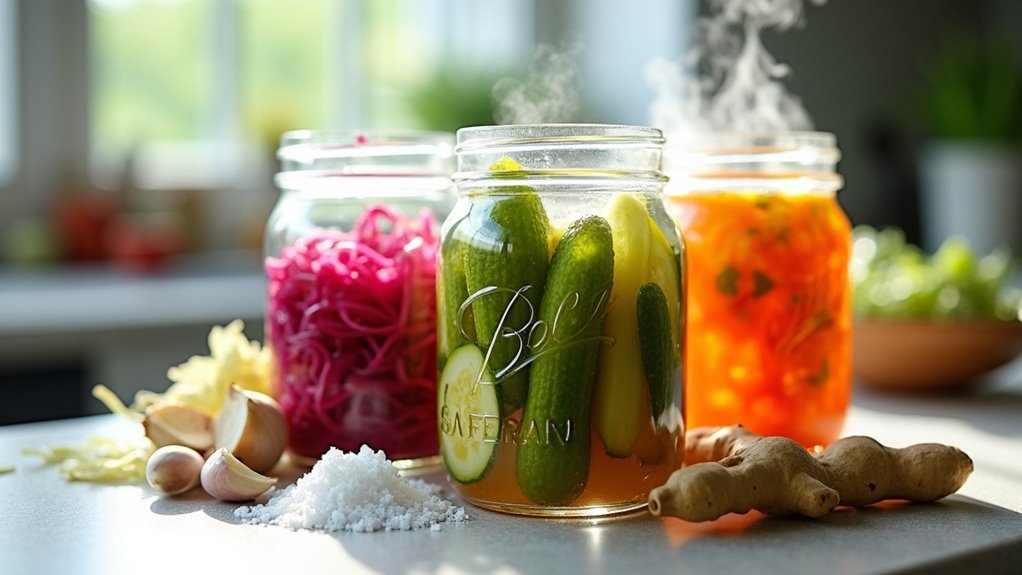
One of the most effective ways to restore your gut microbiome is making your own naturally fermented vegetables at home.
These fermented vegetables provide essential probiotics that combat gut dysbiosis naturally.
Start by creating a brine with warm filtered water and sea salt, ensuring complete dissolution before adding apple cider vinegar.
Pack your chosen vegetables tightly into a sterilized quart-size canning jar with a bay leaf, leaving space for fermentation gases.
Pour the brine over vegetables, keeping them fully submerged to prevent air exposure.
Cover with a fermentation lid or loosely fitted standard lid.
Let them ferment at room temperature for three to five days, checking daily that they’re submerged and tasting for desired flavor.
After fermentation, refrigerate the sealed jar where they’ll last about one month.
Incorporating Kefir and Yogurt Into Your Daily Routine
You’ll want to establish a consistent daily intake of kefir and yogurt to maximize their gut-healing benefits, with most research supporting at least one serving per day.
The key isn’t just consuming these probiotic powerhouses regularly—it’s finding creative ways to integrate them seamlessly into meals you already enjoy.
From morning smoothie bowls to savory marinades, there are countless approaches to make these cultured foods a natural part of your routine rather than an afterthought.
Daily Serving Guidelines
Two simple servings can transform your gut health when you make kefir and yogurt part of your daily routine.
You’ll want to consume 6-8 ounces of yogurt or 8-12 ounces of kefir daily, adjusting portions based on your individual needs and preferences. These fermented foods deliver live cultures that boost microbial diversity and reduce inflammation in your digestive system.
Choose plain, unsweetened varieties to maximize probiotic benefits, since added sugars can undermine the positive effects.
You’ll amplify results by pairing these cultured foods with prebiotic-rich options like bananas or garlic, which feed beneficial bacteria in your gut.
Studies confirm that regular consumption of fermented dairy products lowers inflammatory proteins throughout your body while improving overall digestion and supporting your journey toward balanced gut health.
Creative Recipe Ideas
Since many people struggle to consume enough cultured foods daily, transforming kefir and yogurt into delicious meals and snacks makes reaching your gut health goals effortless. These fermented dairy products offer endless culinary possibilities while delivering essential probiotics.
| Meal Type | Creative Ideas |
|---|---|
| Breakfast | Blend kefir with bananas, berries, and spinach for nutrient-dense smoothies |
| Lunch | Mix yogurt with herbs, garlic, and lemon juice for healthy salad dressings |
| Dinner | Use kefir as meat marinades or add yogurt to soups just before serving |
| Snacks | Create overnight oats by soaking rolled oats in kefir with nuts and seeds |
You’ll preserve live cultures by adding yogurt to hot dishes at the end, while kefir’s tenderizing properties enhance marinades perfectly.
The Science Behind Fermented Foods and Microbiome Diversity
When you consume fermented foods like yogurt and kimchi, you’re introducing live beneficial microorganisms that actively reshape your gut’s bacterial landscape.
These fermented foods deliver beneficial probiotics through a natural process where bacteria and yeasts break down sugars, creating nutrient-rich foods that enhance your microbiome diversity.
Research demonstrates that you’ll experience considerably increased gut microbial diversity when you regularly eat fermented foods, outperforming high-fiber diets in this vital health marker.
Your immune system responds positively too—studies show reduced inflammatory protein levels and lower activation of certain immune cells, indicating decreased chronic inflammation.
The fermentation process doesn’t just preserve food; it transforms it into a powerful therapeutic tool.
You’re fundamentally using these cultured foods as medicine, naturally healing gut dysbiosis through enhanced microbial diversity.
Timing and Dosage: How Much Cultured Food You Need
Understanding how fermented foods work sets the foundation, but implementing them effectively requires knowing the right amounts and frequency for your healing journey.
Start small with timing and dosage—begin with 1/4 to 1/2 cup of yogurt or kefir daily, then gradually increase as your body adapts.
You’ll want to incorporate variety by consuming at least one serving of different fermented foods daily, such as kimchi, sauerkraut, or kombucha.
Research shows that 3-4 servings of cultured foods daily can greatly improve your gut microbiome and immune responses.
Listen to your body carefully, as some people experience initial digestive discomfort.
Consistency matters most—maintain regular consumption for 4-6 weeks to see noticeable improvements.
Combining Cultured Foods With Prebiotic-Rich Ingredients
While cultured foods provide beneficial bacteria to your gut, pairing them with prebiotic-rich ingredients creates a powerful synergy that amplifies their healing effects.
Prebiotics serve as food for the probiotics in your cultured foods, enhancing their growth and improving microbiome diversity.
Here are four effective combinations to maximize gut-healing potential:
- Yogurt with sliced bananas – combines probiotics with prebiotic fiber
- Kimchi alongside roasted garlic and onions – creates a fermented-prebiotic powerhouse
- Fermented cottage cheese with asparagus – delivers both beneficial bacteria and prebiotic fuel
- Kefir blended with prebiotic-rich oats – provides sustained nourishment for gut bacteria
This strategic pairing helps restore balance, reduce inflammation, and foster the diverse microbiome that’s essential for healing dysbiosis.
Avoiding Processed Foods That Worsen Dysbiosis
As you work to heal gut dysbiosis with cultured foods, eliminating processed foods from your diet becomes equally vital for success. These foods contain additives, preservatives, and artificial ingredients that disrupt your balanced microbiome, creating inflammation and worsening dysbiosis.
High sugar content feeds harmful bacteria and yeast, causing bloating and digestive discomfort. Refined carbohydrates spike your blood sugar levels while promoting pathogenic bacterial growth. Trans fats and unhealthy oils damage gut permeability, increasing inflammation throughout your system.
When you consume processed foods regularly, you’re reducing microbial diversity – a significant component of gut health. Instead, focus on whole foods that support your healing journey.
Monitoring Your Progress and Long-Term Gut Health Maintenance
Success in healing gut dysbiosis requires consistent tracking of your body’s response to cultured foods and dietary changes. Monitoring your progress involves paying close attention to digestive symptoms, bowel habits, and overall well-being as you incorporate fermented foods into your routine.
- Track symptoms daily – Record bloating, digestive discomfort, and bowel movement changes to identify patterns and improvements over time.
- Keep a detailed food journal – Document correlations between specific cultured foods and symptom changes to enhance your dietary approach.
- Schedule regular stool tests – Objective microbiome analysis helps assess bacterial diversity shifts and probiotic presence.
- Maintain healthcare provider follow-ups – Professional evaluation guarantees proper progress assessment and dietary plan adjustments.
Long-term maintenance requires consistently including diverse fermented foods while working with your healthcare provider to sustain ideal gut health.
Frequently Asked Questions
How Long Does It Take to Heal Your Gut With Fermented Foods?
You’ll see improvements in gut health within a few weeks to several months with fermented foods. Consistent consumption can show noticeable changes in 10 weeks, though severe cases may require up to a year.
What Are the Best Fermented Foods for Dysbiosis?
You’ll find yogurt, kefir, kimchi, and sauerkraut are top choices for dysbiosis. They’re packed with diverse probiotics that restore gut balance. Don’t overlook miso and kombucha—they’ll introduce beneficial strains to heal your disrupted microbiome effectively.
Can Fermented Foods Heal the Gut?
Yes, you can heal your gut with fermented foods. They’ll restore beneficial bacteria, reduce inflammation, improve digestion, and enhance nutrient absorption. You’ll notice decreased bloating and better overall gut health.
What Foods Heal Dysbiosis?
You’ll heal dysbiosis by eating fermented foods like yogurt and kimchi, prebiotic-rich garlic and onions, fiber-packed whole grains, omega-3 sources like salmon, and collagen-rich bone broth for gut lining repair.


