
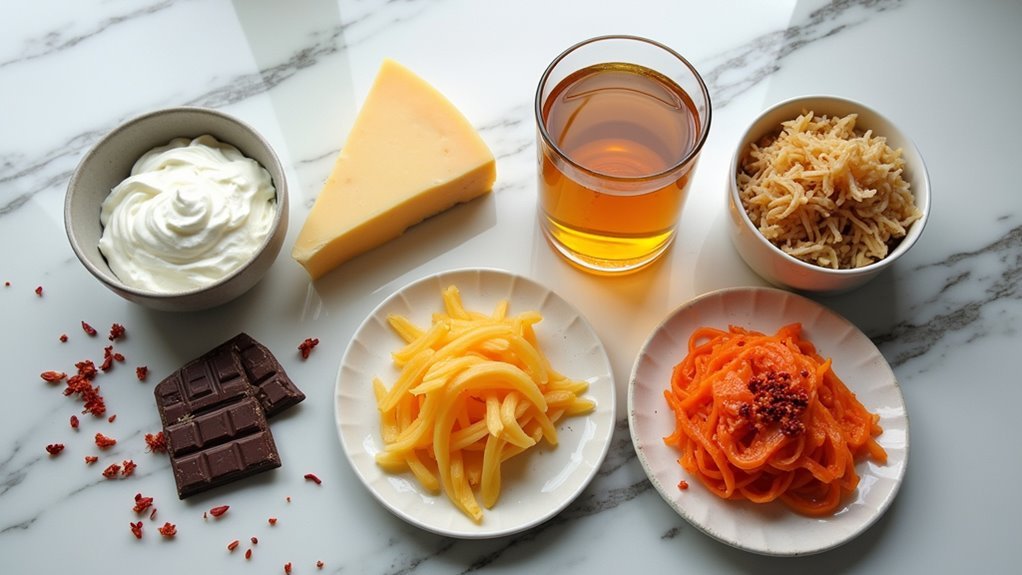
You can restore your gut health after antibiotic treatment by incorporating seven powerful probiotic foods into your diet. Start with yogurt containing live active cultures, kefir for diverse bacterial strains, and fermented vegetables like sauerkraut and kimchi. Add miso soup for digestive healing, kombucha tea for microbial balance, and tempeh as a protein-rich option. These fermented foods deliver billions of beneficial bacteria that’ll replenish your microbiome and improve digestion. Below, you’ll discover the specific benefits each food offers for ideal gut recovery.
Yogurt With Live Active Cultures
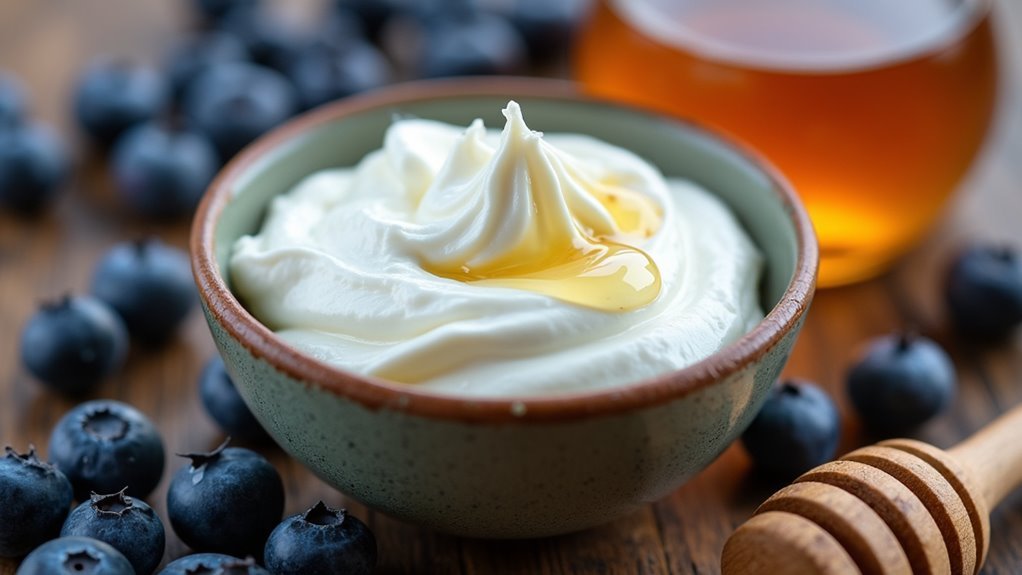
When antibiotics wipe out your gut’s beneficial bacteria, yogurt with live active cultures offers one of the most accessible and effective solutions for restoration.
This probiotic powerhouse contains essential strains like Lactobacillus and Bifidobacterium that directly rebuild your gut microbiota. Daily yogurt consumption can greatly reduce your risk of antibiotic-associated diarrhea by replacing the beneficial bacteria that antibiotics destroy.
You’ll want to choose yogurt labeled “live and active cultures” to guarantee maximum probiotic benefit. Each serving delivers 100 million to 10 billion CFUs of these health-promoting microorganisms.
Kefir for Diverse Bacterial Strains
While yogurt provides excellent probiotic support, kefir stands out as a superior choice for rebuilding your gut’s bacterial diversity after antibiotic treatment. This fermented dairy powerhouse contains over 30 different strains of bacteria and yeast, including Lactobacillus and Bifidobacterium, creating a more thorough restoration of your gut microbiome than most other probiotic foods.
Kefir’s diverse bacterial community helps counteract the widespread elimination of beneficial gut bacteria that occurs during antibiotic use. You’ll experience improved digestion, reduced lactose intolerance symptoms, and lower risk of antibiotic-associated diarrhea.
The rich nutrient profile, including calcium, magnesium, and vitamins B12 and K2, supports your recovery while strengthening immune function. Regular kefir consumption effectively modulates immune responses and enhances your body’s infection-fighting capabilities.
Sauerkraut and Fermented Cabbage
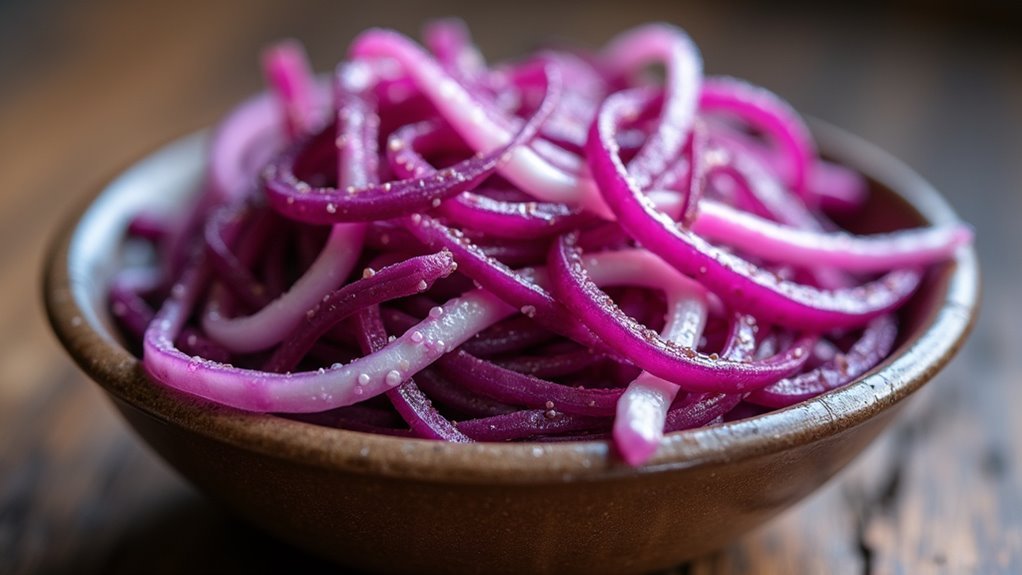
You’ll find that sauerkraut’s fermentation process transforms simple cabbage into a powerhouse of gut-healing benefits through natural bacterial cultivation.
The controlled fermentation environment allows beneficial Lactobacillus strains to multiply rapidly, creating billions of probiotic organisms that can effectively repopulate your intestinal microbiome after antibiotic treatment.
This traditional preservation method doesn’t just extend cabbage’s shelf life—it amplifies its nutritional profile while generating specific bacterial strains that directly combat antibiotic-related digestive disruption.
Cabbage Fermentation Process Benefits
Although cabbage might seem like an ordinary vegetable, its transformation through fermentation creates one of nature’s most powerful probiotic foods. When you ferment cabbage into sauerkraut, beneficial Lactobacillus bacteria convert natural sugars into lactic acid, preserving the vegetable while generating impressive probiotic benefits for your gut health.
This fermentation process doesn’t just create probiotics—it enhances the cabbage’s nutritional profile:
- Increases bioavailability of vitamins C, K, and B-complex
- Produces antioxidants and anti-inflammatory compounds
- Generates diverse probiotic strains for digestive support
- Creates beneficial acids that restore gut flora balance
Unlike many fermented foods, sauerkraut provides concentrated probiotics that specifically help rebuild your microbiome after antibiotic damage.
You’ll get enhanced immune function and improved digestive health from this simple yet sophisticated preservation method.
Probiotic Strains in Sauerkraut
Five distinct probiotic strains make sauerkraut a therapeutic powerhouse for restoring your gut health after antibiotic treatment.
Lactobacillus plantarum dominates this fermented cabbage, specifically targeting damaged gut flora and rebuilding beneficial bacteria populations. You’ll find this strain particularly effective because it survives stomach acid better than many other probiotics, ensuring maximum colonization in your intestines.
When you consume sauerkraut regularly, you’re introducing multiple probiotic strains that work synergistically to improve gut health. These beneficial bacteria don’t just restore balance—they actively combat harmful microorganisms while strengthening your immune response.
The fermentation process creates an ideal environment where these probiotic foods naturally develop prebiotics, feeding the good bacteria and accelerating your recovery from antibiotic damage. Your healthy gut depends on this diverse bacterial ecosystem.
Kimchi for Spicy Gut Support
When you’re seeking a flavorful way to rebuild your gut after antibiotic treatment, kimchi delivers powerful probiotic support with every spicy bite. This traditional Korean fermented dish contains Lactobacillus strains that directly restore beneficial bacteria depleted by antibiotics.
The fermentation process creates bioactive compounds that enhance immune function and reduce gut inflammation.
Kimchi’s gut-healing benefits include:
This Korean fermented superfood transforms gut health recovery into a flavorful journey of digestive restoration and immune support.
- Rich probiotic content – Lactobacillus strains restore beneficial bacteria
- High fiber content – Acts as prebiotic fuel for good bacteria
- Improved microbiota diversity – Essential for digestive system recovery
- Nutrient density – Provides vitamins A, B, and C while supporting digestion
You’ll find kimchi’s high fiber content acts as a prebiotic, feeding your gut’s good bacteria and promoting balanced microbiome recovery.
This low-calorie option makes gut health restoration both delicious and nutritious.
Miso Soup for Digestive Healing
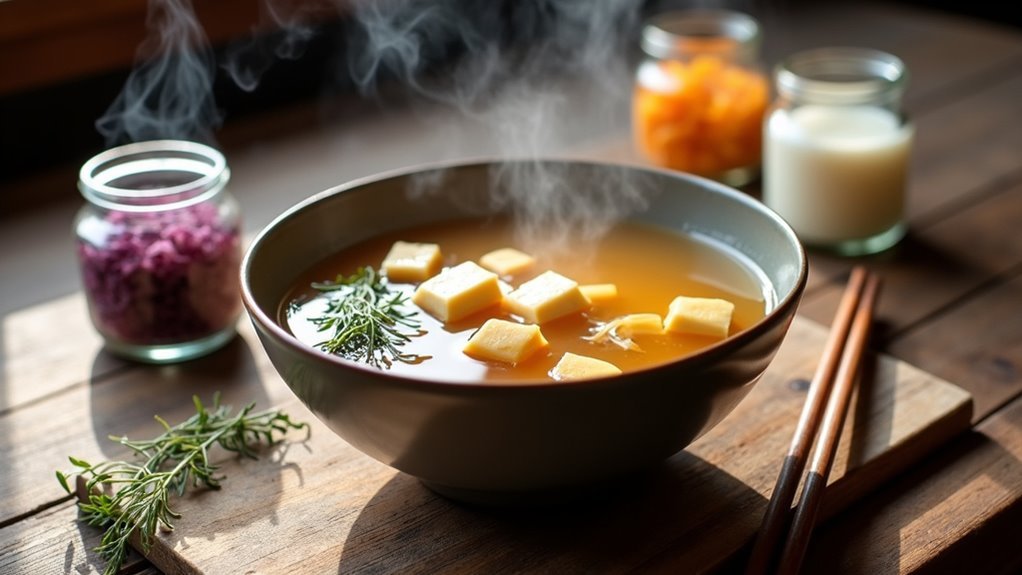
Since miso soup combines centuries of Japanese culinary wisdom with modern gut health science, it’s become an essential tool for healing digestive damage from antibiotics. This fermented soybean paste delivers powerful probiotics, particularly Lactobacillus strains that restore your gut’s bacterial balance after antibiotic disruption.
What makes miso soup uniquely effective is its dual action. You’re getting live probiotics from fermentation while also consuming beneficial prebiotic compounds that feed these healthy bacteria. This creates an ideal environment for gut health recovery.
The soup’s rich nutrient profile provides vitamins, minerals, and antioxidants that support overall digestive health. Since it’s low in fat and easily digestible, you can incorporate miso soup into your daily routine without digestive stress, making recovery more comfortable and effective.
Kombucha Tea for Microbial Balance
When you’re recovering from antibiotic treatment, kombucha tea offers a powerful combination of diverse probiotic strains that can help restore your gut’s microbial ecosystem.
The traditional brewing process creates beneficial bacteria and yeast through fermentation, producing organic acids and enzymes that actively support digestive healing.
You’ll maximize kombucha’s restorative benefits by timing your consumption strategically around meals and your antibiotic schedule.
Kombucha’s Probiotic Strains
The ancient art of fermenting tea creates a powerful ally in your quest to rebuild gut health after antibiotic treatment. Kombucha’s probiotic strains work tirelessly to restore balance in your digestive system, countering the disruption caused by antibiotic use. This fermented beverage contains beneficial microorganisms that help replenish good bacteria your body desperately needs.
The specific probiotic strains found in kombucha include:
- Lactobacillus – supports digestive function and reduces harmful bacteria
- Bifidobacterium – enhances immune response and improves nutrient absorption
- Acetobacter – produces beneficial acids that create ideal gut environment
- Gluconobacter – contributes to microbial diversity and overall digestive wellness
These living cultures actively compete with pathogenic bacteria for space in your intestinal tract, effectively crowding out harmful microorganisms while establishing a thriving ecosystem of beneficial flora.
Brewing Process Benefits
Understanding how these probiotic strains develop reveals why kombucha becomes such an effective gut-healing tool.
During the 7-14 day fermentation process, the SCOBY transforms sweetened tea into a powerhouse of beneficial microorganisms. You’ll find that this transformation creates essential probiotics like Lactobacillus and Bifidobacterium that directly replenish your gut’s healthy bacteria population.
The fermentation process produces organic acids that create an ideal environment for beneficial microbes while suppressing harmful pathogens.
You’re getting more than just probiotics – the brewing process generates compounds that actively support your digestive system’s recovery. Tea polyphenols survive fermentation, providing antioxidants that nourish beneficial bacteria and promote microbial diversity.
This natural brewing method makes kombucha particularly effective for restoring gut balance after antibiotic treatment.
Optimal Consumption Timing
Timing your kombucha consumption correctly maximizes its gut-healing potential while ensuring you don’t interfere with your antibiotic treatment. You should wait at least 4-6 hours after taking antibiotics before drinking this fermented beverage to preserve both treatments’ effectiveness.
Strategic timing helps kombucha’s beneficial bacteria, including Lactobacillus and Acetobacter, successfully repopulate your disrupted gut microbiota. You’ll experience better results when incorporating this timing strategy into your healthy diet routine.
- Space consumption 4-6 hours apart from antibiotic doses to prevent bacterial interference
- Drink consistently throughout treatment to maintain steady probiotic support for gut health
- Continue post-treatment consumption for several weeks to fully restore microbial balance
- Monitor digestive symptoms and adjust timing if you experience increased bloating or discomfort
Proper ideal consumption timing transforms kombucha into one of your most effective probiotic foods for recovery.
Tempeh as a Protein-Rich Probiotic
Among fermented foods that can repair antibiotic-damaged gut flora, tempeh stands out as a powerhouse combining probiotics with exceptional protein content. This fermented soybean product delivers beneficial Lactobacillus and Bifidobacterium strains that actively restore your gut health after antibiotic treatment.
| Nutrient Component | Per 100g Serving |
|---|---|
| Protein | 31 grams |
| Dietary Fiber | 9 grams |
| Iron | 2.7 mg |
| Calcium | 111 mg |
| B Vitamins | Enhanced levels |
Tempeh’s high dietary fiber content functions as prebiotic foods, nourishing beneficial bacteria in your digestive system. The fermentation process increases nutrient bioavailability, making vitamins and minerals more accessible to your body. You’ll find tempeh incredibly versatile—add it to stir-fries, salads, or grain bowls for sustained gut restoration.
Frequently Asked Questions
What Should I Eat to Recover From Antibiotics?
You should eat fermented foods like yogurt and kimchi, high-fiber foods such as bananas and whole grains, and bland options like rice. Stay hydrated and avoid processed foods to support recovery.
Can Probiotics Reverse Antibiotic Damage?
You can’t completely reverse antibiotic damage, but probiotics help restore gut bacteria balance. They’ll reduce symptoms like diarrhea and prevent harmful bacteria overgrowth, supporting your microbiome’s recovery process considerably.
What Is the Best Probiotic for Antibiotic Recovery?
You’ll want probiotics containing Lactobacillus and Bifidobacterium strains with 5-10 billion CFUs daily. Multi-strain supplements work best, or you can choose fermented foods like yogurt, kefir, and sauerkraut for natural recovery.
How Do You Rebuild Gut Bacteria After Antibiotics?
You’ll rebuild gut bacteria by consuming probiotic-rich foods like yogurt and kefir, eating prebiotic foods such as bananas and garlic, and maintaining a high-fiber diet consistently for several weeks.


