
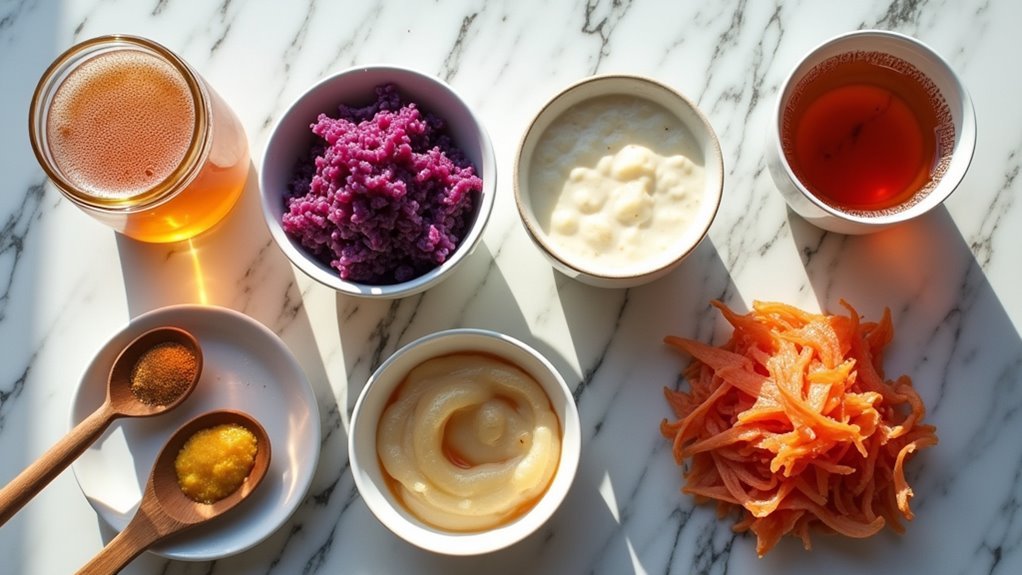
Fermented foods like yogurt, kefir, sauerkraut, kimchi, miso, and kombucha can dramatically heal your gut microbiome by introducing live probiotics that enhance microbial diversity. These beneficial bacteria actively restore gut balance, reduce inflammatory proteins, and improve digestion. Kefir contains up to 61 diverse bacterial strains, while kimchi and sauerkraut provide fiber and probiotics that rebuild gut flora. You’ll want to choose naturally fermented options over store-bought versions for maximum healing potential and discover how to optimize their benefits.
The Science Behind Fermented Foods and Gut Microbiome Restoration
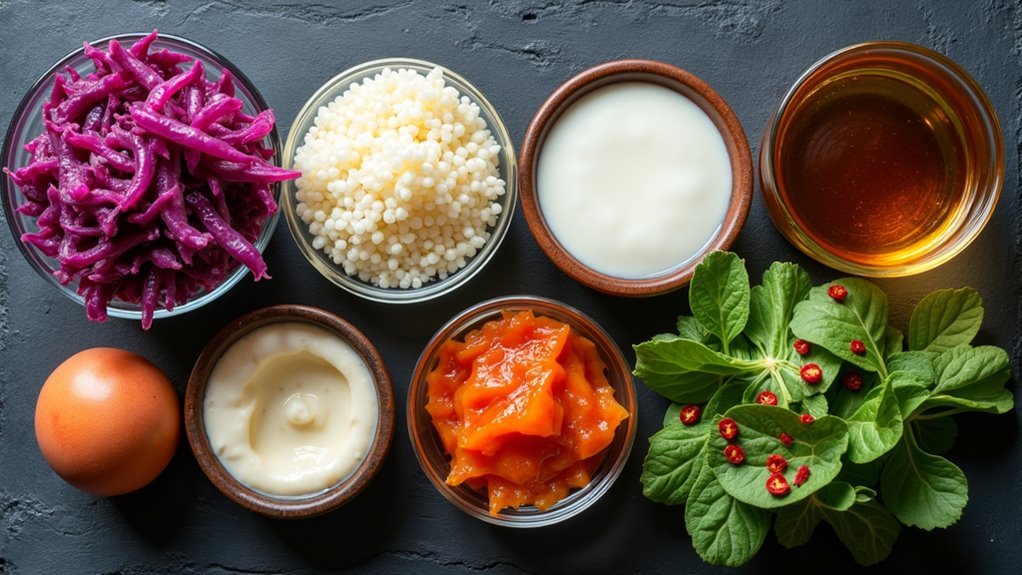
While scientists have long understood the importance of gut bacteria, recent research reveals how fermented foods actively transform your microbiome in measurable ways.
When you consume yogurt, kefir, kimchi, or sauerkraut, you’re introducing live probiotics that directly enhance your gut’s microbial diversity. A groundbreaking 10-week study demonstrated that participants following a fermented foods-rich diet experienced considerably increased gut microbiome diversity alongside reduced inflammatory protein levels.
These probiotics don’t just pass through your system—they actively restore balance by breaking down harmful compounds and supporting beneficial bacteria growth.
The live microorganisms in fermented foods also help your body process lactose more effectively, making these foods accessible even if you’re lactose intolerant. This scientific evidence confirms that fermented foods create measurable, positive changes in your gut microbiome composition.
How Probiotics in Fermented Foods Transform Your Digestive Health
Beyond their ability to increase microbial diversity, the probiotics in fermented foods create profound transformations throughout your entire digestive system. These live microorganisms actively balance your gut flora while enhancing immune function, leading to measurable health improvements.
| Fermented Food | Probiotic Benefit | Health Impact |
|---|---|---|
| Yogurt/Kefir | Lactose breakdown | Supports lactose intolerance |
| Kimchi | Microbiome diversity | Reduces inflammation |
| All fermented foods | Gut flora balance | Strengthens immunity |
Research published in Cell demonstrates that consuming fermented foods markedly decreases inflammatory proteins like interleukin 6, which are associated with chronic conditions. Regular intake strengthens your gut microbiome, potentially reducing obesity and neurodegenerative disease risks. The fermentation process delivers targeted gut health benefits that transform your digestive wellness from within.
Yogurt and Kefir: Dairy-Based Powerhouses for Gut Healing
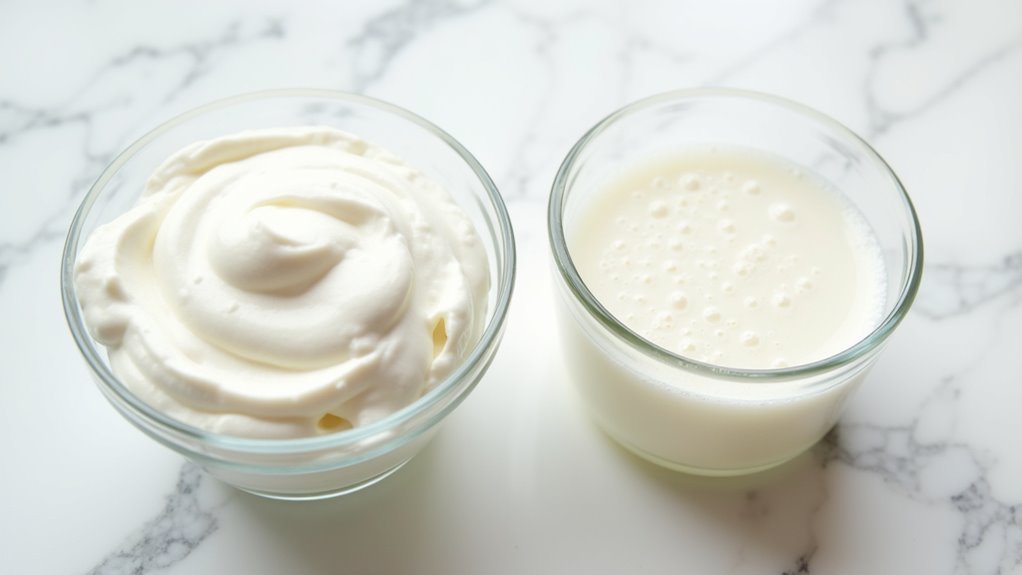
Among fermented foods, yogurt and kefir stand out as dairy-based champions that deliver exceptional gut-healing benefits through their concentrated probiotic cultures.
You’ll find beneficial bacterial strains like Lactobacillus and Bifidobacterium in both foods, which help digest lactose and reduce intolerance symptoms.
Kefir takes the lead with up to 61 diverse strains of yeast and bacteria, making it more potent than traditional yogurt.
When you consume these probiotics regularly, you’re enhancing your gut microbiome diversity and improving overall digestive health.
The benefits extend beyond digestion.
Regular yogurt consumption reduces your risk of type 2 diabetes and certain cancers.
Both foods decrease inflammatory proteins in your body, strengthening immune function and reducing systemic inflammation for thorough health improvements.
Sauerkraut and Kimchi: Fermented Vegetables That Rebuild Gut Flora
Two powerhouse fermented vegetables—sauerkraut and kimchi—deliver extraordinary gut-rebuilding benefits through their naturally occurring probiotic cultures and fiber-rich composition.
These fermented vegetables naturally enhance your gut microbiome diversity while promoting beneficial bacteria growth through their rich vitamin and fiber content.
Kimchi’s diverse vegetable blend offers anti-inflammatory properties that support weight loss while improving gut health. You’ll benefit from its spicy ingredients that provide additional digestive advantages.
Sauerkraut’s cabbage base delivers exceptional vitamin C levels and antioxidants that reduce gut oxidative stress.
Regular consumption of these probiotics-rich foods improves your digestion markedly. You’ll experience reduced cholesterol absorption and lower risks of chronic diseases including obesity and diabetes.
Both fermented vegetables effectively rebuild your gut flora while supporting overall digestive wellness.
Miso and Tempeh: Soy-Based Fermented Foods for Microbiome Diversity

While fermented vegetables offer remarkable gut benefits, soy-based fermented foods like miso and tempeh take microbiome enhancement to another level through their unique fermentation processes and complete nutritional profiles.
Miso, a fermented paste made from soybeans, barley, or rice, delivers beneficial probiotics that boost gut health and enhance microbiome diversity. You’ll find it improves digestion while providing essential dietary fiber that feeds good bacteria in your gut.
Tempeh offers you a firmer soy option made from fermented whole soybeans. It’s a complete vegetarian protein source packed with probiotics that support microbiome balance. The dietary fiber in both foods promotes beneficial bacterial growth.
Studies show these fermented soy products reduce inflammation and strengthen immune function, contributing to diverse gut microbiomes linked with better overall health.
Kombucha: The Fermented Tea That Supports Digestive Balance
You’ve likely seen kombucha’s fizzy, tangy appeal in health stores, but this fermented tea offers genuine digestive benefits through its unique brewing process.
When tea, sugar, and SCOBY (symbiotic culture of bacteria and yeast) ferment together, they create a probiotic-rich drink that actively supports your gut microbiome.
The resulting beverage doesn’t just taste invigorating—it delivers live beneficial bacteria that can enhance your digestive balance and overall gut function.
Kombucha’s Probiotic Properties
Among the most celebrated fermented beverages, kombucha stands out as a fizzy tea that delivers powerful probiotic benefits to your digestive system. This fermented drink contains diverse beneficial bacteria and yeast that enhance gut health by improving your microbiome balance.
The symbiotic culture of bacteria and yeast (SCOBY) creates these probiotics during fermentation, transforming sugars into health-promoting compounds.
You’ll benefit from kombucha’s rich organic acids, including acetic and gluconic acid, which reduce harmful bacteria while promoting digestive balance. Regular consumption increases your gut microbial diversity, essential for maintaining peak digestive function and reducing gastrointestinal disorder risks.
The fermentation process also enhances nutrient absorption, making kombucha an effective ally for your overall digestive wellness and long-term gut health maintenance.
Tea Fermentation Process
Understanding how kombucha transforms from simple sweetened tea into a probiotic powerhouse requires examining the fascinating fermentation process that creates this digestive ally.
You’ll start with sweetened tea and introduce SCOBY, which initiates the fermented transformation. During 7-14 days, bacteria and yeast work together, consuming sugar while producing beneficial probiotics that support gut health.
| Stage | Duration | Process |
|---|---|---|
| Initial Setup | Day 1 | Add SCOBY to sweetened tea |
| Early Fermentation | Days 2-4 | Yeast converts sugars to alcohol |
| Active Conversion | Days 5-10 | Bacteria transforms alcohol to acids |
| Probiotic Development | Days 7-14 | Beneficial microorganisms multiply |
| Final Product | Day 14+ | Tangy, effervescent drink ready |
This controlled fermentation creates the distinctive tangy flavor while maximizing probiotic content that benefits your digestive system.
Digestive Health Benefits
While kombucha’s tangy flavor makes it appealing as a revitalizing beverage, its true value lies in the powerful digestive benefits that stem from its rich probiotic content.
When you drink this fermented tea regularly, you’re introducing beneficial bacteria that enhance your gut microbiome’s diversity and function. These probiotics work alongside organic acids like acetic and gluconic acid to improve digestion and reduce bloating.
You’ll also benefit from kombucha’s antioxidants, which combat oxidative stress and support overall gut health. The fermented beverage helps lower inflammatory markers in your digestive system while its beneficial bacteria break down food more efficiently, enhancing nutrient absorption and promoting digestive balance throughout your system.
Naturally Fermented vs. Store-Bought: Choosing the Right Probiotic Foods
Millions of people reach for fermented foods to boost their gut health, but not all options deliver the same probiotic punch. Naturally fermented foods like kimchi, sauerkraut, and pickles contain live probiotics that enhance microbial diversity and improve digestion.
However, many store-bought versions use vinegar instead of fermentation, stripping them of beneficial bacteria.
You’ll maximize probiotics by choosing refrigerated products over shelf-stable ones, as cold storage preserves live cultures. Look for labels indicating “naturally fermented” and visible bubbles in jars—these signal active organisms.
Fermented dairy like yogurt and kefir can help with lactose digestion, though many commercial yogurts lack adequate live cultures. Homemade fermented foods typically contain higher probiotic counts since commercial pasteurization often kills beneficial bacteria.
Creating Your Own Gut-Healing Fermented Foods at Home
You can easily create probiotic-rich fermented foods at home with just a few basic tools and ingredients.
Starting with simple vegetable ferments like sauerkraut or pickles requires only vegetables, salt, water, and a clean jar to begin the 3-5 day fermentation process.
We’ll cover the essential equipment you need, easy recipes to get started, and important safety practices to guarantee your homemade ferments develop beneficial probiotics while staying fresh and delicious.
Essential Fermentation Equipment Needed
Though fermentation might seem like a complex process requiring specialized tools, you’ll need just a few essential pieces of equipment to start creating your own gut-healing fermented foods at home.
These basic tools guarantee your fermented foods develop the live bacteria and probiotics your gut craves.
- Glass jars with airtight lids – Allow gas release while preventing contamination during fermentation
- Fermentation weights – Keep vegetables submerged in brine for even fermentation and mold prevention
- Thermometer – Monitor ideal temperature between 60°F to 75°F for probiotic development
- pH meter or test strips – Check brine acidity to maintain safe fermentation levels
- Clean mixing utensil – Wooden spoon or silicone spatula for preparing brines without introducing unwanted bacteria
Simple Vegetable Fermentation Recipes
Now that you’ve gathered your fermentation equipment, creating probiotic-rich vegetables becomes surprisingly straightforward with just a few simple ingredients. You’ll need water, salt, and your favorite vegetables to create foods fermented with salt that’ll boost your gut health.
| Vegetable Combination | Brine Ratio | Fermentation Time |
|---|---|---|
| Carrots + Jalapeños | 2 tbsp salt per cup water | 3-5 days |
| Cauliflower + Garlic | 2 tbsp salt per cup water | 4-6 days |
| Mixed Root Vegetables | 2 tbsp salt per cup water | 3-4 days |
| Cabbage + Ginger | 2 tbsp salt per cup water | 5-7 days |
Pack chopped vegetables tightly in sterilized jars, ensuring they’re completely submerged in brine. This environment allows beneficial probiotics to flourish while promoting microbial diversity. Watch for bubbling—it confirms successful fermentation. Taste-test after three days and refrigerate once you’ve achieved desired tanginess.
Safety and Storage Tips
While fermentation transforms simple vegetables into probiotic powerhouses, proper safety measures guarantee you’ll create beneficial bacteria rather than harmful contaminants.
Your fermentation success depends on maintaining sterile conditions and proper storage techniques. Start by sterilizing all equipment and jars to eliminate unwanted bacteria that could sabotage your probiotics.
During fermentation, store jars in cool, dark locations where beneficial microbes thrive without interference from heat or light.
Essential safety and storage practices include:
- Use fermentation lids or loosely fitted standard lids for proper gas release
- Keep vegetables submerged in brine throughout the process
- Add salted water when brine levels drop below vegetables
- Refrigerate finished ferments to slow bacterial activity and preserve flavors
- Consume refrigerated fermented foods within one month for ideal safety
Incorporating Fermented Foods Into Your Daily Meal Plan
Building a gut-healthy diet doesn’t require a complete overhaul of your eating habits—you can easily weave fermented foods into meals you’re already enjoying.
Start your mornings by incorporating yogurt and kefir into breakfast or smoothies to boost probiotics and enhance gut health.
Kickstart your day with probiotic-rich yogurt and kefir to fuel your gut and optimize morning digestive health.
Add fermented vegetables like sauerkraut and kimchi as sandwich or salad toppings for beneficial bacteria and fiber.
Use miso paste in soups or dressings to create umami-rich flavors while supporting digestive wellness.
Replace sugary drinks with kombucha for invigorating antioxidants and probiotics that maintain your gut microbiome.
Experiment with tempeh in stir-fries or salads—it’s a complete protein source offering fermented soy benefits for ideal digestion.
Maximizing the Gut-Healing Benefits of Your Fermented Food Choices
Getting fermented foods into your meals is just the beginning—you’ll access their full potential by making strategic choices that amplify their gut-healing properties.
To maximize probiotics and gut health benefits from your fermented foods, you’ll want to consume them consistently rather than sporadically. Diversifying your selection across yogurt, kefir, kimchi, sauerkraut, and miso guarantees you’re introducing various beneficial bacterial strains to your microbiome.
Timing matters too—eating fermented foods on an empty stomach allows probiotics to survive stomach acid more effectively. You’ll also enhance their impact by pairing them with prebiotic-rich foods like garlic, onions, and bananas, which feed beneficial bacteria.
Essential strategies for better gut health:
- Choose unpasteurized, naturally fermented varieties when possible
- Consume fermented foods daily for consistent bacterial colonization
- Combine with fiber-rich foods to nourish beneficial microbes
- Start slowly to avoid digestive discomfort
- Store properly to maintain live cultures
Frequently Asked Questions
What Fermented Food Is Best for Gut Health?
You’ll find kefir’s the top choice for gut health since it contains more diverse probiotic strains than yogurt. It’s packed with beneficial bacteria that’ll improve your microbiome balance and enhance digestion more effectively.
What Is the Best Food to Restore Gut Microbiome?
You’ll restore your gut microbiome best with diverse fermented foods like kefir, kimchi, and sauerkraut. These provide different beneficial bacteria strains that’ll increase microbial diversity and reduce inflammation for ideal digestive health.
How Long Does It Take to Heal Your Gut With Fermented Foods?
You’ll typically notice gut healing improvements within a few weeks to months using fermented foods. Some people see digestive changes in days, while others need longer. Consistent consumption over time helps beneficial bacteria thrive.
What Is the Fastest Way to Restore Gut Microbiome?
You’ll restore your gut microbiome fastest by consuming larger servings of diverse fermented foods like yogurt, kefir, kimchi, and sauerkraut daily, combined with fiber-rich foods for ideal synergistic effects.


