
You’ll get the most blood-building benefits from beef, chicken, and pork liver, which contain concentrated levels of heme iron, vitamin B12, and folate essential for red blood cell production. Beef liver provides the highest iron content at 6-7 mg per ounce with superior absorption rates of 20-30%, plus 70 micrograms of B12 per serving. Cook liver quickly at high heat and pair it with vitamin C-rich foods to maximize nutrient absorption and optimize your blood health results.
How Liver Foods Support Red Blood Cell Formation
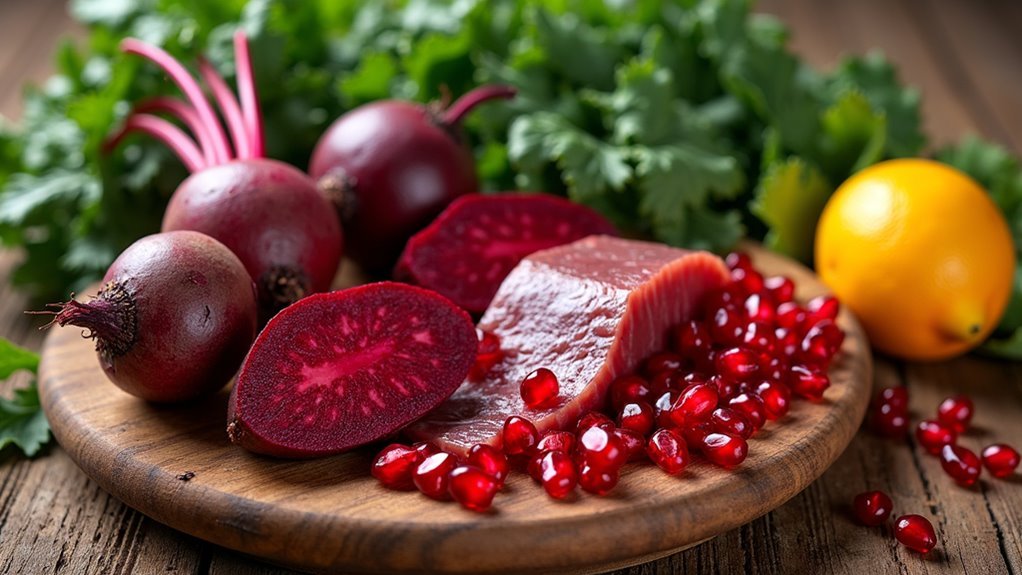
When your body produces red blood cells, it relies heavily on specific nutrients found abundantly in liver and related foods.
Liver delivers an exceptional combination of iron, vitamin B12, and folate—three essential components your body needs for ideal blood production.
Iron forms hemoglobin’s core structure, enabling red blood cells to transport oxygen efficiently throughout your system. Without adequate iron, you’ll develop anemia and experience fatigue.
Without sufficient iron intake, your body cannot create healthy hemoglobin, leading to oxygen-starved tissues and persistent exhaustion.
Vitamin B12 guarantees proper red blood cell formation and prevents macrocytic anemia, where cells become abnormally large. Folate supports red blood cell maturation and prevents folate-deficiency anemia.
Liver also contains copper, which enhances iron metabolism and hemoglobin formation.
This nutrient combination makes liver one of nature’s most powerful foods for supporting healthy blood production and maintaining ideal red blood cell function.
Essential Nutrients Found in Liver for Blood Health
Understanding how liver supports red blood cell formation leads us to examine the specific nutrients that make this organ meat so powerful for blood health.
You’ll find liver packed with iron, the cornerstone mineral for hemoglobin production and red blood cells. A single serving delivers vitamin B12 in amounts several times your daily needs, directly fueling red blood cell creation and preventing deficiency-related anemia.
Liver’s abundant folate content guarantees your red blood cells mature properly, warding off megaloblastic anemia.
You’re also getting copper, which works alongside iron to optimize hemoglobin formation and iron metabolism. The vitamin A present supports healthy blood cell maintenance while strengthening your immune system.
These nutrients work synergistically, making liver one of nature’s most concentrated sources for blood health support.
Iron Content in Liver Vs Other Food Sources
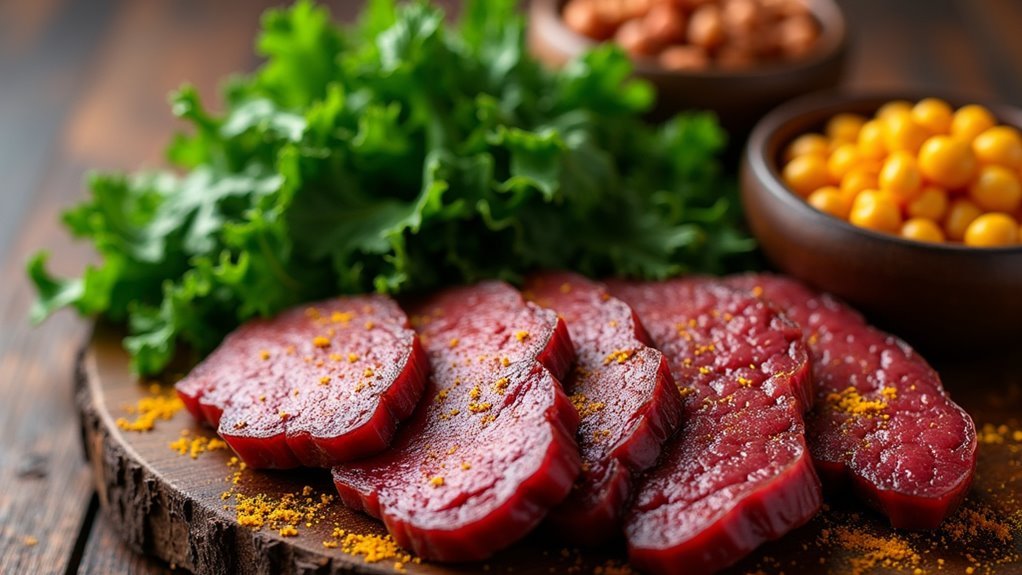
Gram for gram, liver outperforms virtually every other food when it comes to iron content.
You’ll get approximately 6-7 mg of heme iron per ounce of liver, compared to just 0.8 mg of non-heme iron in a full cup of cooked spinach. This difference matters considerably for red blood cell production because your body absorbs heme iron at 20-30% efficiency, while non-heme iron from beans and lentils only achieves 3-5% absorption.
A single 3-ounce serving of beef liver provides over 100% of your daily iron requirements, preventing iron deficiency more effectively than other sources.
While red meat offers heme iron too, it contains only 2.7 mg per serving. Plus, liver delivers 60 mcg of vitamin B12, essential for healthy red blood cell formation.
Vitamin B12 Concentrations in Different Types of Liver
Beyond iron’s impressive contribution to red blood cell production, liver’s vitamin B12 content sets it apart as an unmatched nutritional powerhouse.
You’ll find beef liver delivers an extraordinary 70 micrograms of Vitamin B12 per 3-ounce serving, far exceeding your daily requirements. Chicken liver provides 16 micrograms per serving, still offering substantial blood health benefits.
This vitamin B12 concentration directly supports red blood cells formation while preventing deficiency anemia.
When you consume liver regularly, you’re getting synergistic nutrients including iron, folate, and Vitamin A that work together to optimize blood cell production.
The combination guarantees your body maintains adequate Vitamin B12 levels essential for healthy nerve function and DNA synthesis, making liver an unparalleled choice for thorough blood health support.
Folate Levels in Organ Meats for Anemia Prevention
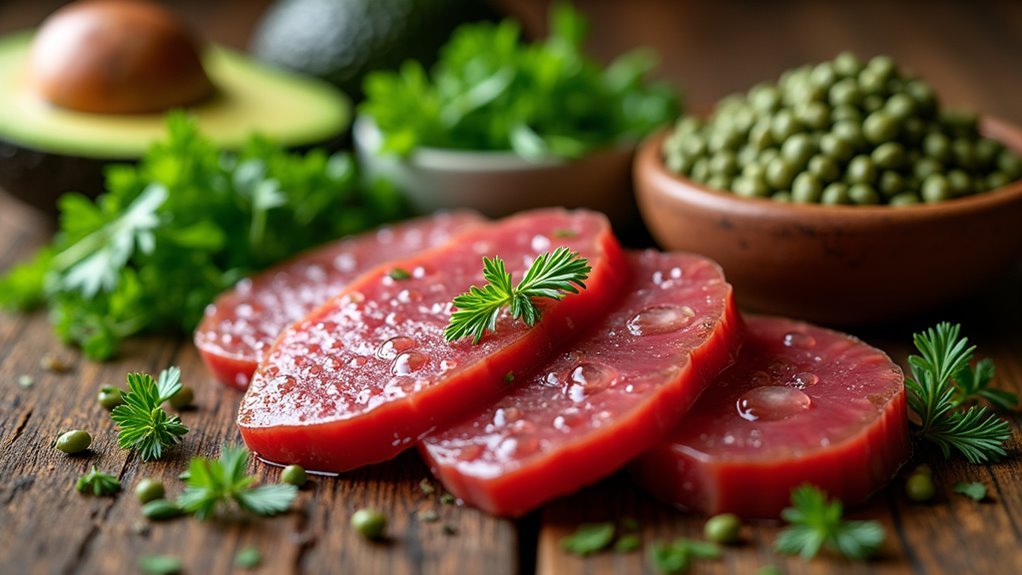
You’ll find that organ meats, especially liver, pack an impressive 300-400 micrograms of folate per 100 grams—easily surpassing your daily requirements.
This exceptional folate content directly supports your red blood cell production and maturation, making it a powerful tool for preventing folate-deficiency anemia.
Understanding these folate levels helps you leverage organ meats’ superior bioavailability compared to plant sources for ideal blood health.
Folate Content Analysis
Nutritional powerhouses like liver and other organ meats deliver exceptional folate concentrations that can greatly impact your blood health. When you’re analyzing folate content, you’ll find these foods contain 400-500 micrograms per 100 grams, far surpassing daily requirements for most adults.
Here’s what makes organ meats exceptional for anemia prevention:
- Superior bioavailability – Your body absorbs folate from organ meats more efficiently than synthetic supplements.
- DNA synthesis support – Adequate folate levels guarantee proper red blood cells formation and maturation.
- Cellular function enhancement – Folate promotes overall cellular processes beyond blood production.
- Pregnancy benefits – Expectant mothers can meet increased folate demands through organ meat consumption.
Smart cooking methods like sautéing and grilling preserve nutrient absorption while maximizing folate retention, making these foods powerful allies against folate-deficiency anemia.
Anemia Prevention Benefits
When folate deficiency threatens your blood health, organ meats serve as your most potent dietary defense against anemia development.
You’ll find that beef liver’s exceptional folate concentration—215 micrograms per 3-ounce serving—provides over half your daily requirement in a single portion. This nutrient directly supports DNA synthesis and repair processes essential for healthy red blood cells formation.
If you’re experiencing low folate levels, you’re at increased risk for megaloblastic anemia, where your body produces abnormally large, immature red blood cells.
Organ meats combat this condition by supplying the folate your bone marrow needs for proper blood cell maturation. Regular consumption enhances your body’s ability to maintain adequate red blood cell production, preventing the fatigue and weakness associated with folate-deficiency anemia.
Copper and Vitamin A in Liver for Hemoglobin Production
While iron often receives the spotlight in discussions about hemoglobin production, copper and vitamin A serve as essential co-factors that make this process possible.
When you consume liver, you’re providing your body with these important nutrients that work synergistically to optimize red blood cells formation.
Copper’s role in hemoglobin production includes:
- Facilitating iron absorption in your digestive system
- Enabling iron incorporation into developing red blood cells
- Supporting enzyme functions critical for blood cell maturation
- Preventing copper-deficiency anemia through adequate intake
Vitamin A complements copper by mobilizing stored iron and supporting red blood cell development.
Without sufficient copper and vitamin A, your body can’t effectively utilize iron, leading to anemia despite adequate iron intake.
Liver provides concentrated amounts of both nutrients, making it exceptionally effective for maintaining healthy hemoglobin levels.
Best Types of Liver for Maximum Blood Cell Benefits
Different types of liver offer varying concentrations of blood-building nutrients, with beef liver leading the pack for maximum red blood cell production benefits.
You’ll get the highest heme iron content from beef liver, delivering over 20 mg per serving compared to chicken or pork liver’s lower concentrations.
Beef liver also provides exceptional vitamin B12 levels at 70 micrograms per 3-ounce serving, far exceeding other varieties.
Beef liver delivers an impressive 70 micrograms of vitamin B12 per serving, outperforming all other liver varieties.
For folate, you can’t beat beef liver’s 200 micrograms, which supports new red blood cell formation more effectively than alternatives.
While chicken and pork liver contain beneficial nutrients, they don’t match beef liver’s superior iron metabolism support and overall blood-building capacity.
Preparing Liver to Maximize Nutrient Absorption
Choosing the right type of liver sets the foundation, but your preparation methods determine how well your body actually absorbs these blood-building nutrients.
Strategic cooking and pairing techniques can greatly enhance liver’s effectiveness for red blood cell production.
Here’s how to maximize nutrient absorption from liver:
- Cook quickly at high heat – This preserves B12 and folate while maintaining nutrients essential for healthy blood formation.
- Add vitamin C sources – Include citrus fruits or bell peppers to markedly boost iron absorption from your liver meal.
- Include healthy fats – Olive oil or avocado helps your body absorb fat-soluble vitamins more effectively.
- Skip dairy temporarily – Avoid calcium-rich foods immediately before or after eating liver, as they’ll inhibit iron uptake.
Combining Liver With Vitamin C Rich Foods
You’ll dramatically boost your body’s iron absorption by pairing liver with vitamin C-rich foods like oranges, bell peppers, or strawberries.
This powerful combination can increase iron uptake by up to 85%, making your liver dishes work harder for better blood cell production.
The key is understanding which vitamin C sources create the most effective partnerships with liver’s abundant iron content.
Iron Absorption Enhancement
While liver already contains highly bioavailable heme iron, pairing it with vitamin C-rich foods can enhance your body’s iron absorption by up to three times. This combination creates an ideal environment for red blood cell production and helps prevent iron deficiency anemia.
Strategic pairing maximizes your iron absorption through these mechanisms:
- Vitamin C converts non-heme iron into a more absorbable form
- Enhanced hemoglobin production supports efficient oxygen transport throughout your body
- Antioxidant properties from vitamin C-rich foods promote healthy blood circulation
- Synergistic nutrients work together to maximize iron utilization
You’ll achieve maximum benefits by combining liver with oranges, strawberries, bell peppers, broccoli, or kiwi. This approach guarantees your body efficiently utilizes consumed iron while supporting overall blood health.
Optimal Food Combinations
Since your body absorbs heme iron from liver more readily than plant-based iron, you can supercharge this natural advantage by creating strategic food pairings.
Combining liver with vitamin C-rich foods dramatically enhances iron absorption and red blood cell production. You’ll maximize hemoglobin levels by pairing liver with oranges, bell peppers, or strawberries, which can boost iron absorption by up to 85%.
Cooking liver with tomatoes or adding lemon juice provides additional vitamin C while enhancing flavor. You can also combine liver with leafy greens like spinach or kale, which contain both iron and vitamin C.
Including kiwi or citrus fruits as side dishes creates powerful meal combinations that combat anemia and support healthy circulation through optimized nutrient absorption.
Safe Consumption Guidelines for Liver Intake
Although liver offers exceptional nutritional benefits for blood cell production, you’ll need to follow specific consumption guidelines to maximize its advantages while avoiding potential health risks. Proper liver intake requires careful attention to frequency, sourcing, and food combinations to guarantee safe consumption guidelines.
Strategic liver consumption maximizes blood-building nutrients while preventing vitamin A toxicity through proper timing, quality sourcing, and thoughtful food pairing.
Here are four essential practices for ideal liver consumption:
- Limit frequency to 1-2 servings weekly to prevent vitamin A toxicity while maintaining high nutrient content benefits.
- Choose organic or grass-fed sources from beef, chicken, or lamb to guarantee superior nutrient quality and reduce toxin exposure.
- Combine with vitamin C-rich foods like citrus fruits or bell peppers to enhance iron absorption.
- Avoid consumption if you have gout or high cholesterol due to liver’s elevated purine and cholesterol levels.
Liver Supplements Vs Fresh Liver for Blood Health
When choosing between liver supplements and fresh liver for blood health, you’ll face a decision that greatly impacts your body’s ability to produce healthy blood cells. Fresh liver delivers superior bioavailability of nutrients compared to processed supplements, allowing your body to absorb heme iron, vitamin B12, and folate more effectively for enhanced red blood cell production.
| Aspect | Fresh Liver | Liver Supplements |
|---|---|---|
| Nutrient Absorption | High bioavailability | Reduced absorption rates |
| Hemoglobin Support | Excellent for hemoglobin levels | Moderate effectiveness |
| Additional Compounds | Contains copper, vitamin A | Often lacks full spectrum |
| Blood Health Impact | Superior overall benefits | Limited nutritional profile |
| Convenience Factor | Requires preparation | Easy to consume |
Fresh liver’s complex nutritional matrix supports ideal blood health more effectively than isolated supplements.
Foods to Avoid When Consuming Liver for Blood Production
While liver provides exceptional nutrients for blood cell production, certain foods can greatly undermine its effectiveness if consumed together.
You’ll want to strategically avoid specific foods to avoid that interfere with iron absorption and compromise liver function.
Here are key dietary restrictions when consuming liver:
- Dairy products – Calcium blocks iron absorption and vitamin B12 uptake from liver
- Tea and coffee – Tannins notably reduce iron absorption when consumed near liver meals
- Processed meats and refined grains – These impair overall liver function and reduce blood cell production efficiency
- Foods high in added sugars – Sweetened snacks and sodas cause inflammation, damaging liver health
Additionally, limit alcohol consumption as it directly hinders liver function and blood cell formation, maximizing your liver’s blood-boosting benefits.
Monitoring Blood Cell Improvement With Liver Nutrition
Since liver nutrition provides such concentrated blood-building nutrients, you’ll need systematic tracking to measure your body’s response and refine your results.
Schedule baseline blood tests before increasing liver consumption, then follow up every 4-6 weeks to monitor red blood cell production improvements. Your complete blood count will reveal hemoglobin levels, red blood cell count, and hematocrit changes that indicate enhanced erythropoiesis.
Track your vitamin B12 and iron levels specifically, as liver’s high concentrations of these nutrients directly support blood cell formation.
You’ll also want to monitor iron absorption markers like ferritin and transferrin saturation. Keep a food diary documenting liver intake frequency and portions alongside your blood test results.
This data helps you identify refined consumption patterns and guarantees you’re maximizing liver’s blood-building benefits safely.
Frequently Asked Questions
What Foods Help Build Red Blood Cells?
You’ll boost red blood cell production by eating iron-rich lean meats, seafood, beans, and lentils. Include folate-packed dark leafy greens, vitamin B12 from dairy, and vitamin C fruits to enhance absorption.
How to Increase Hemoglobin in the Liver?
You’ll boost liver hemoglobin production by eating iron-rich lean meats, dark leafy greens, and legumes. Add vitamin B12 from eggs, folic acid from spinach, and vitamin C from citrus fruits for enhanced absorption.
Does Eating Liver Increase Red Blood Cells?
Yes, you’ll increase red blood cells by eating liver. It’s packed with heme iron, vitamin B12, and folate that boost red blood cell production and combat anemia more effectively than plant-based sources.
What Is the Number One Food for Your Liver?
Dark leafy greens like spinach and kale are considered the number one food for your liver. They’re packed with iron, folate, and antioxidants that’ll support detoxification while boosting red blood cell production effectively.


